Do Cats Get Seasonal Depression?
Published on January 22nd, 2026
Updated on March 24th, 2026

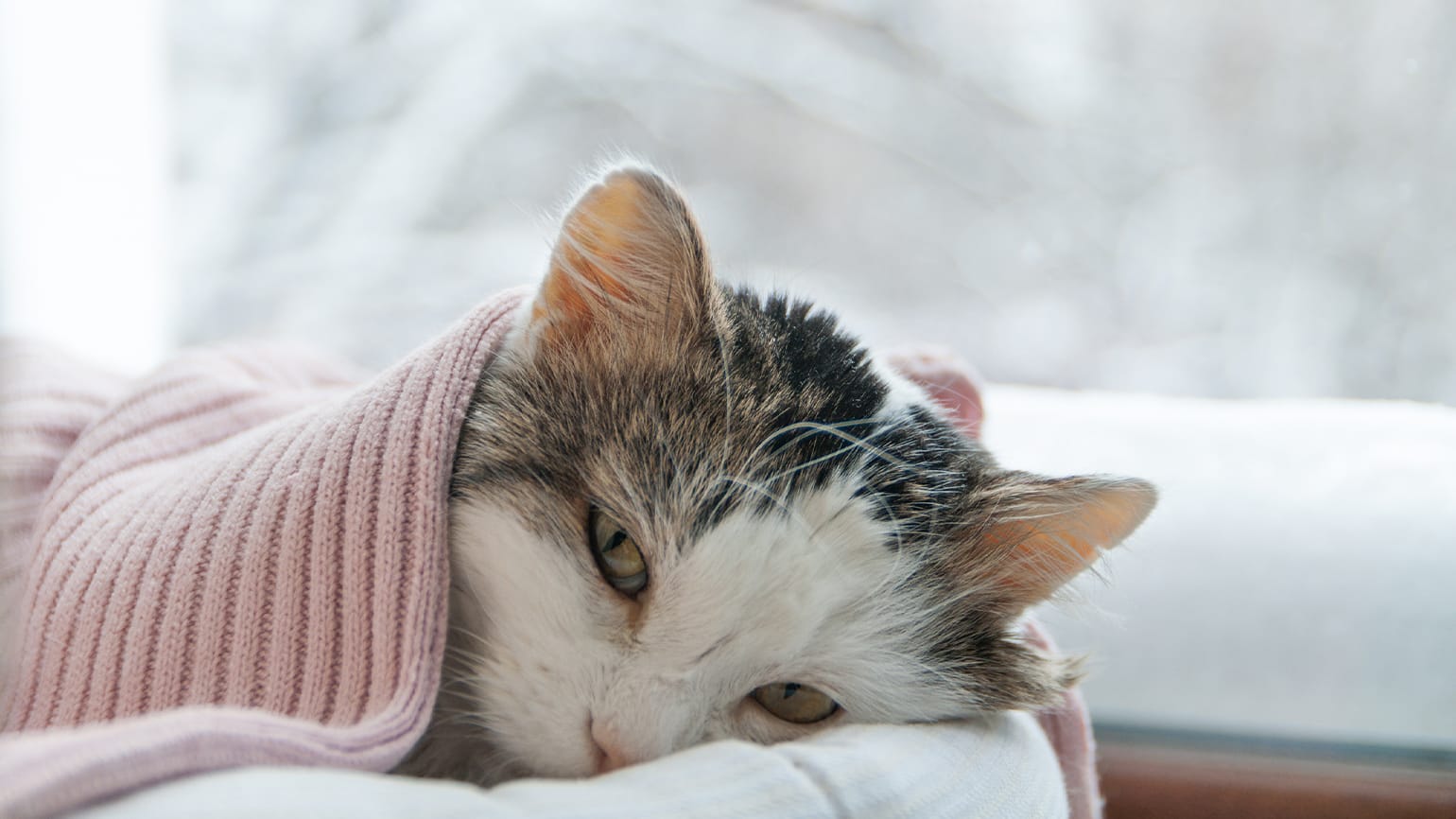
When winter’s chill and shorter days arrive, many people notice a drop in mood or motivation—a common effect of seasonal affective disorder (SAD). It’s natural to wonder if cats can get seasonal affective disorder, too. Some pet parents notice their feline friends sleeping more, seeking extra warmth or seeming less playful when daylight fades. While researchers haven’t confirmed that cats experience true SAD, seasonal changes can still influence their behavior, appetite and activity. Here’s what experts understand so far, what remains unclear and how you can help your cat stay content and engaged through the winter months.
Quick answer: TLDR
Short verdict: there’s no definitive proof cats get SAD in the same way humans do, but seasonal changes (light, temperature, routine) can alter feline behavior and wellbeing. Veterinarians and researchers have observed photoperiod-linked changes in cats and that behavioral signs may overlap with depression.
What “seasonal depression” means in humans—and why it isn’t a perfect match for cats
In people, SAD is a type of depression that typically appears during the darker months when sunlight exposure decreases. Reduced light can disrupt the body’s internal clock and alter levels of melatonin and serotonin, chemicals that regulate mood. Our circadian rhythms change, changing our sleep patterns, as well. Common symptoms include fatigue, changes in appetite, difficulty concentrating and feeling low or unmotivated. Treatments often involve light therapy, exercise and, in some cases, medication or counseling.
Wondering if cats get depressed is a common question, but applying this diagnosis directly to cats isn’t straightforward. Unlike humans, cats can’t report how they feel, and veterinary science has limited data on feline mood disorders. What looks like “depression” could instead stem from pain, illness or even cognitive dysfunction in older cats. While changes in behavior might mirror human seasonal patterns, the Cornell University College of Veterinary Medicine recommends pet parents get a veterinary assessment to rule out medical or environmental causes before assuming an emotional explanation.
What the science says about cats and seasons
We all know cats can be sensitive creatures, but it’s easy to forget they are particularly sensitive to changes in light, a phenomenon known as photoperiod sensitivity. Their bodies respond to day length through hormones such as melatonin, which influence reproductive cycles, sleep patterns and energy levels. Studies have shown that light exposure affects feline physiology and behavior—altering sleep duration, food intake and even hormone balance.
Recent research using accelerometers has explored how cats’ activity levels fluctuate with daylight and household routines. Some studies note shifts in movement patterns and circadian rhythms during winter, though these do not prove a direct link to depression. Trials involving feline behavior medications exist, but they focus on anxiety, aggression or stress—not SAD itself.
Bottom line: Cats clearly respond to light and seasonal rhythms on a biological level, yet there is no direct evidence cats get seasonal affective disorder in the human sense. However, subtle changes in behavior, mood or energy across seasons are common and worth monitoring and discussing with your veterinarian.
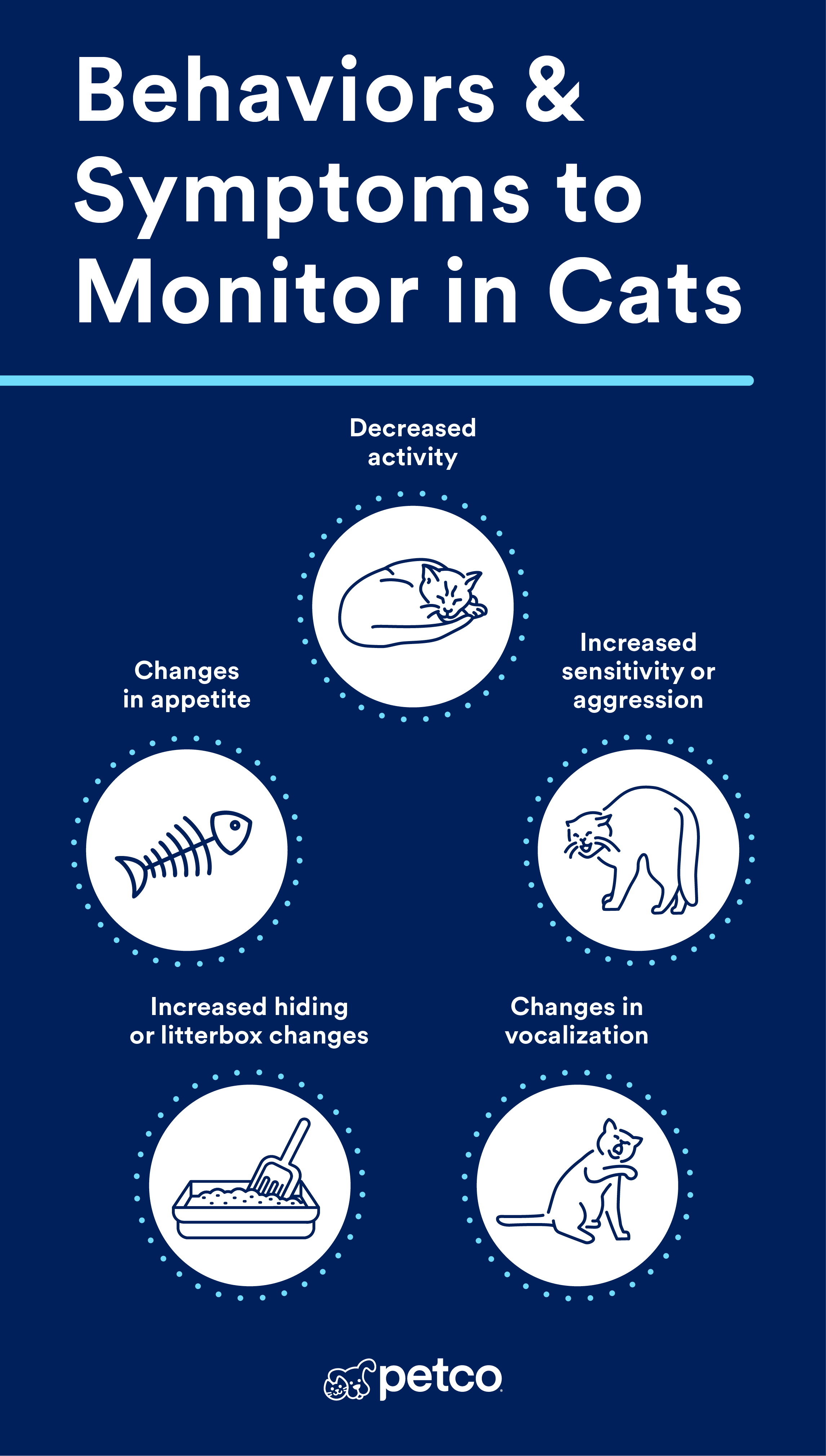
Signs that can look like cat seasonal depression
Many cat moms and dads observe small behavior shifts during winter. These can resemble low mood but may also indicate underlying health problems. Watch for the following symptoms, with the caveat Cornell cites for each one as a possible medical cause:
• Decreased activity or sleeping more than usual. What else it could be: pain, illness or arthritis
• Reduced appetite or eating less. What else it could be: may point to dental issues or illness
• Increased hiding or withdrawal. What else it could be: can indicate illness, anxiety or discomfort
• Less interest in play or toys. What else it could be: sometimes linked to boredom or aging. Can also indicate illness or discomfort
• Changes in vocalization or litter box habits. What else it could be: might signal stress, urinary issues or thyroid problems
• Increased irritability or aggression. What else it could be: could reflect pain or a medical condition
If you notice any of these signs, schedule a veterinary exam to rule out illness before assuming the behavior is seasonal.
Other causes to rule out
Winter sluggishness or mood changes in cats often have an explanation other than seasonal changes. Common medical causes include thyroid disease, dental pain, infections or cognitive decline in older cats. These can mimic the same behaviors associated with “winter blues.”
Environmental and social factors play a major role, as well. Remember earlier about cats being sensitive? That includes being sensitive to the stress levels of family members and disrupted household routines. When daylight shortens, people often exercise less, spend more time indoors and adjust household lighting—all of which affect pets, too. Reduced enrichment, fewer play sessions and lower temperatures can contribute to a cat seeming withdrawn or less active.
6 steps vets and behaviorists recommend
Oftentimes not knowing where to look to help your cat get relief is a source of stress all by itself. Here are five steps veterinary experts suggest for a practical, step-by-step approach to support cats through seasonal change:
Vet check first: A physical exam and basic bloodwork help rule out thyroid disease, pain or infection.
Light and schedule: Increase bright, consistent light during the day. Position beds or perches near sunny windows and keep feeding and play schedules regular. Light stability helps maintain hormonal balance and circadian rhythm.
Enrichment: Offer puzzle feeders, climbing towers and scent-based play. Rotate toys weekly to sustain curiosity. Petco can help you find some new toys for your cat if you haven’t tried any of these styles yet.
Comfort and temperature: Provide warm, soft cat bedding and safe heated mats, especially for senior cats.
Diet and supplements: Veterinary therapeutic diets and cat probiotic supplements can help with anxiety. These require a veterinary authorization to purchase.
Professional help: If symptoms persist, consult a veterinary behaviorist. In some cases, medications used for anxiety or behavioral disorders may help, but only under veterinary supervision.
Red flags and when to see your vet
As stated before, it’s best to work with your vet to determine actual causes of behaviors, depression or health issues. Don’t delay contacting your vet if your cat shows any of these signs:
Rapid weight loss
Vomiting
Diarrhea
Significant lethargy
Sudden changes in toileting or aggression
These symptoms can indicate serious health problems that require prompt attention. Even mild behavioral shifts lasting more than a few weeks warrant a vet evaluation to ensure nothing medical is being overlooked. Yes, a trip to the vet isn’t fun for you or kitty, but the peace of mind it can provide is worth it. (Give your cat an extra-loved treat or toy afterward to help prove that.)
Takeaways
While cats don’t experience seasonal affective disorder the same way humans do, many are affected by shorter days and cooler weather. They may take more cat naps and do fewer zoomies. Providing engaging enrichment, increasing light exposure and watching for any concerning changes can help your cat stay balanced and content all winter. Petco offers cozy cat beds, interactive toys and nutritious food options to help keep kitty feeling purrfect, rain or shine.
FAQs
Can I use a human SAD lamp for my cat?

Probably not, because lamps made for humans can be too intense or unsafe for pets. Always ask your vet before using any light device around animals.
Are indoor cats more likely to be affected by seasonal changes?
Possibly. Indoor cats often rely on artificial light and have fewer cues from natural sunlight, which can alter activity and sleep patterns.
Is melatonin safe for cats?
Only under veterinary direction, and only with formulas specifically for cats. You should never share your medications, even OTC supplements, because they can be hazardous to pets.
Does adding light really help cats?
Yes, moderate increases in daylight exposure—like open blinds or gentle artificial light—can support normal circadian rhythms, but it’s no substitute for medical care when symptoms appear.

My pet seems sad in winter. Can dogs or cats get seasonal depression?
My cat seems depressed. What can I do to help her feel better?
My cat is sad after a loss. Can cats get depressed? How to help?
My cat seems sad. Can cats really suffer from anxiety or depression?
Is it normal for my pet to be slower and sleep more in winter?
Why is my cat depressed? She only seems happy when she has kittens.
Why does my indoor/outdoor cat lose weight in summer, gain in winter?
How do I know if my dog or cat is depressed? What are the signs?
How to help my senior cat cope with long-term depression and grief?
My cat is depressed after a family pet died. How can I help?