

What is a Lion Cut?
Published on February 16th, 2026
Updated on February 17th, 2026


What is a Lion Cut?
While it’s common knowledge that domestic cats are in the same family as big cats, you might not know there’s a way for some pet cats to look more like wild ones—with a lion cut! OK, so what’s that?
A lion cut is a professional grooming style where most of a cat’s body fur is shaved short while select areas are left fuller. The core purpose is comfort, safety and manageability, especially for longhaired cats prone to matting. Because clippers, technique and feline handling matter, lion cuts should only be done by trained groomers and veterinary professionals.
What does a lion cut look like?
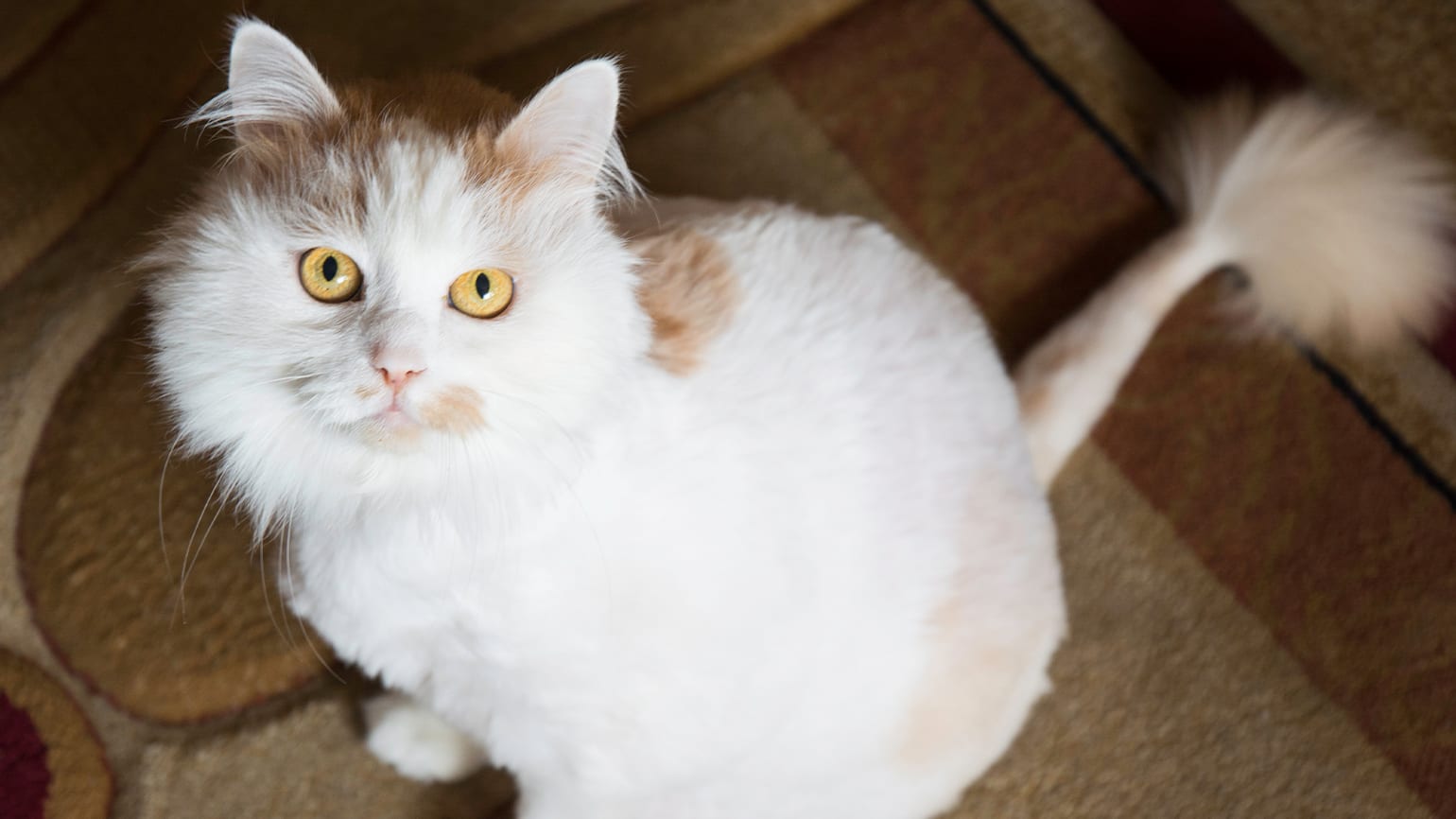
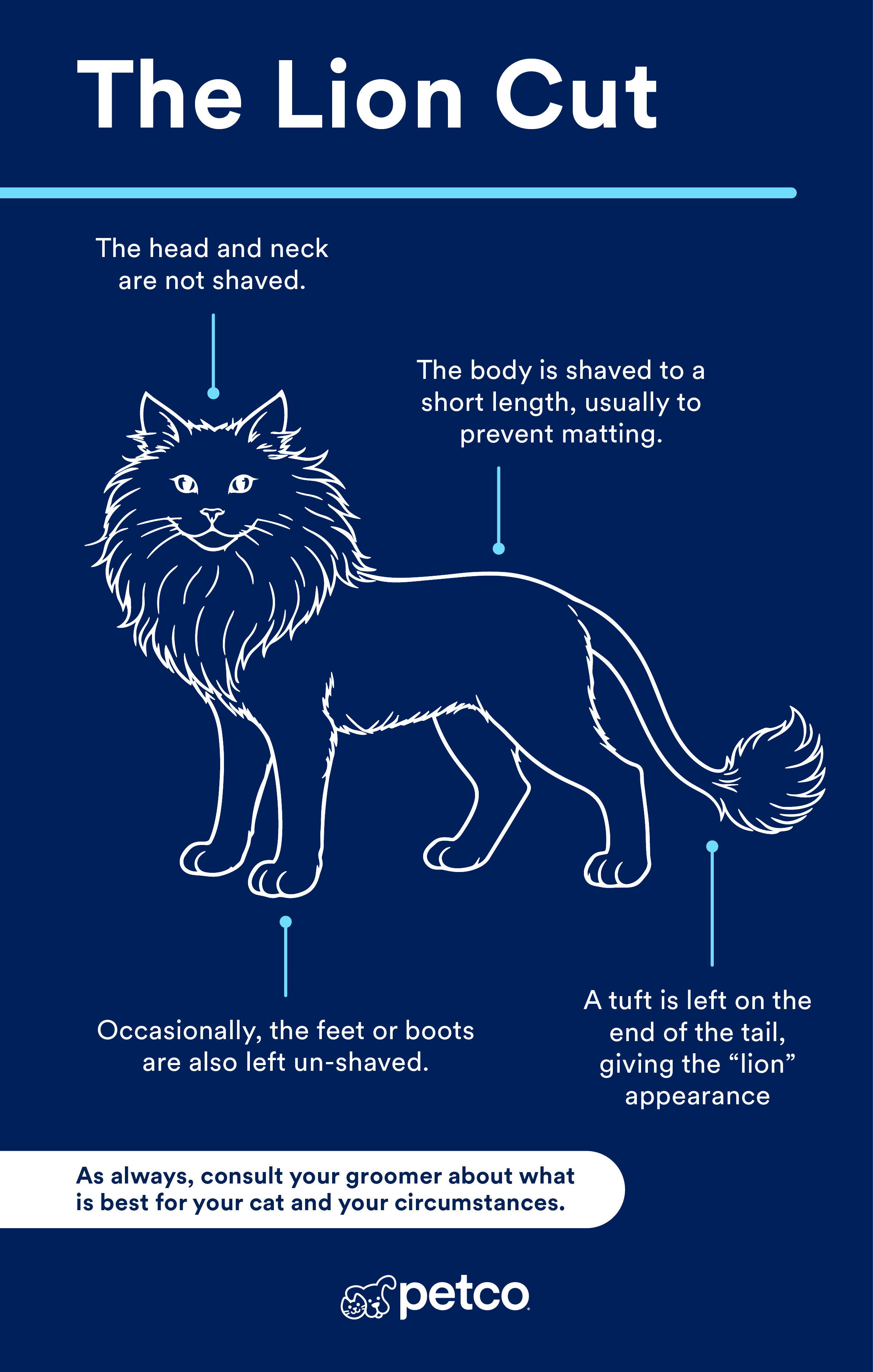
The classic look features a closely shaved body with a fluffy mane around the head and chest. The tail is usually shaved except for a tuft left at the tip, creating a pom-pom effect. Some variations include furry “boots” left on the legs for added warmth or style.
What does a lion cut feel like?
For cats, a lion cut can feel dramatically different at first. Short fur exposes more skin, which may heighten tactile sensitivity to air, surfaces (bedding, etc.) and touch. Some cats immediately enjoy the lighter feel and freedom of movement, while others need time to adjust. Temperature perception can also change, especially in cooler homes and those with tile flooring. Exposed skin will also be more sensitive to sunlight than when it was fully coated, so protection should be provided for any kitty with this haircut who loves to sunbathe in windows or is allowed outdoor access.
It’s not just the cat who notices a difference! For pet parents, the coat feels velvety or peach-fuzz soft rather than plush for a whole new petting experience. There is also less fur transfer on clothing and furniture, as any shedding of the shaved coat will be significantly shorter than the cat’s natural coat. During the adjustment period, providing cozy bedding and monitoring comfort helps most cats settle in quickly.
Which cats get a lion cut and why?
Lion cuts are chosen for a variety of reasons. Common motivations include:
Preventing painful mats
Improving hygiene around the rear and belly
Increasing comfort during hot weather
Reducing shedding in the home
Personal preference for a tidy yet playful look
Many pet parents pursue lion cuts after struggling to maintain a long coat despite regular brushing. Supplies like slicker brushes, detangling sprays and grooming wipes from Petco can help extend time between cuts.
Breeds most common for lion cuts
Not surprisingly, longhaired and thick-coated cats are the most frequent candidates for lion cuts. Persians, Maine Coons, Ragdolls, Himalayans and Norwegian Forest Cats often have dense undercoats that mat easily. Coat texture matters more than breed alone. Fine, cottony fur mats faster than silky coats. Cats with double coats may trap loose hair close to the skin, making brushing difficult if the coat isn’t maintained on a regular basis. In these cases, a lion cut can be the safest reset that allows the coat to regrow healthier and become easier to maintain.
Matting
Matting is one of the most common reasons groomers recommend a lion cut, and mats in the fur go far beyond an aesthetic issue. Mats pull at the skin, trap moisture and can hide sores and infections. When matting becomes severe, brushing or spot trimming may cause pain or skin damage. Shaving the coat evenly is often the most humane option.
A lion cut removes mats completely while preserving fur in low-risk areas like the head and tail. Afterward, consistent maintenance using quality brushes and combs from Petco can help prevent future mat buildup.
Preferences
Some lion cuts are chosen purely for convenience or style. Busy households may prefer a low-maintenance coat. Other cats dislike brushing and become stressed during grooming sessions. In these cases, a lion cut can reduce daily conflict. Interestingly, some cats appear more confident or playful after a cut, possibly due to improved comfort and mobility.
Which cats should NOT get a lion cut?
This decision should always be safety-first. Not every cat is a good candidate and forcing the process can cause harm. Cats who become aggressive or stressed when restrained or handled can get injured. Very thin cats may struggle with temperature regulation after shaving. And as stated, while a lion cut makes sense for some breeds, there’s really no reason that a British Shorthair, for example, would benefit from a lion cut.
Additionally, if your cat has skin or medical conditions, those may also require alternative grooming approaches. (See Cat conditions section below for some examples.) Consulting a veterinarian or certified groomer is essential before proceeding.
Cat ages
Kittens and senior cats, too, may not be good candidates for this style. Kittens rely more heavily on their coat for warmth and are easily chilled. Senior cats may have slower coat regrowth and reduced ability to regulate body temperature. Both age groups may also experience higher stress during grooming, making a full lion cut inappropriate unless medically necessary.
Cat conditions
Cats with skin infections, wounds, allergies or compromised immune systems may not tolerate shaving well. The decision should always be discussed with your veterinarian when an illness or injury is a concern. Anxiety disorders or arthritis can make handling painful or frightening. Cats with heart disease or respiratory issues may be unsafe candidates for prolonged grooming sessions. In these situations, partial trims or medical grooming under veterinary supervision may be safer options.
Pros and cons of lion cuts
Are you the analytical type? We’ve got you! These lists of pros and cons can help you decide if your cat is a good candidate to let the fur fly.
Pros
Lion cuts offer several practical advantages:
Reduced shedding, which keeps floors, furniture and clothing cleaner
Significant mat prevention as new fur grows evenly
Easier hygiene around litter box areas
Fewer hairballs due to less loose fur ingested during grooming
Improved comfort in warm or humid climates
Many cats move more freely without heavy fur weighing them down. Pet parents often find grooming routines become simpler and less stressful. Pairing a lion cut with regular brushing, nail trims and coat care products from Petco can maximize benefits while supporting healthy regrowth.
Cons
However, this style does have some downsides:
Increased risk of sunburn for cats who spend time near windows or have outdoor access
Greater sensitivity to cold temperatures
Temporary stress during and after grooming
Risk of nicks if the cat moves suddenly during grooming
Potential coat changes during regrowth
Some coats may grow back unevenly or with altered texture, especially in older cats. These changes are usually cosmetic but can surprise pet parents. Monitoring skin health and comfort during regrowth is important.
Lion Cut FAQs
How long does a lion cut last?

Most lion cuts last 6–12 weeks, depending on the cat’s hair growth rate and thickness of fur. Finer coats, for example, may take longer to return to full length.
Does a lion cut change a cat’s behavior?
Some cats become more energetic or playful right after, with the theory being they are delighted with this new freedom from fur and increased mobility. Others take a little more time to get used to their new do and act cautious at first. These changes usually fade as the cat adapts to the new sensation.
Will a lion cut make my cat cold indoors?
Most indoor cats adjust well but may seek warm spots initially, especially during the first 1-2 weeks. Soft blankets or heated beds (only when you are home, of course) can help during the transition. Petco also has some fetching sweaters that can keep kitty warm AND stylish.
Can a lion cut reduce hairballs?
Yes, it can! Removing excess fur reduces the amount swallowed during self-grooming, which often leads to fewer hairballs in heavy shedders.
Is sedation required for a lion cut?
Sedation is not typically needed but may be recommended for extremely anxious or aggressive cats. Only a veterinarian should administer sedation; this is not the time for DIY treatments. Speaking of which….
Can I shave my cat myself to give them a lion cut?
No. While we appreciate your DIY spirit, there are too many ways this could go wrong for you and your cat. The noise of the shaver and the new experience can be overwhelming. Let the experts handle this one; groomers have the required training for both technique and keeping your cat as calm as possible.
Will my cat’s fur grow back the same after a lion cut?
Most coats grow back normally, but older cats and certain breeds may show texture changes, slight color shifts or uneven regrowth. These changes are usually cosmetic and harmless.
Can a lion cut help with allergies in the home?
Because there is less loose hair and dander, it often gives some relief to people with mild allergies. Keep in mind it won’t eliminate allergens entirely.
Can I request a modified or partial lion cut?
Yes. Many groomers offer customized options such as longer leg fur, a shorter mane or a fuller tail tuft. These variations are typically based on a combination of your preference and your cat’s coat. After any grooming session, give your cat a high-value treat so they have positive associations with the experience.