


Why Cats Make Biscuits (Kneading)
Published on October 16th, 2025
Updated on October 16th, 2025


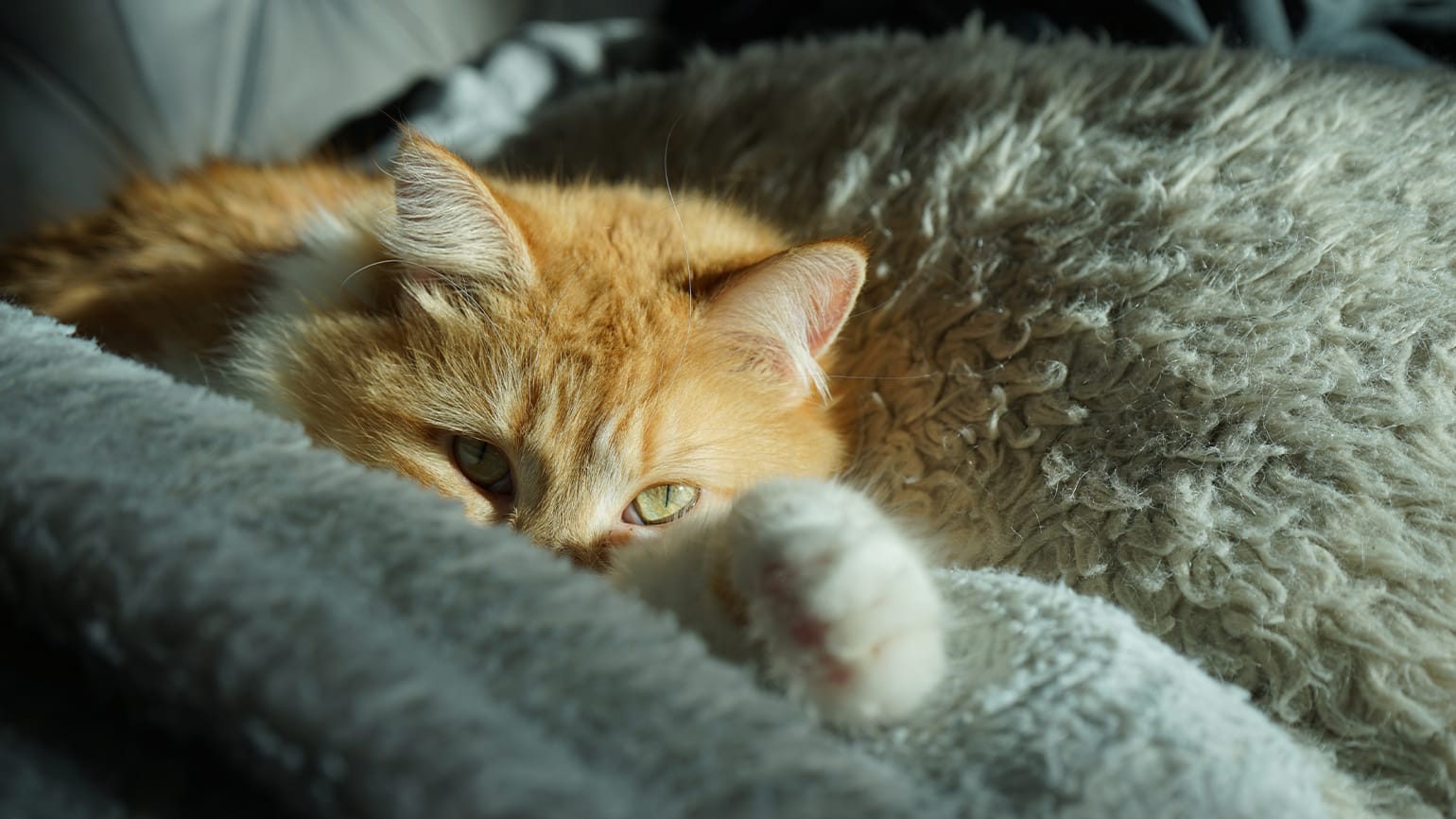
If you’ve ever seen a cat rhythmically push their front paws in and out against a pillow, blanket, another cat or even you, then you might already be familiar with the term “making biscuits.” Why do cats make biscuits? Should you ever be concerned? Petco is here with everything you “knead” to know!
The history and science of kneading
“Making biscuits” is so called because the motions closely mimic kneading dough before baking. This behavior begins in kittenhood, when kneading helps stimulate a mother’s milk flow. For adult cats, kneading is often a way to show comfort or contentment, mark territory with the scent glands in their paws or prepare a cozy spot to rest.
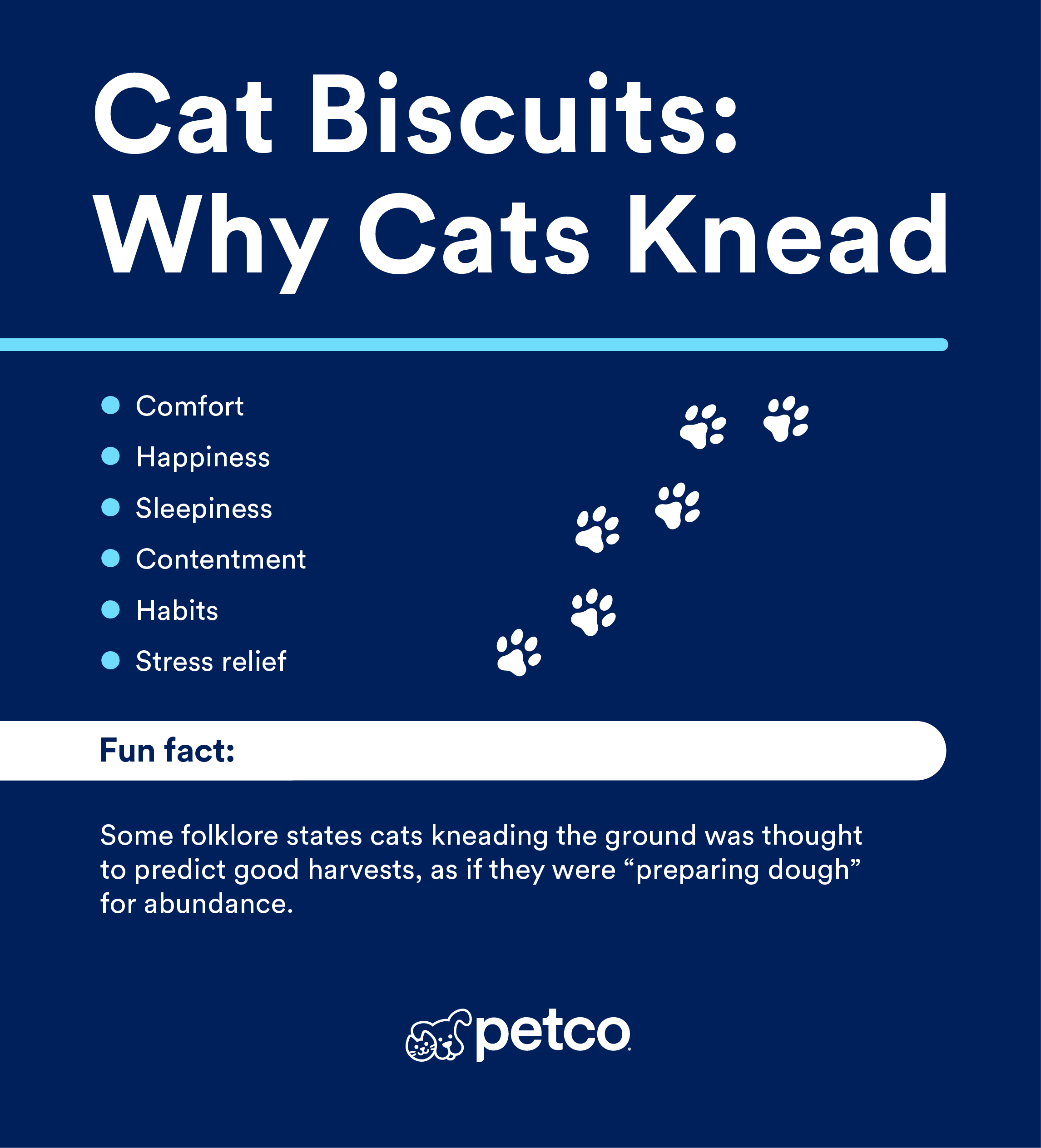
Fun facts about kneading:
Common triggers: Cats often knead when they’re especially relaxed or happy, usually on soft surfaces like blankets, pillows or a trusted human’s lap. Some even purr while doing it, showing deep contentment.
Different styles: Not all cats knead the same way. Some use both front paws, others just one; some press firmly, while others barely graze the surface. A few even add a little “marching in place” motion.
Cultural tidbits: In some folklore, a cat kneading the ground was thought to predict good harvests, as if they were “preparing dough” for abundance. The modern nickname “making biscuits” has turned into a beloved internet phrase, with countless memes and videos celebrating the quirky feline habit.
Health and wellness: What’s normal, what’s not, and when to enlist help:
Kneading is usually a perfectly normal and healthy cat behavior, often seen when your cat feels safe and content. Signs it’s a positive habit include:
Relaxed body language: Soft eyes, slow-blinking eyes or a loose, floppy posture while kneading.
Purring: Many cats purr while kneading, indicating they’re happy and comfortable.
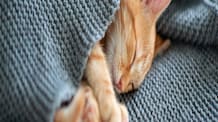
Choosing cozy spots: Cats often knead on beds, blankets or laps—places they associate with warmth and security.
Gentle rhythm: The motion is steady and calm, not frantic or aggressive.
When you see these signs, kneading is simply your cat’s way of expressing comfort, affection and happiness.
When to call a vet:
While kneading is usually harmless, there are times it may signal something more. Watch for:
Excessive kneading with other symptoms: If kneading is paired with overgrooming, hair loss, lethargy or changes in appetite, it could point to stress, anxiety or an underlying medical issue.
Aggressive or compulsive kneading: If your cat kneads with unusual intensity—digging claws aggressively, drooling excessively or seeming unable to stop—it may be a sign of compulsive behavior.
In these cases, it’s best to consult your veterinarian. They can rule out medical conditions and provide guidance on reducing stress or redirecting the behavior in healthier ways.
Speaking of your veterinarian…many vets offer the following tips to make kneading more comfortable—for both you and your cat!
- Keep claws trimmed to prevent injury. Petco stocks tools for DIY trims. If you’d rather leave that task up to the pros, our experienced groomers are on hand to help in select Petco locations.
- Provide safe kneading surfaces: Offer soft blankets, pet beds or cushions specifically for your cat to knead, so they can enjoy the behavior without causing harm. Also, if your cat prefers to knead a blanket, check for frayed edges occasionally and trim them so your cat’s paws don’t get caught.
- When to consult a veterinarian: If your cat’s kneading habits suddenly change—becoming more intense, paired with drooling, overgrooming, lethargy or loss of interest in normal activities—schedule a vet visit. Sudden behavioral shifts can sometimes indicate pain, anxiety or underlying health issues that need attention.
Products to support your cat’s kneading habit
Your cat doesn’t need their own sourdough starter, but a few thoughtful products can make “biscuit-making” safer and more enjoyable—and they don’t have to cost a lot of dough.
- Start with kneading-friendly surfaces like soft cat beds, cozy mats or scratching posts covered in plush fabric—perfect for those rhythmic paw presses.
- For claw care, keep a pair of cat-safe nail clippers on hand, or consider nail caps to minimize scratches. Scratching pads are also helpful for redirecting extra energy.
- To further enrich the experience, try toys and textures designed for comfort and stimulation: interactive toys that mimic kneading motions or blankets and fabrics with crinkly or soft textures cats love. These items not only help protect your furniture and skin but also give your cat healthy outlets for expressing one of their most natural and comforting behaviors.
Takeaways
Why do cats make biscuits? Cat kneading is usually a healthy, happy behavior that shows your cat feels safe and content. By providing cozy surfaces, keeping claws trimmed and offering enrichment toys, you can make this endearing habit both fun and safe. Remember, while most kneading is normal, sudden changes or excessive behaviors paired with other symptoms should be discussed with your veterinarian.
Take time to observe and enjoy your cat’s biscuit-making—it’s one of their sweetest ways of showing comfort and trust. For products that support your cat’s kneading needs, Petco is on hand to help with beds, scratchers, toys and claw-care essentials.
After all, when it comes to your cat’s happiness, a little love and the right tools are all you knead!




)