













Petco Text Logo
Petco Pet Logo
Author Profile Photo
Written by Cheryl Lock

About Manx

For a fun and playful companion that’s as loyal as they come, look no further than the Manx. Often compared to dogs, the Manx loves a good caper, is full of energy and is happy to entertain.


Origin: Isle of Man   Other Names: Cymric (Kim-Rick) is the long-haired version of the Manx

Petco Pet Education Center

General appearance

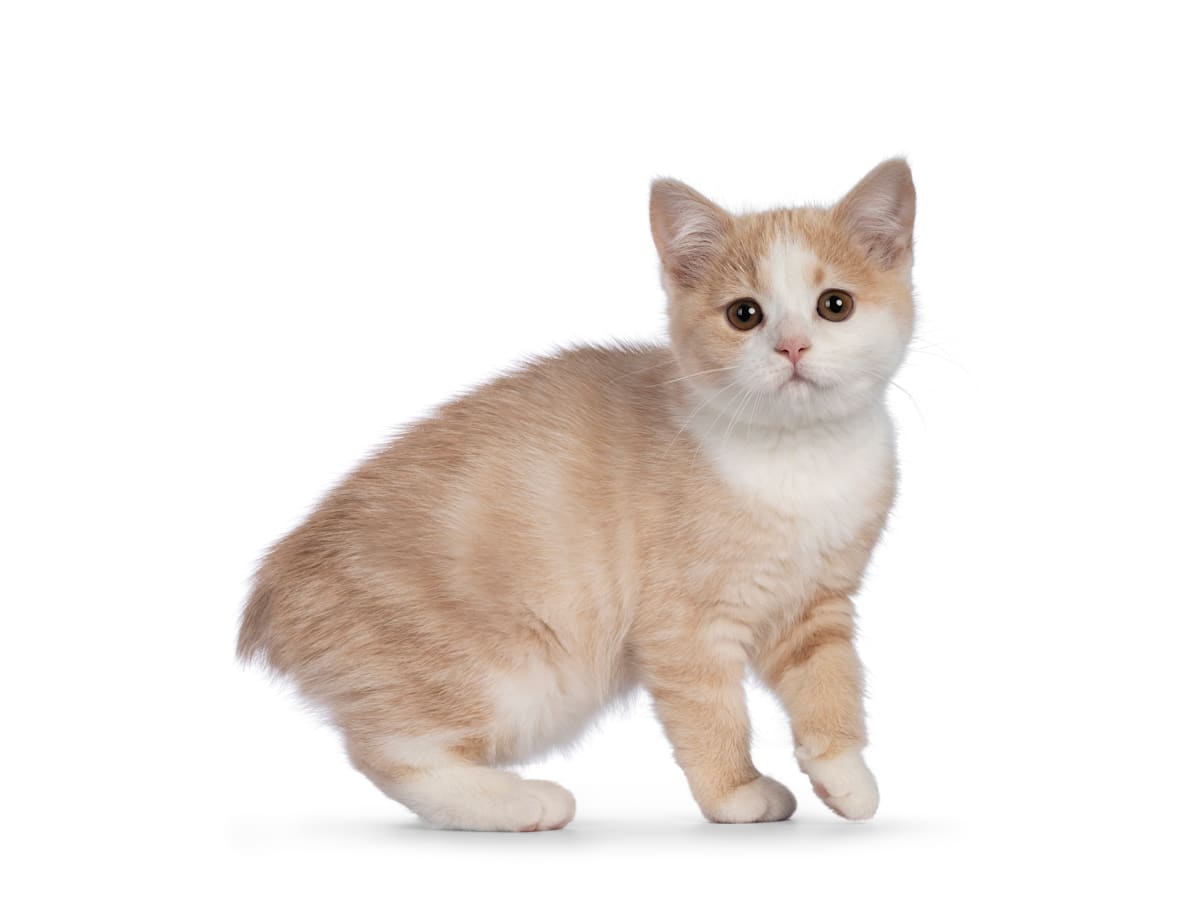
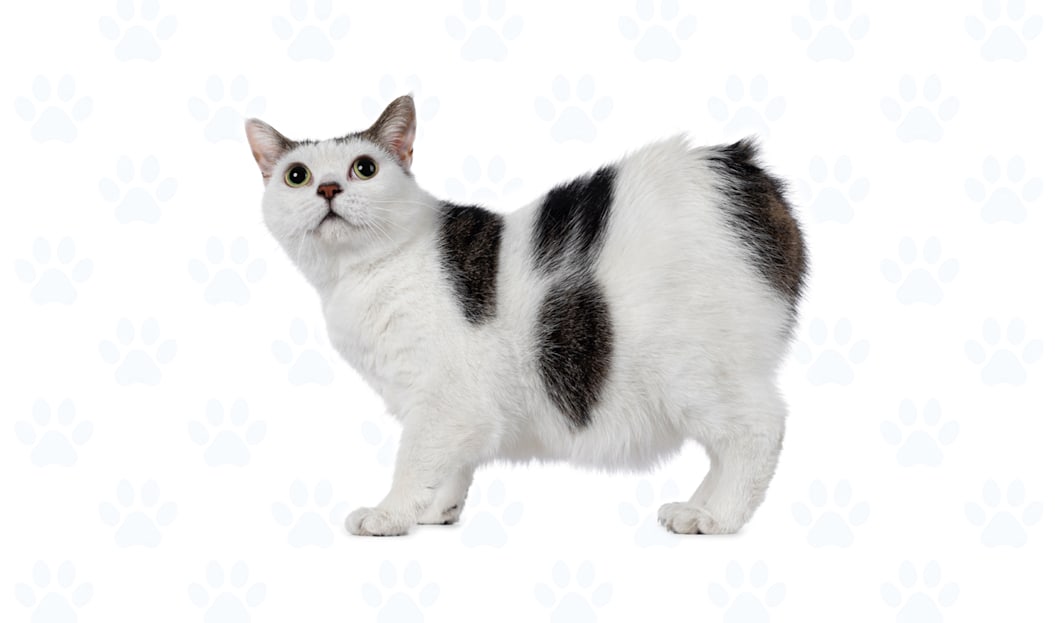
Manx cats are easily distinguished by their physical characteristics. The Manx can have many different tail lengths, including no tail at all. Manx with no tail are referred to as a “rumpy,” while a cat with a short tail is a “riser,” says Catherine Roso, a Manx breeder.


The Manx is also known for having an overall round look, including a well-rounded head, prominent cheeks, almond shaped or round eyes, and a well-padded stocky body. Sometimes their back legs are longer than their forelegs, which pushes their rump up a bit higher than their shoulders, making for an overall arched appearance. “This can especially be seen in the rumpy version of Manx [who have] a smooth curve from shoulder to hock,” says Roso.


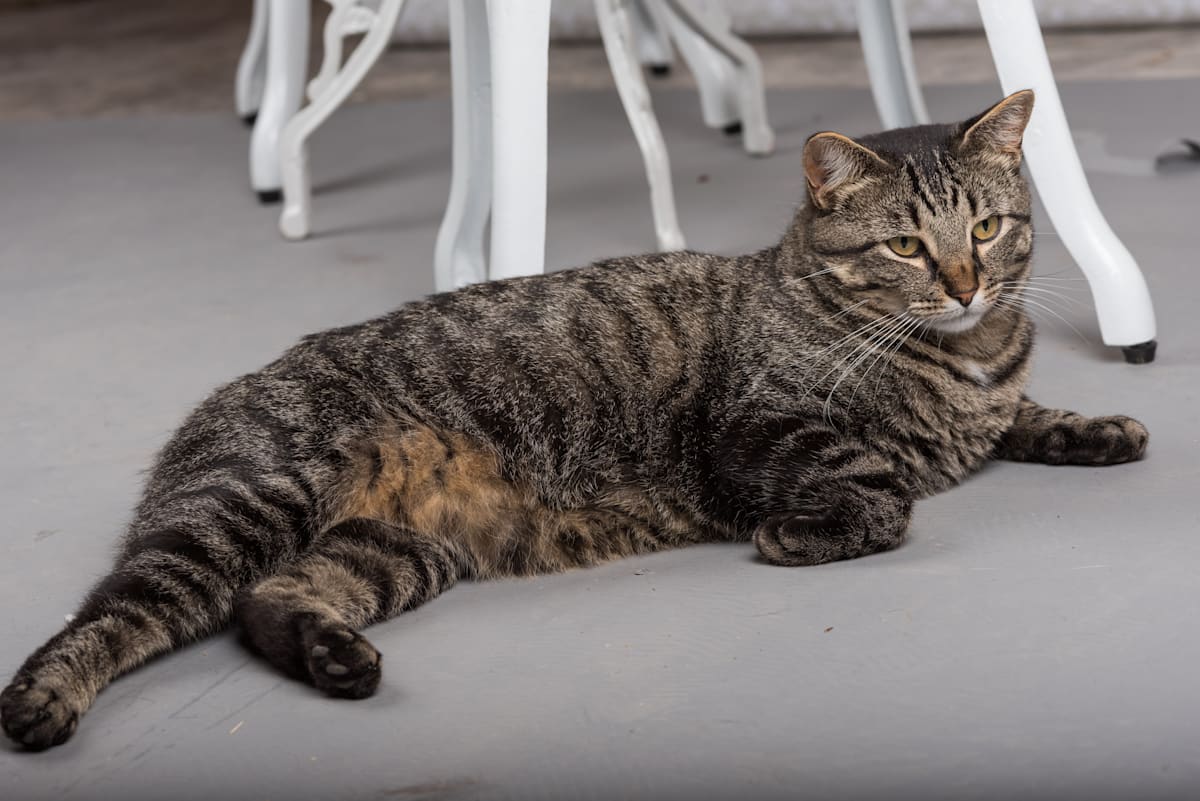
Manx come in long- or short haired varieties and are well known for their patterned coats with distinctive classic tabby marks or regal solid colors. “Pedigreed cats are only recognized in their original colors of red, black, cream and blue, silvered, white spotted or white,” says Roso.

Size & Weight

Manx cats typically weigh between 8 and 13 pounds.They typically measure 7-9 inches at the shoulder.

Full Grown
Female 7 in. / 8 lbs.
Male 9 in. / 13 lbs.

Height is measured up to the shoulders.

Female Size Chart
Height Figure
Male Size Chart
6 ft. 4 ft. 2 ft.

Cost of Owning

The average cost of owning a Manx is $1000 per year.
$300
Vet Care
$250
Grooming & Boarding
$200
Others
$250
Food & Treats

Characteristics

Weight

Manx cats typically weigh between 8 and 13 pounds.

Light
Heavy

Living space

While not an overly large breed, the Manx is full of energy and loves to jump, play and run, so a place with more space will keep them happiest.

City apartment
Ranch

Exercise

The Manx has plenty of energy to burn and enjoys jumping, running, playing and hunting.

Couch potato
Bring it on!

Personality

Playful yet gentle, fun loving and smart, the Manx is the whole package.

Antisocial
Outgoing

Behavior with kids

While the Manx is energetic and lively, they are also gentle and love to interact with their family, making them the perfect pet for families with kids.

Always monitor
Babysitter

Shedding

Manx can have either long or short hair, but both versions have plush double coats that require once or twice weekly brushing.

Minimal
Abundant

Climate

The Manx has a double coat, which likely helped them survive harsh winters on the Isle of Man, an island between Ireland and England.

Warm
Cold

Temperament & Behavior

Often compared to dogs, the Manx is known for its playful and engaging energy. They can often be found playing fetch or carrying toys and love the company of their owners. “They still have a bit of their origin in them and have been known to be great hunters of houseflies or other little wiggly things,” Roso adds.


Manx thrive on interaction, with access to fun and engaging toys, lots of space to run and play and tons of love and affection ranking high on their list of needs. It’s also important to keep in mind that Manx cats love to jump, so you’ll want to keep a landing spot on the top of your cabinets available for them and keep the breakables out of reach.


Manx also have the unique ability to carry on a conversation with their people by using a sweet, trilling voice. “For a great big cat, they have some tiny little meows, and the biggest boys can have the softest little chirps,” says Roso.

Barking: Understanding your cat

Training

Habits and Exercise

The Manx has a moderate energy level that requires a good bit of exercise and stimulation. A couple of play sessions a day will keep them happy and content when it is time for bed.

Energy Level

Frisky, energetic breed that is always ready for action

Energy Level

Nutrition

Manx cats should be fed a high quality balanced diet in portion controlled meals. Overfeeding can quickly pack on unwanted weight, so table scraps should be avoided and treats should only be given in moderation.

Daily Consumption

An adult Manx eats about 1/2 cup of dry food per day

Daily Consumption

Preventive care

Although the Manx are generally a healthy breed, certain conditions can occur at an increased frequency. Sacrocaudal dysgenesis is a genetic condition that results in the congenital malformation of the spinal cord segments near the tail base. While not overly common, this condition can impact an affected cat’s bladder and bowels, with a potential for the loss of control.


Like all cats, Manx cats should be examined by their veterinarian once or twice per year to determine if any physical changes or abnormalities are present. It is also important to monitor your Manx at home for any changes in their general demeanor, appetite or litter box habits.

Inherited health issues

The Manx breed is generally healthy, but as with all breeds, certain conditions can occur at an increased frequency or through inheritance. These may include, but are not limited to, the following: Sacrocaudal dysgenesis, Fecal incontinence, Megacolon and constipation, Rectal prolapse, Corneal dystrophy and Urinary incontinence.

Life Span

On average, Manx cats live to be between 8 and 14 years old.

Life Span

Did you know?

  • The Manx was one of the original breeds of show cats represented in the first cat shows in Great Britain.
  • One of the most obvious characteristics in the Manx is the fact that this breed often doesn’t have a tail. This was likely caused by a dominant mutation traced back to the first Manx cats on the Isle of Man. Today, the Manx can come with any version of tail length, often within the same litter.
  • Manx are listed as a critically-endangered domestic breed, with fewer than 250 pedigree breeding animals in the world today.
  • Manx can be found on postage stamps and coins from the Isle of Man.
  • Domestic cats can spontaneously have kittens without tails, but only a cat descended from the Isle of Man can be called a Manx.

Coat and Grooming

Although the Manx can be either short- or longhaired, both varieties have double coats, so they require brushing once or twice per week. Sometimes longhaired Max require a bit more seasonal grooming, so an occasional visit to a professional groomer may be in order, Roso says.

Coat length

Medium

Coat length

Grooming

Frequent

Grooming

Shedding

Because of their double coats, the Manx requires once or twice weekly grooming sessions to keep heavy shedding at bay.

History

This ancient breed originated as a working cat on the Isle of Man, catching all of the rats, mice and hedgehogs that caused farmers and fishermen so much trouble. Their strong build and witty character made them excellent companions for farmers. The common physical trait of the Manx, a lack of a tail, likely comes from a dominant gene mutation which, when mixed with other members of the breed, can produce a litter with all different tail lengths. The Manx was probably a short-haired breed originally, but the long-haired gene was likely introduced during the Viking rule when they were mixed with other long-haired cats.