


Related Articles


Is Your Cat Drinking Enough Water? Prevent Dehydration Now!
Published on March 20th, 2024
Updated on April 2nd, 2026


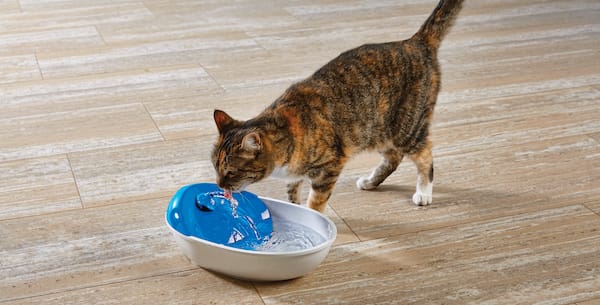
As a proud cat parent, you probably do your share of research into which foods offer the right balance of nutrition and which games will keep them mentally stimulated and physically fit. You might even invest in numerous bags of kitty litter to determine which they prefer. However, many owners overlook the importance of monitoring your cat’s water intake.
As descendants of desert animals, cats get most of their hydration from food in the wild. This adaptation resulted in a low thirst drive that domestic cats still carry. But water is essential, and your cat’s inborn tendency to avoid water can lead to dehydration.
Dehydration can be severe and lead to issues including elevated heart rate, lethargy, urinary issues and more. You should follow a few key steps to ensure this doesn’t happen to your feline friend.
Understanding how much water your cat should drink on average can help prevent dehydration. While your cat’s exact water needs will depend on several factors, including their size, activity level and health, a good rule is to aim for 3.5–4.5 ounces of water per day for every 5 pounds of weight.
The chart below is a good gauge of how much water your cat should be getting daily based on their weight:
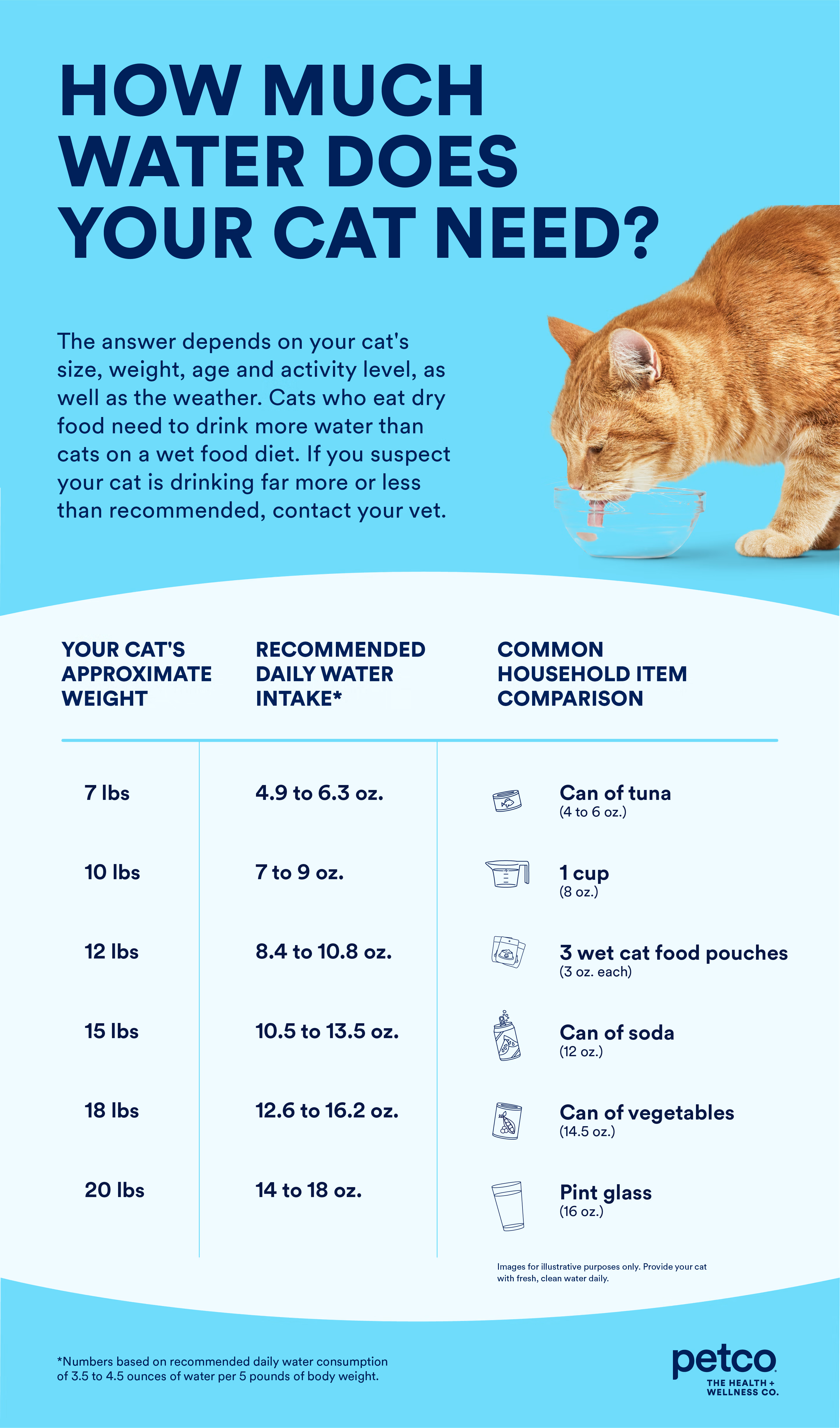
To stay healthy, your cat should drink multiple times per day—and if you are concerned they are not, it’s time for a trip to your vet. The longer you wait, the higher risk there is of long-term damage to their internal organs.
Once you know how much your cat should be drinking and your vet gives them a clean bill of health, try creative ways to help promote hydration.
- Change their water bowl location. Sometimes something as simple as moving a water bowl can make a big difference, especially if it’s in a high-traffic, noisy area or next to their food bowl (where it’s easier to get contaminated). Consider moving it to a more secluded location. You may also want to try a new type of bowl as some cats prefer different materials and shapes.
- Increase the number of water bowls around your home, especially if your household has multiple pets.
- Try a water fountain. Most cats love moving water. Rather than leaving your sink running all day to encourage drinking, consider a water fountain.
- Offer hydration through another source. You can support your cat’s daily hydration by adding wet food to their diet. Some formulas have a water content as high as 75%. However, if your cat is partial to their dry food, you don’t have to make a total switch to wet. Instead, consider adding a wet food topper to increase their water intake while still providing the dry food they enjoy.
- Put a little broth or fish oil in your cat’s water. The added flavor can encourage them to drink more. Consult with your vet to make sure the additive is compatible with your cat’s dietary needs, and change out the water frequently to prevent spoiling. Ensure you also have a bowl of plain water without any additives so your cat can choose.
Beyond just finding ways to help your cat stay hydrated, look out for signs of dehydration. Our cats don’t always show us when they aren’t feeling well, so it can be hard for pet parents to know if a cat is dehydrated. Pay attention to any potential signs, some of which can be subtle:
- Sunken eyes
- Lethargy
- Loss of appetite
- Dry mouth
- Depression or a general change in mood
- Elevated heart rate
- Skin that stays peaked when lifted
- Panting
- Not urinating
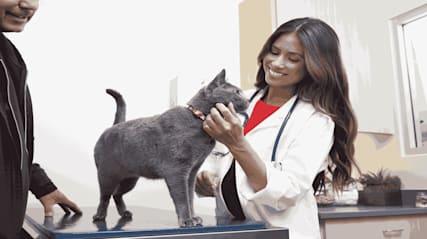
If you notice a drastic change in your cat’s drinking habits and simple environmental adjustments don’t make a difference, contact your veterinarian right away to rule out underlying issues.
Similar to drinking too little, drinking too much water can also be a sign of an underlying health issue. A cat who drinks too much is probably also urinating a lot, a condition called polyuria. You might notice urination outside the litter box or that you’ve been scooping a lot more litter than usual. Increased thirst can be a symptom of several underlying conditions, including anxiety, stress, diabetes mellitus, hyperthyroidism and chronic kidney disease.
If you notice your cat is taking in more than the recommended amount of water, it's a good idea to schedule a visit with your vet. They can help determine what your cat's excessive thirst might be linked to.
Raising a cat can be a true pleasure. From their playful antics to special time spent watching a movie, cats are an important part of our families. To help show them your love, monitor their water intake to support a healthy body.

My cat drinks water slowly. How can I help him get enough hydration?
My cat won't drink water after move. Is wet food enough for hydration?

How can I get my cat to drink more water to keep her kidneys healthy?
My cat only eats wet food and never drinks water. Is he hydrated?
My cat paws at water but won't drink and gets tired. Is he sick?
My cat only licks gravy from wet food. How to keep her hydrated?
My cat is dehydrated after sitter forgot water. Does he need a vet?
My stray cat eats dry food but won't drink water. Is she dehydrated?
How much water does a sick 8-week-old kitten need to avoid dehydration?
My 8-week kitten isn't drinking water. Is his intake sufficient? Tips?





Book an appointment with the pros – our expert vets are here to help.
