


Related Articles


What Your Cat's Skin & Coat Say About Their Health: Spot Issues
Published on September 15th, 2023
Updated on April 2nd, 2026


While your cat’s coat may be fluffy and perfect for snuggles, its condition can reveal a lot of important health information. Ideally, a cat’s fur helps prevent important elements like water and heat from exiting their body while keeping potentially harmful elements such as viruses and bacteria from entering. It also provides insulation and serves as an overall health indicator. Illnesses, diet, grooming, and environmental factors like the changing seasons can all affect a cat’s skin and fur. As a pet parent, you can support good health and help maintain a lustrous coat by providing a nutritious diet full of the protein, fat, vitamins, and minerals they need.
In general, a healthy cat has a shiny, smooth coat and skin that is clear and free of flakes, bumps, and grease. Since your cat’s coat and skin play such an important role in their overall health, it’s important to be aware of changes that could indicate an underlying issue requiring veterinary attention.
Identifying issues with your cat’s skin and coat
If you know what to look for when it comes to changes in your cat’s fur and skin, you may be more likely to seek out veterinary help early, before a minor issue turns into something bigger.
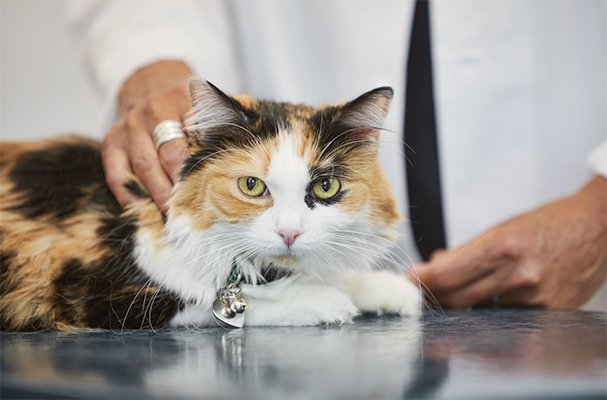
Watch for:
- Hair Loss: Hair loss from the back near the tail can be a sign of fleas. To detect fleas, combine a visual inspection of the skin and coat with the use of a metal flea comb designed to trap pests. Your veterinarian can advise you about the best products for battling a current infestation and devising a regular treatment strategy. If your cat seems to be losing hair because they are pulling or licking excessively, this could be a sign of a more serious issue; consult your veterinarian immediately.
- Excessive Shedding: Your cat’s breed determines their fur texture and how often they shed. While some seasonal shedding is normal, excessive shedding can be a sign of stress or illness. If your cat sheds more than normal, or you see clumps around the house or coming out during grooming, consult your veterinarian.
- Matting: Although cats are skilled at personal hygiene, most breeds require occasional grooming help. This is especially true for cats with medium or long fur. Fur can become matted from pressure (lying down) and in areas where movement causes friction, such as between the legs. Matted fur can prevent essential oxygen and moisture from reaching the skin, leading to dryness and irritation. If mats are small, you might be able to remove them with a mat comb. Otherwise, book an appointment with a professional stylist specializing in cat grooming.
- Lusterless or Brittle Coat: Proper nutrients are essential for keeping your cat’s fur healthy. If your cat lacks proteins, fats, vitamins, and minerals, their coat may suffer. A well-balanced commercial cat food should contain the right balance of these nutrients. However, a brittle coat could also signal an underlying issue. Contact your veterinarian if you have questions about your pet’s diet or coat condition.
- Dry Skin: While your cat’s coat and skin change over time—and dry skin is common in kittens—it can also indicate health issues like inadequate nutrition, gastrointestinal parasites, or external parasites like mange. If dry skin isn’t easily corrected with an over-the-counter product such as a moisturizing conditioner, a trip to the veterinarian can help identify the underlying cause.
- Patchy, Discolored Skin: If your cat is ill, their skin may change color or appear dry and patchy. Check with your veterinarian if you notice this specific change in appearance.
- Flaky or Scabby Skin: Pests like fleas can cause flaky or scabby skin, as can allergies and environmental sensitivities. You can try an over-the-counter treatment for fleas, but if you suspect allergies, consult with your veterinarian for advice and testing.
- Itchy Skin: Itchy skin has many potential causes, including flea bites, dry skin, environmental sensitivities, or food allergies (beef, fish, chicken, eggs, corn, wheat, soy, and milk). If you believe your cat is having an allergic reaction, consult your veterinarian. For dry skin, they might recommend a supplement or an oatmeal shampoo formulated to ease irritation.
How to keep your cat’s skin and coat healthy
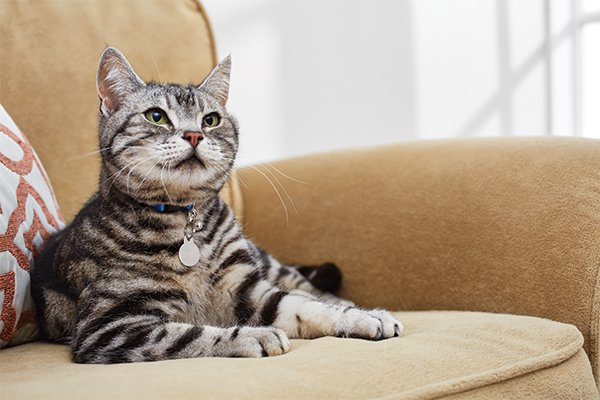
Regular grooming with the proper tools is an essential step in keeping your cat’s fur and skin healthy. Regular brushing helps spread essential natural oils throughout the skin and removes loose dirt and stray hairs. It also gives you a great opportunity to check for abnormalities or injuries.
If you need expert input on your cat’s coat and skin health—whether via regular grooming sessions or a trip to the veterinarian to determine underlying issues—Petco has you covered.
How can I make my cat's fur look fluffy, shiny, and healthy?

How to help my cat with dry, flaky skin and improve coat health?
Why is my cat's coat greasy, nails brittle, and paws dry/callused?
My cat has bald spots and short hair patches. Why is this happening?
Why is my senior cat's fur separating and clumping on her head?
What to do for my senior cat's new dry, patchy skin on her back?

Alarming spots on my cat's neck and belly: Is it diet or vet time?
My cat's losing big hair patches with skin attached. What's happening?
My cat has dry skin and flakes. Should I change her GI diet or add supplements?

My cat has dandruff, hair loss, and bites. What topical helps?





Book an appointment with the pros – our expert vets are here to help.
