


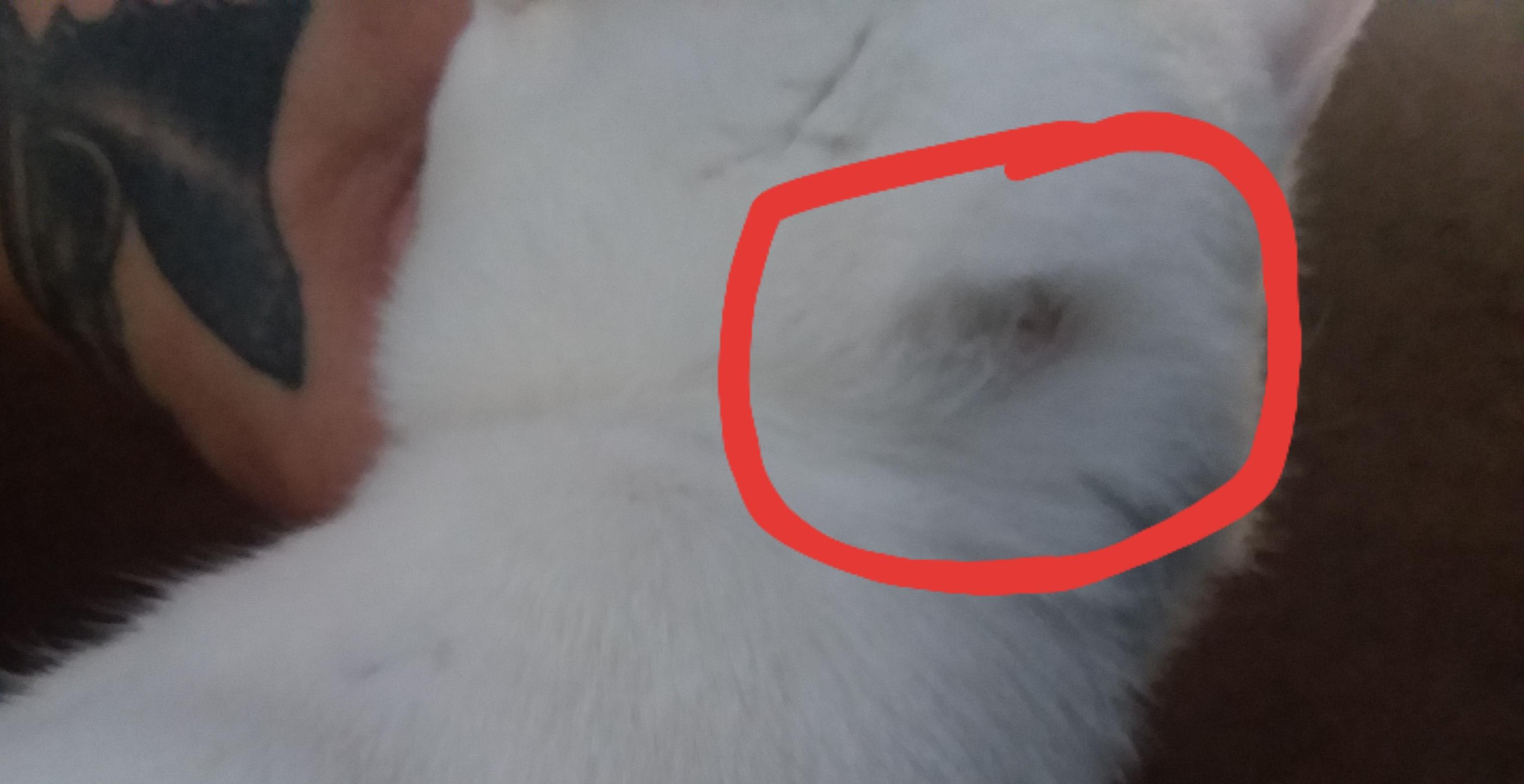
My cat is scratching her neck raw and losing fur. What can I do?
Updated On September 23rd, 2025
Pet's info: Cat | Mixed Breed | Female | unspayed | 5 months and 11 days old | 4 lbs
My cat has been excessively scratching her neck and she's losing hair, what can I use to help with the itch?


2 Answers
Most Helpful Answer

Published on October 16th, 2018
Poor girl. The most common two causes of itching in cats are allergies and skin parasites. Cats can be allergic to food, the environment, or fleas. No matter what the original cause was, after they start scratching, it can lead to a superficial skin infection with bacteria and that infection itself also causes itching! I would recommend starting with a vet visit to make sure she doesn't need antibiotics, and to do a "skin scrape" (a quick and painless sampling of the surface of the skin under the microscope for mites), and then talk about various possible allergies and treatments. Good luck!

1Pet Parents found this answer helpful
Other Answers
-
Published on November 6th, 2018
My first guess would be fleas, followed by allergies, and then, much less likely, a more serious immune or primary skin issue. Some cats react to flea bites like a human with a bee allergy -- meaning one bite could cause a full body reaction and you'd never see any fleas on her. She's also a common age for food or flea allergies to start showing up. Both causes cause itching and discomfort and can lead to secondary bacterial infections, which are very itchy as well. The first step is a vet visit to make sure she doesn't need antibiotics for her skin, and getting her started on a quality flea preventative. The vet may need to test for other things depending on exactly what her skin looks like. And then, if nothing else comes up, discussing allergies. There are many many different ways to approach allergies and it always takes months or years of trial and error, so keep working closely with your vet if you end up going down that route. I hope that helps get you started!
1Pet Parents found this answer helpful


Book an appointment with the pros – our expert vets are here to help.
