


Why does my dog have urine sludge and chronic foot and skin problems?
Updated On September 23rd, 2025
Pet's info: Dog | Whippet | Female | spayed | 8 years and 5 months old | 34 lbs
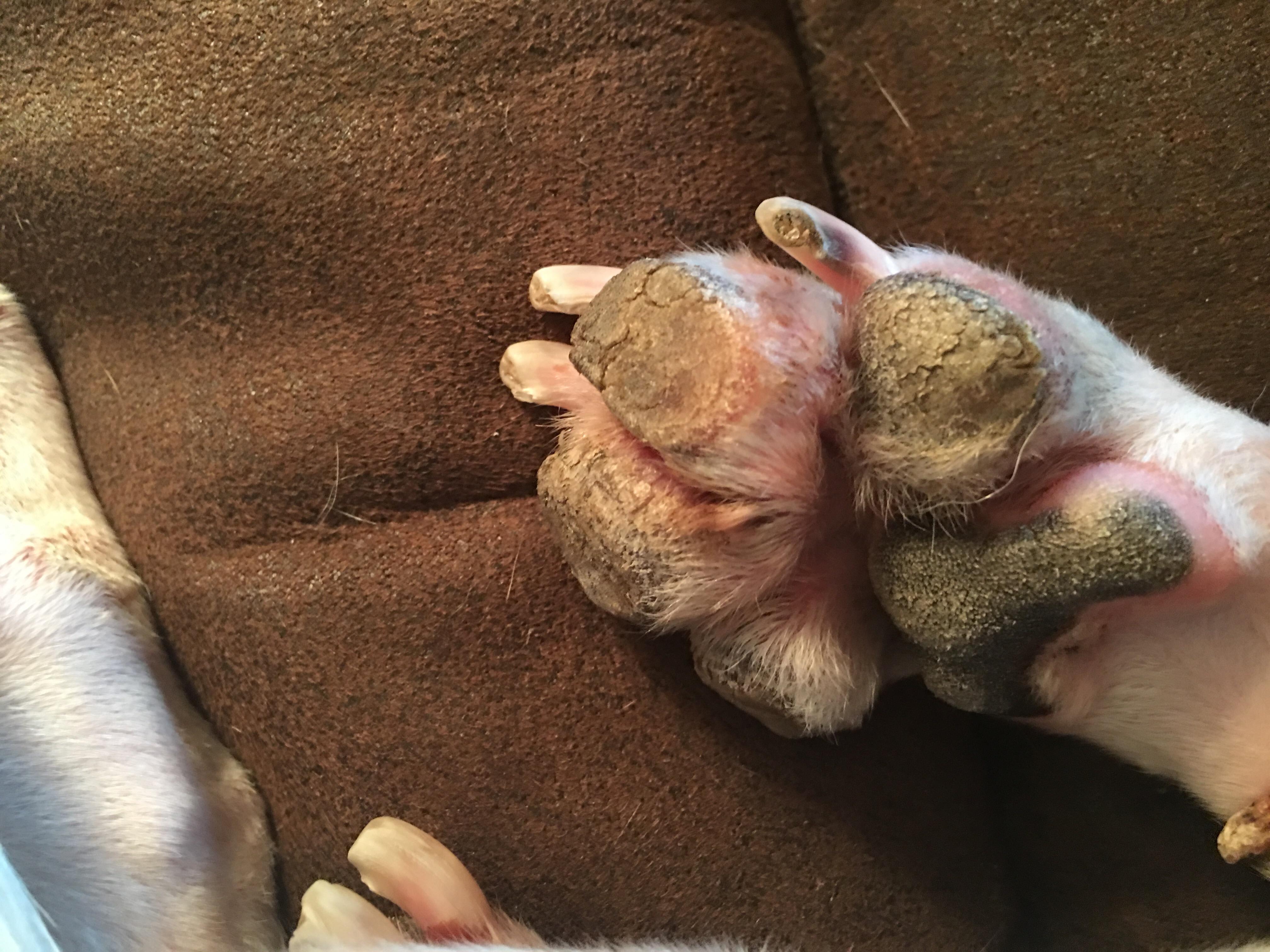
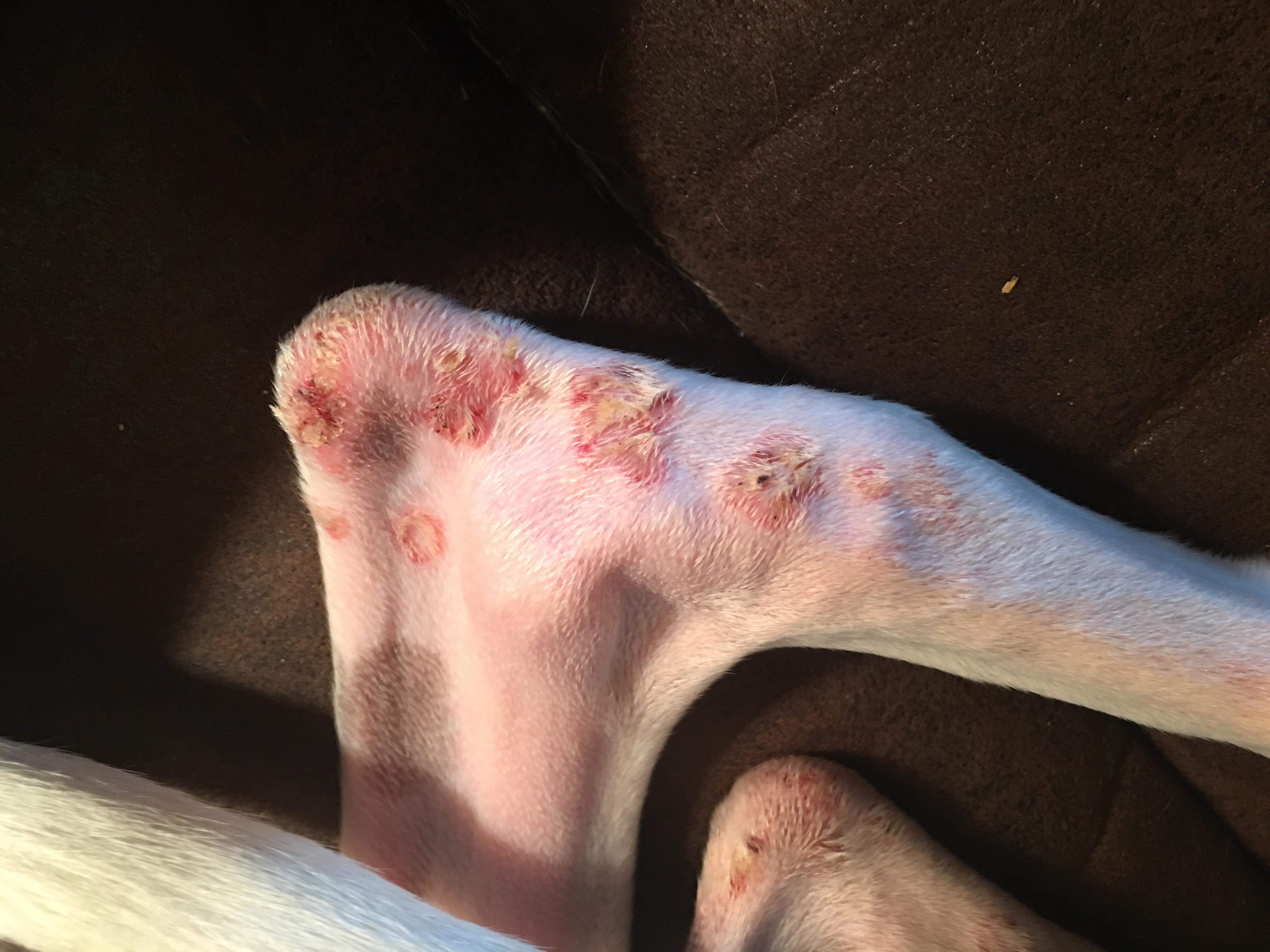
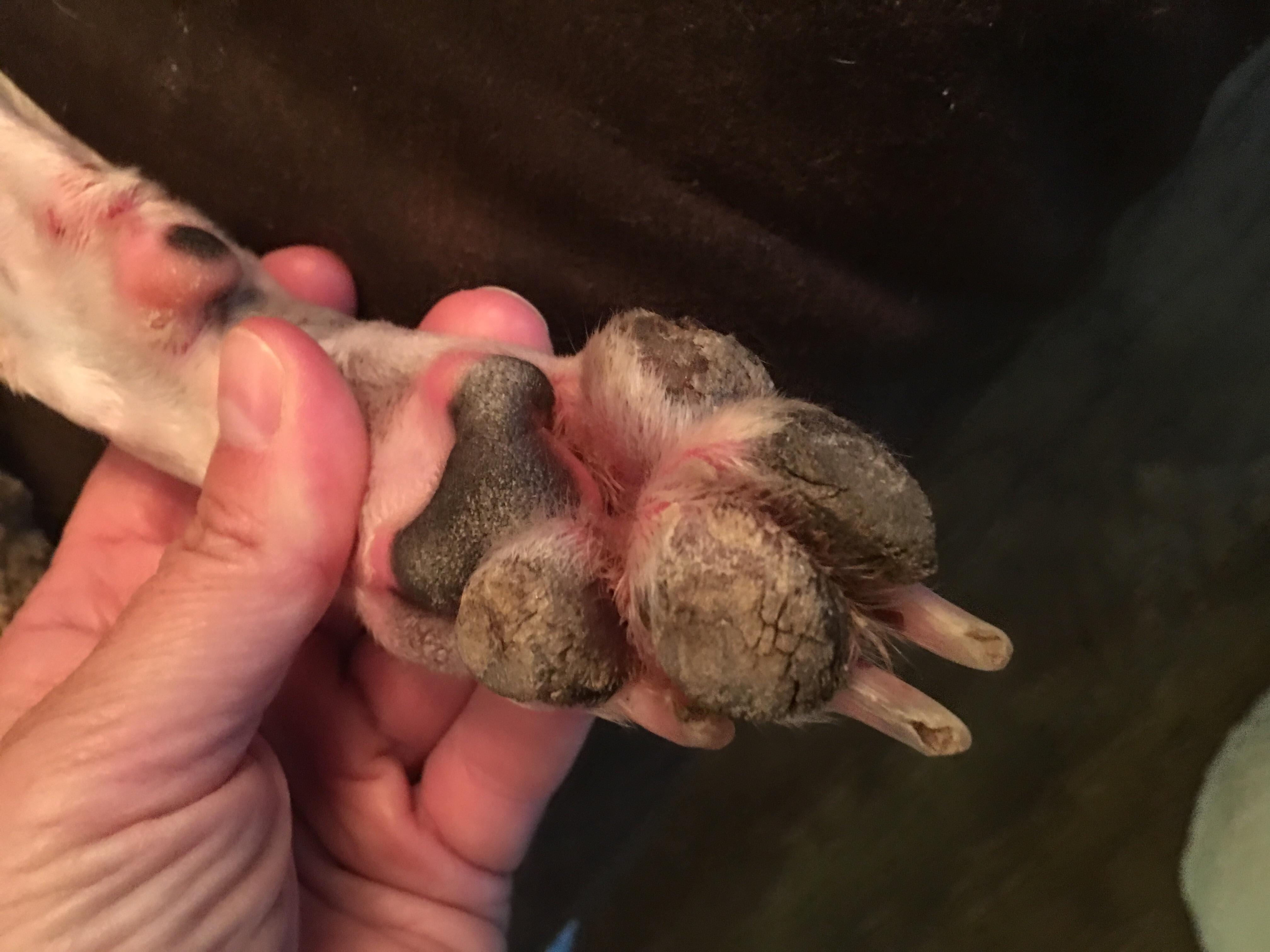
My dog has sludge in her urine-psuedonomis on her feet and legs- papillomas in her mouth- her liver enzymes were in the 700's now down in the 100's her bile acids test are normal, neg for lupus, her feet are awful. Her urine is dark - subq fluids seem to help get her urine lighter yellow but it still has sludge in it. Thyroid on low side of norm She's on Cipro 375mgday soloxine .5mg daily- med shampoo every other day for her feet and legs - I've done a/c vinegar soaks to debride feet & clorhexad


1 Answer
Most Helpful Answer

Published on August 26th, 2017
I'm sorry to hear that Lucy is having so many problems. It appears that you ran out of space for your question - it is limited to 500 characters - so I will attempt to give a few thoughts based on the info you provided. Urine sludge: this is not exactly a medical diagnosis. The concentration of urine varies with hydration levels and kidney function. If your vet is concerned about crystals which could form into stones, then increasing water intake to flush the bladder out would be helpful, along with a prescription vet diet. Pseudomonas can be a very difficult to treat as it is often resistant to common antibiotics. I have had the most success with topical treatment instead of oral antibiotics for this particular bacteria. Sometimes a medicated shampoo like Dechra MalAcetic Ultra Shampoo or topical ointments (many that are made for ear treatment can be used on the skin) that can be prescribed by your vet. Has your vet considered a previous infection with Canine Distemper Virus to be the cause for the thickening of the pads? This could also be a response to the papilloma virus. Papilloma virus will often resolve in several months as the immune system fights it off. Your vet may want to look into reasons that the immune system is suppressed. Also, long-term use of steroids can cause decrease in healing and immune function. Supplements like antioxidants (I like Cell Advance 880) and pet probiotics can support the immune system. You may also look into veterinary acupuncture as another immunsosupportive method. As for the skin, I would recommend bacterial and fungal cultures, and they may need to be done on a deep biopsy rather than a topical sample. It can be hard to help you just through a simple question. If you would like to discuss Lucy's case further, choose a Petco Pet Education Center, formerly Petcoach Consultation where we can chat back and forth about other options to discuss with your vet. Don't forget that referral to a Board Certified Veterinary Dermatologist is always an option.

1Pet Parents found this answer helpful

Florence has been suffering with vulva dermatitis for about 6 months now. We have tried antibiotics for both bacterial vaginitis and uti and it did not help. We also are bathing with medicated shampoo every 2-3 weeks. Still no help. She is living in
13 year old small lab mix gnawing at one location on her back/butt over the last few days. I checked the area and there are black and white scabs around the area. It could be unrelated but for the last year touching her back makes her hind legs buckl

My dog has a number of recurring health issues: Urinary infections and incontinence, dermatitis and skin infections, abscess on one paw, stomach issues, vomiting, low immune system (always has something wrong). He's been on a number of antibiotics &
My dog is a bichon frise and has been acting quite strange lately. She's been yelping every time she goes to sit and move in any way. We gave her extra strength cosequin and that seemed to help a lot, but she still hasn't eaten or moved around very m
So, my dog has a heart murmur which we are having checked out soon, hotspots, huge itchy whelps, and after she pees once she squats several more times only dripping small amounts. She is allergic to fleas but doesn’t have any currently because she is
Ellie our puppy isn't doing so good she has dermatitis and gets urinary tract infections on and off we bring her to the vet pretty often but we just can't afford it anymore we have no money to bring her at all we've been trying all natural stuff but
The dog has been sick for two months. The cause is urine leakage, standing up and not urinating. It can urinate when it relaxes. We took him to a pet doctor. The doctor said there were kidney and liver problems. Here's our baby's examination report.
My pet has 116 mg/dl of BUN and 5.9 mg/dl of creatinine . We restricted her protein diet and trying to give her ice cream and potato, rice but she is not taking anything from past 1 day. Its a very tough situation for us as we read that if creatinin
Sm female extremely dry skin hair loss peeing in her sleep

My dog is about a year old rarely has accidents inside (and definitely not in front of me) Last night, she peed in the bed, this morning she peed in the living room twice on my way to take her out and then outside she kept acting like she had to pee
Book an appointment with the pros – our expert vets are here to help.
