


My senior dog is sneezing and congested. When should I see a vet?
Updated On September 23rd, 2025
Pet's info: Dog | Mixed Breed | Male | neutered | 10 lbs
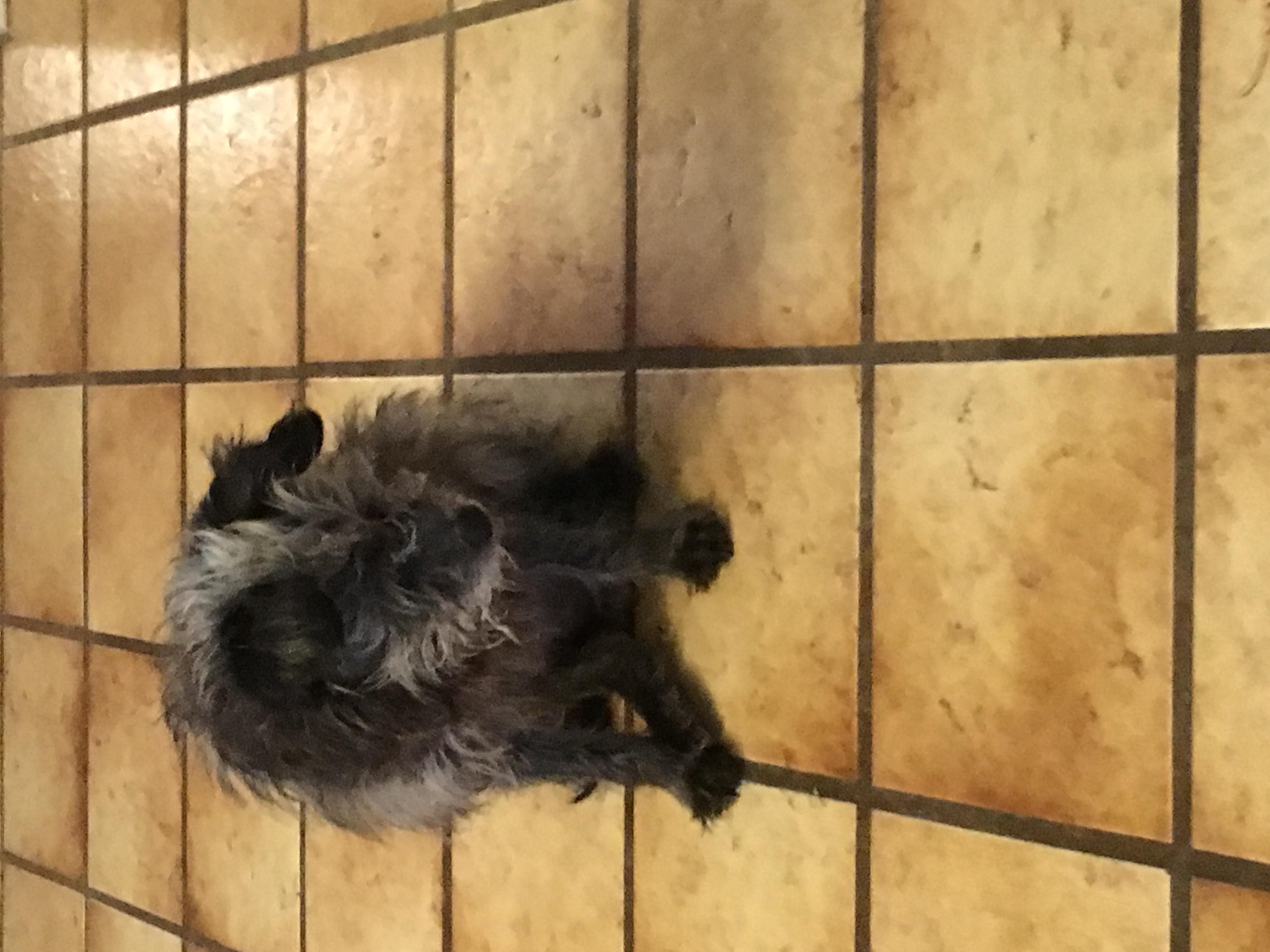
My little blind terrier about 16 years old this morning started sneezing, to include backwards breathing and I could hear congestion in his nose like he has fluid and in his chest. He is kept inside always and at night covered in a blanket. We only let him outside periodically to do his business. He is now sleeping soundly no sounds. I did not notice this yesterday. How could his symptoms change so quickly? Should I be concerned & seek professional care now or watch him for the next few days?


2 Answers
Most Helpful Answer

Published on April 28th, 2017
Tiny Tim is a little old man and just like in people old dogs can get congestive heart failure. Having fluid in his chest, coughing at night while sleeping, exercise intolerance can certainly point towards such a congestive condition. Of course he could also have contracted an upper respiratory infection or inhaled a foreign body that is now stuck somewhere in the upper airways. You should take Tiny Tim to your veterinarian for a geriatric exam. A respiratory infection is usually treated with antibiotics and sometimes anti-inflammatories, A foreign body needs to be found and removed, and if a heart condition is diagnosed, he will be prescribed diuretics and medication to help the heart do its job more effectively. Your vet will want to do blood tests and an x-ray of the chest.

1Pet Parents found this answer helpful
Related Answers from Veterinarians
-
Published on
From your description, it sounds as though Tiny Tim may have been reverse sneezing, which can sound horrible! It is caused by an irritation at the back of the throat and rather than pushing air out like a typical sneeze from irritation in the nasal passages, a reverse sneeze causes dogs to inhale air and experience a brief throat spasm. This is a normal and benign issue that generally only lasts for a minute or two before stopping. If Tiny Tim has since been breathing normally without any extra respiratory effort and has not had other episodes of coughing or sneezing, continue monitoring him for changes. If you have otherwise noticed coughing, sneezing, or extra effort for him to breathe, he should be evaluated by his vet. I hope that all goes well!
1Pet Parents found this answer helpful


it started as sneezing and he slams his nose into the flour when he does, and he ended up busting his nose and I try to keep him on padded surfaces now but as his nose stopped bleeding he started having an awful "buger whistle" if he pants or takes d

my senior dog was fine two days ago. now she is coughing and sounds like she is congested. she spits up stuff sometimes but not all the time. she is lethargic but wasnt like that a couple of days ago. she stumbles when she tries to walk

My 12 year old cocker spaniel suddenly started a sneezing fit last night, to the point where her nose was slamming the ground over and over. Her breathing sounded rough all night but as long as she laid still it calmed down. When she would try to m
My 11-year old Cardigan Corgi has had congestion for a week after we got home from a multi-state road trip. I hear it only in evenings when she is laying down for sleep. Sounds like she needs to blow her nose. Occasionally she will sneeze. I don'

My 14ur old dog sounds like he can’t breathe very noisy breathing, he sounds congested but only has mucus when he sneezes and it’s like a jelly n seems sticky, his eyes run and are sometimes gooey, n his nose runs when outside and make him sneeze bu

I have a senior boxer I took her for a walk and the weather has changed from warm to cold my concern is she been coughing it a hard/ harsh cough like when we have sever chest congestion trying to get the flim out or I gave her a breath treat sat out
My dog's sneezing a lot in the morning and sounds congested. She's taking vetmedin and is abt 10 or 11 lbs. Not sure if its cold or allergy, but looks like she only does it early in the morning and she moves arpund ans it gets better throughout the d
My dog is 16years old she she is not able to breathe properly it seems as if something is stuck in her and she cough quite often. Took her to the vet they did xray and told there is some congestion in her lungs. Someone advised me Immunocal and told

I have a jack russel about 12 years old and lately shes been coughing really bad..Shell be laying down coughing and sounds like she has trouble breathing...its a hacking type of cough.. she is a little overweight i dont know if that may be a reason w
My dog sounds congested like many of us humans get this time of year. The vet isn't open until Friday is there anything I can do to relieve the congestion and constant sneezing?

Book an appointment with the pros – our expert vets are here to help.
