






Petco Text Logo
Petco Pet Logo
Jump To Section

    About Turkish Angoras


    Turkish Angora Appearance

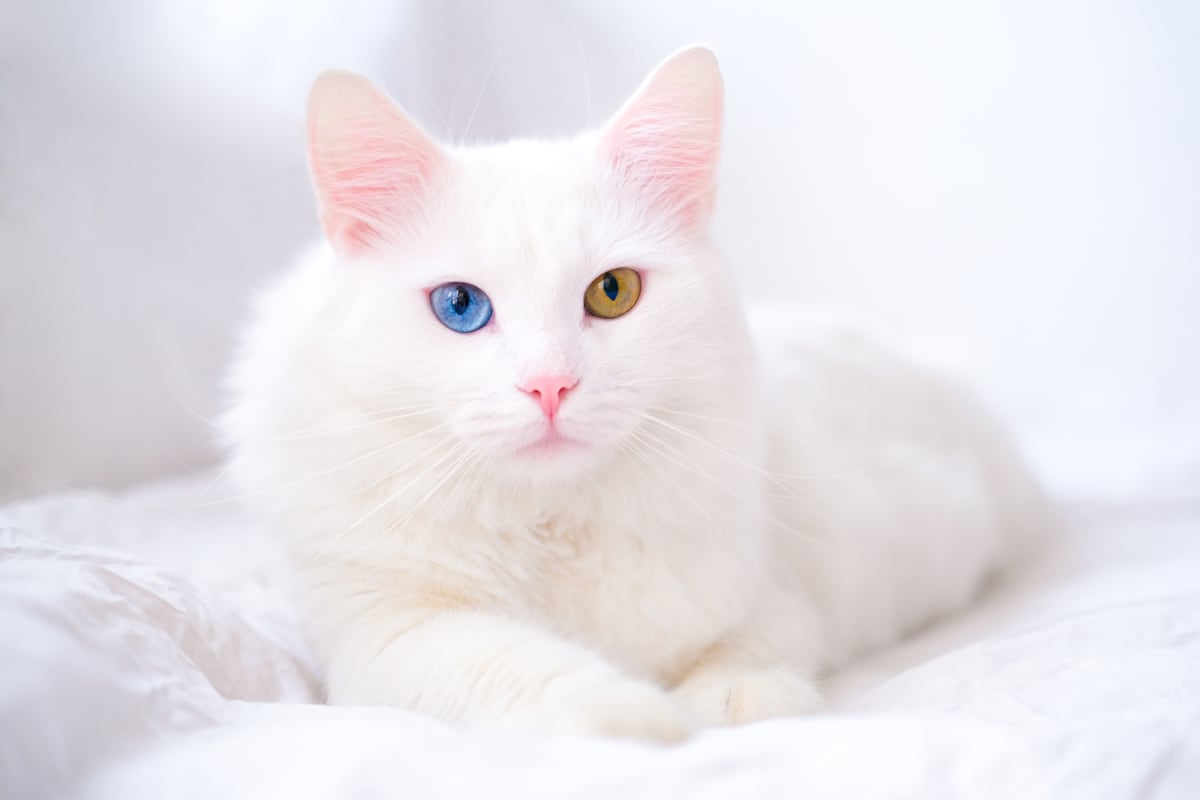
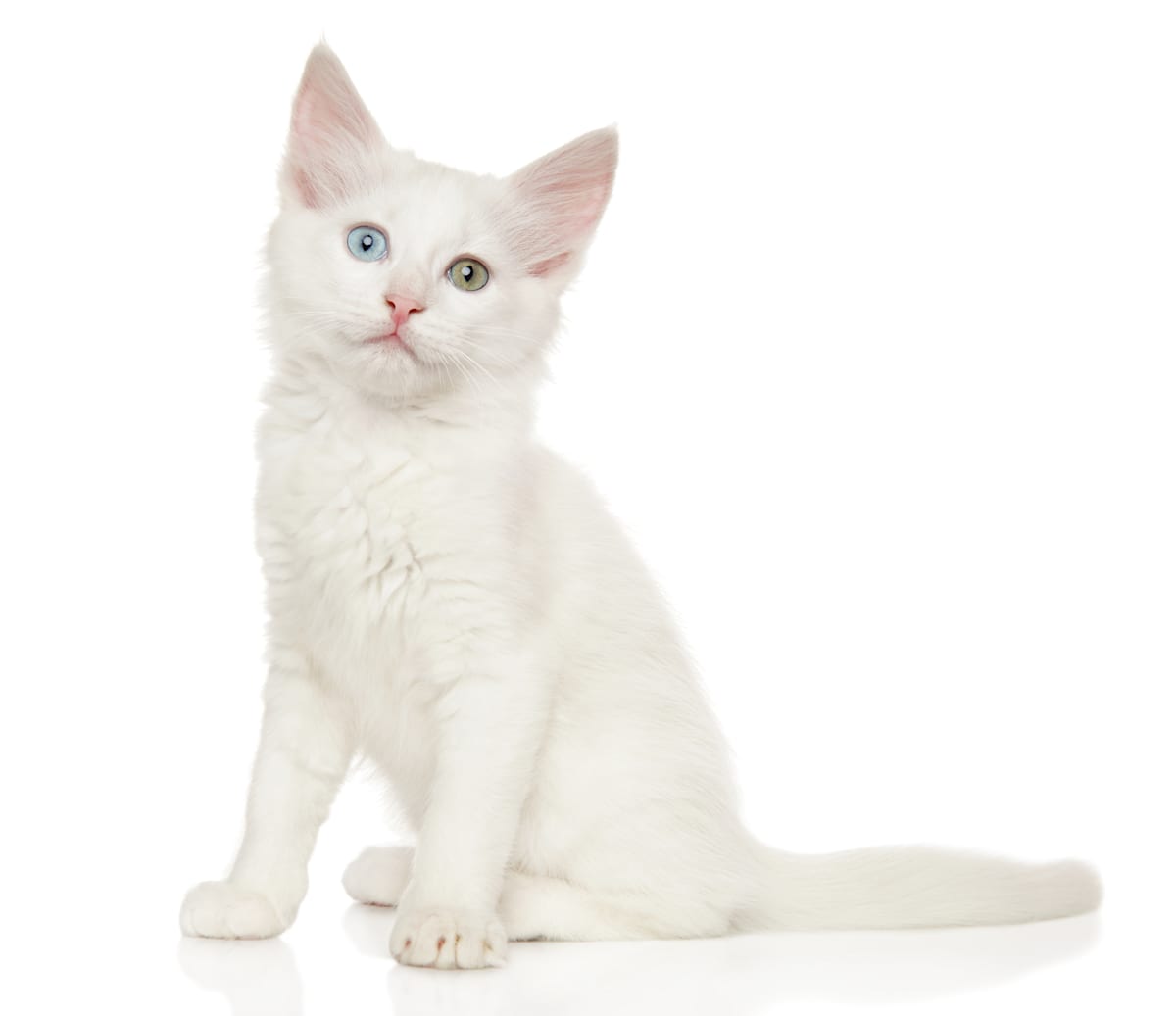
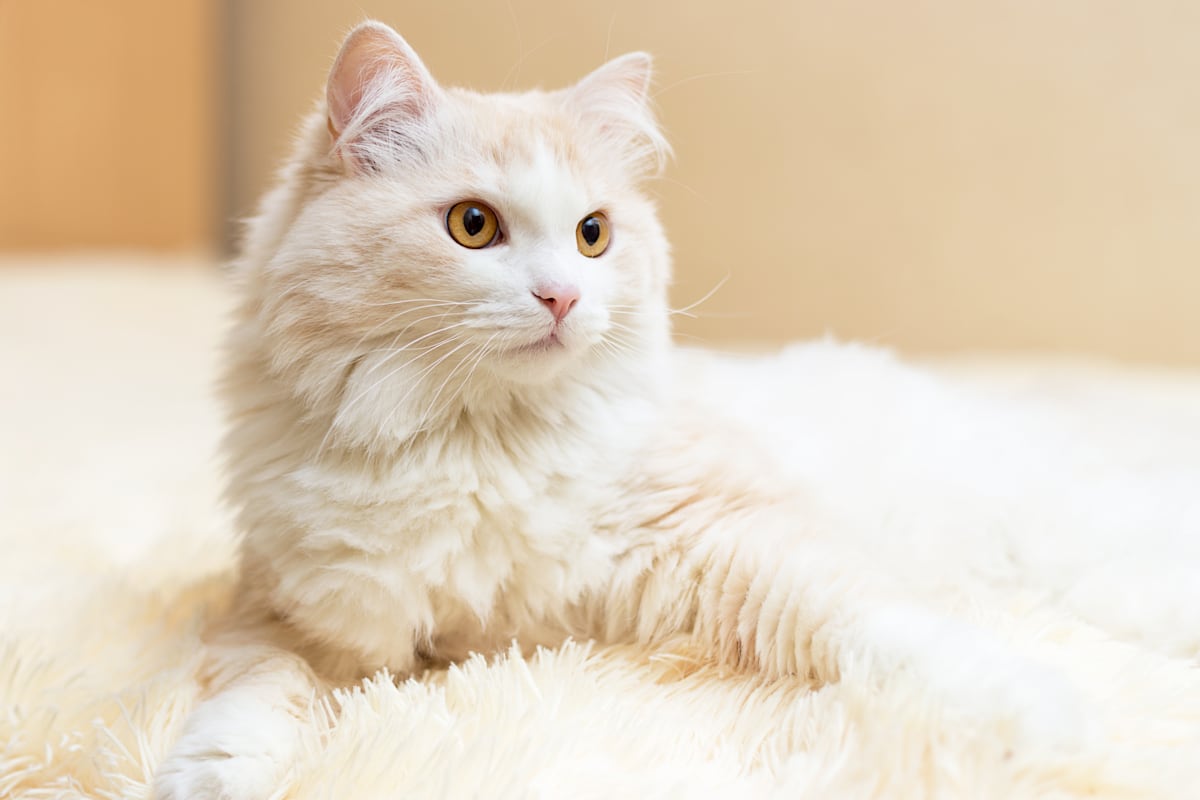
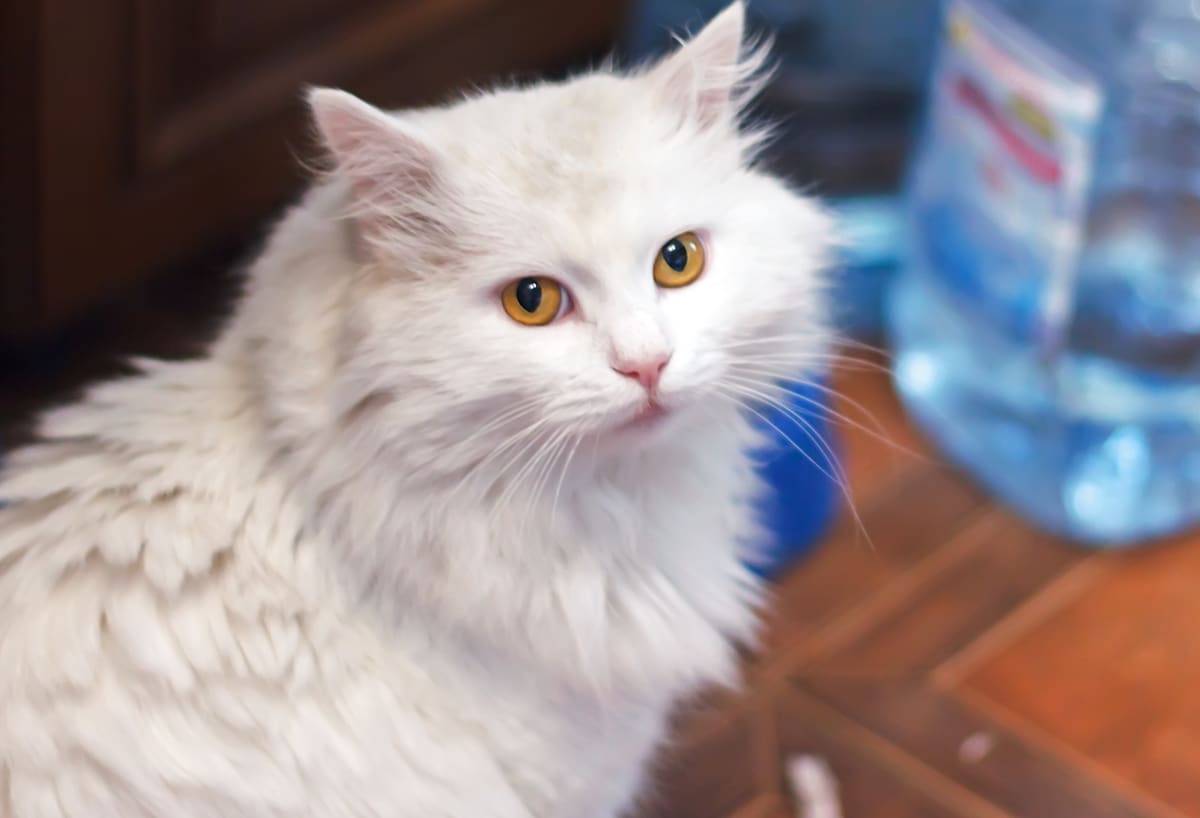
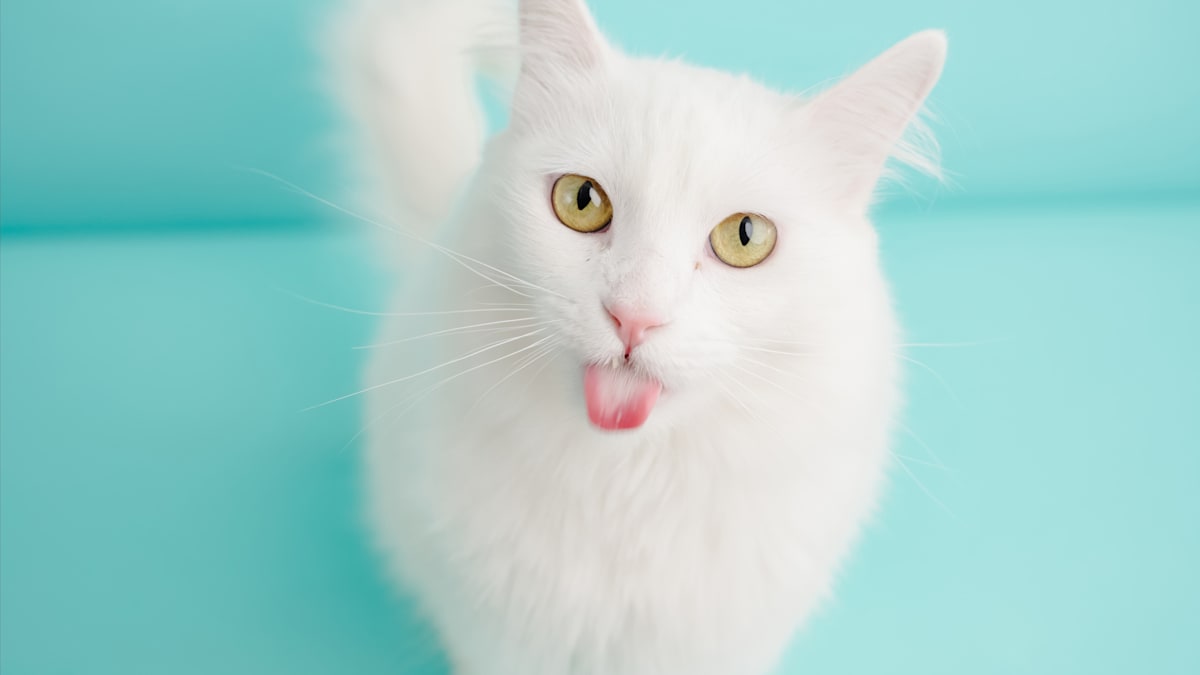
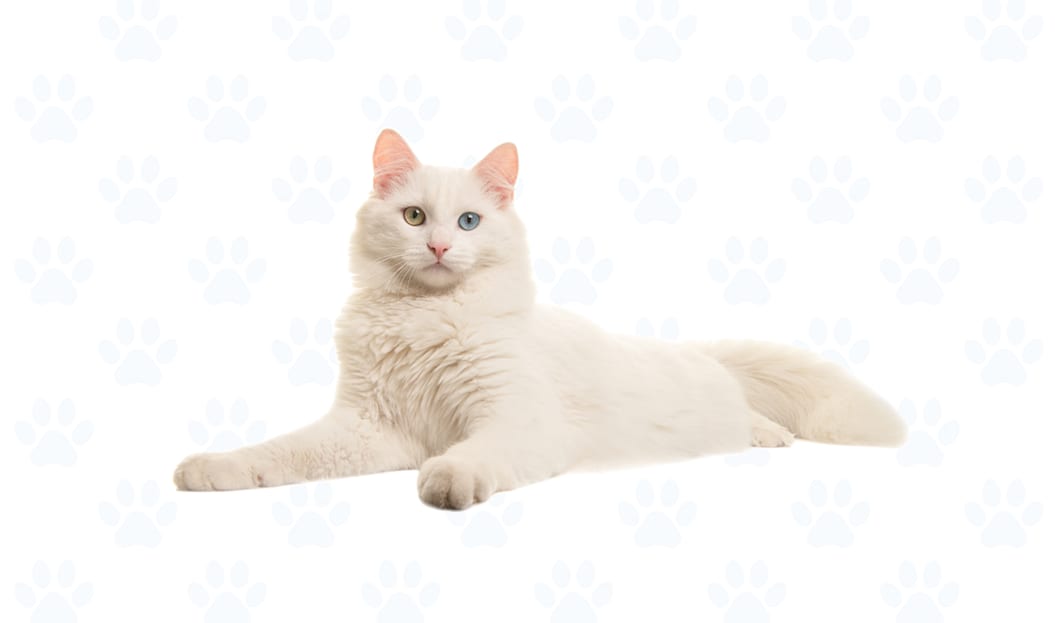
    According to the Cat Fanciers’ Association (CFA), the Turkish Angora is accepted in all colors and patterns, including white, black, blue, red, cream, silver, smoke, tabby, tortoiseshell, bi-color, and more. While solid white is historically the most well-known, CFA standards do not restrict color or pattern in competition, allowing for wide natural variation within the breed.


    Overall, the Turkish Angora is a graceful, muscular cat with a single, silky long coat and an elegant plume-like tail. Despite their refined appearance, they are athletic and agile, combining beauty with strength and balance.

    Size & Weight

    The average Turkish Angora weighs between five and nine pounds. They may stand 8-10 inches tall at the shoulder.
    Full Grown
    Female
    8 in. / 5 lbs.
    Male
    10 in. / 9 lbs.
    Height bar
    Female Pet
    Height Figure
    Male Pet
    Height is measured up to the shoulders.

    Turkish Angora Characteristics

    Size

    Tiny

    Jumbo

    Weight

    Light

    Heavy

    Shedding

    Minimal

    Abundant

    Coat Length

    Short

    Long

    Grooming Frequency

    Occasional

    Frequent

    Living Space

    City apartment

    Ranch

    Exercise

    Couch potato

    Bring it on!

    Climate

    Warm

    Cold

    Personality

    Antisocial

    Outgoing

    Behavior with Kids

    Always monitor

    Babysitter

    How to Care for a Turkish Angora

    The Turkish Angora is no wallflower, that’s for sure. Described as energetic, adaptable and loving, Turkish Angoras are often considered dog-like in nature since they love to play and generally do well with other animals. Turks are friendly to loved ones and strangers alike and are likely to be front and center in the home, even when company arrives. The Turkish Angora also adapts readily to different environments, says Beaudry, making themselves right at home in busy households with lots of activity or fitting right in to quieter households.

    Coat & Grooming: The Turkish Angora has a well-recognized long coat that likely developed over time in the mountains of Turkey. Although their coat is long, it rarely mats and requires minimal grooming. That said, combing your Turkish Angora once or twice a week will help to remove loose hair and keep the coat looking its best.

    Shedding: The Turkish Angora sheds no more than the average cat, although they may require frequent grooming during the summer months when they tend to shed more frequently.

    Life span: The average Turkish Angora lives between 12 and 18 years.

    Inherited Health Issues: All breeds of cats can experience certain health conditions at an increased incidence or due to genetic causes, and the Turkish Angora is no exception. Responsible breeders typically perform a variety of screening tests prior to breeding in an attempt to decrease the incidence of these conditions within the breed. These conditions may include, but are not limited to, the following: Neonatal isoerythrolysis and Heterochromia.

    Preventive Care: The Turkish Angora is generally a healthy breed, but it is still important to maintain regular wellness visits to a veterinarian. These physical exams are useful in detecting subtle changes that can result in the prompt diagnosis and treatment of medical conditions. Like all cats, a Turkish Angora should receive regular flea, tick and heartworm preventives.


    A Turkish Angora is more likely to be born with heterochromia, or differently colored eyes. This condition rarely poses any cause for concern, but does provide a unique appearance.

    With proper diet and exercise, a Turkish Angora can maintain a healthy body condition. However, overfeeding or insufficient exercise can rapidly result in unwanted weight gain. It is important to offer portion controlled meals of a high quality, balanced diet, while avoiding table scraps or excessive quantities of treats.

    Daily Consumption: An adult Turk eats 1/4 to 1/2 cup of dry food per day

    Energy Level: Frisky, energetic breed that is always ready for action

    Exercise: Although they appear delicate, the Turkish Angora is an active, muscular breed that enjoys playing, running and jumping. It’s not uncommon to find your Turkish Angora in high-up places, so be sure to keep anything breakable or unsafe locked away.

    Climate: The breed likely originated in the mountains of Turkey and their coats have acclimated appropriately to keep them warm.

    Cost of Owning

    The average cost of owning a Turkish Angora is $950 per year.
    $300
    Vet Care
    $200
    Grooming & Boarding
    $250
    Food & Treats
    $200
    Other

    Unlock exclusive rewards with Vital Care, or enjoy up to 35% off essentials when you subscribe with Repeat Delivery.

    Enjoy exclusive rewards every time you shop. Get member-only deals, points, and special offers designed to help you save more on what your pet needs.

    Never run out of the essentials. Subscribe and get your pet’s favorites delivered on schedule—with up to 35% off plus the convenience of automatic refills.

    Your love story starts here.

    Find adoptable pets near you with a simple search.

    Fun Facts

    The Turkish Angora is considered a national treasure in Turkey, with origins tracing back to the mountainous regions of the country. Historical records suggest the breed has existed since at least the 16th century, making it one of the oldest natural cat breeds in the world.

    The Turkish Angora is considered a national treasure in Turkey, with origins tracing back to the mountainous regions of the country. Historical records suggest the breed has existed since at least the 16th century, making it one of the oldest natural cat breeds in the world.

    By the early 1900s, Turkish Angora breed was close to disappearing. A dedicated preservation program at the Ankara Zoo in the 1950s helped revive the breed, carefully protecting its distinctive traits and ensuring its survival.

    By the early 1900s, Turkish Angora breed was close to disappearing. A dedicated preservation program at the Ankara Zoo in the 1950s helped revive the breed, carefully protecting its distinctive traits and ensuring its survival.

    Turkish angora cats love their pet parents and usually prefer companionships, rarely choosing to spend a majority of their time alone. This breed makes a great addition to a pet-loving home.

    Turkish angora cats love their pet parents and usually prefer companionships, rarely choosing to spend a majority of their time alone. This breed makes a great addition to a pet-loving home.

    Despite being described as delicate, the Turkish Angora is a strong, agile cat with a surprising athletic streak. Their silky coat and plumed tail add to their refined appearance, while their playful, energetic nature keeps them constantly on the move.

    Despite being described as delicate, the Turkish Angora is a strong, agile cat with a surprising athletic streak. Their silky coat and plumed tail add to their refined appearance, while their playful, energetic nature keeps them constantly on the move.

    History

    Turkish Angoras have a fabled history. Believed to have originated in the mountains of Turkey, they are considered a national treasure there. The breed can be traced back to the 16th century, but by the early 1900s, they were nearly extinct. In the 1950s, a breeding program was developed at the Ankara Zoo in Turkey in an effort to revive the cats, and it was there that American servicemen discovered the breed and became enthralled. The first Turkish Angora made an appearance in the U.S. in 1954, but it wasn’t until the mid-1960s that they became more well-known stateside.
    Read More

    Sponsored