











Petco Text Logo
Petco Pet Logo
Author Profile Photo
Written by Cheryl Lock

About Siberian

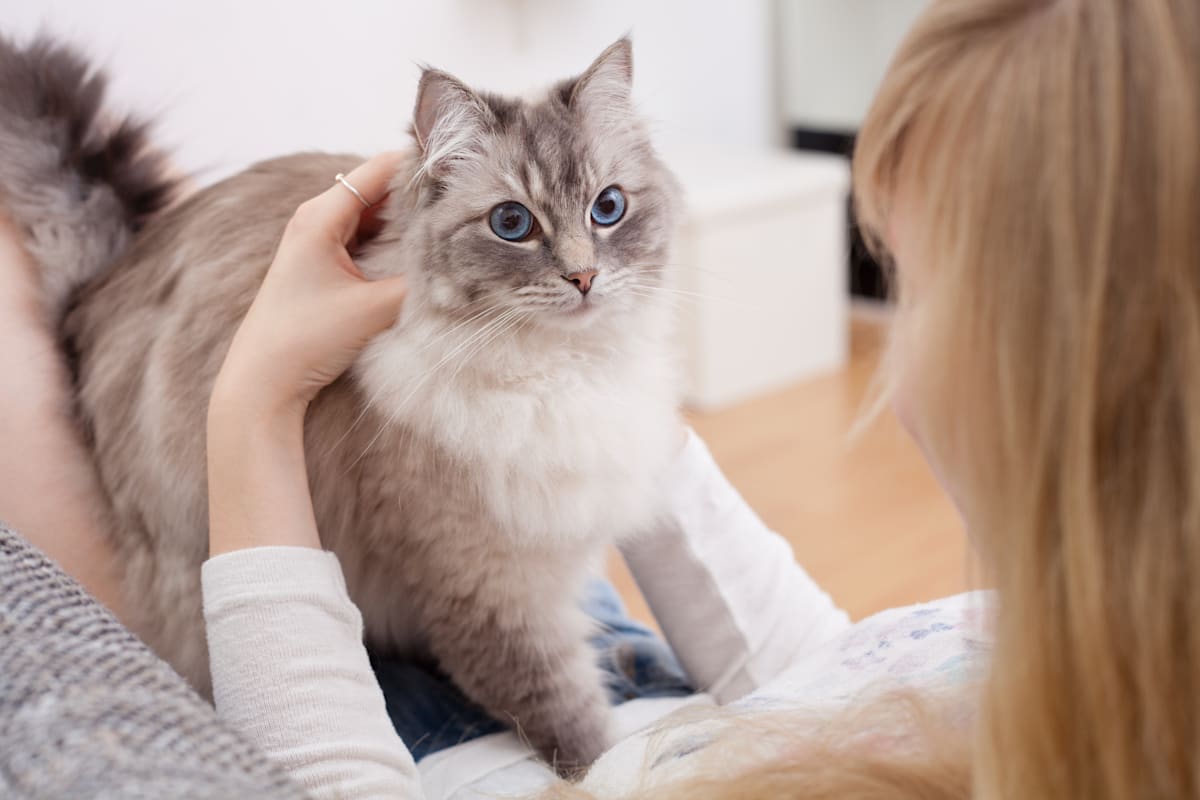
An energetic, friendly and affectionate breed, the Siberian loves cuddling in your lap and playing a game of fetch equally. Although they are very athletic and are apt to perch on top of your tables, counters and fridge, they are also easily trained to avoid this habit.


Origin: Russia   

Petco Pet Education Center

General appearance

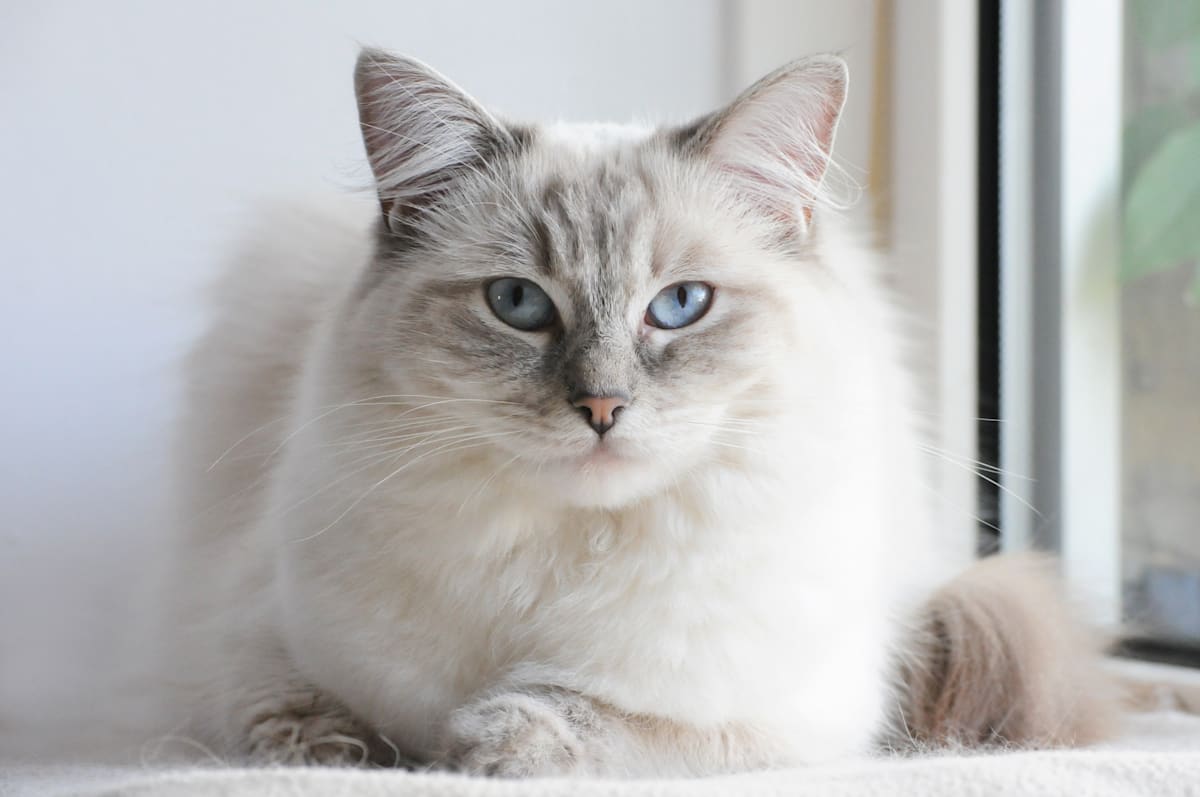
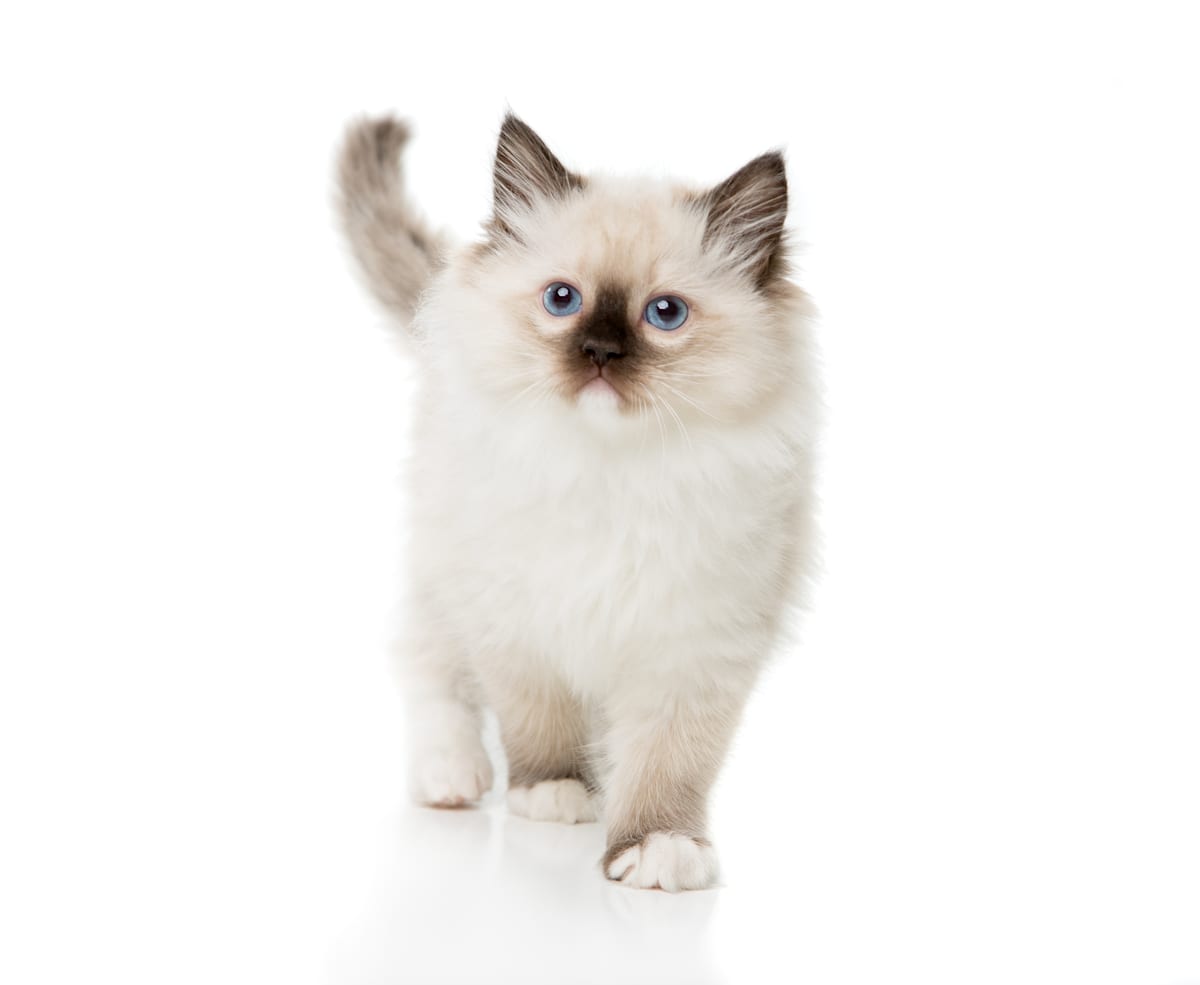
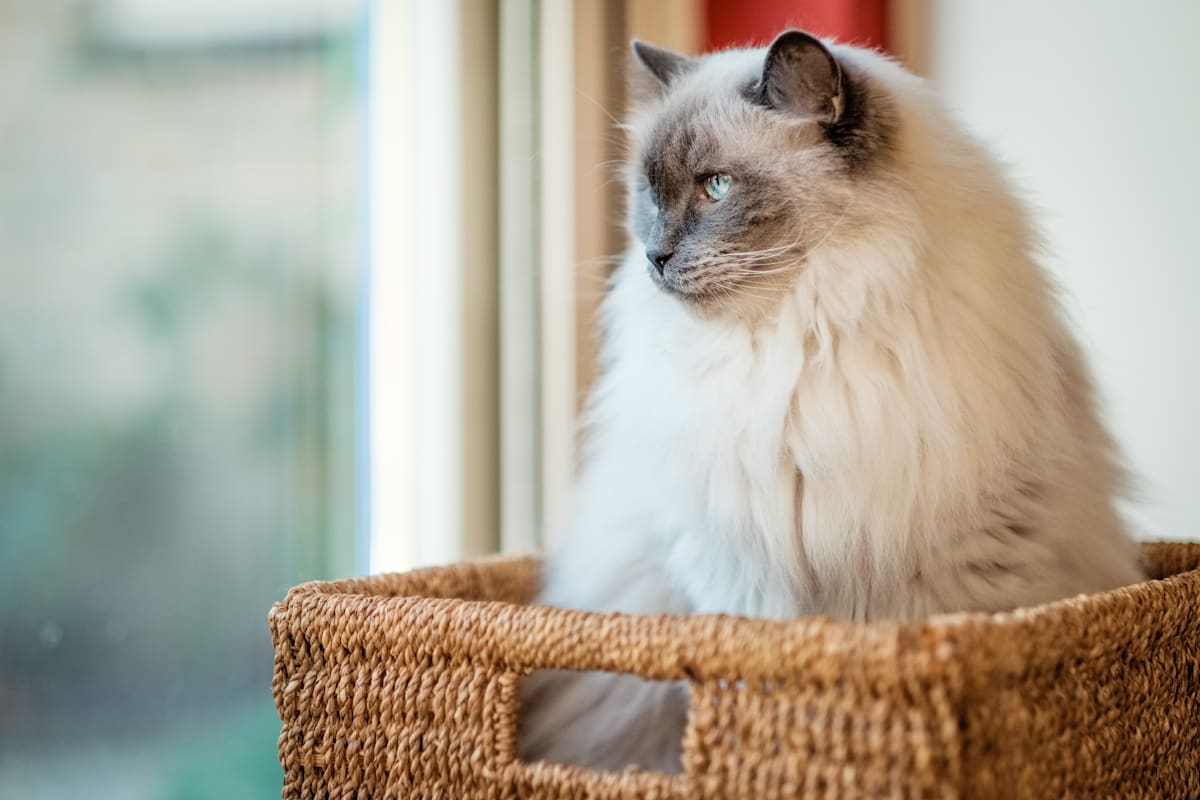
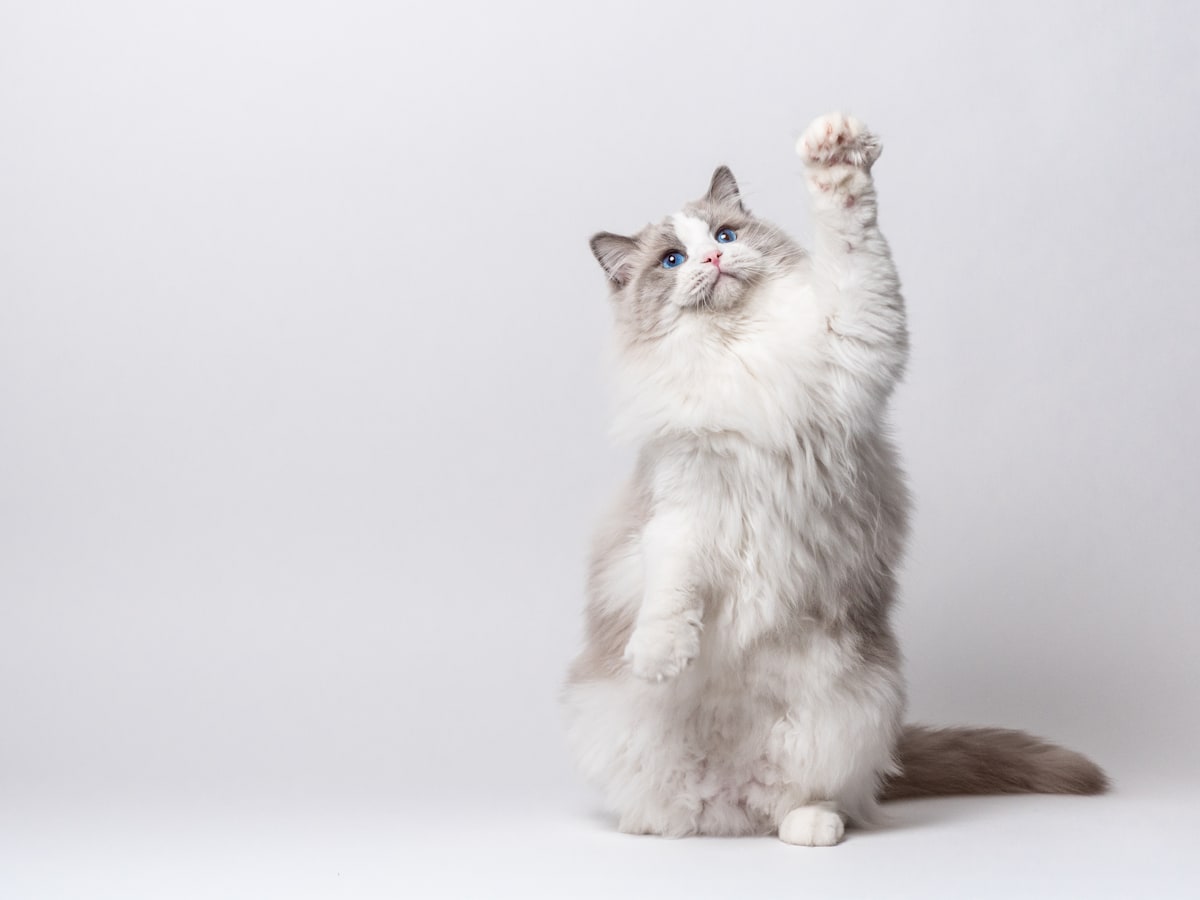
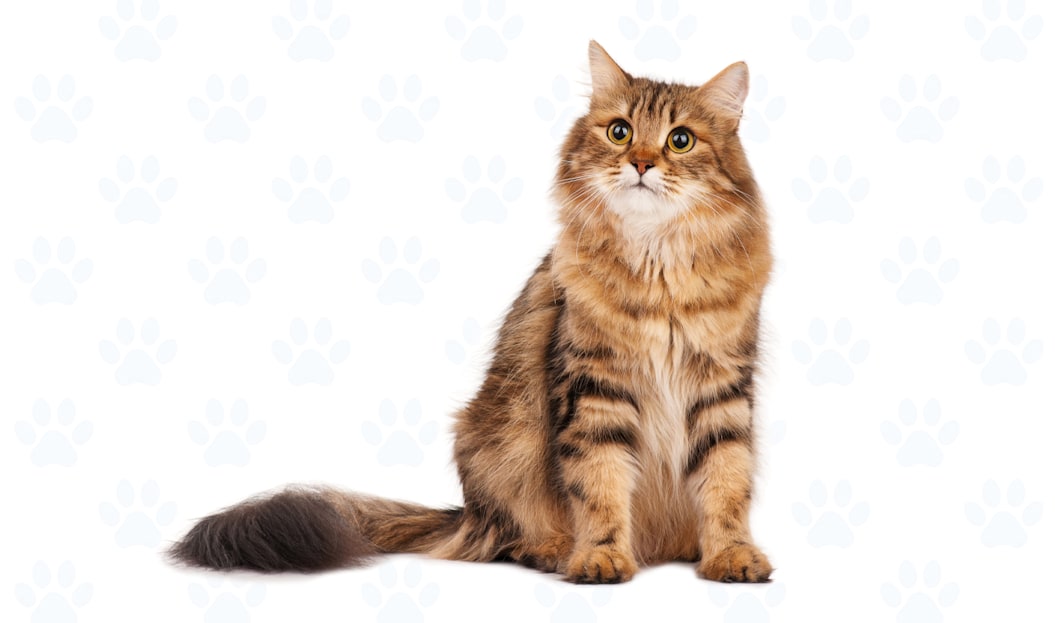
A gloriously gorgeous cat with mid-length fur, the Siberian is a fluffy ball of fun. With eyes of gold, green or blue (and many other colors in between), the Siberian is known for its sweet expressions. Their dense triple coat is water repellent, with accents around the ruff of the neck. Fluffy britches and a bushy tail round out this powerful breed, which can come in a full spectrum of colors and patterns.

Size & Weight

The Siberian cat can weigh between 8 and 17 pounds. A medium to large breed, the Siberian can reach a height of about 13 inches and a length of 17 to 25 inches.

Full Grown
Female 13 in. / 10 lbs.
Male 13 in. / 17 lbs.

Height is measured up to the shoulders.

Female Size Chart
Height Figure
Male Size Chart
6 ft. 4 ft. 2 ft.

Cost of Owning

The average cost of owning an adult Siberian is $1000 per year.
$300
Vet Care
$200
Grooming & Boarding
$250
Others
$250
Food & Treats

Characteristics

Weight

A medium to large breed, the Siberian cat can weigh between 8 and 17 pounds.

Light
Heavy

Living space

As a medium to large, active breed, the Siberian does well with space to run and play, but they’re not too displeased with more cramped quarters, since they’ll love your lap as well.

City apartment
Ranch

Exercise

An active and intelligent breed, the Siberian loves playing and learning new tricks.

Couch potato
Bring it on!

Personality

Friendly and fun, the Siberian is as entertaining as it is loyal.

Antisocial
Outgoing

Behavior with kids

Gentle, loyal, loving and playful, the Siberian makes a great family cat.

Always monitor
Babysitter

Shedding

Siberians are a semi-longhaired breed that sheds seasonally in the spring and fall.

Minimal
Abundant

Climate

Since the Siberian has its origins in cold-weather Russia, they do quite well in cooler environments.

Warm
Cold

Temperament & Behavior

The Siberian is known to be friendly, gentle and loyal, but they have their playful side as well. “Siberians will adapt to their families,” says Sherrie Phelps, the Cat Fanciers’ Association (CFA) Siberian breed council secretary. “Most of mine are calm, but always willing to play.”


The Siberian is active and energetic, and there’s no height too high for them to climb. They are masters at finagling their way through tiny spots, and they love challenging activities that help them use mental reasoning. While they do love their family, they don’t demand too much attention, although they don’t love to be left alone for long periods of time.

Barking: Understanding your cat

Training

Habits and Exercise

The Siberians sweet face and loving cuddles may lead people to believe they are reserved, but they also enjoy mental stimulation and active play. They tend to be a quiet breed when compared to others, but some can be chattier than others. “Mine carry on conversations with me,” says Phelps, “but they are not obnoxious.”


Siberians are very agile, and they love to climb, so providing this breed with lots of cat trees and hanging beds or baskets is a fun idea (and a good way to distract them from climbing other things like your counters). They also love any active play that requires them to use their brain, like hide and seek and fetch.

Energy Level

Frisky, energetic breed that is always ready for action

Energy Level

Nutrition

Newborn cats should be fed a diet made up only of their mother’s milk. Kittens aged 2 months to a year should be fed a diet appropriate for kittens, which contains extra fat, protein and nutrients to help aid your kitten’s growth. Adult cats 1 to 10 years of age should be eating a complete and balanced diet with all of the correct nutrients, fats and minerals. Senior cats require extra nutrients and vitamins that can help to maintain or improve their overall health. It is recommended to feed a senior age specific food to senior cats.

Daily Consumption

An adult Siberian eats 1/3 to 2/3 cup of dry food per day.

Daily Consumption

Preventive care

As with most cats, ensuring an age appropriate diet is fed to prevent obesity is important. Regular annual examinations to ensure the heart is healthy and also to check an annual urine sample to ensure that there are no problems that would indicate FLUTD. Regular dental cleanings can help prevent major dental problems associated with dental disease and catching any abnormalities early on.

Inherited health issues

All cats have the potential for developing genetic health problems. The Siberian cat can develop several health problems more commonly than other cat breeds due to genetic inheritance. These may include, but are not limited to, the following: Obesity, Hypertrophic Cardiomyopathy (HCM), Feline Lower Urinary Tract Disease (FLUTD) and Gum Disease.

Life Span

Siberian cats generally live between 11 and 20 years.

Life Span

Did you know?

  • The Siberian is a treasured breed in Russia, making an appearance in many fairy tales and children's stories.
  • This breed often matures slowly, not reaching full physical development until around 5 years old.
  • The Siberian cat is the national cat of Russia.

Coat and Grooming

As a breed with a mid-length coat, Siberians don’t require as much care as some other, longer haired cats, but brushing them a few times a week will help keep their fur mat free. Phelps recommends combing your Siberian to get through their triple coat, as opposed to using a brush, which often just glides over mats.

Coat length

Mid-Length

Coat length

Grooming

Frequent

Grooming

Shedding

Siberians shed twice a year, once in the fall and once in the spring. Unlike other cat breeds, a Siberian’s molting is not triggered by a change in temperature but rather by the change in daylight hours.

History

The Siberian cat has been in Russia for hundreds of years, and acts as a sort of treasure in the country, making appearances in fairy tales and kids’ books alike. Aside from their storied background, the Siberian has also been known to assist on farms, catching and killing rodents. The first Siberian cats arrived in the United States around 1990, and they were accepted by the CFA for recognition in 2000.