









Petco Text Logo
Petco Pet Logo
Author Profile Photo
Written by Cheryl Lock

About Ragdoll

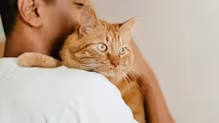
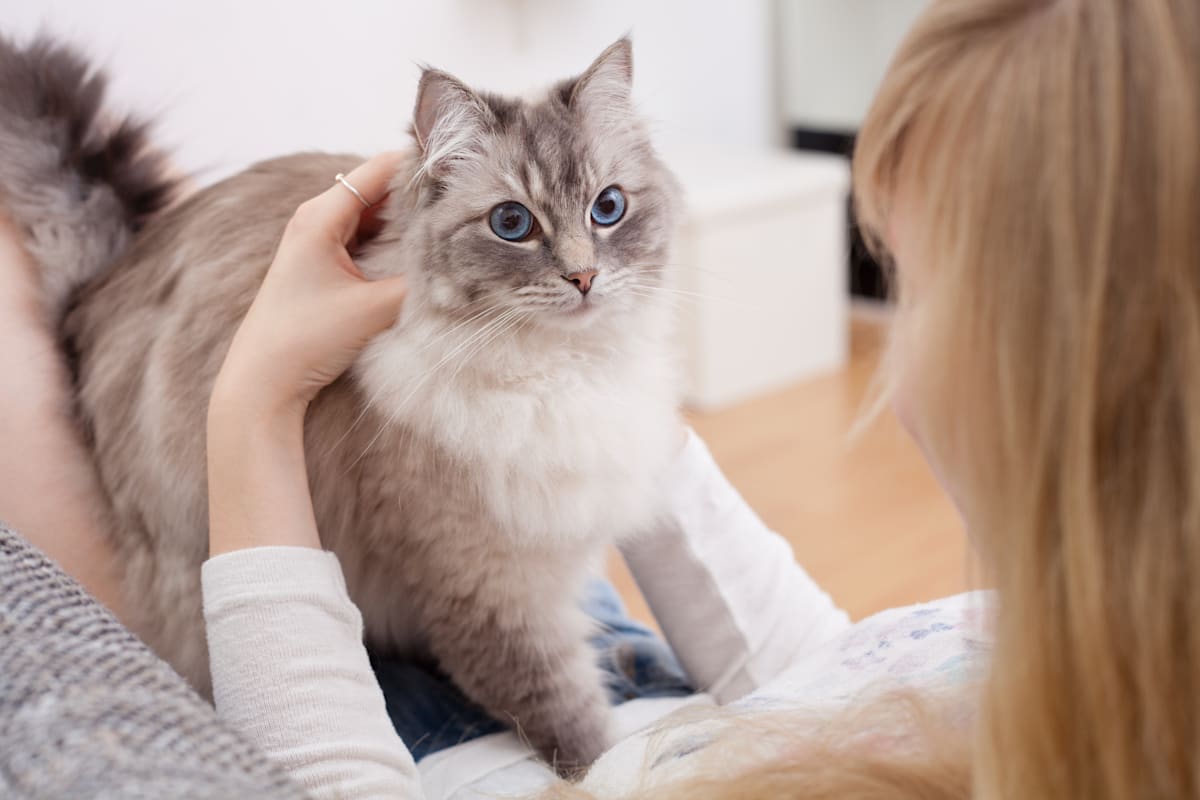
As their name implies, Ragdolls love to be carried around and will often happily flop like a doll into your arms when cuddled. Loving, quiet and laid back, most Ragdolls make a great addition to any family with kids or other animals.


Origin: United States   

Petco Pet Education Center

General appearance

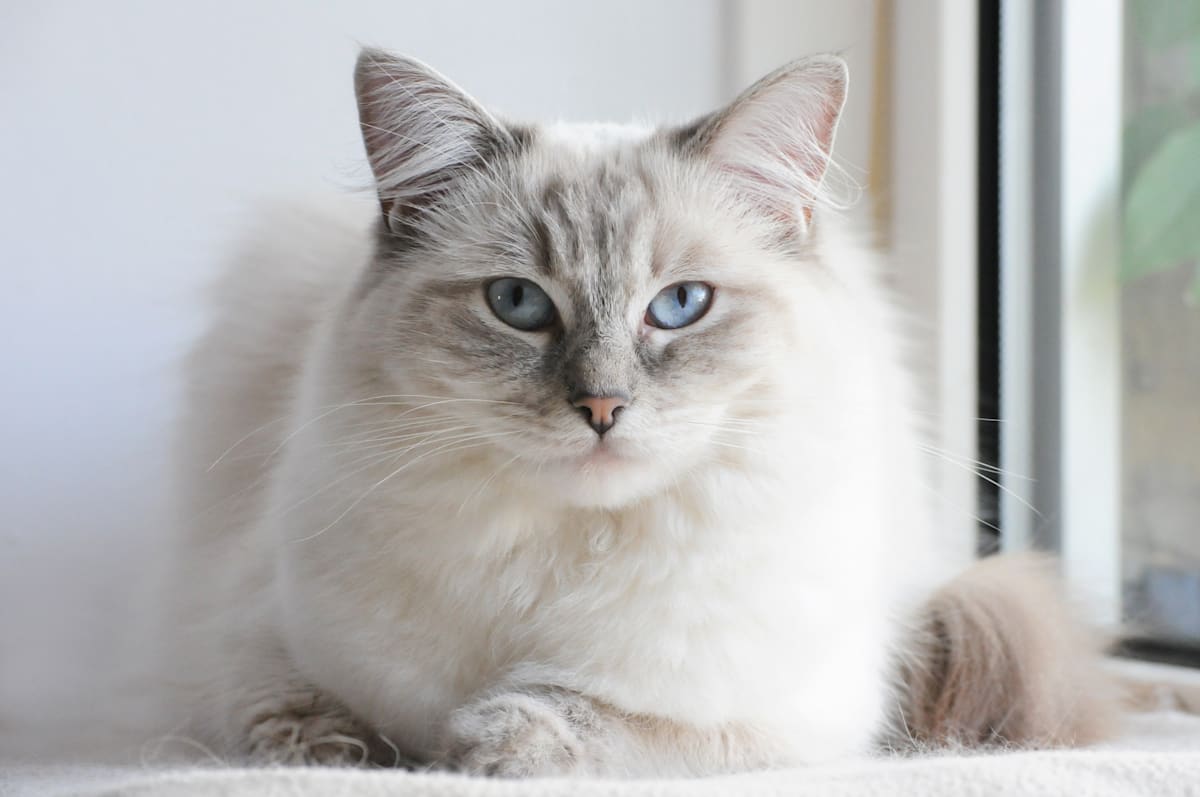
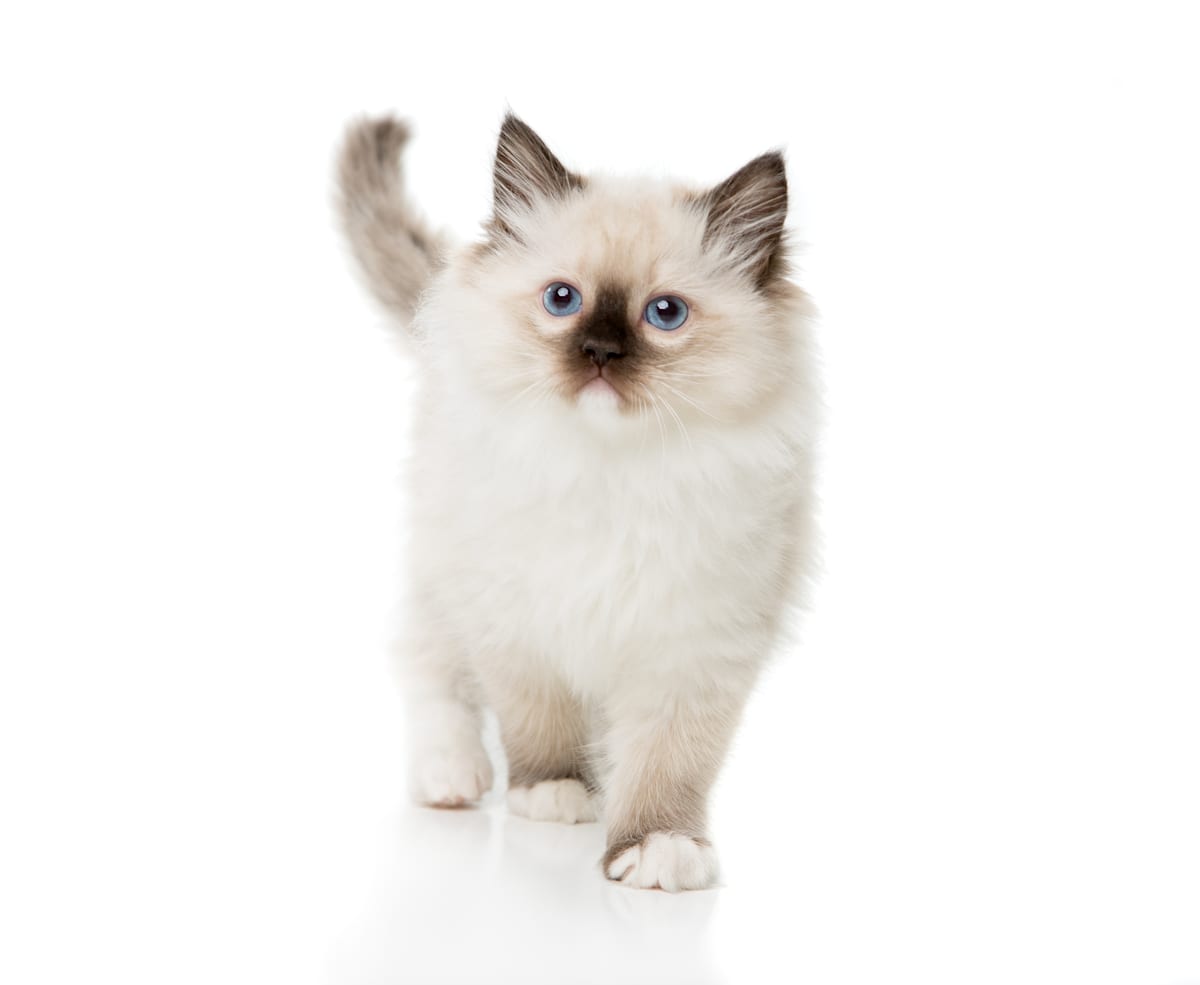
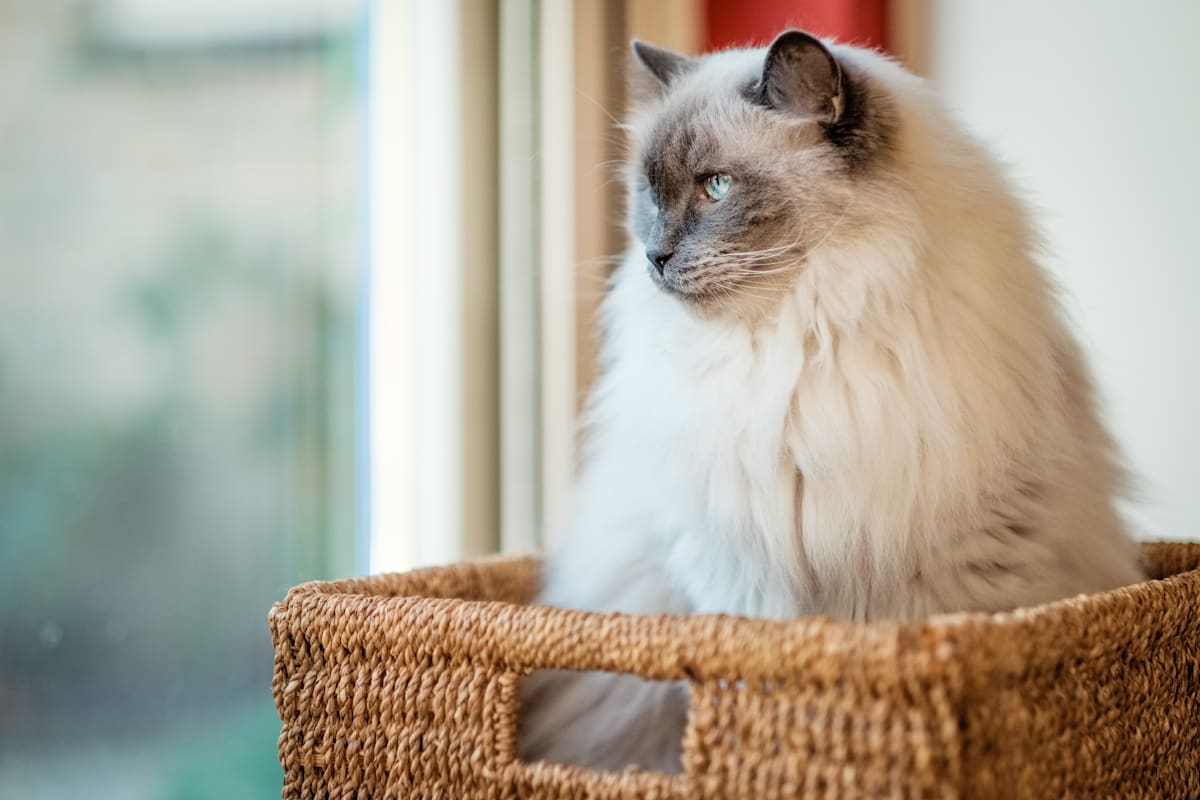
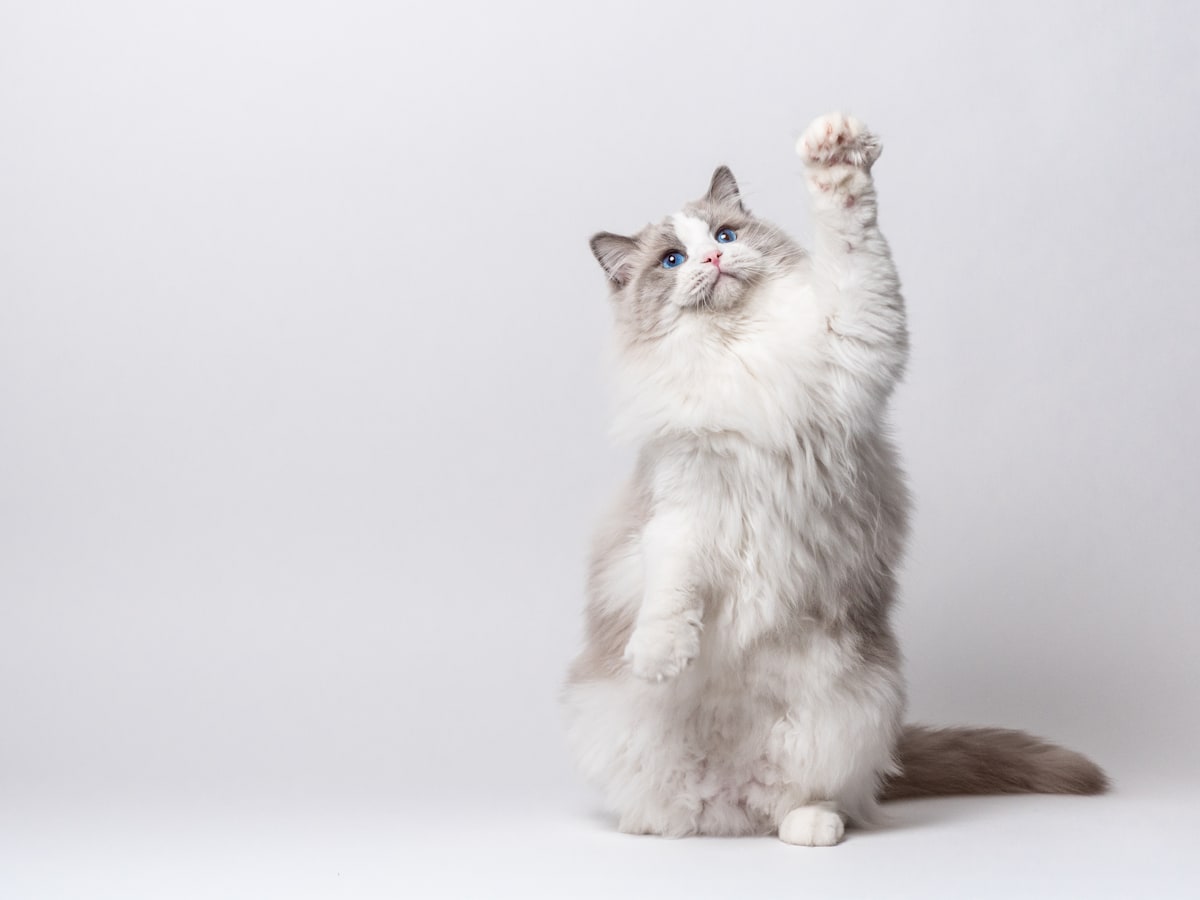
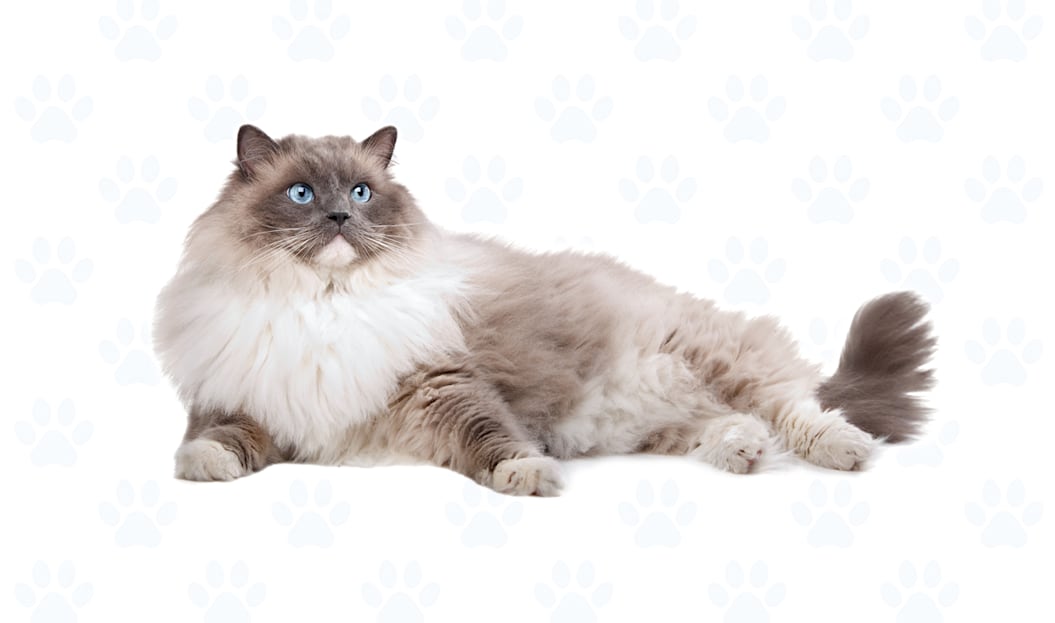
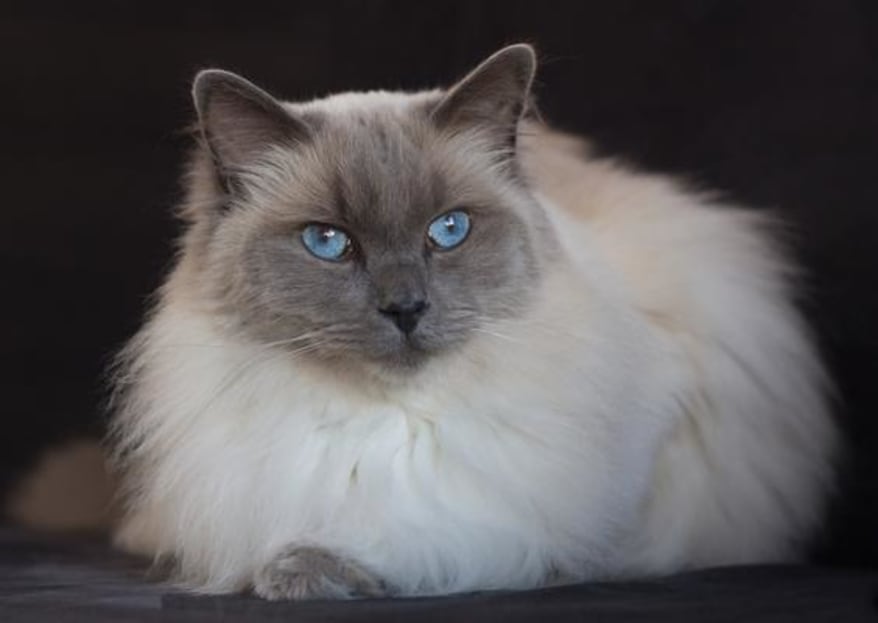
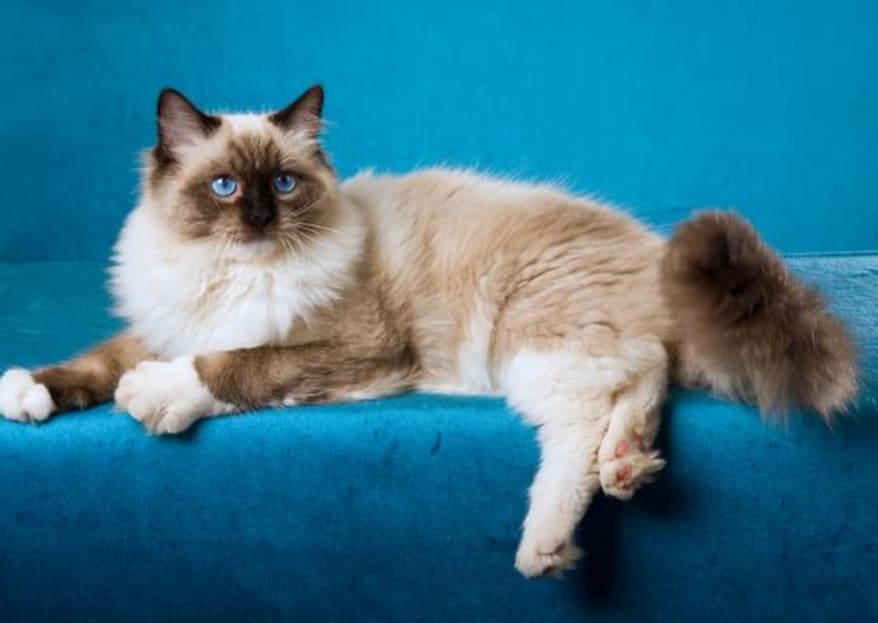
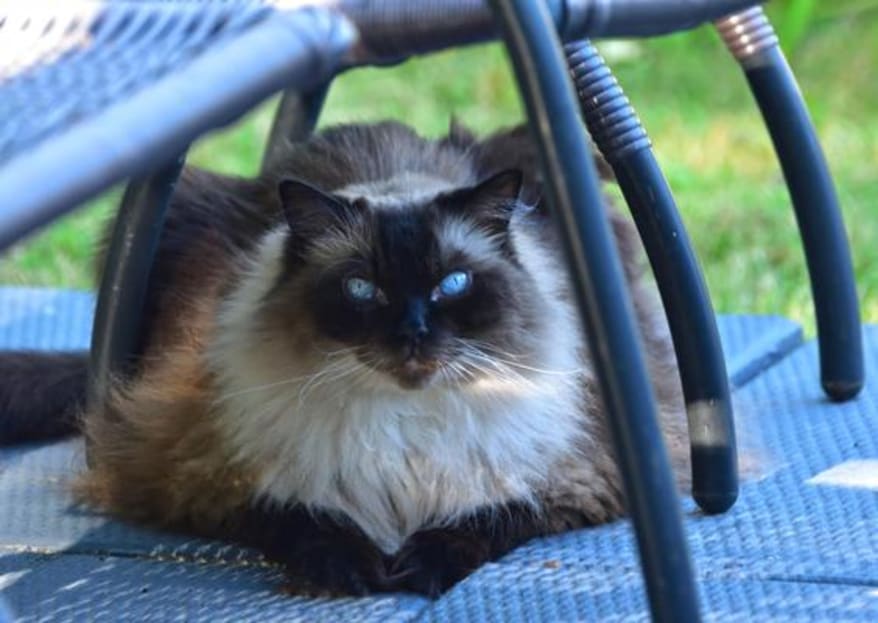
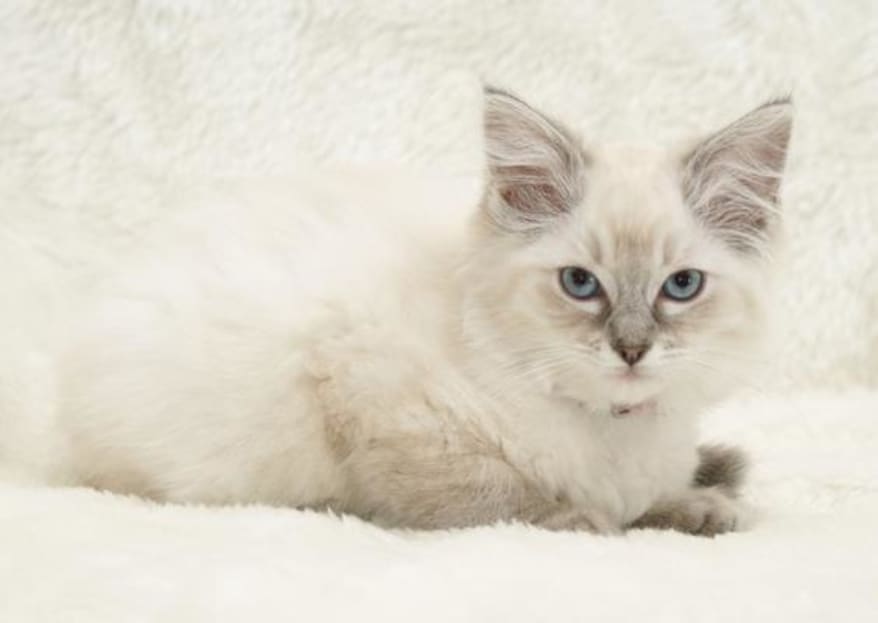
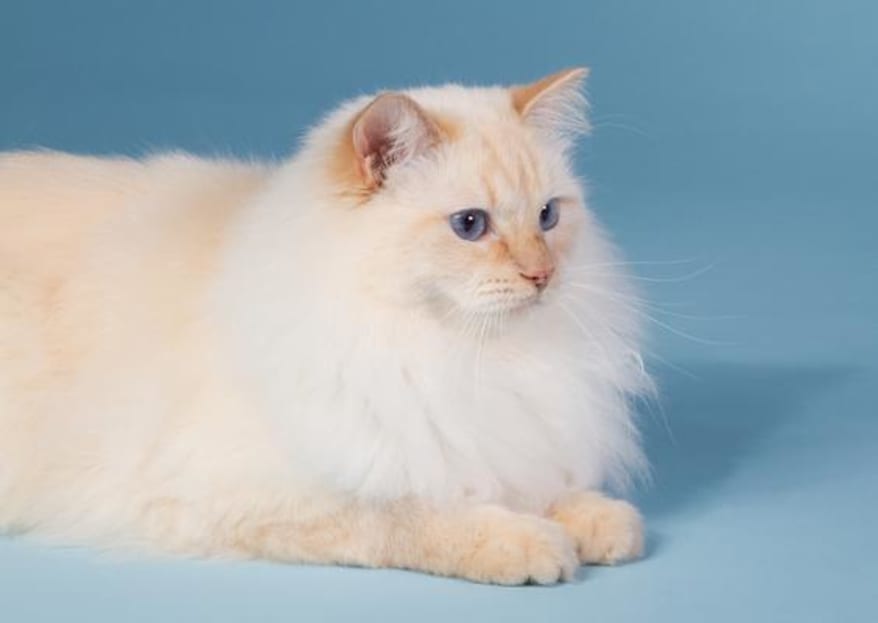
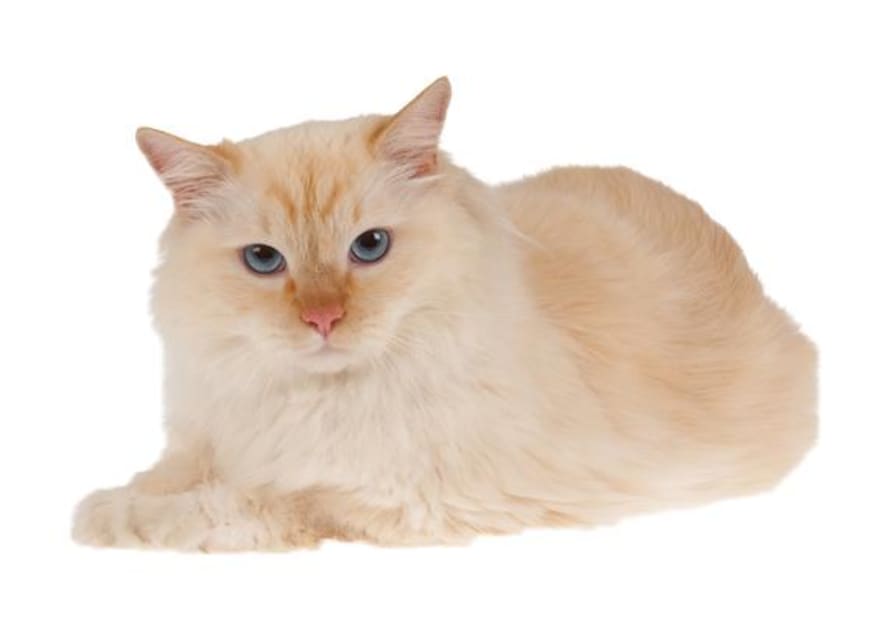
The Ragdoll has a characteristic medium-length, silky coat that is soft to the touch and piercing blue eyes. Ragdolls come in seal, lilac, chocolate, lilac, blue, red and cream, lynx or tortoiseshell colors, and although they are one of the largest cat breeds, it can take up to four years for a Ragdoll to reach their full size.

Colors

This breed can be found in a variety of colors. You can check them out below.


Size & Weight

One of the larger cat breeds, Ragdolls can weigh anywhere from 10 to 20 pounds.

Full Grown
Female 9 in. / 10 lbs.
Male 11 in. / 20 lbs.

Height is measured up to the shoulders.

Female Size Chart
Height Figure
Male Size Chart
6 ft. 4 ft. 2 ft.

Cost of Owning

The average cost of owning an adult Ragdoll is $1000 per year
$300
Vet Care
$250
Grooming & Boarding
$200
Others
$250
Food & Treats

Characteristics

Weight

Ragdolls can weigh anywhere from 10 to 20 pounds.

Light
Heavy

Living space

As one of the larger cat breeds, Ragdolls enjoy having plenty of room to lounge.

City apartment
Ranch

Exercise

While a Ragdoll is more than happy to play with its owners — they’re well-known for enjoying a game fetch — in general, the Ragdoll is not a very active breed.

Couch potato
Bring it on!

Personality

Ragdoll cats love their people, and it shows. This breed will greet you at the door, is happy to be held and will even participate in a game of fetch.

Antisocial
Outgoing

Behavior with kids

If you need a kid-friendly cat, this is the breed for you. A Ragdolll is happy to be cuddled and carried, and they’re even known to tolerate the occasional game of dress-up.

Always monitor
Babysitter

Shedding

Despite their medium-length fur, the Ragdoll doesn’t tend to shed quite as much as other medium- to long-haired breeds.

Minimal
Abundant

Climate

While Ragdolls are adaptable to most climates, in warmer climates they are more apt to shed.

Warm
Cold

Temperament & Behavior

The perfect family pet, the Ragdoll is gentle and affectionate, even-tempered and relaxed. Happy to play with kids and to be cuddled and dressed up, Ragdolls are sometimes compared to dogs because of their characteristic friendliness and the fact that they can be taught to play fetch.


As friendly as most Ragdolls are, Isabelle Bellavance, a Cat Fanciers’ Association (CFA) breed council secretary for Ragdolls, cautions that not all cats of this breed are the same, and some may not like to be held. That said, Bellavance describes the breed as happy-go-lucky, trusting, easygoing and somewhat naïve, potentially to their detriment.


“They are not always aware of danger,” Bellavance says. “Many will approach a dog thinking it is just another playmate.”


This breed is also particularly loving, especially the male Ragdolls. Female Ragdolls can be a bit more selective of who they want attention from, where they want it and when, says Bellevance.

Barking: Understanding your cat

Training

Habits and Exercise

Ragdolls thrive on interaction with their humans, says Bellavance, and they mostly love lounging with their people rather than running and jumping. They are very smart and many Ragdoll owners like teaching their cats to play fetch, which is a great way to help their cats stay fit in a way that both cat and owner enjoy.


Ragdolls love their people and aren’t the most rambunctious breed of cat, which can be a change from high-energy breeds who love to jump. Ragdolls do crave attention, though, and they’re likely to follow you from room to room and meet you at the door when you come home. As such, they don’t love being left alone for long periods of time.


Ragdolls can also be somewhat clumsy because they tend to be bottom heavy, says Bellavance. Try not to let your Ragdoll jump up too high with a teaser or laser when playing, as they do not always fall on their feet. “Also, do not provide them with a cat tree that is more than five feet or has very steep steps, as they can miss and fall,” she says.

Energy Level

Not interested in exercise, would rather doze the day away

Energy Level

Nutrition

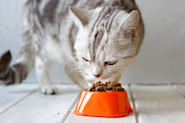
Ragdoll cats have a fairly low energy level relative to many other breeds. As such, the have a propensity for becoming overweight if overfed or insufficiently exercised. Be sure to feed a balanced diet with a good quality commercial cat food. Avoid offering table foods or too many treats, since these will quickly pack on the weight.

Daily Consumption

An adult Ragdoll eats 1/3 to 1/2 cup of dry food per day

Daily Consumption

Preventive care

In order to keep a Ragdoll cat as healthy as possible, care should be taken to monitor them at home for any changes, as well as maintaining regular visits to the veterinarian once or twice per year. Ragdolls are more susceptible to developing calcium oxalate crystals in their urine or bladder stones, so care should be taken to feed a properly balanced diet to regulate the pH of the urine. If crystals develop, affected cats should be fed prescription diets, as recommended by a veterinarian.


Hypertrophic cardiomyopathy (HCM) occurs more commonly in Ragdolls than in some other breeds. However, many affected cats are asymptomatic until the disease is fairly advanced. Regardless, cats should be examined by a veterinarian once or twice a year for signs of a heart murmur or arrhythmia, as well as being monitored at home for changes such as a loss of appetite, less energy or breathing changes.

Inherited health issues

Certain health conditions can occur at an increased frequency in Ragdolls or as a result of genetics. These conditions may include, but are not limited to, the following: Hypertrophic cardiomyopathy (HCM), Cryptococcosis, Feline infectious peritonitis (FIP) and Calcium oxalate urolithiasis.

Life Span

On average, Ragdolls live to be between 12 and 15 years old.

Life Span

Did you know?

  • The Ragdoll breed began in 1960 when Ann Baker of California matched a pure white longhaired cat named Josephine, a seal mitted cat named Daddy Warbucks and a solid black cat named Blackie.
  • Ragdolls are very intelligent and owners of this breed often enjoy teaching them to play fetch.
  • Like its name implies, the Ragdoll doesn’t mind being picked up, held and cuddled.

Coat and Grooming

Despite its medium length, the Ragdoll’s plush coat requires little grooming. A weekly brush with a steel comb will help remove tangles and dead hair. Luckily, Ragdolls generally enjoy gentle grooming, says Bellavance, especially when coupled with belly rubs.

Coat length

Medium

Coat length

Grooming

Occasional

Grooming

Shedding

Ragdolls tend to shed less than other medium- to long-haired breeds, but you can expect to find more hair than normal around the home during shedding season or if you live in a warmer climate.

History

A more recently-developed breed, the Ragdoll was developed in the early 1960s when a California woman named Ann Baker used multiple cats to act as the foundation for the new breed. According to The International Cat Association (TICA), rumor has it that Baker insisted that one of her breeding cats — Josephine — had her genes altered when she was taken to a medical center after being struck by a car because all of the cats born to Josephine after she returned had the famous “limp” that Ragdolls are known for today. The CFA accepted Ragdolls for registration in 1993 and the breed gained championship status in 2000. “Ragdolls have been among the most popular breeds — both CFA and TICA — for the last 15 years at least,” Bellavance added.