









Petco Text Logo
Petco Pet Logo
Jump To Section

    About the Oriental

    An Oriental will be a true member of your house, ready for fun and expecting attention and love. This breed has a special way of attaching to the people they love, and they do not do well when left alone. They love to play and explore and wherever you go, you can expect to find your Oriental right by your side.

    Oriental Appearance

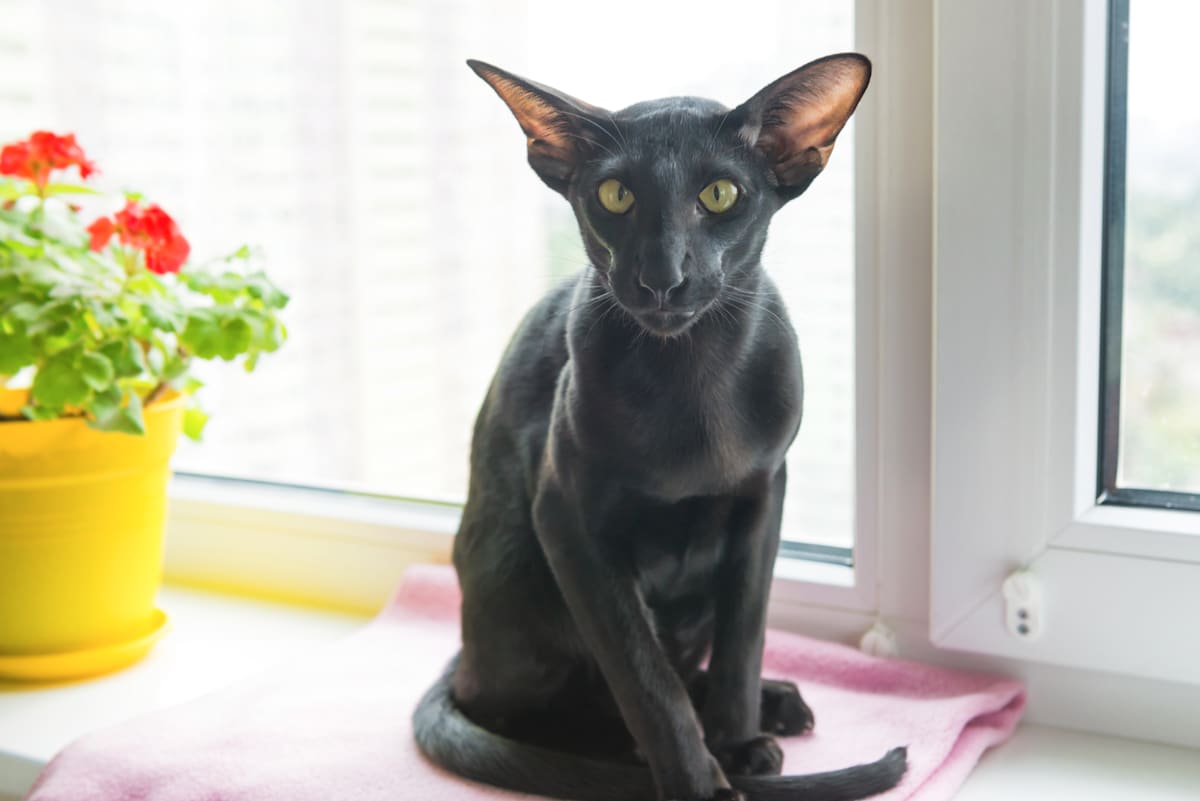
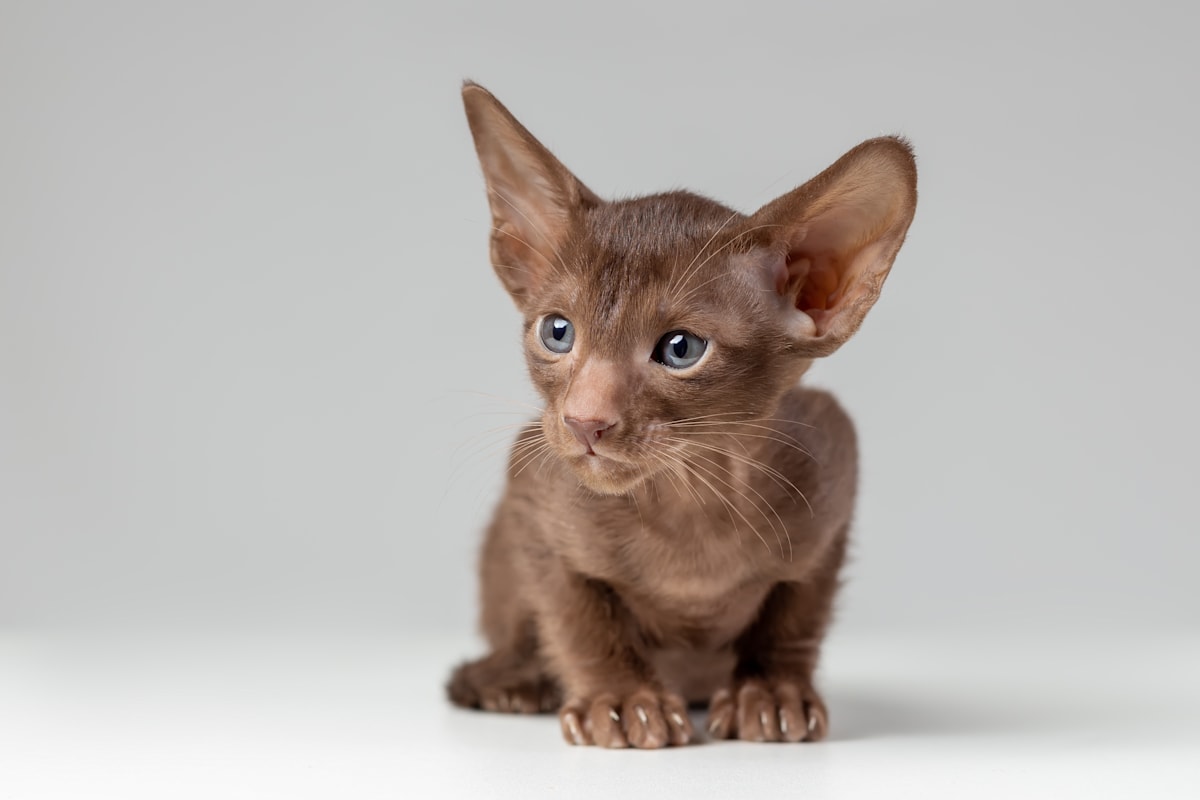
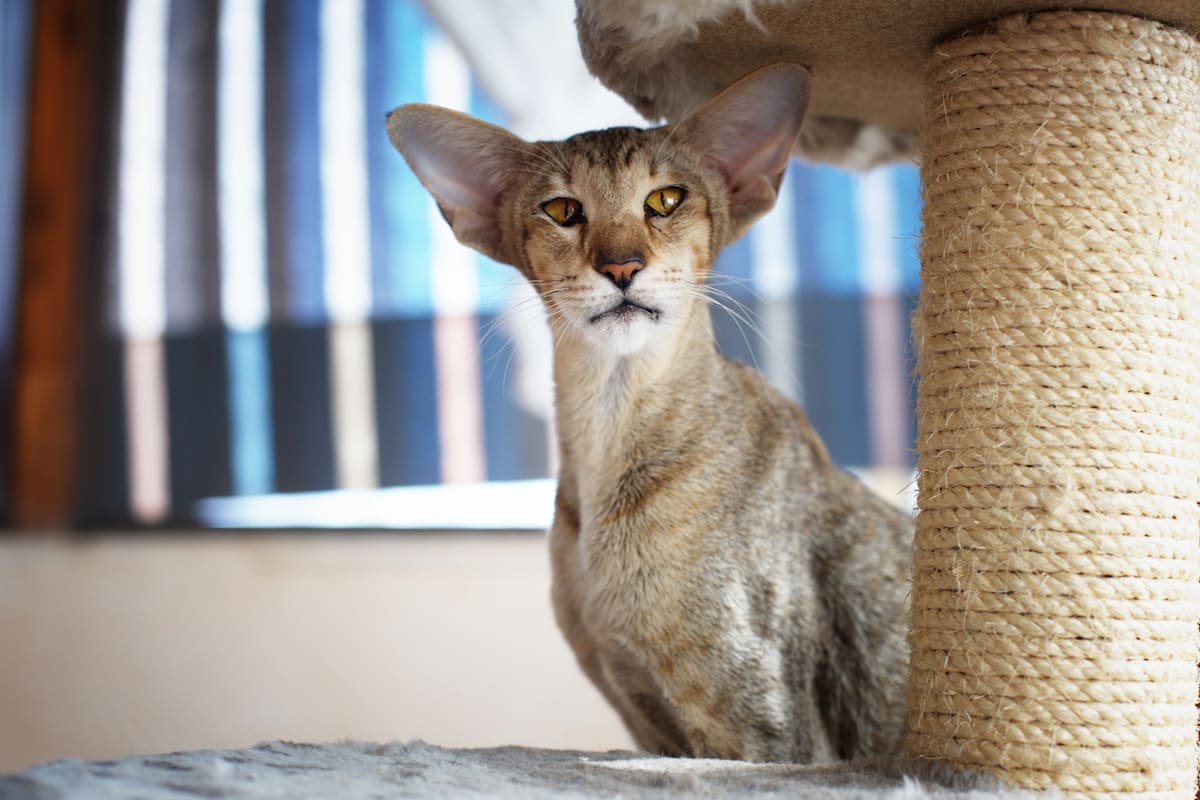
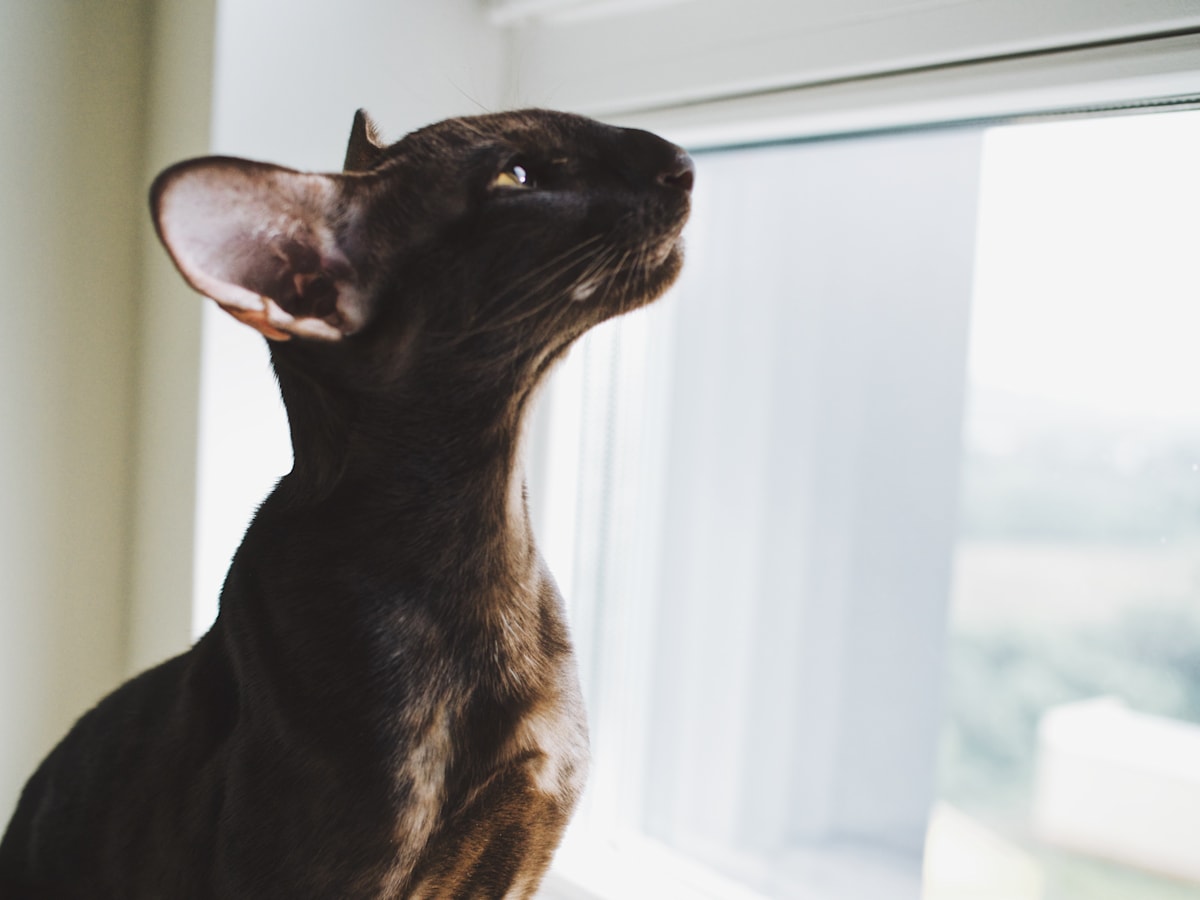
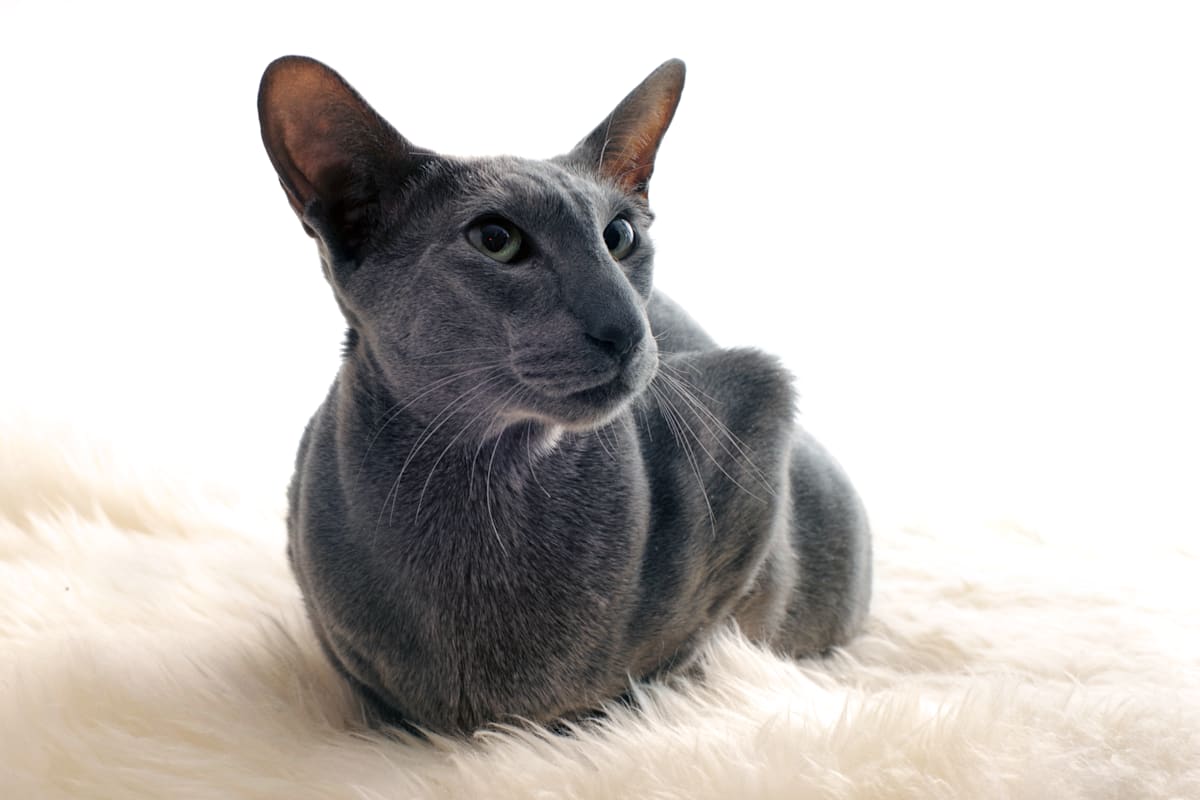
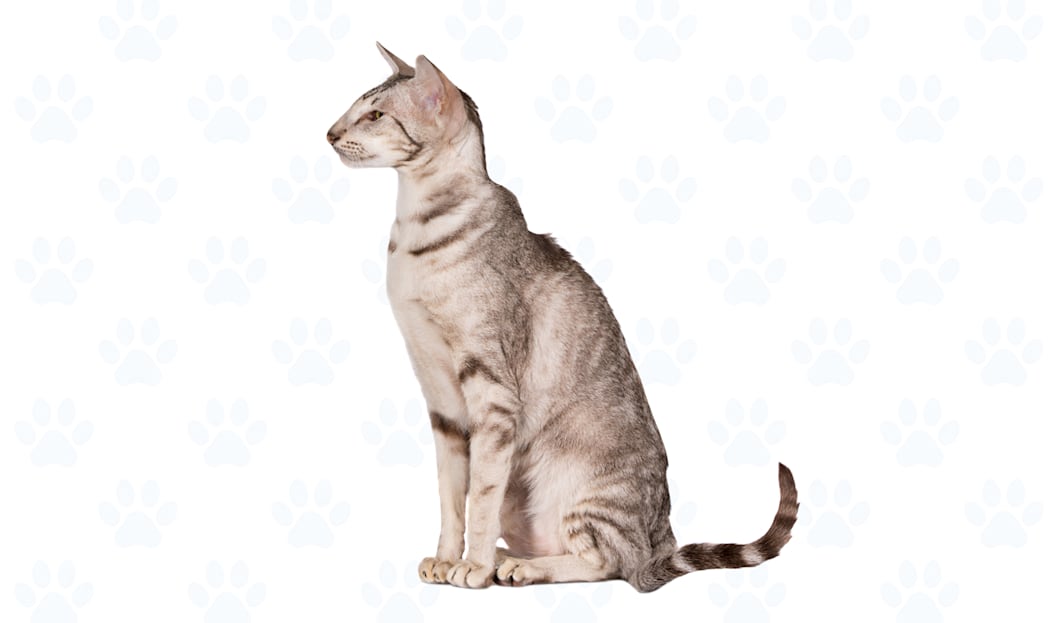
    A cross between multiple cat breeds including the Siamese, American Shorthair, British Shorthair, Abyssinians, Russian Blues, and domestic cats, the Oriental is a lithe and elegant breed that comes in multiple varieties. They can be short or long haired, and have any of hundreds of combinations of colors and patterns. Their eyes are traditionally green, although white versions of the breed can have blue, green or other colored eyes. They share similar characteristics of the Siamese in their muscular body type, with a wedge-shaped head and large, triangle ears.

    Size & Weight

    Oriental cats generally weigh between 8 and 12 pounds.
    Full Grown
    Female
    9 in. / 8 lbs.
    Male
    11 in. / 12 lbs.
    Height bar
    Female Pet
    Height Figure
    Male Pet
    Height is measured up to the shoulders.

    Oriental Characteristics

    Size

    Tiny

    Jumbo

    Weight

    Light

    Heavy

    Shedding

    Minimal

    Abundant

    Coat Length

    Short

    Long

    Living Space

    City apartment

    Ranch

    Exercise

    Couch potato

    Bring it on!

    Climate

    Warm

    Cold

    Personality

    Antisocial

    Outgoing

    Behavior with Kids

    Always monitor

    Babysitter

    How to Care for an Oriental

    With the right care, the Oriental is a wonderful companion for all types of people.

    Coat & Grooming: The Oriental comes in either a short or longhaired variety, with both requiring a weekly brushing.

    Shedding: The Oriental sheds an average amount.

    Personality: "These cats are very friendly and usually get along with other people and animals,” said Sara Ochoa, a veterinarian at Whitehouse Veterinary Hospital in Texas. “They would make a great friend and companion for your other pets.”

    Temperament & Behavior: Wherever you go, you can expect to find your Oriental cat right beside you. They are smart, fun loving and highly attached to their people.

    Behavior with Kids: The Oriental makes the perfect companion for kids, since they love to play and are highly adaptable to different situations.


    Life span: The typical Oriental cat lives between 10 and 15 years.

    Inherited Health Issues: As with all breeds, certain health conditions can occur in the Oriental at an increased frequency or due to a genetic predisposition. Responsible breeders typically perform a number of genetic and screening tests prior to breeding in order to decrease the incidence of certain conditions within the breed. These conditions may include, but are not limited to, the following: Cutaneous mast cell tumors, Urolithiasis (struvites) and longer gestation length.

    Preventive Care: As Oriental cats are prone to cutaneous mast cell tumors, it is important to have a veterinarian examine any skin tumors that you find. Regular urine tests should be considered due to this breed's increased risk for crystal/stone formation in the urinary tract. As with all other cat breeds, it is important to ensure your cat is on an age appropriate diet and is not being fed too much. Regular dental cleanings under anesthesia help prevent periodontal disease.

    It is important to ensure that you feed an age appropriate diet and ensure that your cat is not being fed an excess amount of calories per day.

    Daily Consumption: Daily consumption for an adult Oriental is 1/3 - 1/2 cup.

    Energy Level: Frisky, energetic breed that is always ready for action

    Exercise: Orientals are a people-pleasing breed that requires constant attention to stay happy. They are inquisitive and smart, so you shouldn’t be surprised to find them on top of the refrigerator (where you’ve hidden their favorite toy) or in your purse. They have been known to carry on a conversation with their people, as well, using their distinctive voice to let you know when they are either happy or sad.

    “Many times, these cats will find one person in the house and attach themselves to that person as their constant companion,” said Ochoa. “Orientals are great cats for single people.”

    The Oriental is a natural-born athlete that requires a lot of exercise. They love to run, jump and chase, but are happy to follow up strenuous bouts of exercise with snuggles on your lap. They are also a very intelligent breed, and enjoy activities that work their mind.

    Climate: Whether short or long haired, the Oriental prefers warmer temps.

    Cost of Owning

    The average cost of owning an adult Oriental is $750 per year
    $250
    Vet Care
    $150
    Grooming & Boarding
    $150
    Food & Treats
    $200
    Other

    Unlock exclusive rewards with Vital Care, or enjoy up to 35% off essentials when you subscribe with Repeat Delivery.

    Enjoy exclusive rewards every time you shop. Get member-only deals, points, and special offers designed to help you save more on what your pet needs.

    Never run out of the essentials. Subscribe and get your pet’s favorites delivered on schedule—with up to 35% off plus the convenience of automatic refills.

    Your love story starts here.

    Find adoptable pets near you with a simple search.

    Fun Facts

    The Oriental is the tenth most popular breed recognized by the CFA.

    The Oriental is the tenth most popular breed recognized by the CFA.

    The Oriental comes in more than 300 colors and patterns, which is where the nickname Ornamental derives from.

    The Oriental comes in more than 300 colors and patterns, which is where the nickname Ornamental derives from.

    History

    Although mentions of a similar-looking cat date back to the late nineteenth century, it wasn’t until the 1950s that European breeders began to actually cross different breeds — namely the Siamese — with Russian Blues, British Shorthairs, Abyssians and domestic shorthairs to produce what is actually known today as the Oriental breed. In the 1970s, the Oriental Shorthair International club was recognized by the Cat Fanciers Association, and the breed has continued to grow in popularity ever since.
    Read More

    Sponsored