







Petco Text Logo
Petco Pet Logo
Author Profile Photo
Written by Cheryl Lock

About Norwegian Forest Cat

The Norwegian Forest Cat is both moderately active and social. While they love their family, they also love to be in charge. The Norwegian Forest Cat can often be found near their owners, whether that’s next to them on the couch, on the bed or even on their lap. They are generally very gentle and make great companions for families with kids, as well as other pets.


Origin: Norway   Other Names: Wegie, Skogkatt (in Norway)

Petco Pet Education Center

General appearance

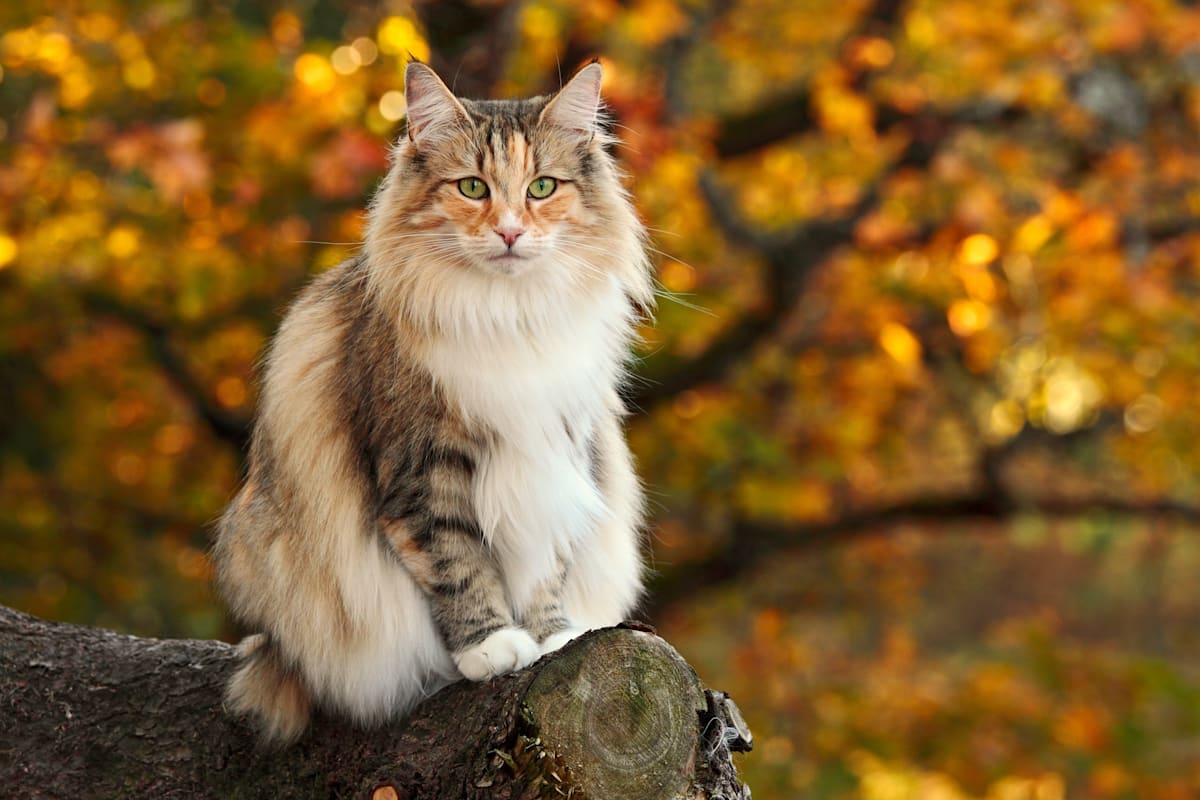
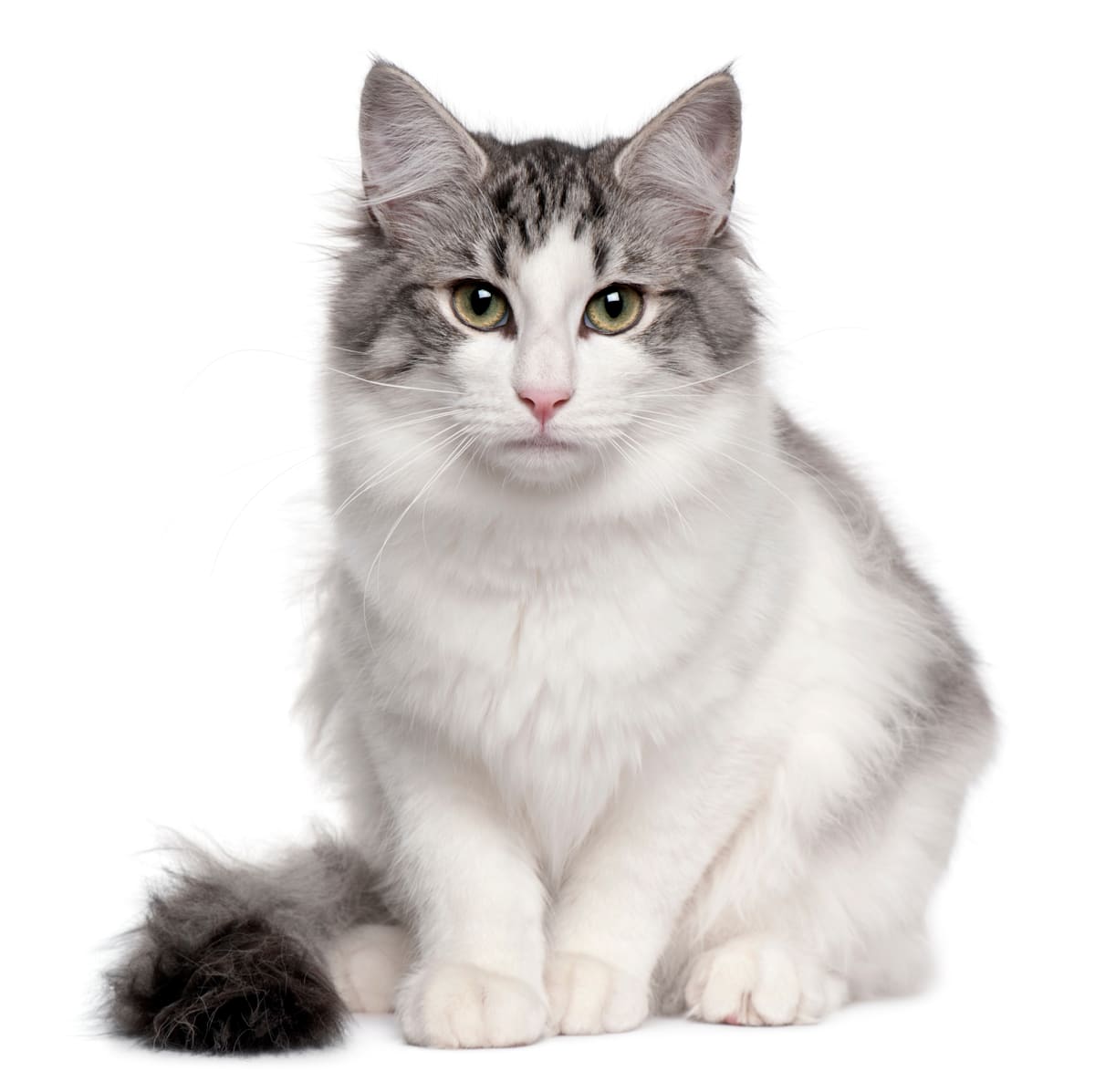
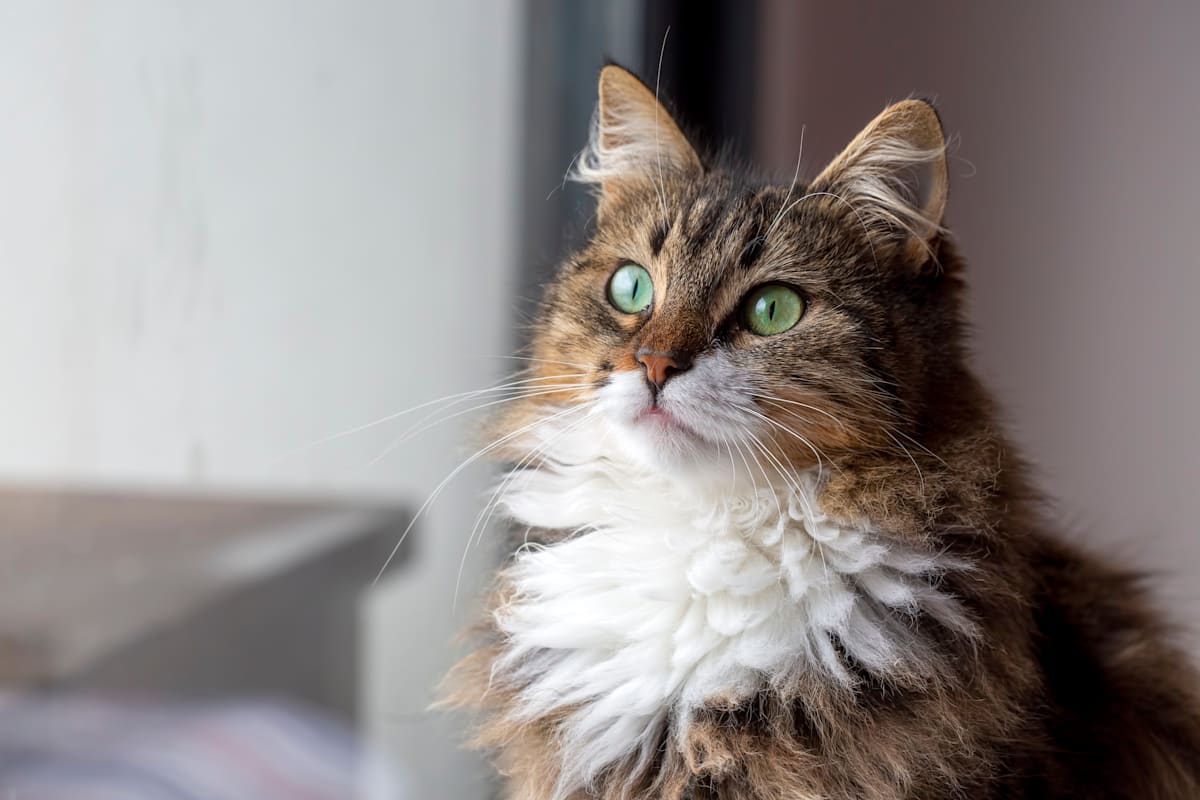
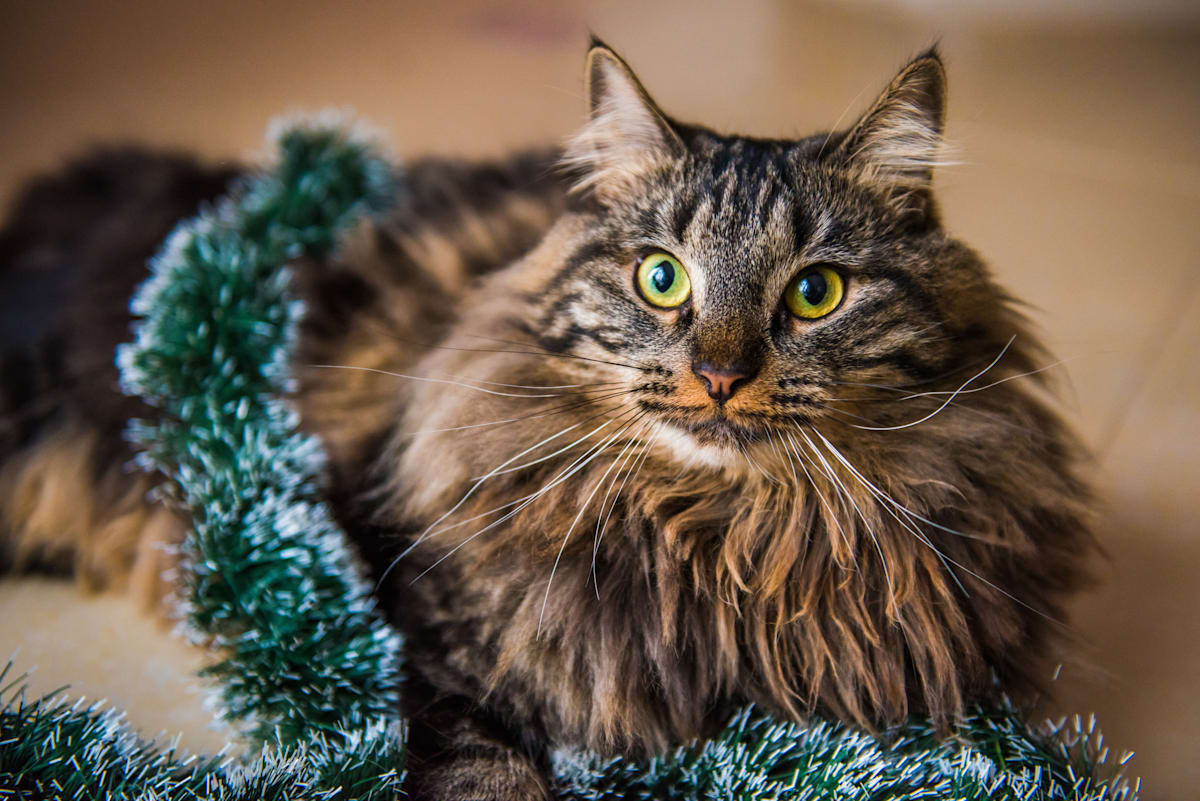
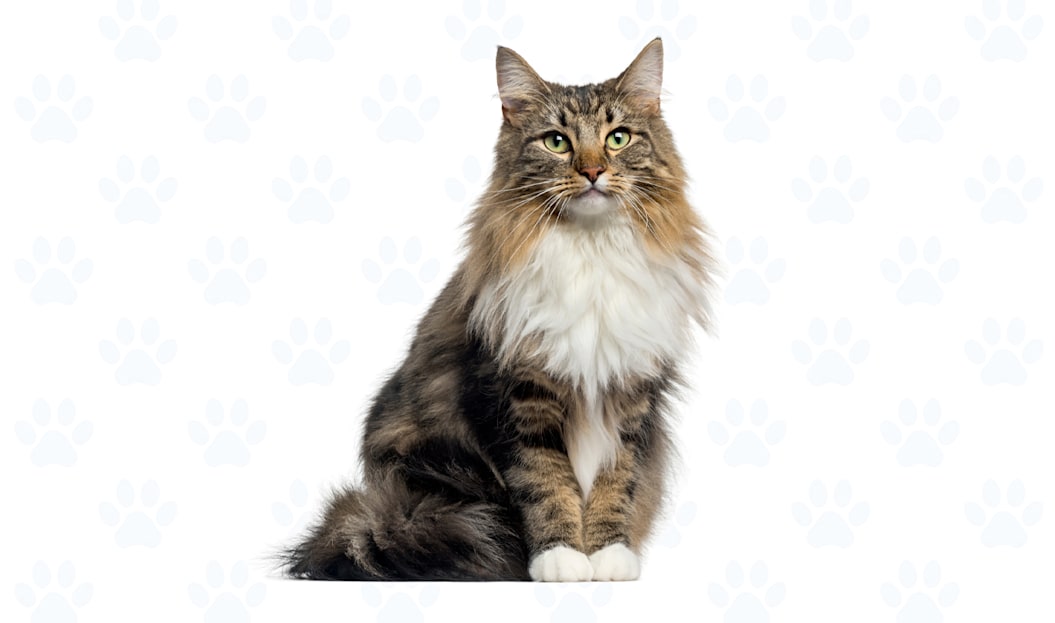
While the average Norwegian Forest Cat might be easily confused with other medium to long haired breeds, there are some specific characteristics that set them apart. The breed’s semi-long hair is an insulated, waterproof double coat consisting of coarse guard hairs over a dense undercoat. A bushy tail and tufted paws also keep them warm in colder climates. While you’ll often find these cats in brown and white varieties, the breed can be found in most color combinations and markings. Aside from their characteristic coats, Norwegian Forest Cats have large, almond-shaped eyes, a triangular head and ears, and a straight profile.


Overall, the Norwegian Forest Cat is a strongly-built breed of medium to large size that tends to mature more slowly than other cats, says Nancy Kerr, a Norwegian Forest Cat breeder with Kerrisma cattery. In fact, these cats may take four or five years to reach maturity, Kerr says.

Size & Weight

Male Norwegian Forest Cats can weigh between 12 and 16 pounds, while females weigh between 9 and 12 pounds. They can range between 9 and 11 inches tall at the shoulder.

Full Grown
Female 9 in. / 12 lbs.
Male 11 in. / 16 lbs.

Height is measured up to the shoulders.

Female Size Chart
Height Figure
Male Size Chart
6 ft. 4 ft. 2 ft.

Cost of Owning

The average cost of owning an adult Wegie is $1000 per year.
$300
Vet Care
$200
Grooming & Boarding
$250
Others
$250
Food & Treats

Characteristics

Weight

Male Norwegian Forest Cats can weigh between 12 and 16 pounds, while females weigh between 9 and 12 pounds.

Light
Heavy

Living space

As a medium to large breed that has moderate exercise requirements, the Norwegian Forest Cat enjoys extra room to run and lounge.

City apartment
Ranch

Exercise

This breed isn’t excessively active, although you may find that they have bursts of quick energy followed by a period of long naps.

Couch potato
Bring it on!

Personality

The gentle demeanor of the Norwegian Forest Cat makes it a great companion for any home, although they generally prefer to do things on their own terms.

Antisocial
Outgoing

Behavior with kids

The Norwegian Forest Cat’s disposition — calm and friendly, gentle and loving — makes them perfect for families with kids.

Always monitor
Babysitter

Shedding

Although the Norwegian Forest Cat has a semi-long double coat, their glorious fur is often easier to handle than other long haired breeds. However, their shedding varies with the seasons.

Minimal
Abundant

Climate

The Norwegian Forest Cat’s insulated, waterproof double coat probably kept them warm and cozy during the Scandinavian winters where they were developed.

Warm
Cold

Temperament & Behavior

Gentle and calm, intelligent and loving, the Norwegian Forest Cat makes the perfect companion. While not traditionally a lap cat, the Norwegian Forest Cat will occasionally crawl into its owner’s lap, but usually only for a short time. They do, however, like to be near their loved ones, and can often be found lounging very near their owner. Norwegian Forest Cats generally take well to training and enjoy entertaining toys that keep them active and engaged.

Barking: Understanding your cat

Training

Habits and Exercise

The Norwegian Forest Cat doesn’t need too much to be happy — just some love, a few entertaining toys and the space to roam and lounge as they please. The Norwegian Forest Cat isn’t an overly noisy breed either, but they have been known to “talk” to their owners in small chirps.


The Norwegian Forest Cat has a moderate activity level. This breed is happy to run, jump and play for short periods of time, but these bouts of exercise will be followed by long periods of lounging and napping. You can keep your Norwegian Forest Cat happy by providing ample entertainment — especially puzzles or other toys that keep them guessing — as well as plenty of love and affection. “They also like to get into high places,” says Kerr, “so a tall cat tree is good idea.”

Energy Level

Enjoys some moderate exercise every now and then

Energy Level

Nutrition

Keeping a Norwegian Forest Cat at a healthy body weight through proper diet and exercise is the best way to keep them healthy. A high quality, balanced diet should be offered in measured, portion-controlled meals. Table scraps should be avoided and treats should only be given in moderation, as these can quickly pack on unwanted weight.

Daily Consumption

An adult Wegie eats 1/3 to 2/3 cup of dry food per day.

Daily Consumption

Preventive care

As with all breeds, Norwegian Forest Cats should be examined by a veterinarian once or twice per year so that any new or subtle changes can be identified, such as the heart and respiratory abnormalities that may be present with restrictive cardiomyopathy. The prompt detection of health conditions can result in a more rapid diagnosis and treatment, which often leads to a better prognosis. Cat owners that observe any changes at home, including difficulty or rapid breathing, lethargy, weight loss or a loss of appetite should bring these concerns to their veterinarian’s attention, as they could indicate potentially serious conditions.

Inherited health issues

As with all breeds, certain health conditions can occur at a higher incidence in the Norwegian Forest Cat or may have a genetic association. Responsible breeders perform a variety of screening and genetic tests prior to breeding in an attempt to decrease the incidence of these conditions within the breed. These may include, but are not limited to, the following: Glycogenosis (glycogen storage disease), Restrictive cardiomyopathy, Pyruvate kinase deficiency and Ventricular septal defect.

Life Span

A healthy Norwegian Forest Cat may live between 14 and 16 years.

Life Span

Did you know?

  • The Norwegian Forest cat is referred to as Skogkatt (or “forest cat”) in its native Norway.
  • Devoted fans of the breed refer to them as Wegies.
  • When the cat was imported to North America, it was given the name “Norwegian Forest Cat.”
  • The breed features prominently in folk tales and mythology. They were said to have pulled Norse goddess Freya’s chariot.
  • The late King Olaf declared Norwegian Forest Cats the official cats of Norway.

Coat and Grooming

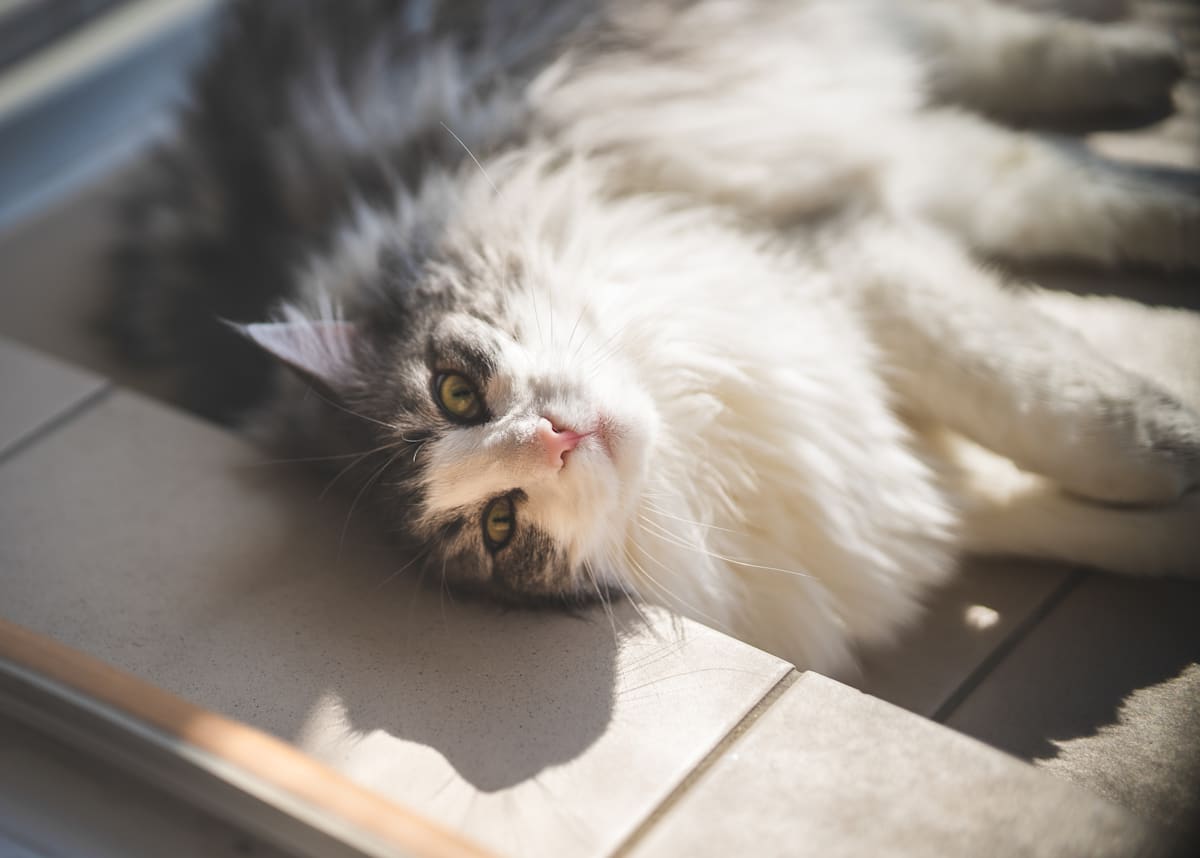
The Norwegian Forest Cat’s semi-longhaired double coat is relatively easy to care for, although it will tangle or mat if handled improperly. A weekly brushing or combing should be fine for most of the year, but more attention should be given to your Norwegian Forest Cat’s coat in the springtime when shedding is heavier.

Coat length

Long

Coat length

Grooming

Frequent

Grooming

Shedding

With proper grooming, the Norwegian Forest Cat’s coat won’t shed more than average. If you find that a once-a-week brushing isn’t cutting it, try grooming your cat more frequently to avoid excess fur accumulation. Also keep in mind that the coat density varies depending on the time of year and climate, Kerr adds, meaning that your cat’s coat will likely be fuller in the winter or in cold climates.

History

The Norwegian Forest Cat first originated in Norway (where it’s referred to as Skogkatt) about 4,000 years ago and probably helped Viking explorers keep their ships clear of rodents. The Norwegian Forest Cat’s thick, double coat kept them warm in the cold Scandinavian environment, and their calm demeanor made them the perfect companion for stoic Vikings.


Although the breed almost became extinct, Norwegian cat fanciers tried to bring it back, but their efforts were hindered during World War II. They revived their efforts after the war, and the breed went on to become designated as the official cat of Norway. They were exported from Norway in the late 1970s and were presented to the Cat Fanciers’ Association (CFA) Board for registration in 1987.


“The Norwegian Forest Cat is part of the natural working breed of cats,” says Kerr. “This category is for natural breeds of domestic cats that survive the local conditions and developed into a formal breed that is recognized by one or more cat associations.”