






Petco Text Logo
Petco Pet Logo
Author Profile Photo
Written by Cheryl Lock

About Munchkin

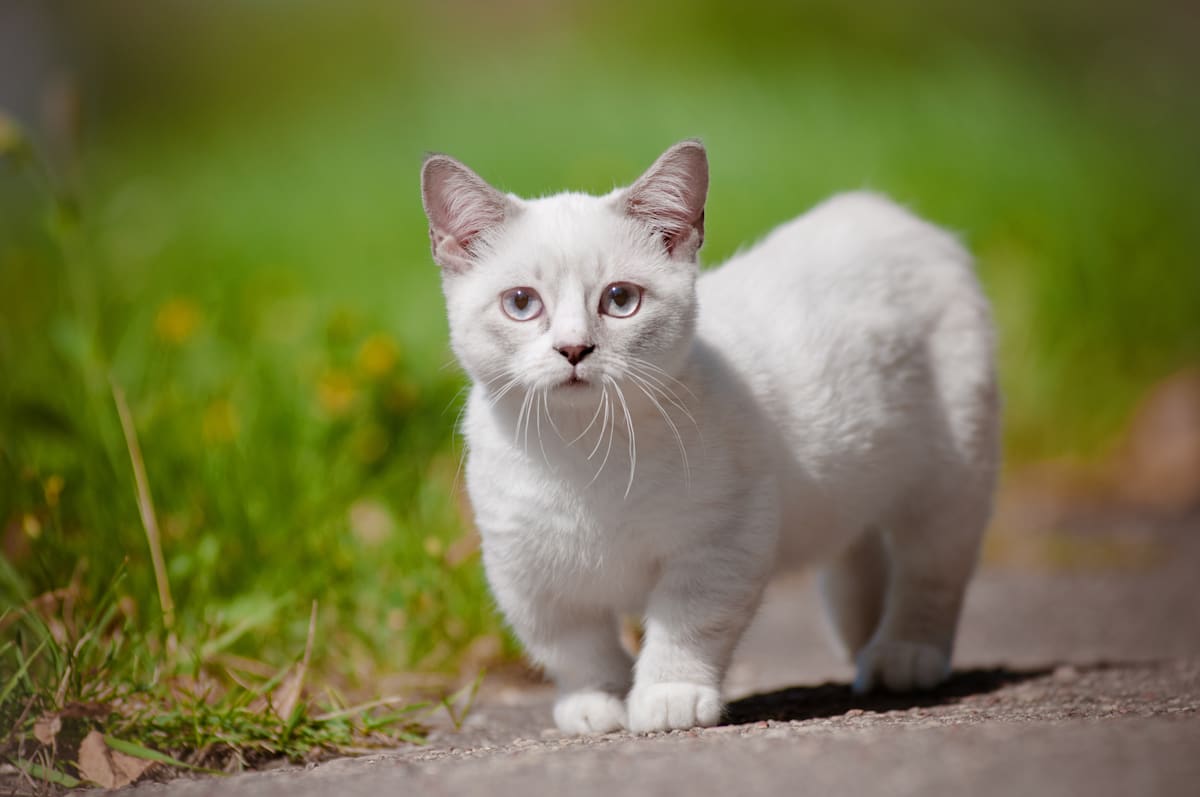
The Munchkin cat packs a lot of fun in a tiny package. Highly adaptable, the Munchkin gets along well with people and other pets alike, making them a great option for families.


Origin: United States   Other Names: Dwarf Cat, Magpies

Petco Pet Education Center

General appearance

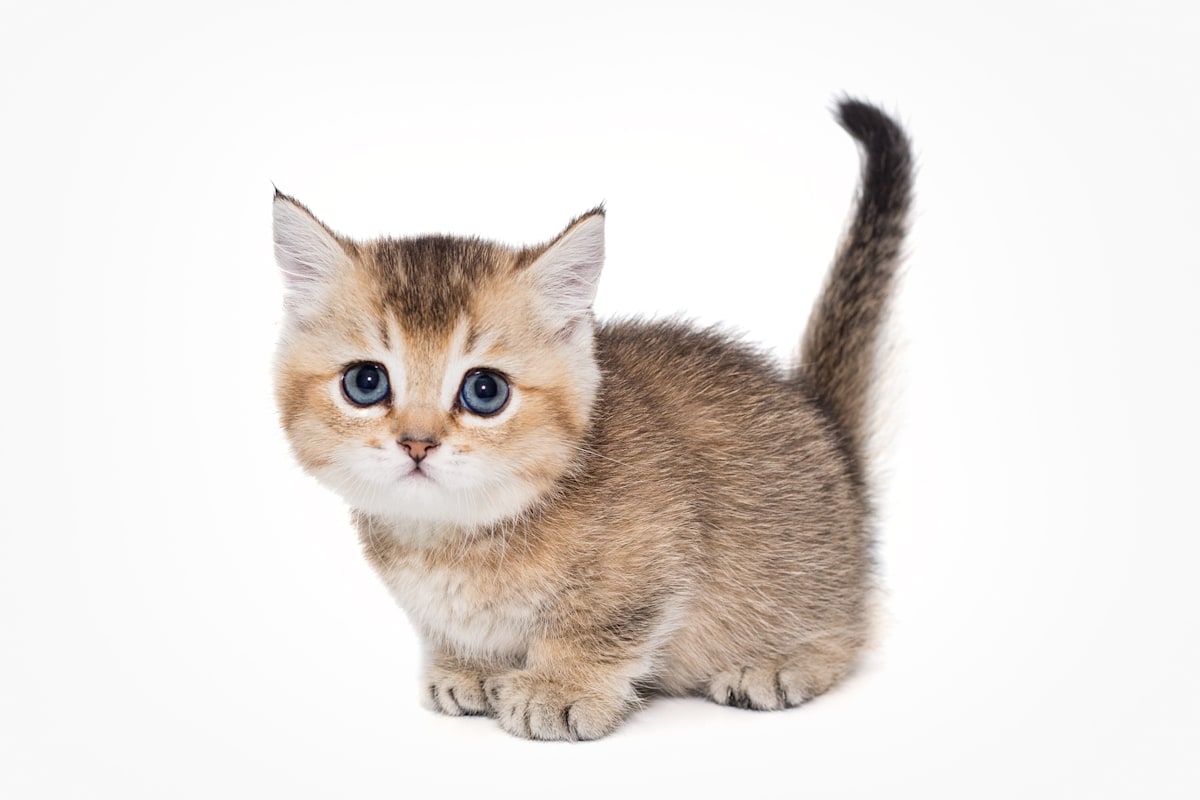
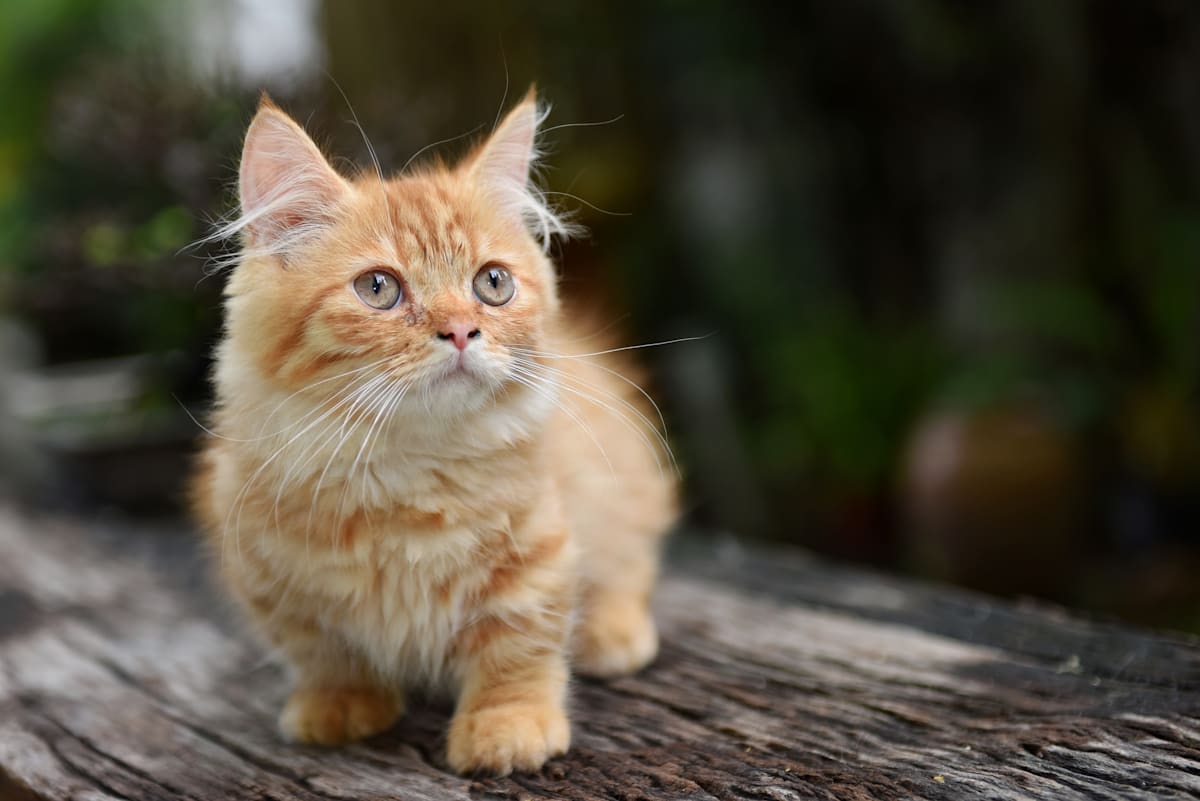
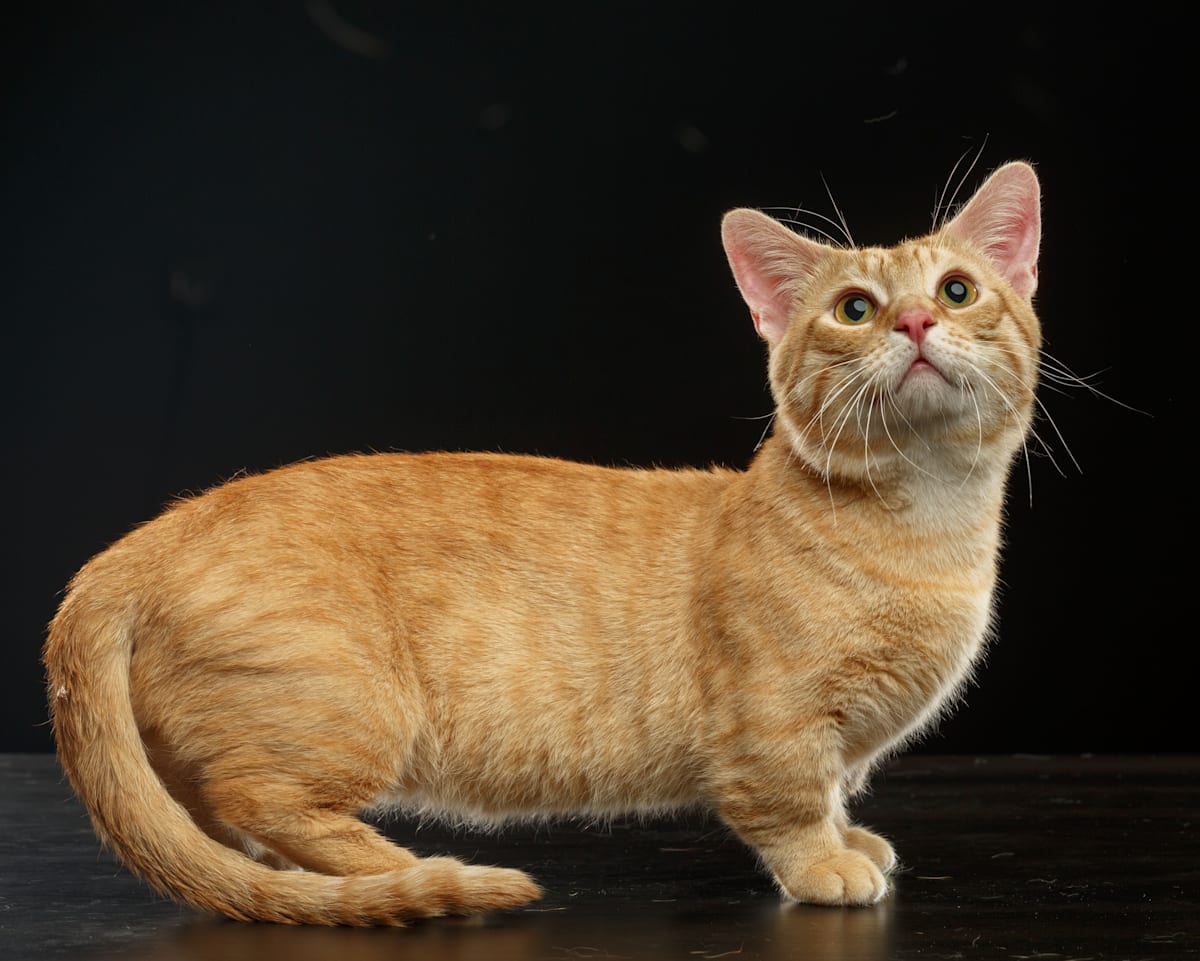
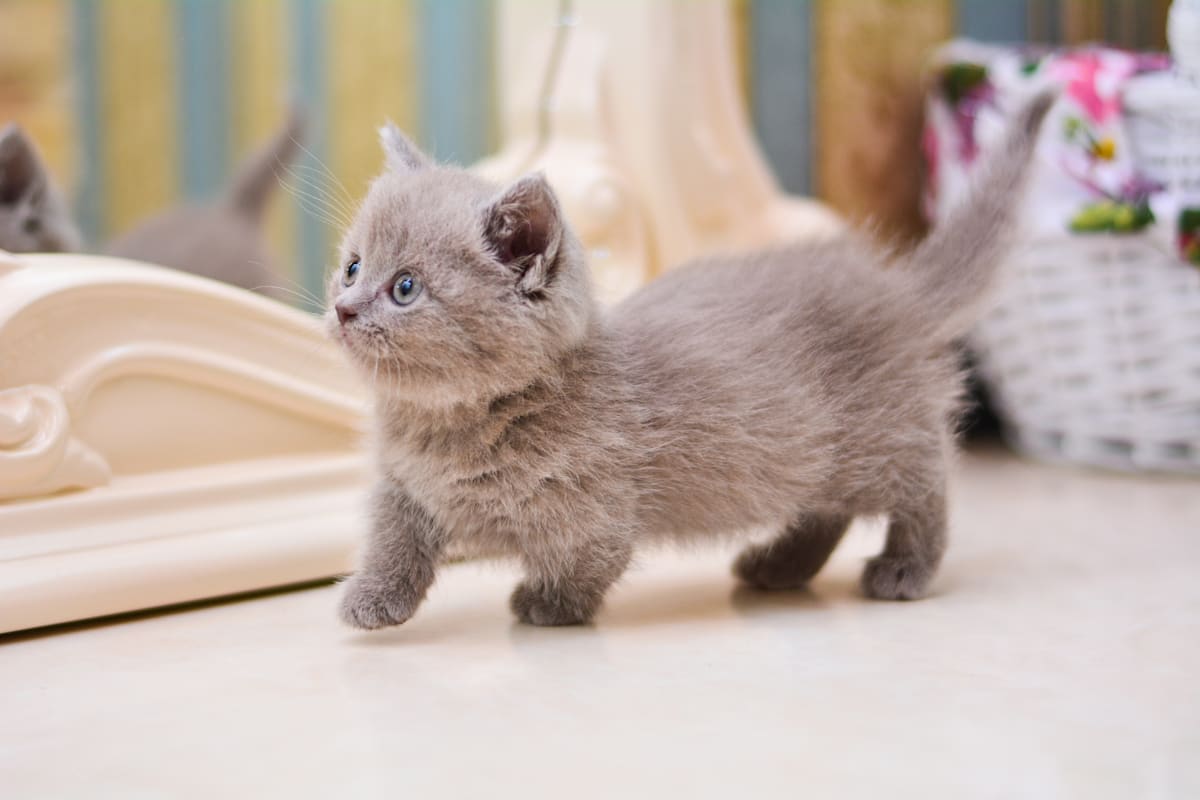
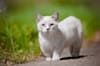
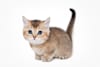
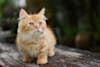
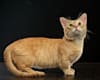
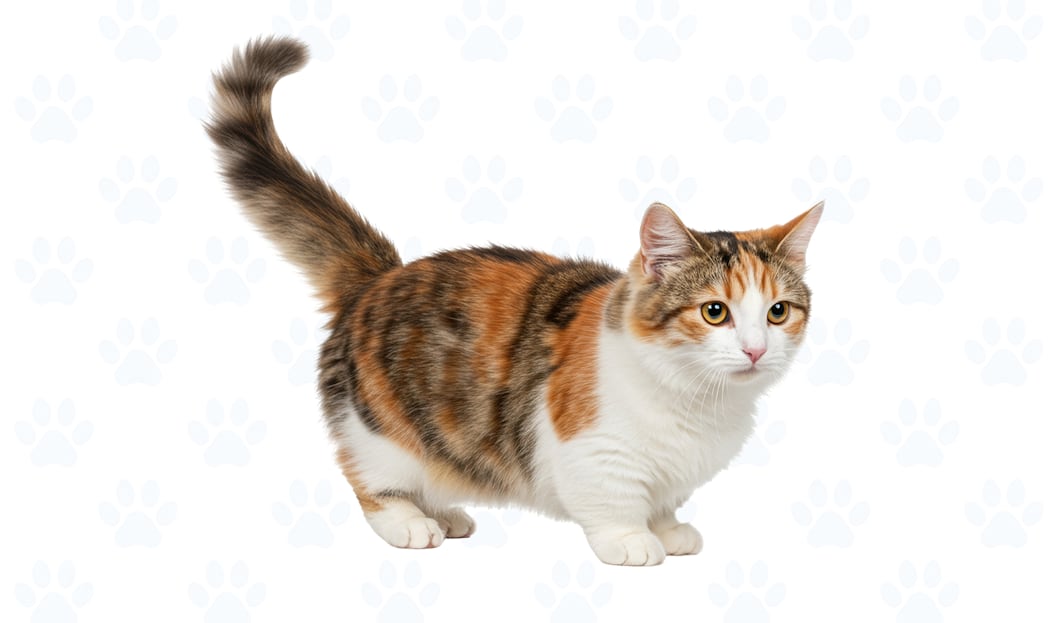
The major defining physical characteristic of Munchkin cats is their short stature, with most Munchkins clocking in between six and nine inches tall. The breed gets its short legs from a naturally occurring mutated gene, rather than a genetic modification, and can also come in long hair and short hair varieties. TICA describes the Munchkin as similar to a domestic cat but with short legs. Additionally, once the Munchkin is crossed with another breed, they are assigned a totally different breed name by TICA, Harris adds.

Size & Weight

The major defining physical characteristic of Munchkin cats is their short stature, with most Munchkins clocking in between six and nine inches tall. The average Munchkin weighs between five and nine pounds.

Full Grown
Female 6 in. / 5 lbs.
Male 9 in. / 9 lbs.

Height is measured up to the shoulders.

Female Size Chart
Height Figure
Male Size Chart
6 ft. 4 ft. 2 ft.

Cost of Owning

The average cost of owning a Munchkin is about $850 per year
$250
Vet Care
$200
Grooming & Boarding
$150
Others
$250
Food & Treats

Characteristics

Weight

The average Munchkin weighs between five and nine pounds.

Light
Heavy

Living space

As is obvious by name alone, the Munchkin is a smaller breed that doesn’t need much by way of living quarters to be happy.

City apartment
Ranch

Exercise

The Munchkin is an energetic cat that’s also very smart, so they crave lots of activity, both physical and mental.

Couch potato
Bring it on!

Personality

Friendly, fun, spritely and spirited, the Munchkin is an ultimate companion pet.

Antisocial
Outgoing

Behavior with kids

The Munchkin loves to be handled and their small size means they do fine around smaller children as well.

Always monitor
Babysitter

Shedding

The Munchkin can be either short or long haired, but both varieties are fairly easy to care for and shed minimally.

Minimal
Abundant

Climate

Since they’re a smaller breed, temperate climates are better for the Munchkin.

Warm
Cold

Temperament & Behavior

What the Munchkin lacks in height they more than makes up for in personality. This cat doesn’t mind being picked up and loves playing with their people. They’re highly intelligent and adaptable to most living situations. Outgoing with tons of energy, it’s best to keep your Munchkin physically and mentally entertained.


The Munchkin isn’t an overly noisy breed but is very attentive to what you say. Most Munchkins who are provided with lots of love, attention and mental and physical stimulation will be well behaved, while also exhibiting their trademark spunk. Munchkins are also able to jump on counters from the floor and will have to be trained not to.

Barking: Understanding your cat

Training

Habits and Exercise

Don’t let the Munchkin’s small size fool you — this cat is highly energetic and very intelligent, which means they need lots of opportunity for exercise, as well as plenty of mental stimulation. They enjoy puzzle games and other things that test their smarts.

Energy Level

Frisky, energetic breed that is always ready for action

Energy Level

Nutrition

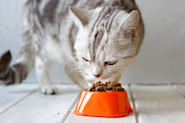
This breed should be fed a commercially available diet. This breed should be fed an age appropriate diet to help avoid obesity. Take care not to provide excessive amounts of calories to avoid obesity.

Daily Consumption

Daily consumption for an adult Munchkin is 1/4 - 1/3 cup.

Daily Consumption

Preventive care

Due to the problems with dwarfism / bone deformities, preventive care focuses on joint care and managing weight problems in this breed. Early joint supplementation with fish oil and glucosamine and chondroitin can be quite beneficial in this breed to help delay the onset of osteoarthritis. Feeding age appropriate food will help in preventing obesity and feeding for the most appropriate weight.

Inherited health issues

The Munchkin cat is a very healthy cat breed with few specific health problems. Most problems stem from the conformation of the body leading to bone problems. These may include, but are not limited to, the following: Lordosis, Osteoarthritis and Scoliosis.

Life Span

Munchkins that are well cared for can live between 12 and 18 years.

Life Span

Did you know?

  • The Munchkin is sometimes referred to as a magpie because of their propensity for staring at shiny objects.
  • Munchkins are also well known for their prairie dog-like stance. They sit up on rear legs to get a higher view of the world, says Harris.
  • Most Munchkins are great at playing fetch.
  • The Munchkin’s short stature is the work of a naturally occurring gene mutation.

Coat and Grooming

A Munchkin’s coat will vary in length — they can be either short or long haired. In general, though, most Munchkins have easy to manage coats, with weekly brushings being enough to care for it.

Coat length

Long or Short

Coat length

Grooming

Occasional

Grooming

Shedding

Most Munchkins are average shedders.

History

Reports of short-legged cats have appeared throughout history, but the Munchkin has been scientifically proven to have a unique feline gene for dwarfism, unlike humans or canines, says Harris. Although the breed stems from a natural genetic mutation, breeders have since discovered that the Munchkin’s short legs have a dominant inheritance pattern, which can be passed on from either parent. In 1994, TICA’s new breed development program began working on the Munchkin’s development, and the breed achieved recognition in 2003. The Cat Fanciers’ Association, however, still does not recognize the Munchkin breed.