












Petco Text Logo
Petco Pet Logo
Author Profile Photo
Written by Cheryl Lock

About Exotic Shorthair

While they’re most likely to be found lounging on your lap, an Exotic Shorthair also has a playful side. Generally easygoing and devoted, the Exotic Shorthair makes a fantastic family cat.


Origin: United States   Other Names: The Lazy Man’s Persian, Exotics, Shorthair Persian

Petco Pet Education Center

General appearance

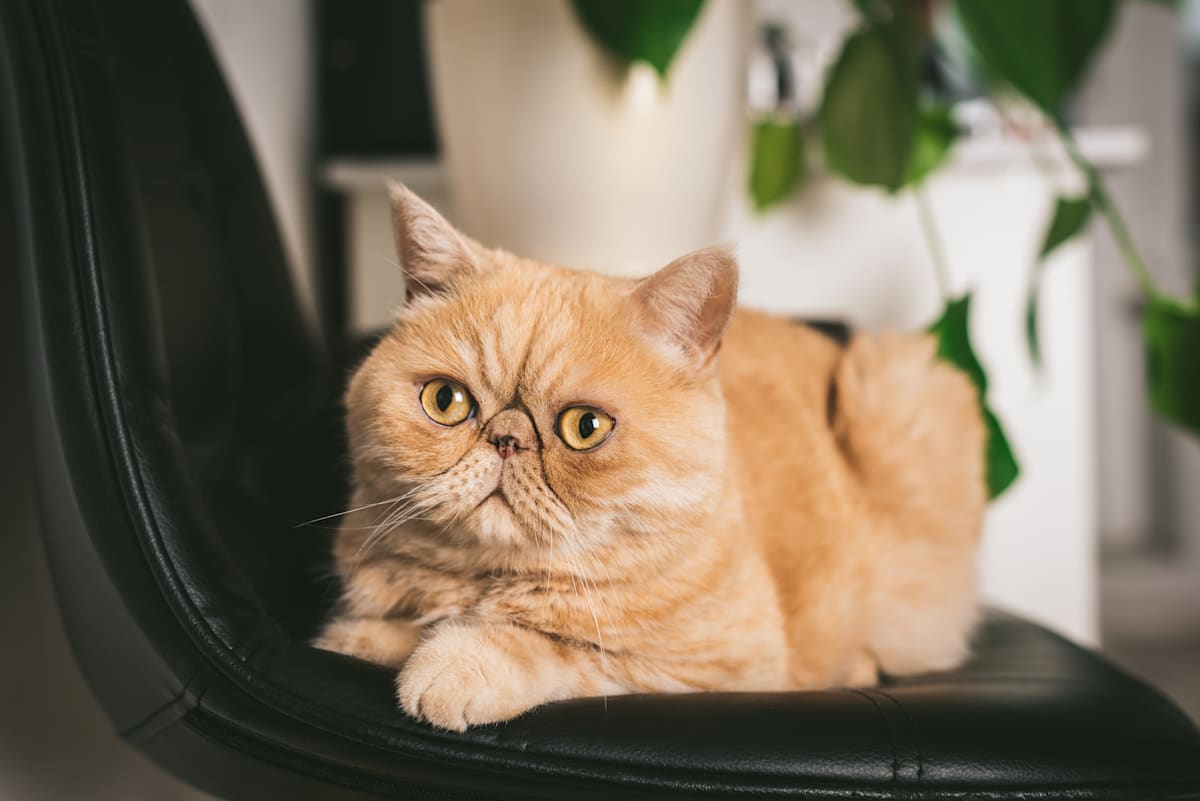
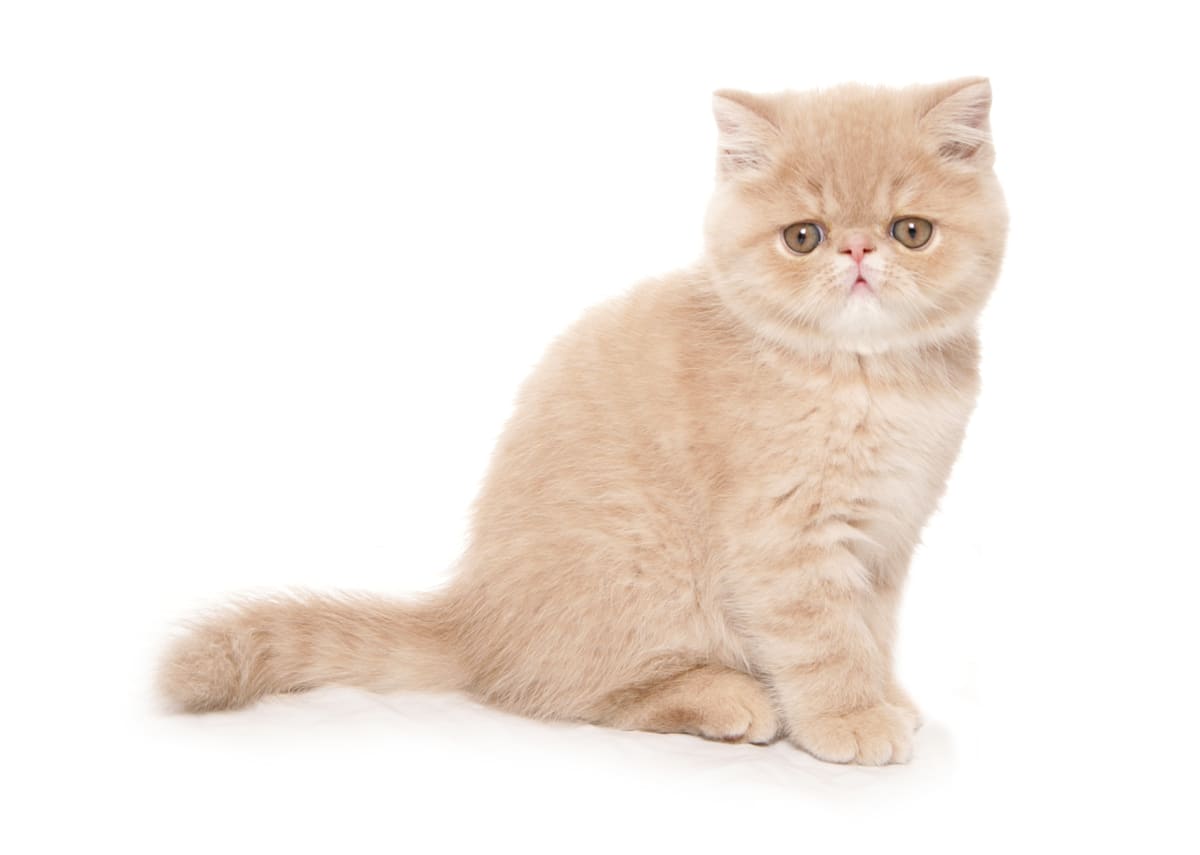
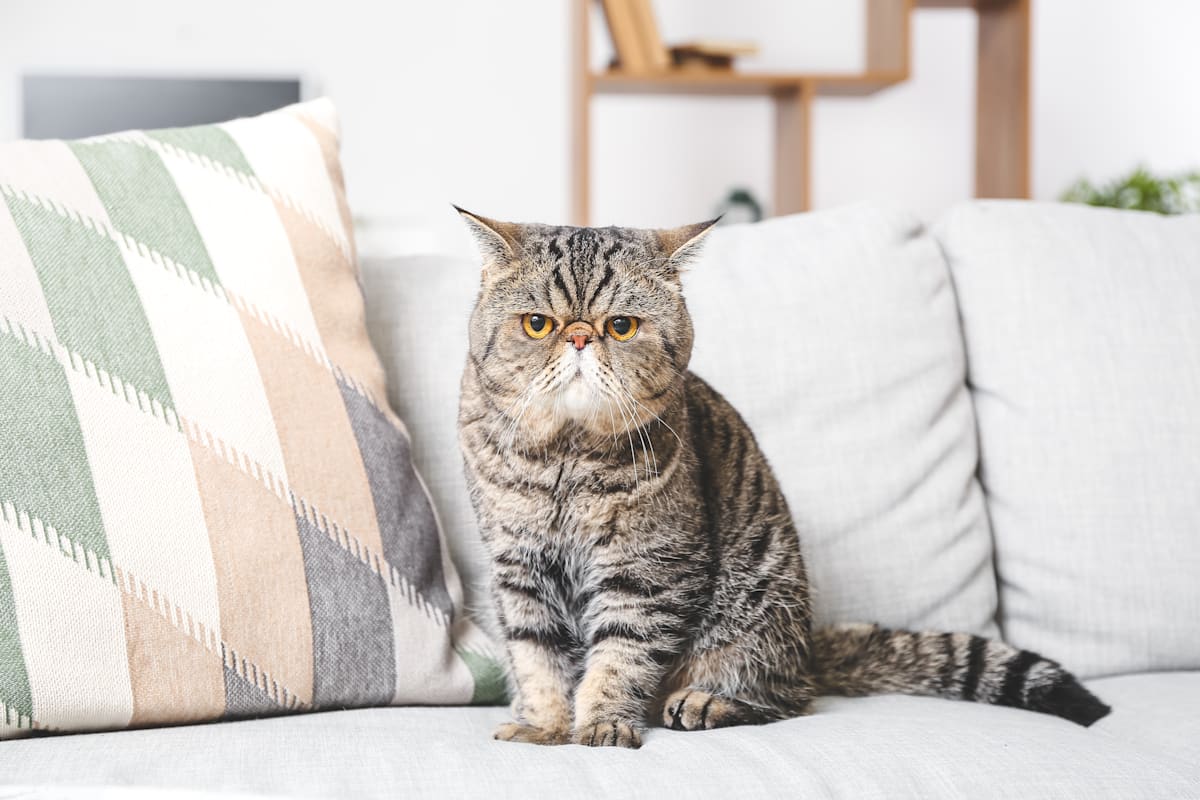
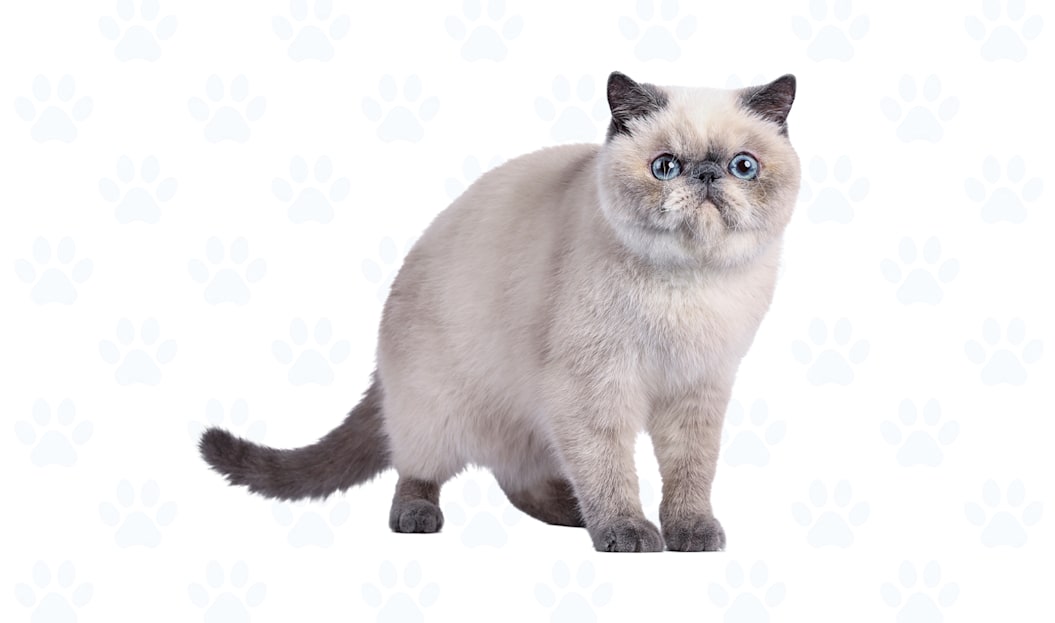
The Exotic Shorthair has an appearance very similar to that of a Persian, with their short, dense coat being a main difference. Other than that, they have a similarly shaped short, square and heavily boned body with a short nose, rounded eyes and low-set ears. Exotics are also recognized in all the same colors as Persians, including white, blue, black, red, cream, chocolate, lilac, chinchilla silver and other silver patterns, tortoiseshell and tabby.

Size & Weight

Exotic Shorthairs can weigh between 7 and 12 pounds. They grow to between 10 and 12 inches at the shoulder.

Full Grown
Female 10 in. / 7 lbs.
Male 12 in. / 12 lbs.

Height is measured up to the shoulders.

Female Size Chart
Height Figure
Male Size Chart
6 ft. 4 ft. 2 ft.

Cost of Owning

The average cost of owning an adult Exotic Shorthair is $800 per year.
$250
Vet Care
$200
Grooming & Boarding
$150
Others
$200
Food & Treats

Characteristics

Weight

Exotic Shorthairs can weigh between 7 and 12 pounds.

Light
Heavy

Living space

A medium-sized breed, the Exotic Shorthair is happy in any space where they are loved and cared for.

City apartment
Ranch

Exercise

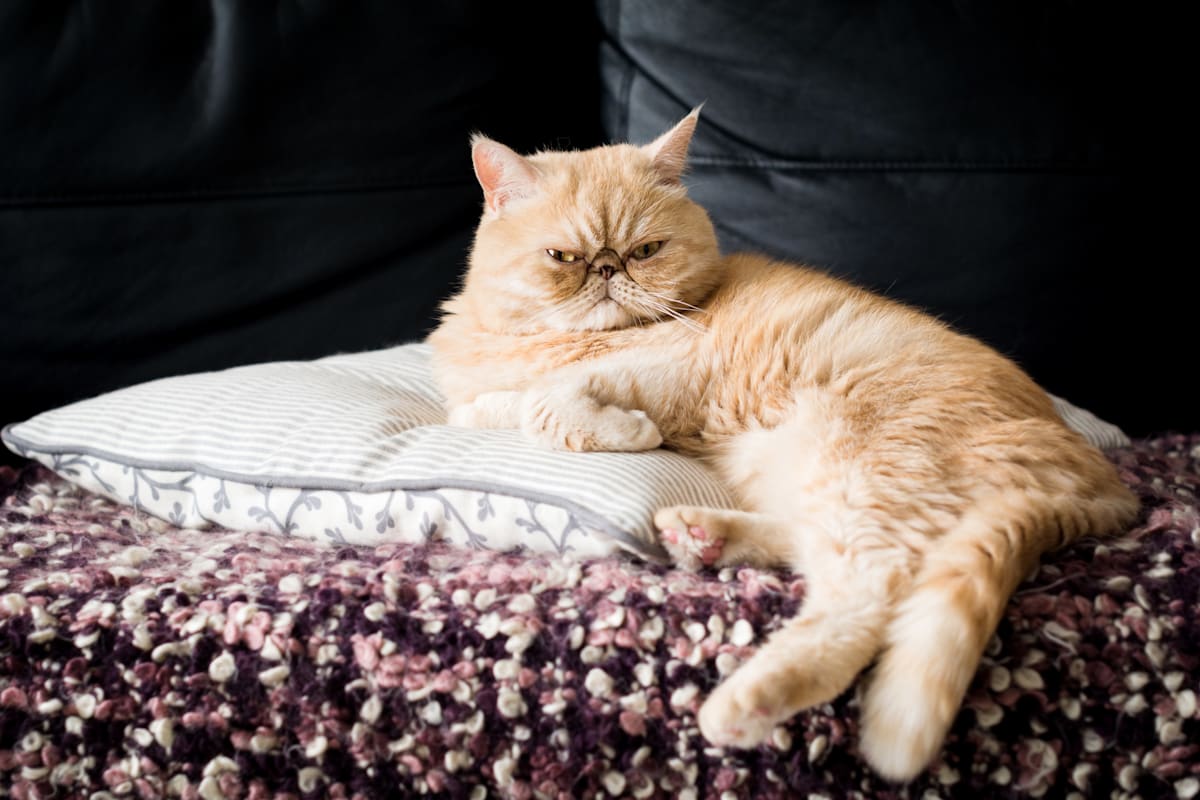
Although this breed is inquisitive and likes to play, you’ll mostly find them lounging next to their owner or directly in their owner’s lap.

Couch potato
Bring it on!

Personality

Sweet and gentle, loving and loyal, the Exotic Shorthair is a great option for families.

Antisocial
Outgoing

Behavior with kids

This cat loves to cuddle and an Exotic makes a great companion for kids.

Always monitor
Babysitter

Shedding

The Exotic sheds seasonally — and the shedding is especially heavy when they drop their undercoats — but their short coat doesn’t tend to mat or tangle and needs minimal care.

Minimal
Abundant

Climate

The Exotic’s shorter nose and air passages makes them more sensitive to heat and high humidity, so be sure to keep the air on during the summer months.

Warm
Cold

Temperament & Behavior

An Exotic makes a perfect family pet because of their sweet, gentle and playful nature. They are livelier than a Persian while remaining affectionate. This is a social breed that loves to be with their people, and they don’t like to be left alone for long periods of time.

Barking: Understanding your cat

Training

Habits and Exercise

Traditionally a calm and gentle breed, the Exotic may become vocal when they want attention or are lonely. They have a soft, chirping voice when they speak.


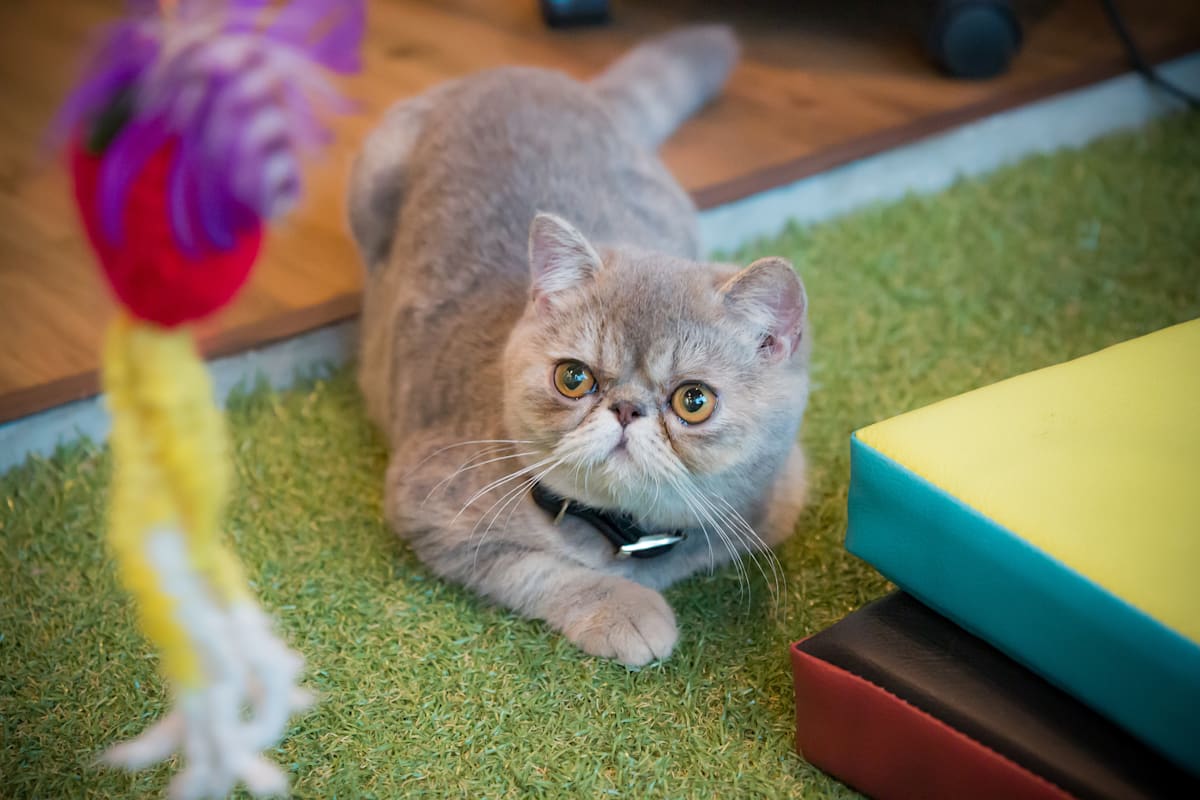
Although they are mostly a calm breed, Exotic Shorthairs are more playful than their Persian counterparts, and they do enjoy a good game of chasing a ball or feather. Like most cats, some daily activities will keep them from gaining too much weight. Also keep in mind, they are apt to jump into anything that’s open.

Energy Level

Enjoys some moderate exercise every now and then

Energy Level

Nutrition

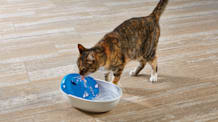
The importance of a proper diet cannot be emphasized enough. Feed a high quality feline diet appropriate for your cat’s age. It is important that your cat drinks adequate amounts of water. If your cat does not drink enough water out of the water bowl, then consider using a recirculating water fountain as some cats enjoy running water rather than standing water.

Daily Consumption

An adult Exotic eats 1/4 to 1/2 cup of dry food per day.

Daily Consumption

Preventive care

Many of this cat breed’s common health problems involve the conformation of the head and nose. Brachycephalic airway syndrome can cause serious potentially life threatening problems such as airway obstruction. It is important to ensure that the environmental temperature does not become too hot so that the cat does not overheat. Ensuring regular annual examinations and annual blood testing to check for any health problems is highly recommended as kidney disease and urinary tract problems can become quite common in this breed. Routine dental cleanings once or twice yearly can help prevent dental disease.

Inherited health issues

Many diseases and health conditions are genetic, meaning that they are related to your pet’s breed. The conditions listed here have a significant rate of occurrence or a strong impact upon this particular breed. This does not mean that your cat will have these problems, only that he may be at more of a risk than other cats for developing these conditions: Polycystic Kidney Disease, Urolithiasis, Brachycephalic syndrome, Separation Anxiety, Hip Dysplasia, Portosystemic shunt, Feline Lower Urinary Tract Disease (FLUTD), Cataracts, Eyelid agenesis, Heart Disease and FIP / FeLV Susceptibility.

Life Span

An Exotic Shorthair can live 15 years or more.

Life Span

Did you know?

  • The Exotic Shorthair breed came about accidentally when an American breeder crossed a Persian with a brown Burmese, hoping to create a brown-colored Persian cat.
  • An Exotic Shorthair has all the same characteristics as a Persian, but with easier-to-handle hair.

Coat and Grooming

Exotics don’t require the extensive grooming that Persians do, but their coat does require some care. Although their short coat does not tend to mat or tangle easily, grooming it once or twice a week will keep stray hairs at bay.

Coat length

Short

Coat length

Grooming

Frequent

Grooming

Shedding

The Exotic sheds seasonally, with additional grooming and bathing required during seasonal sheds keep stray hairs at bay and to keep the coat healthy.


“Shedding generally occurs with the change of seasons, especially in the summer,” says Cooke. “I would comb and bathe as needed until all the undercoat is done shedding out.” Cooke recommends using a small metal comb and combing backwards to get as much fur as possible when grooming.

History

The history of the Exotic Shorthair began around the late 1950s, when an American breeder by the name of Carolyn Bussey crossed a Persian with a brown Burmese, hoping to create a brown-colored Persian cat. The resulting black kittens, while not what she expected, were very cute, and Bussey imagined cat lovers would enjoy a shorter-haired version of a Persian that was easier to groom but still had most of the same characteristics of the traditional Persian, like their beauty and easy-going charm. These days, Exotics are limited to crosses with Persians in order to keep their pedigreed status. The Exotic Shorthair was granted Championship Status in 1967 by the CFA and in 1991 it was named the CFA’s “Cat of the Year.”