Petco Text Logo
Petco Pet Logo
Author Profile Photo
Written by Cheryl Lock

About Burmese

Friendly and fun, loving and loyal, the Burmese makes for a great family pet. They love attention, but aren’t overly demanding of it, and their intelligence makes them great candidates for learning to play games, like fetch. This breed has won over many fans who are more than happy to return the affection they receive from these feline companions.


Origin: Myanmar (Burma), Thailand   

Petco Pet Education Center

General appearance

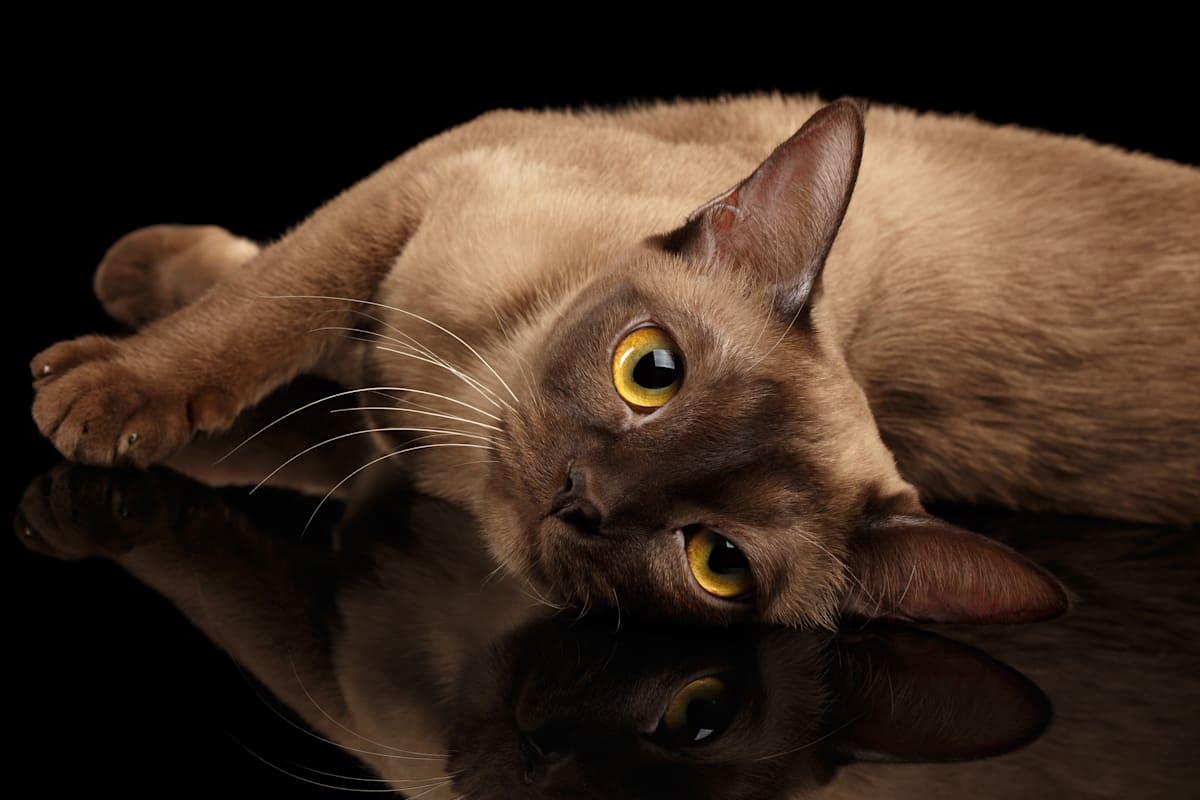
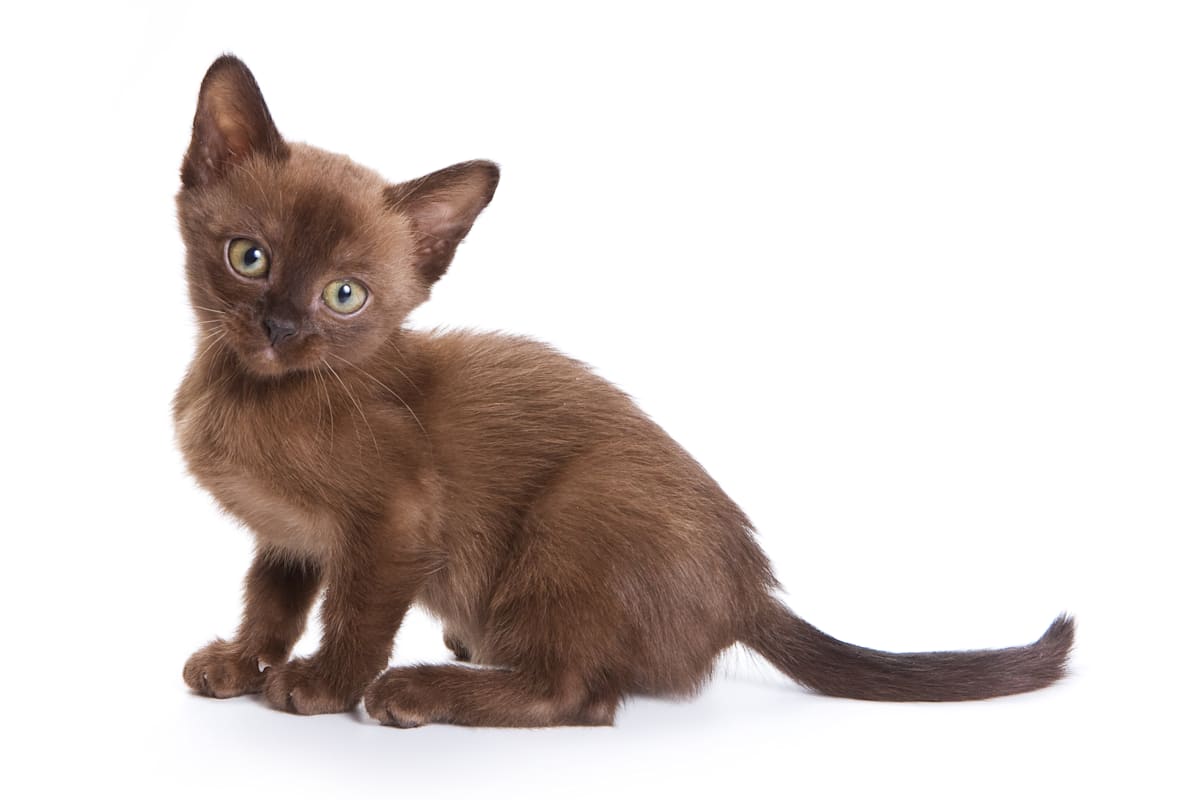
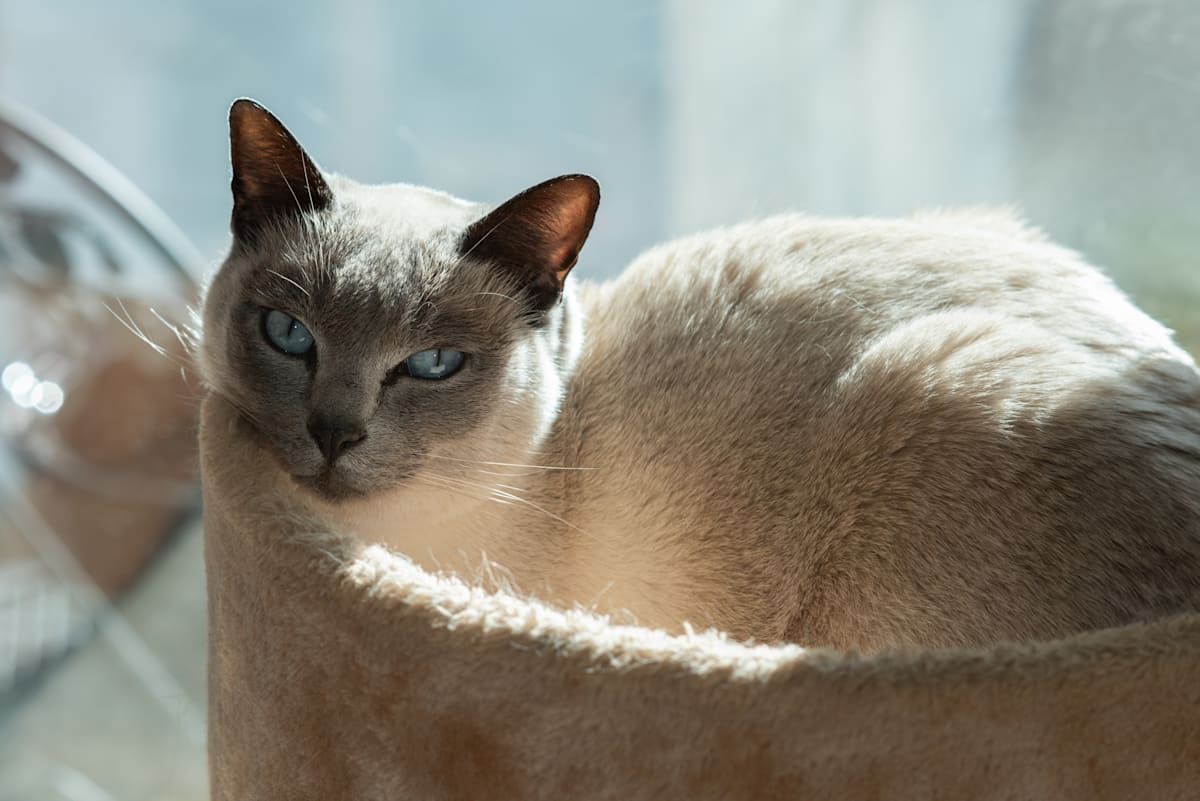
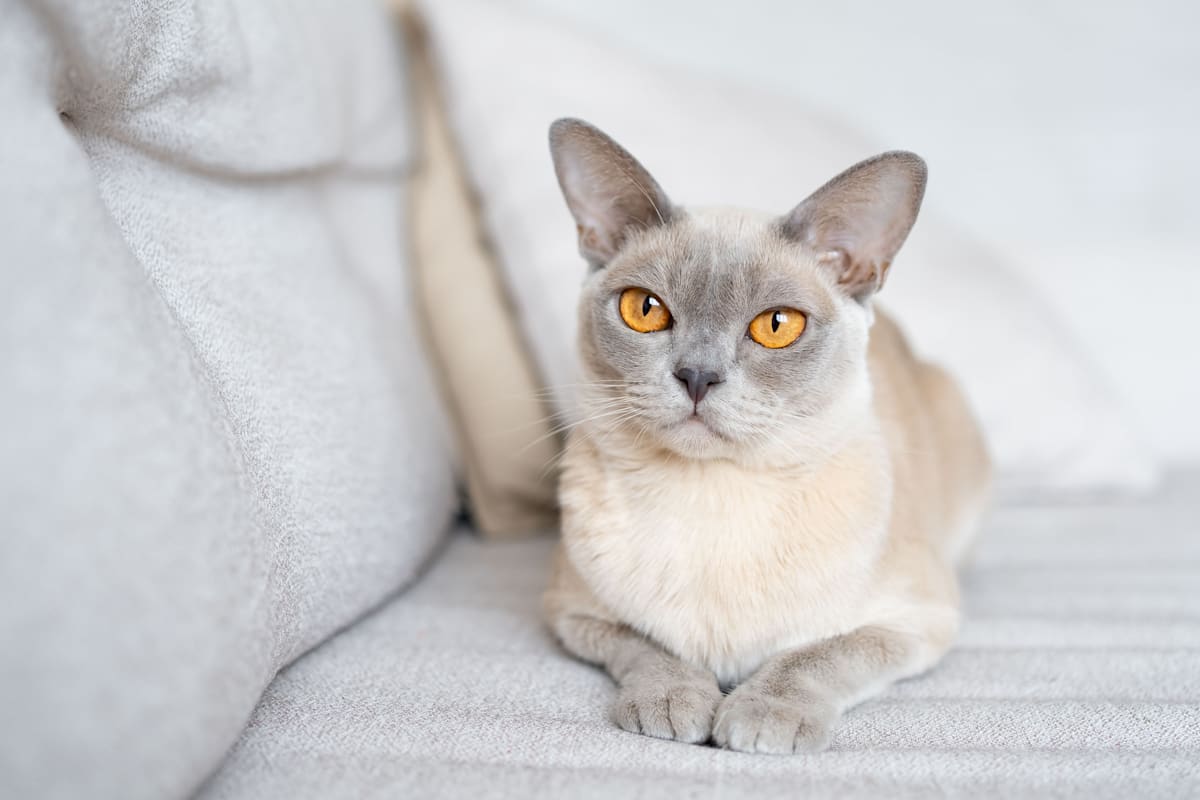
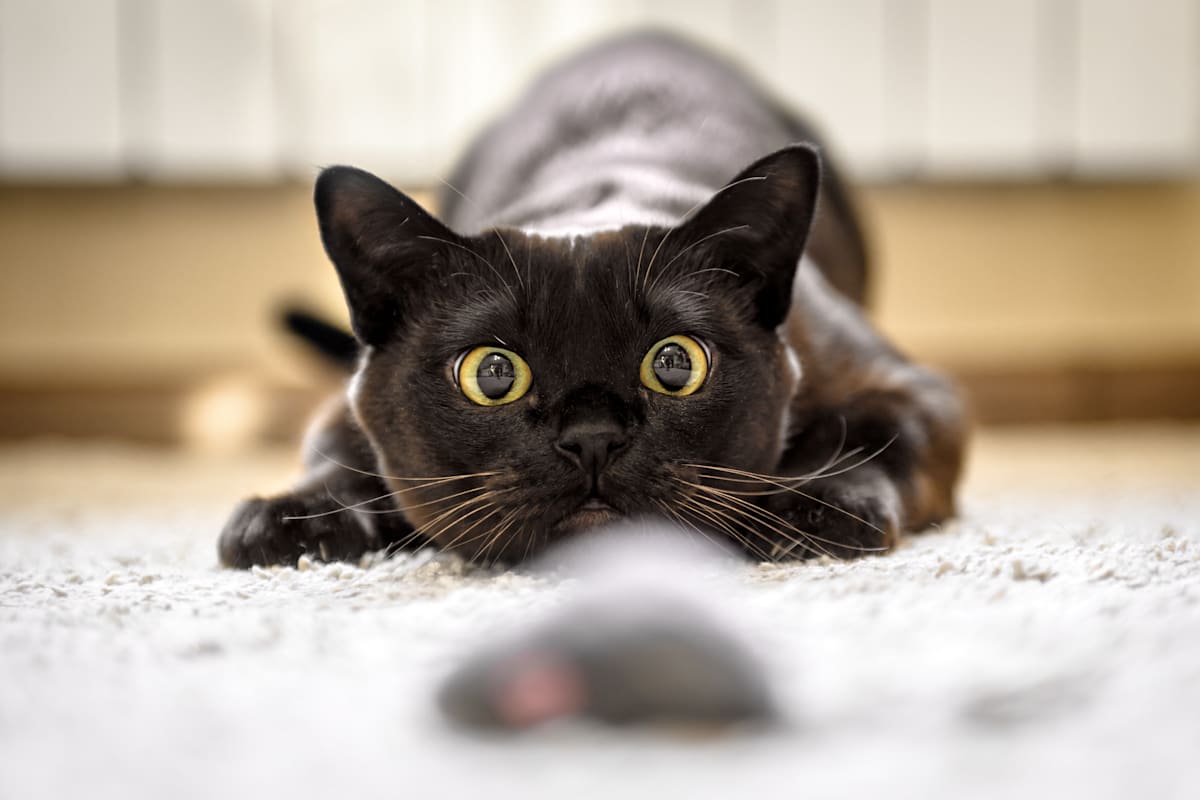
While they do have a somewhat characteristic look, the Burmese actually comes in a variety of styles and conformations. Four different colors are recognized by the Cat Fanciers’ Association, including the original sable, champagne, platinum and blue. Burmese cats with rounder heads and shorter bodies tend to be the show-ready versions of the breed. Their large, expressive eyes range from yellow to gold, and while they are compact, they can also be very heavy. They are often referred to as “bricks wrapped in silk,” says Vivian Baylor, president of the National Alliance of Burmese Breeders, in that they are surprisingly dense and heavy for their size and their fur is soft, smooth and sleek.

Size & Weight

An adult Burmese can weigh anywhere from 8 to 14 pounds.

Full Grown
Female 10 in. / 10 lbs.
Male 12 in. / 14 lbs.

Height is measured up to the shoulders.

Female Size Chart
Height Figure
Male Size Chart
6 ft. 4 ft. 2 ft.

Cost of Owning

The average cost of owning a Burmese is $950 per year
$300
Vet Care
$250
Grooming & Boarding
$200
Others
$200
Food & Treats

Characteristics

Weight

A typical Burmese weighs anywhere from 8 to 14 pounds.

Light
Heavy

Living space

While the Burmese is happy to be anywhere with its people, this athletic and intelligent cat does well with a little extra space to play and explore.

City apartment
Ranch

Exercise

The Burmese is a very active and agile cat that requires daily doses of exercise (bonus points if the exercise is both physical and mental!) to stay happy.

Couch potato
Bring it on!

Personality

The Burmese is absolutely a people cat, happiest when cuddling or chatting with his favorite humans.

Antisocial
Outgoing

Behavior with kids

Their happy-go-lucky attitude and friendly nature makes the Burmese a perfect companion for kids.

Always monitor
Babysitter

Shedding

The silky fur of the Burmese is easy to care for and requires very little attention.

Minimal
Abundant

Climate

Although descended from Burma, today’s domestic Burmese cats prefer their weather more temperate.

Warm
Cold

Temperament & Behavior

Life with a Burmese is never boring, and you should not bring a Burmese cat home unless you are ready to love and pay attention to it. In fact, “you may have to lock your cat out of the room to work on the computer, unless you want to share the keyboard,” says Dr. Karen Thomas, CFA Burmese Breed Council Secretary. This breed belongs to its people, and it will spend all day following, playing with and chatting to the humans it loves.


“Because of their curiosity and their love of people, they will often come to the door when you have visitors and they tend to want to be with your visitors,” says Baylor. They also typically get along with dogs.


As social cats, they don’t do well when left alone, so if you work long hours, consider bringing home another Burmese so they can keep each other company. Keep in mind also that “no shelf or ledge is too high for a Burmese to reach,” says Thomas, so be sure to keep anything dangerous locked behind closed doors, not just up on high shelves.

Barking: Understanding your cat

Training

Although compact in size, don’t let the Burmese fool you — they require daily stimulation, both through physical and mental activity. Puzzles are a favorite pastime, as is playing games, like fetch.

Habits and Exercise

Though the Burmese loves attention, they don’t tend to be overly cloying, unless it becomes necessary. They are a vocal breed, however, and will attempt to communicate through meows. Since they are also smart and athletic, Burmese cats crave entertainment that’s both physical and mentally active. They can be taught to play games, like fetch, and their playing and spirited nature can last well into adulthood. “They are constantly wanting to be with people,” says Baylor. “They are very curious. If you open a door, drawer or cabinet, the Burmese will often dart in before you know it.”
Energy Level

Frisky, energetic breed that is always ready for action

Energy Level

Nutrition

Burmese cats should be fed portion-controlled meals of a high-quality balanced diet. As active cats, they can typically maintain a healthy body weight, provided that they are fed properly. Avoid offering table scraps or excessive quantities of treats, as these can quickly pack on unwanted weight.

Daily Consumption

An adult Burmese eats 1/3 to 1/2 cup of dry food per day

Daily Consumption

Preventive care

Certain conditions can occur more frequently in the Burmese than in other breeds, but none of these conditions can be definitively prevented. Instead, Burmese cats should be monitored at home for changes in their litter box habits and overall well-being. Calcium oxalate bladder stones and crystals can cause cats to strain while urinating, blood in the urine and can be associated with urethral obstruction, which is an emergency.


Maintaining regular visits to a veterinarian is the best way to detect any new or subtle changes in your Burmese before these changes become more significant problems. As with all cats, utilizing routine flea preventives, deworming medications and monitoring your cat at home for any changes are all critical steps in keeping a Burmese happy and healthy.

Inherited health issues

The Burmese are generally a healthy breed, but as with all breeds, certain health conditions can occur at increased frequency within the breed or associated with genetics. These conditions may include, but are not limited to, the following: Endocardial fibroelastosis, Psychogenic alopecia, Feline infectious peritonitis, Hypokalemic polymyopathy, Feline hyperesthesia syndrome, Ocular dermoid, Corneal sequestrum, Glaucoma, Prolapse of the gland of the third eyelid and Calcium oxalate urolithiasis.

Life Span

On average, Burmese cats live to be 10 to 13 years old.

Life Span

Did you know?

  • The Burmese cats we know today all descended from a single cat brought over from Burma named Wong Mau.
  • Burmese are one of the more vocal breeds, happy to “chat” with their owners through their customary chirps, twills and tweets.
  • The Burmese is a highly intelligent and sociable cat that has been compared to a dog. They can even be taught to play fetch.

Coat and Grooming

The silky, short coat of the Burmese comes in many colors with four being recognized by the Cat Fanciers’ Association — sable, champagne, platinum and blue. The coat lies close to the skin, so very little grooming is needed.

Coat length

Short

Coat length

Grooming

Occasional

Grooming

Shedding

The soft Burmese coat sheds very little and a weekly brushing should keep stray hairs at bay.

History

It is said that the Burmese was introduced to the United States in 1930. Dr. Joseph Thompson was introduced to a small female cat from Burma on the docks in San Francisco named Wong Mau. He then bred her with a male seal-point Siamese cat. By using selective breeding, a brown color — known as sable — became the dominant color of this particular breed.