











Petco Text Logo
Petco Pet Logo
Author Profile Photo
Written by Cheryl Lock

About Bengal

Confident and curious, fun-loving and active, the Bengal cat makes for a great family pet. The Bengal is also affectionate and charming in nature but isn’t necessary a lap cat because it loves to be on the move.


Origin: United States   

Petco Pet Education Center

General appearance

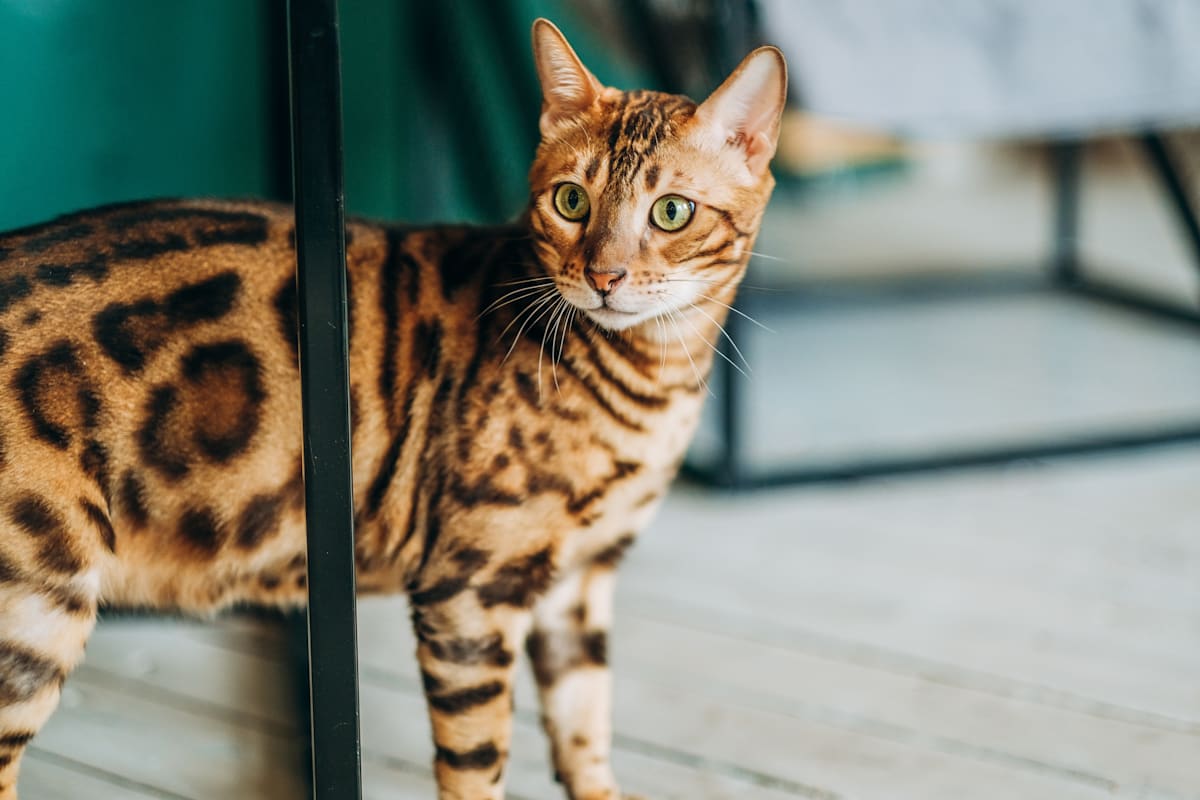
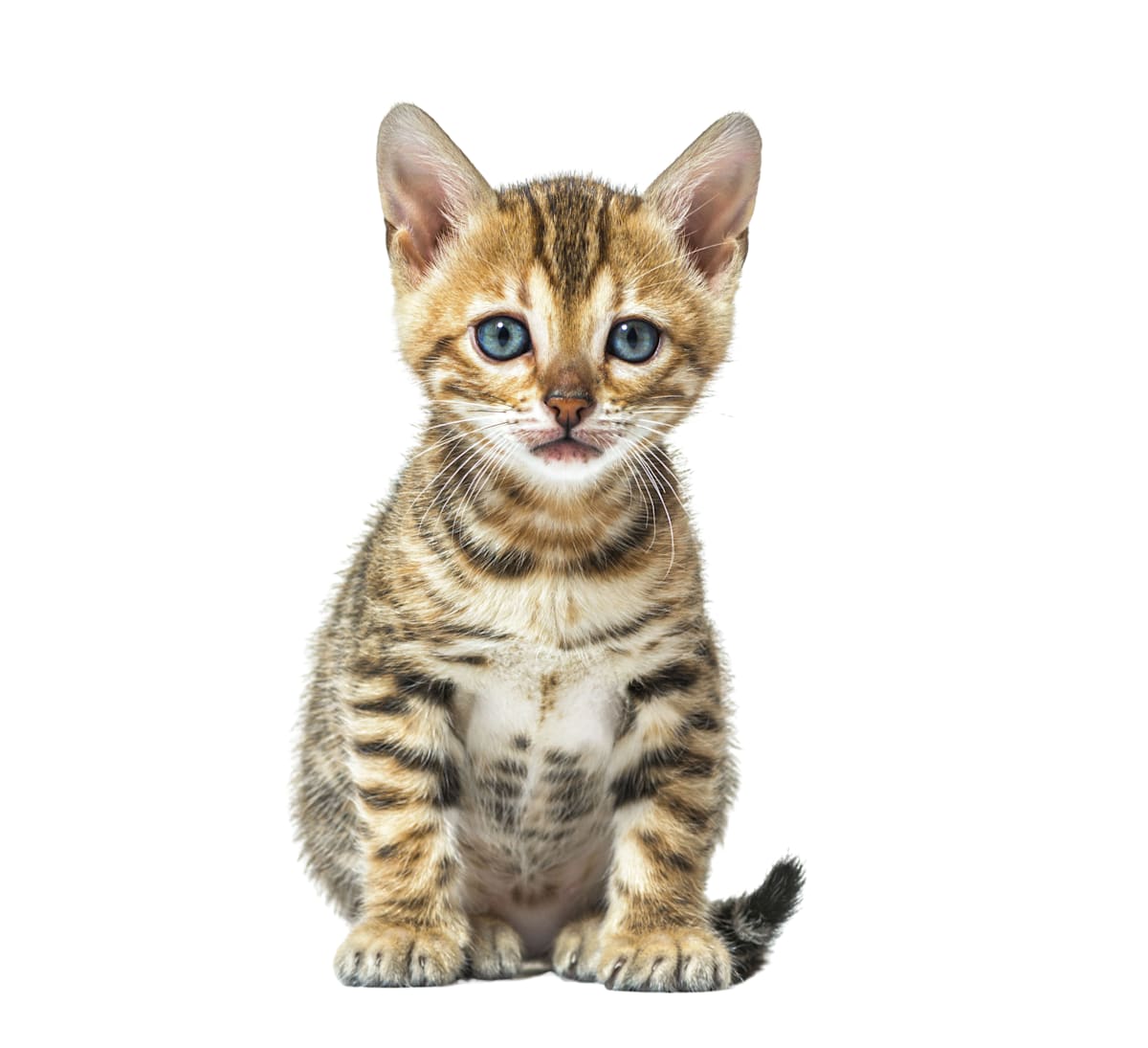
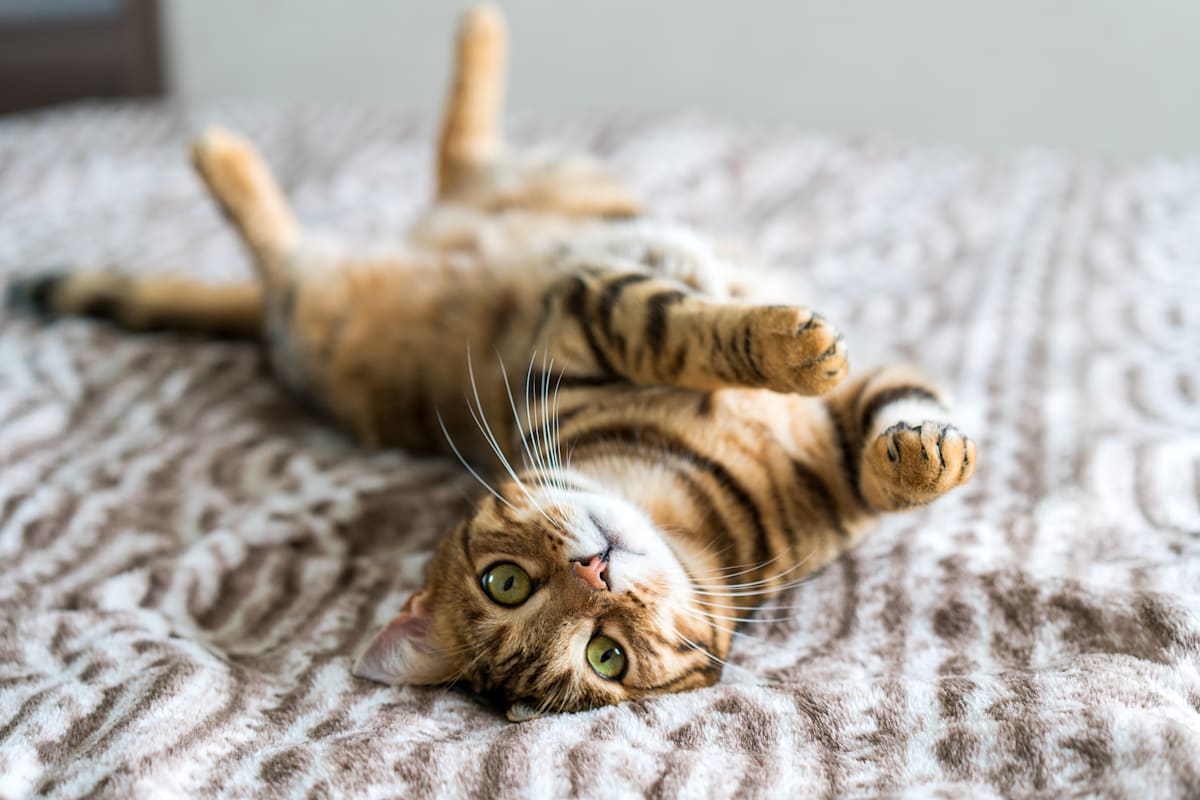
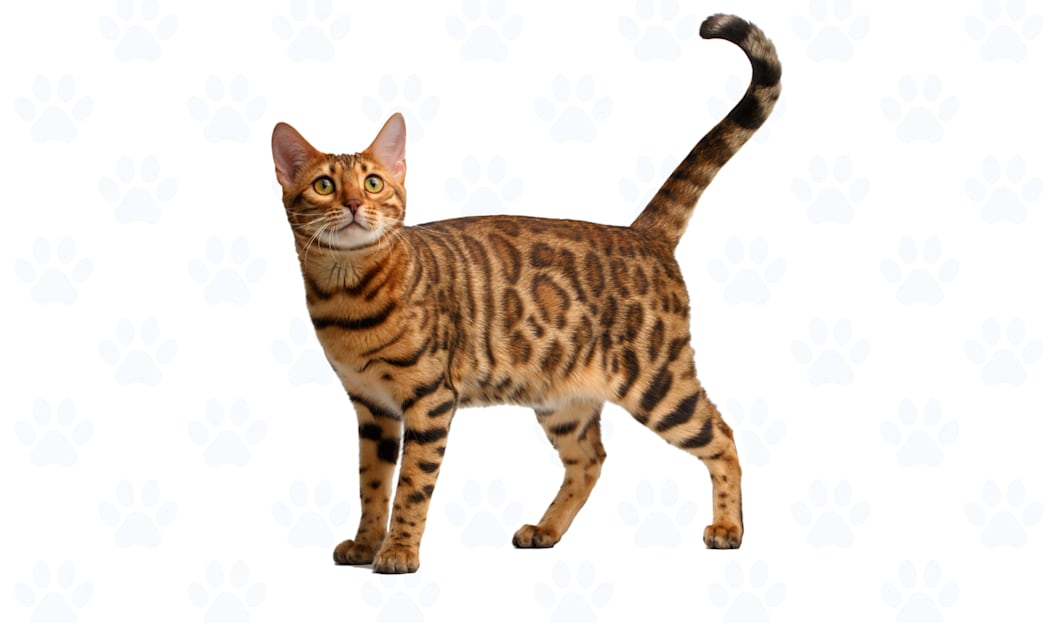
The Bengal is best known for its characteristic rosettes, or spots, that closely resemble a wild cat. While the International Cat Association (TICA) recognizes the main colors of brown, seal lynx, seal mink, sepia and silver, a Bengal’s coat can come in many other colors, including golden, rust, sand, ivory and buff. The color of their spots may also vary between rust, cocoa or chocolate brown, black, or charcoal. “Bengals are classified as either spotted/rosette or marble patterned,” says Jessica Petras of a Bengal breeding cattery.


In addition to their unique coats, the breed’s large, oval eyes that are green, yellow, gold, blue or aqua in color give the Bengal an inquisitive, wild expression.

Size & Weight

Bengals are a long and lean medium to large sized breed and generally weigh between 8 and 15 pounds. The can reach 16 inches in height.

Full Grown
Female 10 in. / 8 lbs.
Male 16 in. / 15 lbs.

Height is measured up to the shoulders.

Female Size Chart
Height Figure
Male Size Chart
6 ft. 4 ft. 2 ft.

Cost of Owning

The average cost of owning a Bengal is $1050 per year
$250
Vet Care
$250
Grooming & Boarding
$250
Others
$300
Food & Treats

Characteristics

Weight

Bengals generally weigh between 8 and 15 pounds.

Light
Heavy

Living space

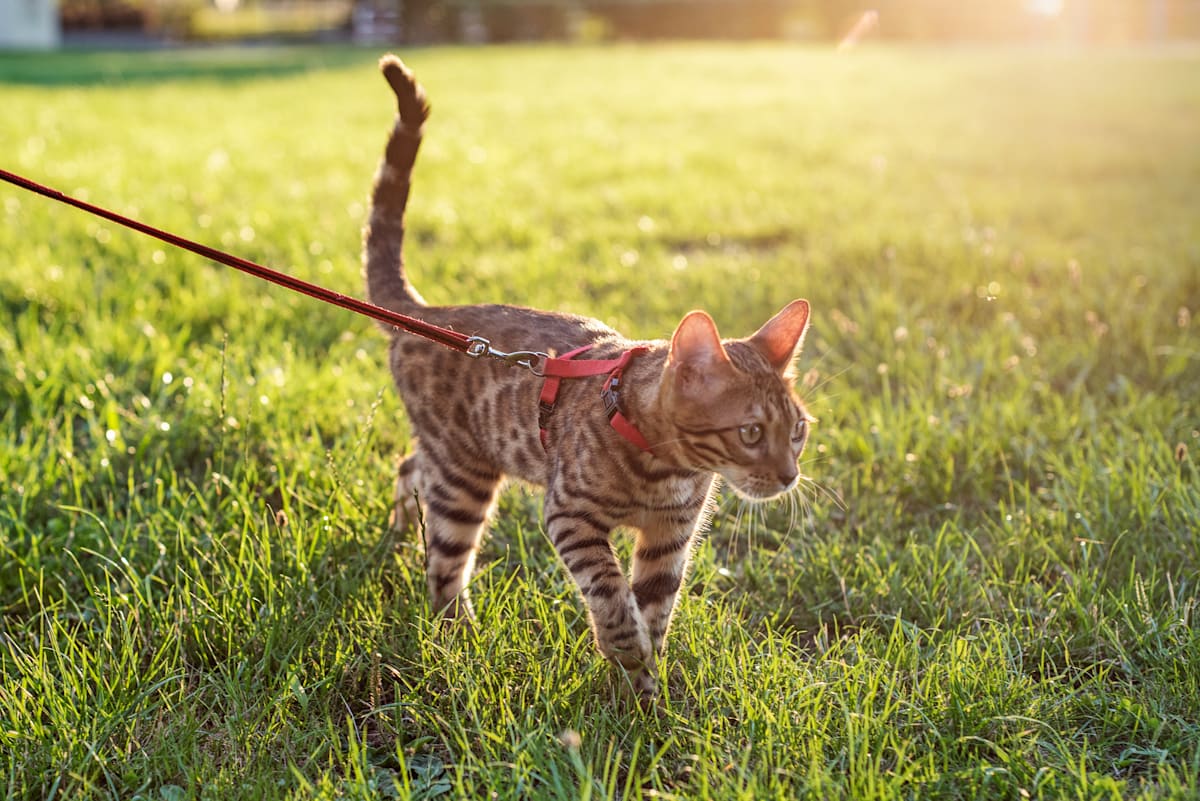
As a medium-to-large breed with a lot of energy, the more space you have for your Bengal, the better. In addition, you’ll want to consider taking your Bengal for outdoor walks on a harness and leash, or to provide him with ample opportunities to bird watch in an enclosed area.

City apartment
Ranch

Exercise

The Bengal is a breed best suited for those with lots of energy to spare, since they are highly curious and constantly on the move.

Couch potato
Bring it on!

Personality

Confident and devoted, curious and athletic, the Bengal is the full package.

Antisocial
Outgoing

Behavior with kids

The active Bengal breed does well with kids who love to play and entertain, although it’s important to be sure that a Bengal has an opportunity to escape the prying hands of a toddler.

Always monitor
Babysitter

Shedding

Their short, soft coat needs little care and a weekly brushing should keep it in tip-top shape.

Minimal
Abundant

Climate

Bengals can get cold in severe environments, but they are usually fine under normal conditions, especially when they stay inside.

Warm
Cold

Temperament & Behavior

While it can be very enjoyable to live with a cat who is both intelligent and highly active, it can also be a lot of work. Bengals are friendly and fun, but they don’t do well when they’re bored and require a lot of activity and engagement to stay entertained. “Bengals actually thrive better with a playmate,” says Petras, “and it’s recommended to have them in pairs or with another active cat.”


Bengals love their owners, and they show that love with lots of affection, coupled with a need for interaction. Bengals who are bored can get into trouble, exhibiting excessive meowing, scratching or other unwelcome behavior. They are excellent at jumping, as well, so any dangerous materials should be kept locked away at all times.

Barking: Understanding your cat

Training

Bengals are a highly energetic and active breed, and when they are left to their own devices without much interaction, they are known to get into trouble. They may meow loudly, or even scratch at furniture or other unwanted items when bored. The best way to keep Bengals happy is to keep them entertained. This breed loves to play games, and can even be trained to walk outside on a harness and leash. Some members of this breed love water and will be happy to hop in the shower with you or take a bath.

Habits and Exercise

Bengal cats need a lot of attention and exercise to remain happy. They are easy to train and love to play fetch, among other games, and they can even be taught to walk on a leash. Bird watching is a favorite pastime of theirs, so set your Bengal up with a picture window or an enclosed area outside. “Many also enjoy running on a cat wheel and playing with water,” says Petras.

Energy Level

Frisky, energetic breed that is always ready for action

Energy Level

Nutrition

Despite their high energy level, if offered too much food or too many treats, Bengal cats can easily become overweight. Owners of Bengal cats should take care to feed a high quality balanced diet with portion controlled meals.

Daily Consumption

An adult Bengal eats 1/3 to 1/2 cup of dry food per day

Daily Consumption

Preventive care

As with all domesticated cats, Bengals can become infected with feline leukemia virus (FeLV) when contacted with the bodily fluids of previously infected cats. Although the Asian Leopard cat, one of the Bengal’s ancestors, has been studied for their resistance to FeLV, it is important to note that Bengals are indeed susceptible to FeLV. As with all cat breeds, owners of Bengals that are at an increased risk of exposure to FeLV should discuss the FeLV vaccine with their veterinarian.


Bengal cats should be examined by a veterinarian once or twice per year to evaluate their overall health and discuss the preventative measures that are necessary for an individual cat’s lifestyle.

Inherited health issues

As with all breeds of cats, Bengals can experience certain health conditions at an increased frequency within the breed or as a result of genetics. These conditions may include, but are not limited to, the following: Feline infectious peritonitis (FIP) and Peripheral polyneuropathy

Life Span

On average, Bengal cats live to be between 12 and 16 years old.

Life Span

Did you know?

  • The Bengal is the only TICA-recognized breed with rosette patterns.
  • Most Bengals love water. While this can be fun at times, it also means that they probably won’t do well with an aquarium in the house.
  • Bengals love to play games and can even be taught to walk on a leash.

Coat and Grooming

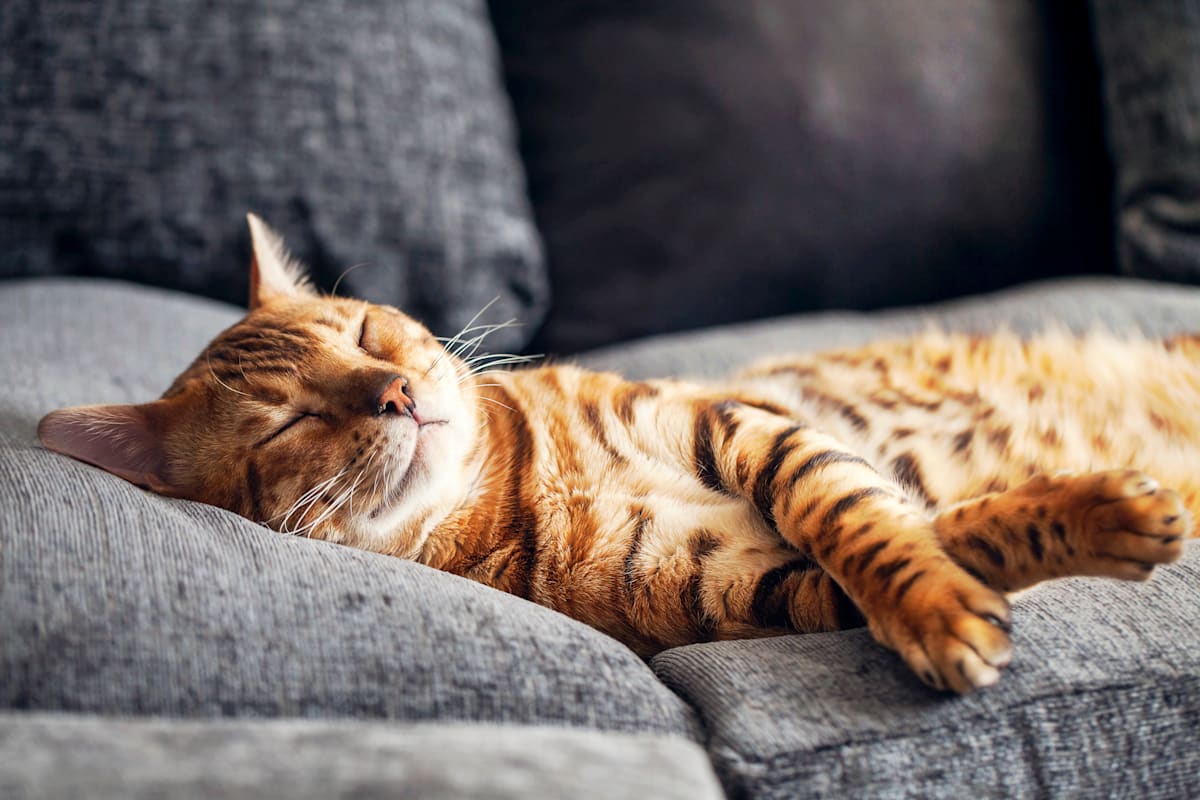
The Bengal’s characteristic plush coat is unlike that of any other domestic cat, both in texture and appearance. While luxurious and soft, it is a short coat that requires little care. A weekly brushing will keep your Bengal’s coat in good condition and provide time for additional bonding.

Coat length

Short

Coat length

Grooming

Occasional

Grooming

Shedding

The Bengal’s glorious coat, while plush and beautiful, is short as well, and therefore sheds only a minimal to average amount. A weekly brushing should keep any hairballs or stray fur around the house at bay.

History

The Bengal cat breed was started by a California-based breeder named Jean S. Mill in 1963. Mill developed the breed by crossing a Domestic Shorthair with an Asian Leopard. After establishing the breed, Mill abandoned the program due to her husband’s passing, says Petras.


In the 1980s, Dr. Willard Centerwall took an interest in studying the Asian Leopard Cat’s immunity to feline leukemia. After breeding Asian Leopards to domestic cats and studying their offspring, Centerwall offered the cats back to Mill, who decided to continue her original program and develop the Bengal breed as it is known today, Petras adds. TICA first registered Bengals in 1986 and they were able to compete for championship in 1991.