Petco Text Logo
Petco Pet Logo
Jump To Section

    About American Curls

    Joyful and fun loving, intelligent and curious, the American Curl is a cat that loves to play and hang with its people. This breed is very social and loves to curl up in your lap and follow you around. They also tend to be fond of children, making them the perfect pet for households with kids.

    Origin: United States   Other Names: The Peter Pan of Cats

    Breed Appearance

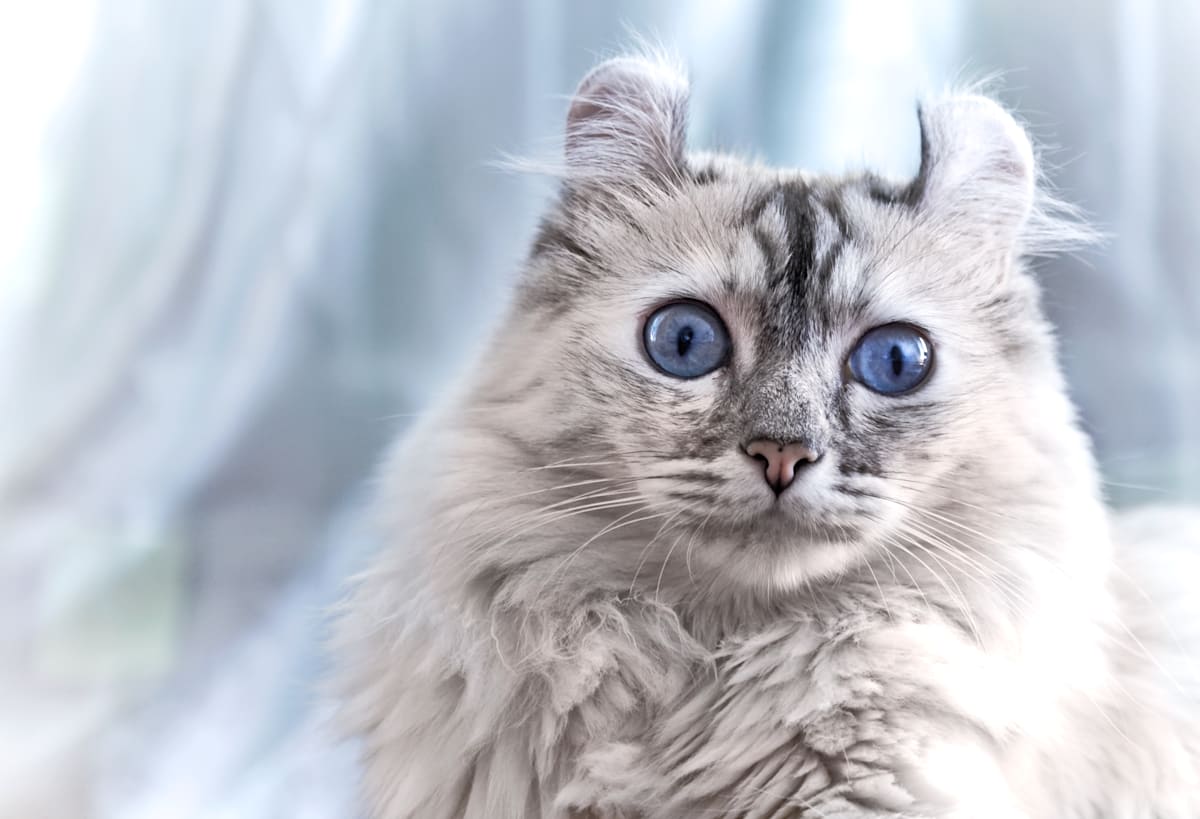
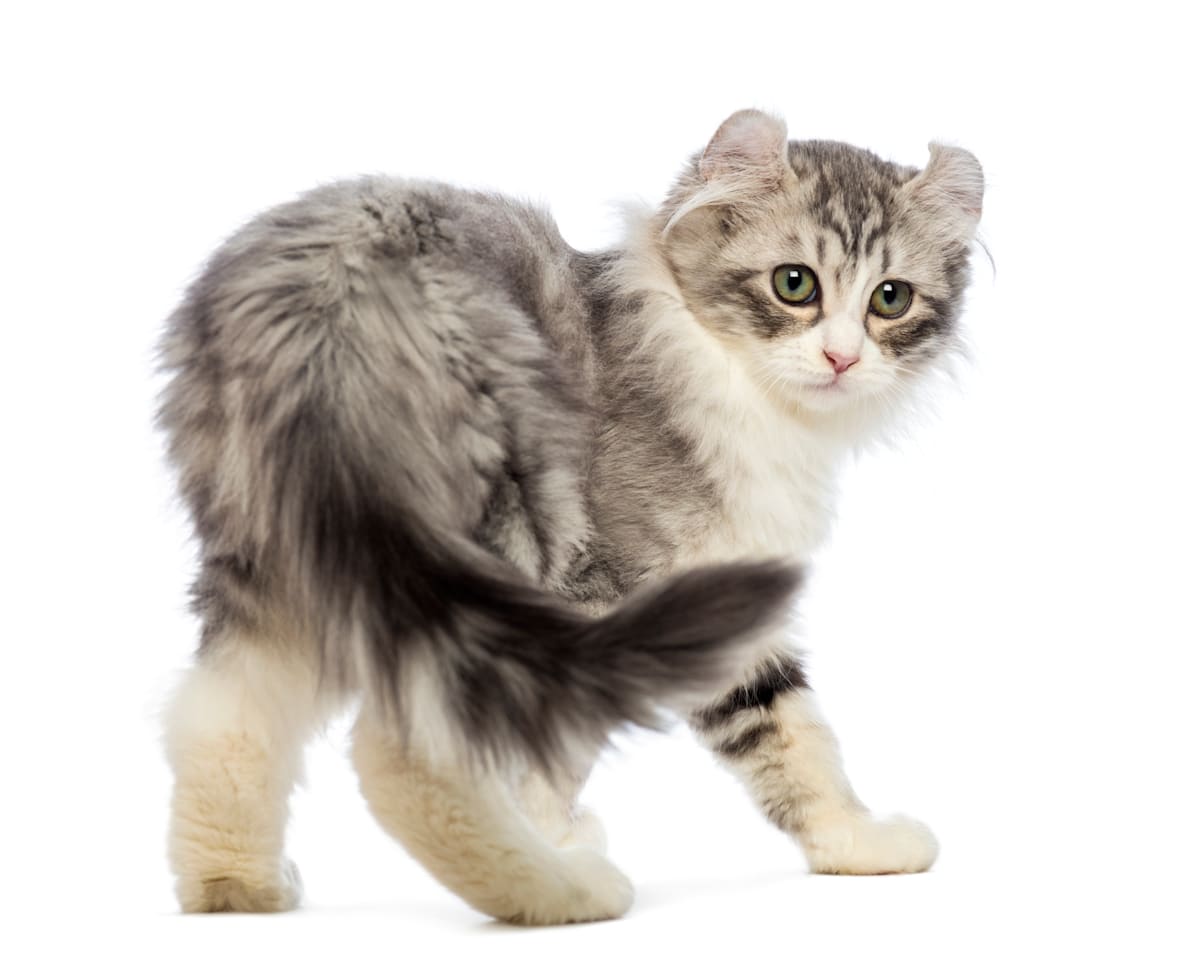
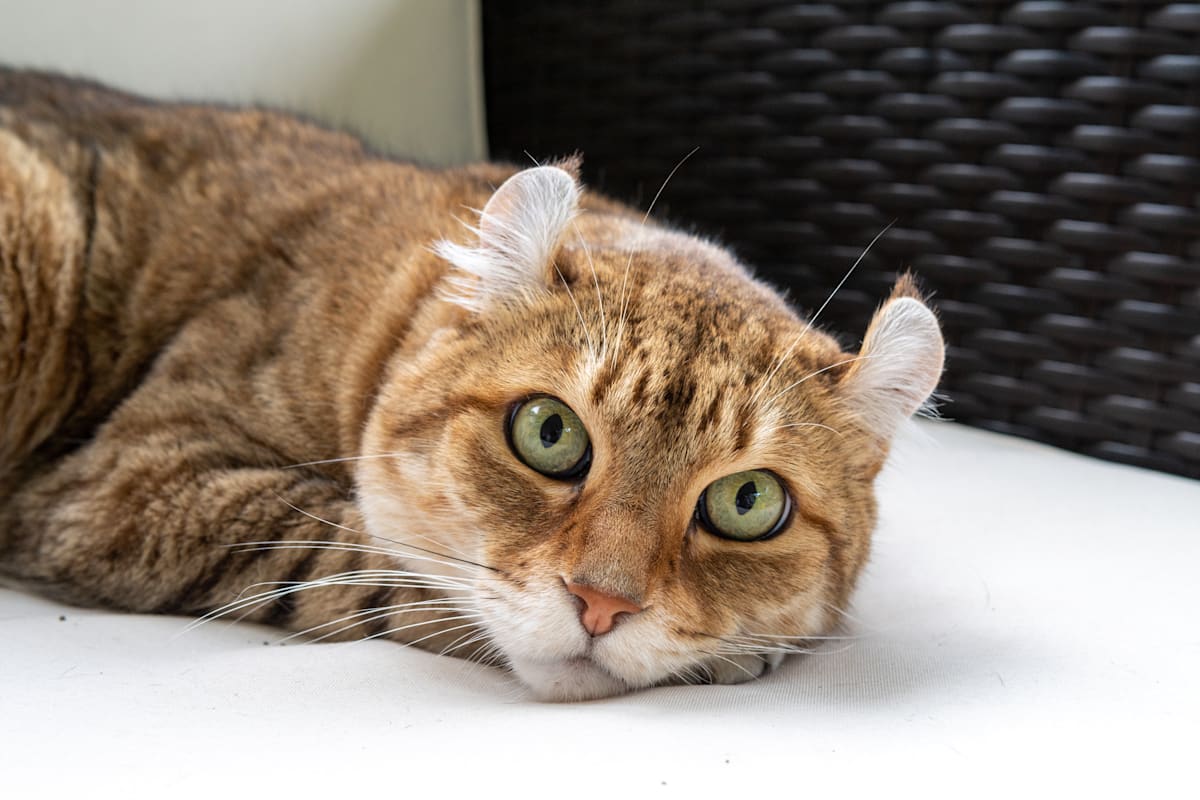
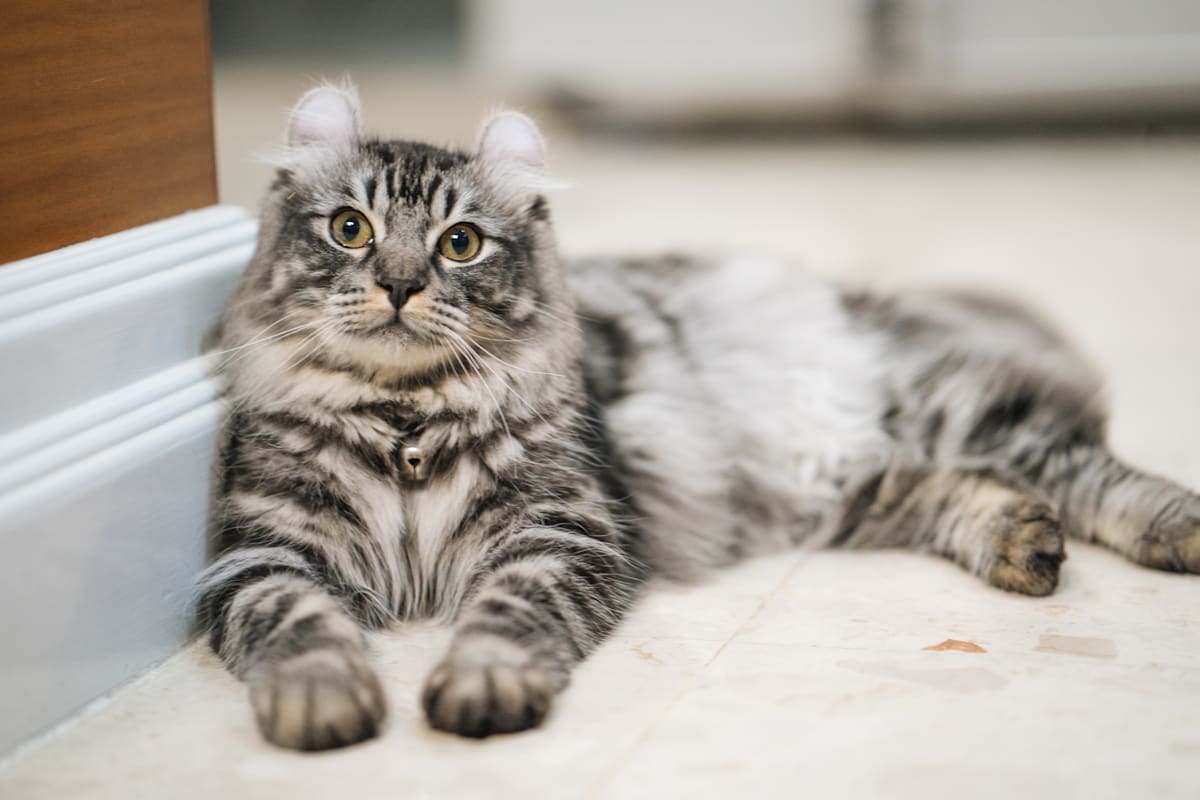
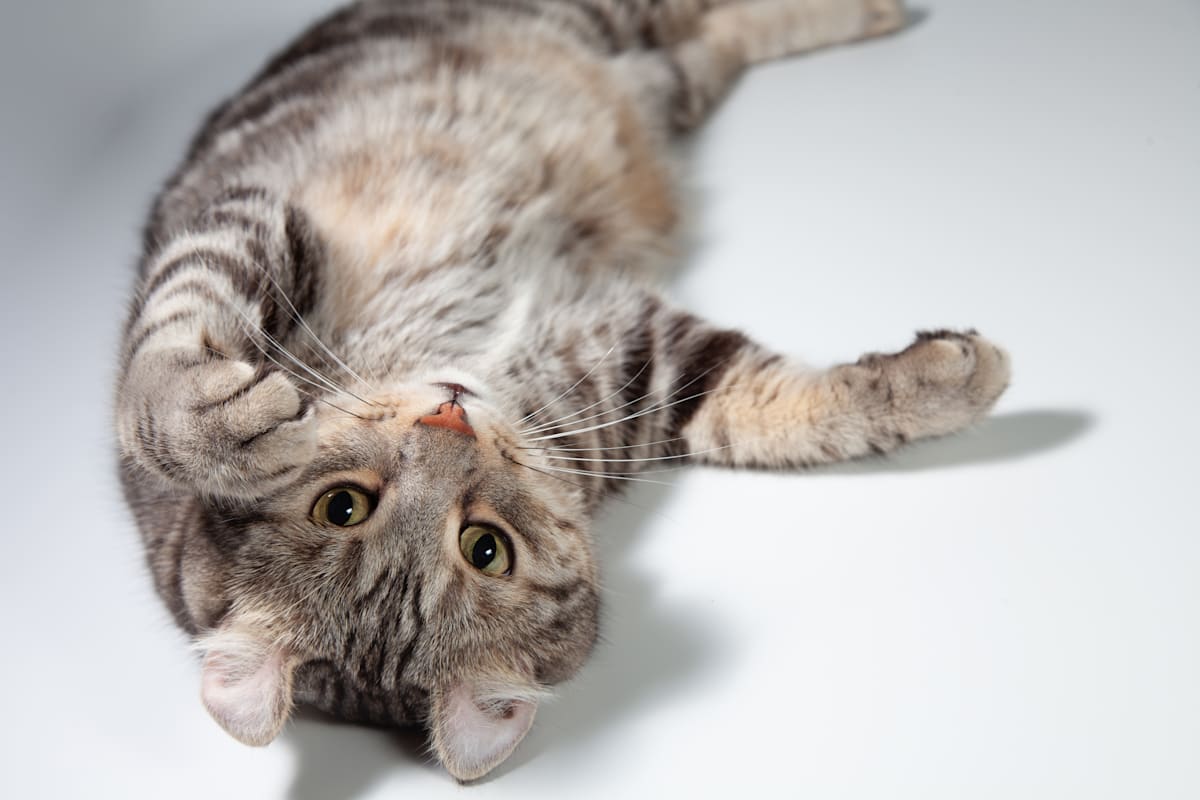
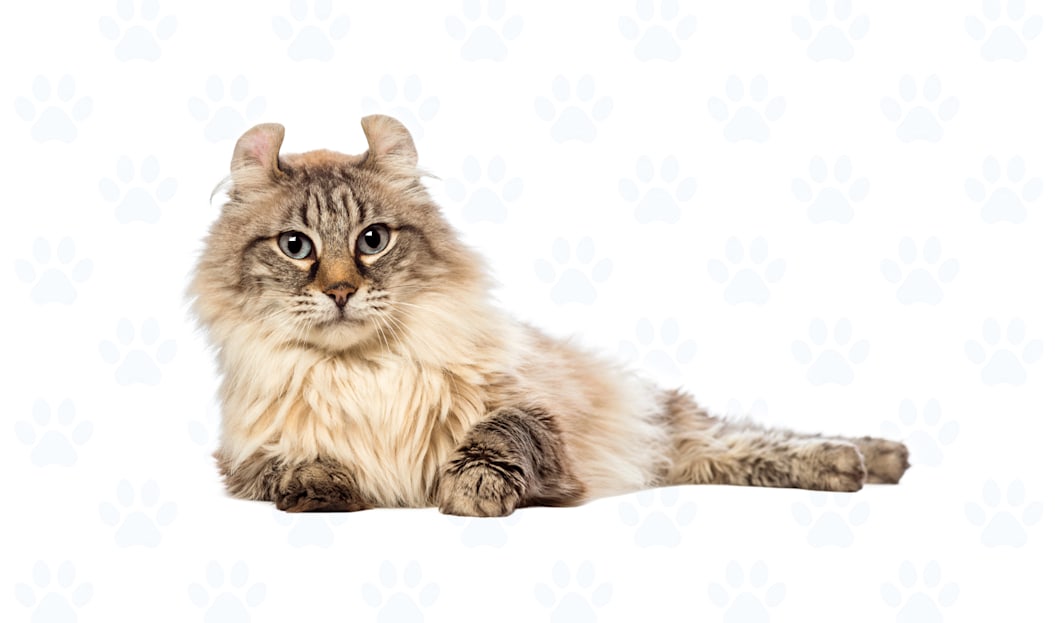
    Although not every member of the breed will exhibit their namesake trait, most do, and you’ll definitely know you’re in the presence of an American Curl when you spot their signature, curled backwards ears.

    “When they are born, their ears are all straight, and within 72 hours they curl up like a rose bud, and then over the next couple weeks will uncurl and eventually they are considered ‘set’ at three to four months old,” says Mike Bull, CFA Breed Council Secretary on American Curls. “The mature ear will have a hard cartilage from at least one-third of the base of the ear, blending into what feels like a normal soft cat ear to the tip.”

    Aside from their ears, the American Curl can be either long or short haired, and their silky flat coat can come in a variety of colors and patterns. “One of their trademark looks, aside from the curled ears, is that they have ear tufts which adorn their ears, and they should have large, walnut-shaped eyes,” Bull adds.

    Size & Weight

    Most American Curls weigh between 5 and 8 pounds for females and 7 and 10 pounds for males. A medium sized breed, they may measure up to 12 inches in height.
    Full Grown
    Female
    10 in. / 8 lbs.
    Male
    12 in. / 10 lbs.
    Height bar
    Female Pet
    Height Figure
    Male Pet
    Height is measured up to the shoulders.

    American Curl Characteristics

    Size

    Tiny

    Jumbo

    Weight

    Light

    Heavy

    Shedding

    Minimal

    Abundant

    Coat Length

    Short

    Long

    Grooming Frequency

    Occasional

    Frequent

    Living Space

    City apartment

    Ranch

    Exercise

    Couch potato

    Bring it on!

    Climate

    Warm

    Cold

    Personality

    Antisocial

    Outgoing

    Behavior with Kids

    Always monitor

    Babysitter

    How to Care for an American Curl

    American Curls are relatively easy to care for, with light grooming needs depending on coat length. Regular play, social interaction and a balanced diet help keep them happy and healthy.

    Coat & Grooming: The American Curl can be either short haired or long haired — with little to no undercoat and a topcoat that’s silky and lies flat — but both versions are relatively easy to care for. “The long hair version is classified as ‘semi-long — about 1 ½ to 2 inches — but should always have a fully plumed tail, which is also specific to this breed,” said Bull.

    Short Haired American Curls should be groomed weekly to keep their coats healthy, while the longhaired versions should get combed twice a week to remove or prevent mats and tangles. Grooming is a great way to bond with this breed as well, Bull added.

    Shedding: The American Curl sheds only seasonally.

    Temperament & Behavior: This is a people-oriented cat that requires a lot of care and attention. The American Curl loves to hang with its family, playing interactive games or just lounging in your lap. They don’t like to be left alone for long periods of time, but they are highly adaptable and make great family pets. The breed is often referred to as the Peter Pan of Cats “due to the playfulness that they exhibit, and it generally is prevalent with them throughout the adult years — even 12-year-olds play like kittens,” says Bull.

    Personality: This breed is particularly joyful, and they are at their happiest when hanging out with their family.

    Behavior with Kids: Because of their love of people and play, the American Curl makes a great addition to any home with children.

    Life Span: The American Curl can live to be between 13 to 18 years old.

    Inherited Health Issues: This breed has not been known to have many health issues. However, progressive retinal atrophy (PRA) has been identified in this breed. As always, prior to obtaining this breed, discuss any familial health problems that run in the breed’s family and ask if there have been any other health problems identified in the litter / breeding history.

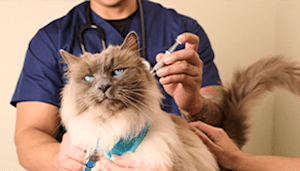
    Preventive Care: Besides the typical vaccinations and routine preventive care that should be the same for all animals, this breed does not have many health concerns that require special attention. As with most other cats, kidney disease is something that is seen as cats become older. Routine blood testing after the age of 7 years is recommended, in addition to urine testing to evaluate organ function and screen for early renal disease. Dental disease can be more common in some cat breeds so it is recommended that an annual dental cleaning be done to prevent dental disease from occurring.

    Nutrition: Nutrition and appropriate quantity of food is not only important in maintaining a healthy weight but also has a direct correlation with improved longevity. Feed a well balanced, high quality age-appropriate diet for your cat. Obesity can be a problem in cats so pay attention to what your cat should be feeding on the bag / can of food. Every food has a different number of calories per cup / can so pay attention to the label and feed what is appropriate for your cat’s weight.

    Daily Consumption: An adult American Curl eats 1/4 to 1/2 cup of dry food per day.

    Energy Level: Frisky, energetic breed that is always ready for action

    Exercise: The American Curl isn’t an overly noisy breed, but when something piques their interest, they are more likely to express their curiosity through a trill or coo. This is a social cat that enjoys being around people and is likely to greet you at the door when you come home. “The American Curl loves to play, and they are good with small children and even are known to be good with dogs,” said Bull. “The American Curl is also noted to be dog-like in behavior at times.”

    This breed has a moderate energy level, but they are highly social and do well with activities involving other people and other animals. The American Curl loves to climb and jump, so if they aren’t lounging right next to you or sleeping in your bed, you can often find them curled up on top of a high cabinet or perch.

    Climate: Like most domestic cats, the American Curl does best in moderate temperatures.

    Cost of Owning

    The average cost of owning an American Curl is about $800 per year.
    $250
    Vet Care
    $200
    Grooming & Boarding
    $200
    Food & Treats
    $150
    Other

    Unlock exclusive rewards with Vital Care, or enjoy up to 35% off essentials when you subscribe with Autoship.

    Enjoy exclusive rewards every time you shop. Get member-only deals, points, and special offers designed to help you save more on what your pet needs.
    Never run out of the essentials. Subscribe and get your pet’s favorites delivered on schedule—with up to 35% off plus the convenience of automatic refills.
    Your love story starts here.

    Find adoptable pets near you with a simple search.

    Fun Facts

    This breed is the product of a spontaneous, natural mutation, which causes its ears to curl backwards.

    This breed is the product of a spontaneous, natural mutation, which causes its ears to curl backwards.

    American Curl cats are bred throughout the world, including Russia and China.

    American Curl cats are bred throughout the world, including Russia and China.

    Not every American Curl kitten will have ears that curl — some remain normal.

    Not every American Curl kitten will have ears that curl — some remain normal.

    American Curl cats are born with straight ears, and if the curling will occur, it tends to happen between three and five days of age.

    American Curl cats are born with straight ears, and if the curling will occur, it tends to happen between three and five days of age.

    History

    The American Curl is an American-bred cat that first made its appearance in the early 1980s. A spontaneous natural mutation caused these cats to have ears that curl backwards, rather than sticking up to a point, and have long tufts of fur at their ends. As breeders became more interested in the look of this cat, they were developed into a breed of their own.
    Read More

    Sponsored