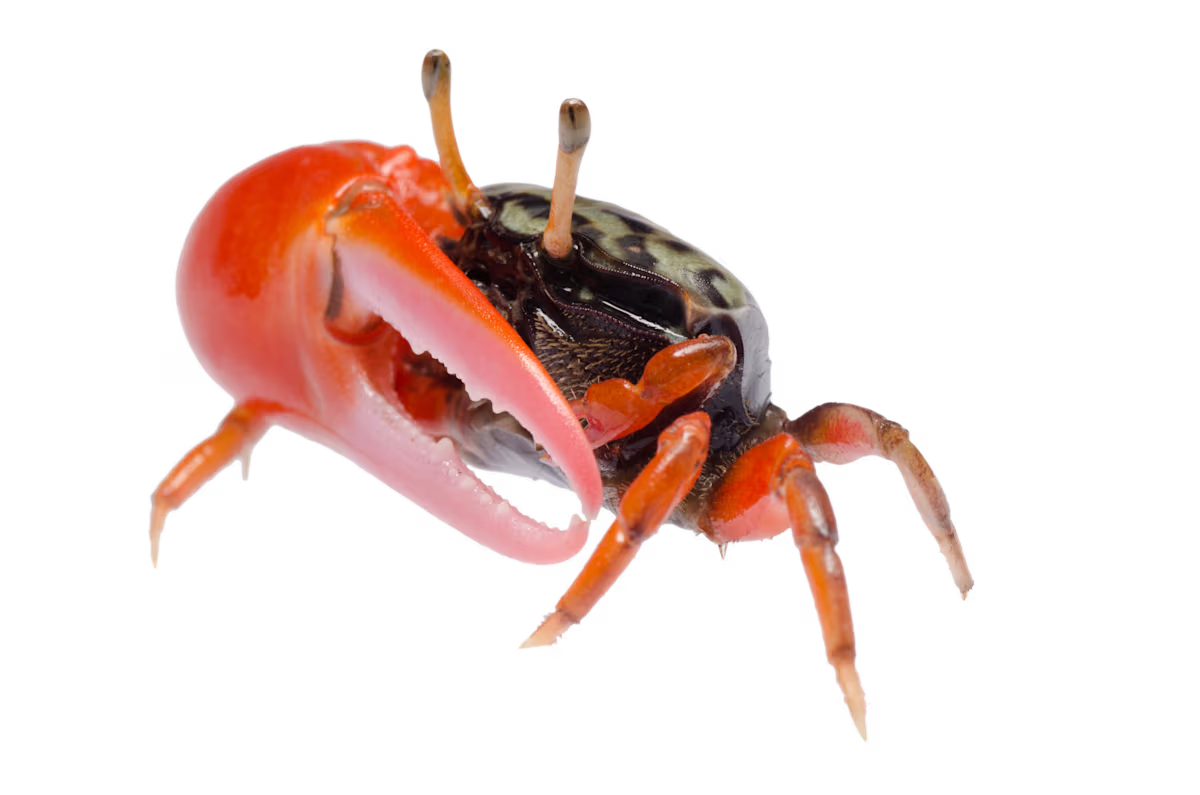
This care sheet covers a variety of crabs, including:
- Red claw crab
- Fiddler crab
- Thai devil crab
- Checkerboard crab
- Panther crab
- Freshwater pom pom crab
- Matano crab
- Thai micro spider crab
Typical appearance and behavior
- Active, nocturnal (active at night) scavengers; may eat snails
- Crabs can climb almost any surface, including airline tubing and intake tubes; secure holes in aquarium hood to keep crabs inside
- All crabs molt as they grow; a crab lying on their back may be molting. Some will feed on their old shell for calcium
- Some species of crabs live in low brackish levels and will benefit from freshwater salt
Characteristics
| Care Difficulty | Beginner to advanced, depending on species |
| Average Life Span | Up to 10 years with proper care, depending on species |
| Average Adult Size | ½-5 inches across, depending on species |
| Diet | Omnivore |
| Minimum Habitat Size | 5+ gallons, depending on species |
| Water Temperature | 72-82°F |
Habitat
Habitat size
Keeping in an appropriate size aquarium of 5+ gallons is recommended for smaller-sized crabs. A larger aquarium is always recommended, as water conditions can change rapidly in smaller water volumes.
Building your habitat
A natural behavior of most crabs is to climb out of the water for brief periods of time; their habitat should provide them the ability to climb out of the water. Some species of freshwater crabs are more terrestrial (land-dwelling) and need a habitat mainly comprised of land with access to water.
- Water health - Provide proper filtration to ensure optimal water quality to help maintain health. Slow to moderate water circulation, based on the species, should be provided to mimic water currents and high oxygen levels found in most freshwater crustaceans’ natural habitat. Stable water quality (pH, ammonia, nitrate, nitrite) and water temperature are critical to the health of aquatic life. If you are unsure of your water quality, bring a sample to Petco for free testing. Ensure water temperature does not fluctuate more than +/-2 degrees direction in a 24-hour period
- Décor - Providing rocks, plants and other décor to create hiding places and areas to scavenge is beneficial
What do freshwater crabs eat?
A well-balanced freshwater crab diet consists of:
- Flakes, freeze-dried, sinking pellets and wafers or frozen food
- Feed a variety of food to ensure complete nutrition
Things to remember when feeding your crab:
- Feed a small amount once daily
- Make sure a small amount of food reaches the bottom of the tank; if unsure, drop sinking pellets into the tank at night; alternate protein and algae-based pellets
- Thaw frozen food before feeding
- Feed a variety of food to ensure complete nutrition
Freshwater crab care
Maintaining great water quality with regular water changes and adequate filtration is important to help keep your freshwater crabs healthy
- Daily: Check filter, water temperature and other equipment
- Weekly: Test water quality at least once a week
- Weekly to monthly: Change 10 to 25% of the total volume of water every two to four weeks or as needed. Change filter media monthly
Avoid overcrowded conditions, as this is a major cause of stress and disease
Crabs need calcium to grow their shells
Copper-based medications are toxic to crabs
Where to buy freshwater crabs
A variety of freshwater crabs are available for purchase at your local Petco Pet Care Center location. Please call ahead to check availability.
Supplies
- Appropriate size aquarium
- Appropriate food, dry and frozen
- Décor
- Water conditioner
- Filter
- Water test kit
- Full-spectrum lighting
- Net
- Thermometer
- Freshwater substrate
- Heater
- Airline tubing
- Airstone
- Air pump
- Check valve
- Freshwater salt
- Live plants
Tank mates
No more than one crab per square foot is recommended. Male crabs can be very territorial
Do not keep with fish who will harass or eat them, such as certain cichlids. May catch and eat small fish, dwarf African frogs, snails and other tank mates who live or sleep on the bottom of the tank
Depending on the crab species, may be compatible with:
- Gouramis
- Tetras
- Hatches
- Swordtails
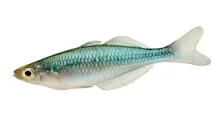
- Rainbowfish
- Danios
- Barbs
Health
Signs of a healthy freshwater crab
- Active scavenging
- Healthy appearance
- Bright, even coloring
- No missing appendages
Common health issues
| Health Issue | Symptoms or Causes | Suggested Action |
|---|---|---|
| Health IssueLoss of appendage | Symptoms or CausesFighting between crabs or due to an aggressive fish. | Suggested ActionWill usually regenerate. An iodine supplement can help with the molting process. Contact your local aquatic specialist or veterinarian. |
| Health IssueBody or surface erosion | Symptoms or CausesPoor water quality; nutrient deficiency. | Suggested ActionTest and treat water immediately; maintain proper diet. |
| Health IssueLittle is known about diseases that affect crabs; as long as environmental conditions and food are adequate; crabs are fairly resistant to disease. |
FAQs
What do freshwater crabs eat?

Freshwater crabs benefit from a varied diet consisting of flakes, freeze-dried, sinking pellets and wafers or frozen food.
How do you set up a freshwater crab tank?
Make sure you have an aquarium that is large enough for the species of freshwater crab you are housing and that it has a secure lid, as freshwater crabs can climb and possibly escape. Some species of freshwater crabs are more terrestrial (land-dwelling) and need a habitat mainly comprised of land with access to water while others prefer an aquatic environment with access to get out of the water onto land. Provide rocks, plants and other décor to create hiding places to help your crab feel secure. Adequate filtration, proper temperature and good water quality are a must
What size tank does a freshwater crab need?
The aquarium size for a freshwater crab will vary based on the species, with the smallest, the Thai micro spider crab, being able to be housed in a 5-plus-gallon aquarium. Providing the largest aquarium possible is recommended.
Will a freshwater crab eat my fish?
Freshwater crabs who are housed in a large enough aquarium and are well fed may not actively go after other aquatic life inhabitants, however, caution should always be taken, as they may attempt to consume small or slower fish, dwarf frogs and snails.
What is the biggest freshwater crab?
One of the bigger freshwater crabs is the Thai devil crab.
What is the smallest freshwater crab?
The Thai micro spider crab is the smallest freshwater crab, measuring just ½ inch.
Do freshwater crabs need air?
While some species of freshwater crabs can live fully submerged in water, most prefer to climb out of the water for brief periods of time and should be provided an area where they can get out of the water.
Notes and resources
Ask a Pet Care Center associate about Petco's selection of products available for the care and happiness of your new pet. All products carry a 100% money-back guarantee.
Because all aquatic life are potential carriers of infectious diseases, such as atypical mycobacterium and salmonella, always wash your hands before and after handling your aquatic life or habitat contents to help prevent the potential spread of disease.
Pregnant women, children under the age of 5, senior citizens and people with weakened immune systems should contact their physician before purchasing or caring for aquatic life and should consider not having aquatic life as a pet.
Go tocdc.gov/healthypets for more information about aquatic life and disease.
The information on this Care Sheet is not a substitute for veterinary care. If you need additional information, please contact your veterinarian as appropriate.