


Related Articles


Hermit Crab Care: Habitat, Food & Health for Happy, Healthy Crabs
Published on July 18th, 2024
Updated on December 21st, 2025

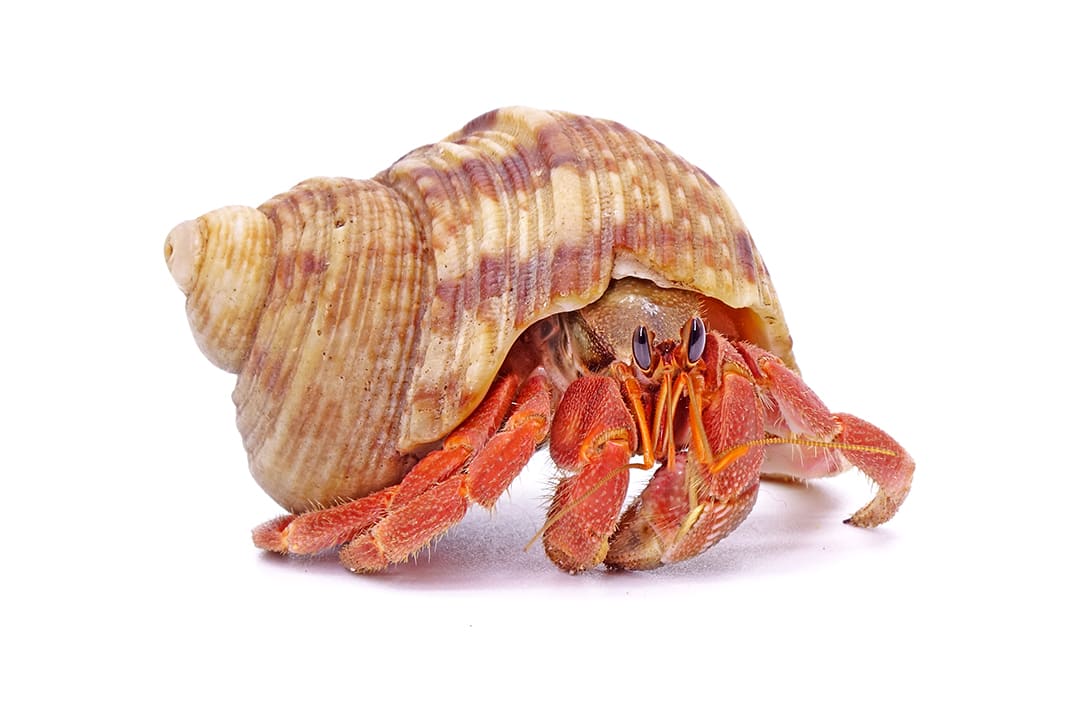
Hermit crabs are nocturnal scavengers who will eat almost anything. Hermit crabs in nature live in large groups of hundreds that scavenge beaches for food and shells.
Typical hermit crab appearance and behavior
- Hermit crabs live inside a hard outer skin called an exoskeleton. As they grow, they shed (molt) this outer skin and grow a soft outer skeleton that then hardens. They protect themselves by living in shells that are made by other animals (typically snails). As they get bigger, they move from their current shell into a larger one. When they are about to molt, they eat and drink ravenously and dig into their habitat’s substrate to bury themselves for the molt
- Hermit crabs are social; they normally travel in large packs so that when one molts and discards their old shell, another is always molting simultaneously, which helps ensure new shells are always available for molting hermit crabs to move into. As pets, they do best when kept in groups of two or more
- Molting is a very stressful time, and it can take several weeks for a hermit crab to complete a molt. Do not handle your hermit crab when they are molting, and never dig up a buried hermit crab during a molt, as this can kill them
Hermit crab characteristics
| Care Difficulty | Beginner |
| Average Life Span | 10+ years with proper care, depending on species |
| Average Adult Size | 2–6 inches long, depending on species |
| Diet | Omnivorous |
| Minimum Habitat Size | 10-gallon glass tank for 2 hermit crabs |
Habitat
Habitat size
Hermit crabs reach adult size in 2 years under ideal conditions, depending on species; upgrade the habitat size as your hermit crab grows. Provide at least a 10-gallon tank for up to two hermit crabs.
Building your habitat
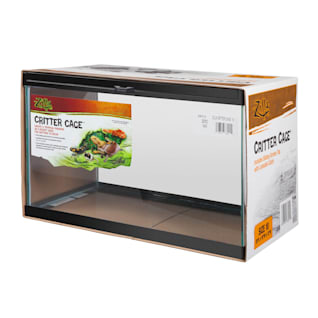
A glass tank with a top to prevent escape and maintain habitat humidity is recommended. The habitat should be large enough to accommodate adult hermit crab behavior and exercise, at least 10 gallons. Avoid placing the habitat in direct sunlight or in drafty areas to prevent your hermit crabs from drying out or getting cold.
- Décor: Provide climbing décor (branches, logs, driftwood, lava rock, plastic plants, coral) and hiding areas
- Humidity: Hermit crabs need humidity to keep their stiff gills moist to enable them to breathe and to aid in molting. The most common cause of hermit crab death is lack of habitat humidity leading to suffocation. Maintain 70–90% humidity by misting daily with dechlorinated water, as needed
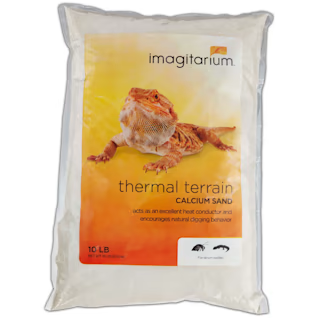
- Substrate: Use commercially available sand (that has been washed, dried and sterilized to ensure it’s free of pathogens) mixed with commercially available coconut fiber bedding; you can also include sphagnum moss. Substrate should be at least 3 inches deep to protect hermit crabs’ fragile bodies when they dig and molt. Sand should be kept moist enough to stick together but not be dripping wet. Never use cedar or pine in a hermit crab habitat, as the wood’s oil is irritating to hermit crabs’ skin
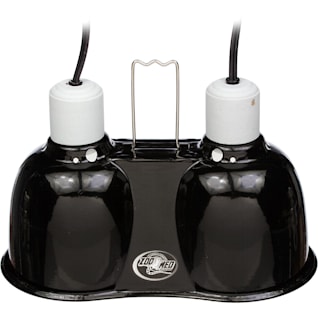
- Temperature: Maintain a temperature gradient with 80°F at the warm end and 70°F at the cool end; a low wattage incandescent bulb (appropriate for the size of the habitat) is recommended to provide light and some heat. An additional under-tank heater is usually required to maintain a proper temperature gradient
- Lighting: Hermit crabs are nocturnal, so you may provide a low-wattage nocturnal bulb for nighttime viewing. Having a low-wattage bulb on 10–12 hours a day mimics natural light cycles, allowing hermit crabs to regulate their normal behaviors
- Water: Always keep two shallow, nonmetal dishes of water available for hermit crabs to climb into: one with fresh, dechlorinated water and one with marine saltwater with a specific gravity range of 1.021–1.026. All hermit crabs require saltwater to regulate the saline content of their bodies. Water should not be any deeper than 0.25-0.50 inches, depending on the size of the hermit crabs, so that they don’t drown. A natural sponge should be placed in each dish to help crab climb in and out easily to prevent drowning; change sponges frequently to avoid bacterial and fungal growth
Cleaning your habitat
Spot clean the habitat daily by using a small kitchen strainer or fish net to scoop out any sand soiled with feces, discarded food and bits of exoskeleton (the outer hard skin shed during molting). Follow these steps to thoroughly clean and disinfect the habitat at least once a week:
- Place hermit crabs in a secure habitat
- Scrub the tank and furnishings with a reptile habitat cleaner or 3% bleach solution
- Rinse thoroughly with water to remove all traces of habitat cleaner or bleach smell
- Dry the tank and furnishings completely, add clean, dry substrate and return your hermit crabs to their habitat
Rearranging habitat décor after cleaning can keep hermit crabs from becoming bored.
Sponges also need to be disinfected weekly to prevent fungal and bacterial growth. To disinfect:
- Rinse sponges in hot tap water, followed by a rinse in saltwater and then in dechlorinated water
- Squeeze out excess water and allow sponges to air dry completely before reusing
Extremely dirty sponges may be squeezed out, dried completely and microwaved for 1–2 minutes to disinfect. Having several sponges to rotate into the habitat while some are being cleaned is ideal.
What Do Hermit Crabs Eat
A well-balanced hermit crab diet includes:
- High-quality, commercially available hermit crab food every day
- Vegetables (like spinach, carrots, kale and romaine lettuce) and non-citrus fruits (like mangoes, coconut and papaya) in smaller amounts
- Nuts, seaweed, brine shrimp and fish flakes as treats
- Carotene-rich vegetables (like carrots and untreated marigold flower petals) to help them achieve a normal, reddish orange exoskeleton
- Calcium supplements (such as crushed cuttlebone) to help harden their exoskeleton
Things to remember when feeding your hermit crab:
- Fresh, clean, chlorine-free water should always be available; hermit crabs often drink while soaking in a water bowl
- Food and water bowls should be made of plastic or other nonmetal, nonporous materials; as hermit crabs are very sensitive to metal, and porous dishes are impossible to disinfect
- Crush all pelleted foods before feeding; feed at night to mimic your crab’s nocturnal feeding patterns
- Hermit crabs eat slowly and take small bites
- Remove discarded food in the morning
- Hermit crabs appreciate variety in their diet
Hermit crab care
- Hermit crabs are social and should be housed in groups of two or more
- Place hermit crabs in their saltwater dish daily and allow them to exit at their leisure
- Hermit crabs usually molt once or twice a year; they will bury themselves in sand during the molt. Don’t disturb the process, as the molting hermit crab’s body is very fragile without the hard exoskeleton. Protect the molting hermit crab by placing a divider (such as the top half of a clean, dry, 2-liter soda bottle with the cap removed and pushed into the sand) over the molting hermit crab in the tank. Other homemade dividers may be hazardous because molting hermit crabs may try to climb them and fall. The best alternative is to move any other hermit crabs to another tank, away from the molting crab. Ensure proper humidity to aid in molting. Newly molted hermit crabs eat their discarded exoskeletons, which are great sources of calcium to harden new exoskeletons. Other hermit crabs in the same tank may try to eat exoskeletons, as well, and may fight to do so. If possible, separating molting hermit crabs from other hermit crabs is best to prevent fighting. Return newly molted hermit crabs back to their original habitat only after they have eaten their old exoskeletons and hardened their new ones
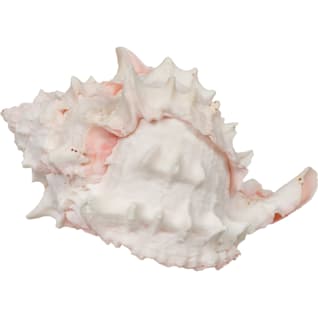
- New shells should be provided for hermit crabs to climb into when they molt and outgrow their current shells. New shells should be a bit bigger than the current shell. Hermit crabs will bury shells they are not interested in using
- When handling a hermit crab, pick them up by the back of their shell to avoid getting bitten or pinched by a claw. Hermit crabs are more likely to pinch when they are startled or hungry. Always handle hermit crabs over a soft surface, such as a couch or bed, so that if they pinch you and you drop them, they don’t become injured. Children must be supervised when handling hermit crabs.
Where to buy a hermit crab
Petco sells hermit crabs in stores. Call your local location ahead of time to ensure availability.
Hermit crab supplies
Tank mates
House hermit crabs in groups of two or more, but do not house different invertebrate species together. Always monitor groups of hermit crabs housed together for potential fighting, and separate hermit crabs if they fight.
Health
Signs of a healthy hermit crab
- Healthy appetite
- Active
- Regular molting
Red flags
- Lethargy
- Abandoning shell and not returning
- Excessive molting
- Loss of appetite
- Loss of limbs or claws
- Malodorous shell
- Discharge from shell
Common hermit crab health issues
| Health Issue | Symptoms or Causes | Suggested Action |
|---|---|---|
| Health Issue Mites | Symptoms or Causes Small black mites appear in the habitat or directly on the hermit crab | Suggested Action Completely clean habitat (including décor and feeding dishes), replace all substrate and bathe hermit crab in lukewarm dechlorinated water; ensure no mites are visible on the hermit crab before returning to clean habitat. Ensure discarded fresh food is not left in tank for long periods, as it attracts mites, spot clean bedding for droppings daily and replace soiled sponges regularly, as they can also attract mites |
| Health Issue Loss of limbs | Symptoms or Causes Loss of limbs can be caused by stress from an improper environment (lack of humidity, inappropriate temperature, poor cleanliness, chemicals or chlorine in the habitat) or fighting with another hermit crab | Suggested Action Ensure habitat is clean and properly set up with appropriate humidity and temperature or identify and separate the aggressor |
FAQs
What does a hermit crab eat?

Hermit crabs eat commercially available hermit crab food supplemented with smaller amounts of vegetables (especially those rich in carotene to promote hermit crabs’ normal reddish color) and fruit, plus cuttlebone for calcium.
How big do hermit crabs get?
Depending on species, hermit crabs grow to 2–6” long.
Where do hermit crabs live?
In nature, hermit crabs live on land but must live along shoreline to have access to water.
What does hermit crab poop look like?
Hermit crab poop is black or brown and is usually passed in the shell and kicked out of the shell with the crab’s legs.
Where do hermit crab shells come from?
Hermit crabs are not born with shells but must find them (often from sea snails) to live in to protect their delicate outer hard skin (exoskeleton).
How long does it take for a hermit crab to molt?
Depending on their size, hermit crabs can take days to weeks to molt.
How do I set up a hermit crab tank?
A hermit crab habitat should include a glass tank (at least 10 gallons per 2 hermit crabs) filled with deep substrate (commercially available sand and coconut fiber), an under-tank heater, thermometers, a humidity gauge, décor for climbing and 2 shallow water bowls (one with dechlorinated fresh water and the other with saltwater) for soaking and drinking.
How do I clean a hermit crab tank?
Spot clean feces and discarded food daily. Empty the tank completely once a week and clean tank, décor and dishes with a reptile habitat cleaner or 3% bleach solution. Thoroughly rinse all traces of cleaner or bleach solution and dry tank completely before replacing tank contents and returning hermit crabs to their habitat.
How do I get a hermit crab out of their shell?
Hermit crabs should not be forcibly removed from their shells. They leave one shell and go to another when they are growing and molting.
Notes and resources
Ask a Pet Care Center associate about Petco’s selection of products available for the care and happiness of your new pet. All products carry a 100% money-back guarantee.
Because all invertebrates are potential carriers of infectious diseases, such as Salmonella bacteria, always wash your hands before and after handling your invertebrate or habitat contents to help prevent the potential spread of disease.
Pregnant women, children under the age of 5, senior citizens and people with weakened immune systems should contact their physicians before purchasing or caring for invertebrates and should consider having a pet other than an invertebrate.
Go to cdc.gov/healthypets for more information about hermit crabs and disease.
Note: The information on this care sheet is not a substitute for veterinary care. If you need additional information, contact your veterinarian as appropriate.

Is softened well water safe for hermit crabs? Do I need conditioner?
What water do hermit crabs drink? Is tap water safe for them?
Are freshwater hermit crabs good tank mates for your betta fish?
Why does my hermit crab smell like fish? Is he molting or dead?
I just got a Pacman Frog. Where can I learn about its proper care?
My pet needs crickets. How can I buy them cheaper than Petco?
My hermit crab is out of its shell, but I saw legs moving. Is it molting?
How do I properly set up a safe and healthy habitat for my turtle?
Found a turtle outside. What kind is it and what care does it need?
My baby turtle won't eat the food from Petco. What should I do?



Book an appointment with the pros – our expert vets are here to help.
