


Related Articles


Marine Aquatic Plant and Macroalgae Care Sheet
Updated on December 22nd, 2025

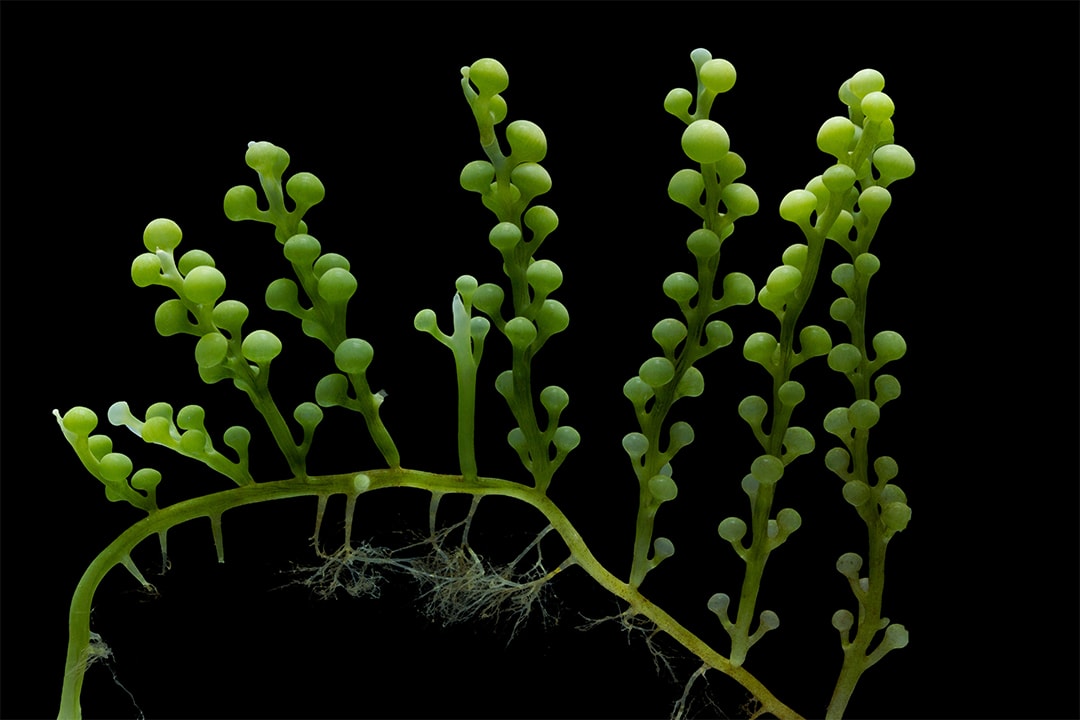
Marine aquatic plants and macroalgae are defined as species that can survive completely submerged under water. Although some aquatic plants, such as mangrove, only have their roots submerged and will grow up and out of the water. Marine plants and macroalgae help bring another piece of nature into the home aquarium or refugium. Aquatic plants and macroalgae also absorb carbon dioxide, ammonia, nitrates and nutrients from the water and help provide shelter and security for aquatic life. As plants and macroalgae grow, they may require some routine pruning to keep them healthy and growing properly—if your aquatic life is not doing this naturally.
Examples of aquatic plants and macroalgae include:
- Chaetomorpha
- Gracilaria
- Ulva
- Mangrove shoot
- Halimeda
- Shaving brush
- Dragon's breath
Benefits of adding live plants and macroalgae to an aquarium
- Improves the water quality
- Adds color and dimension to your aquarium
- Self-replenishing natural food source
- Adds oxygen (O2) and absorbs carbon dioxide (CO2), nitrate (N3-) and ammonia (NH3) generated by other aquatic life
- Lessens potential health issues
- Reduces nuisance algae
- Can reduce tank maintenance
- Provides natural hiding places for aquarium inhabitants
Building your habitat
- Aquarium size - It is always recommended to provide the largest aquarium you can, as water conditions can change rapidly in smaller water volumes
- Lighting - A single or double fluorescent T5 or T8 bulb with a 5000K to 7000K full spectral output will provide adequate lighting for many species of marine plants and macroalgae. LED lighting with a mix of white and red diodes will provide favorable lighting for planted aquariums. Do not utilize a lighting system with a lot of blue light, as this has little benefit for marine plants and macroalgae. 10% to 15% blue light will be sufficient
- Supplements- Supplementation of trace elements such as iron, cobalt and molybdenum will help provide additional nutrients to help the plants and macroalgae grow and flourish. The marine plant halimeda is composed of calcified segments. This plant takes in calcium carbonate to grow and will benefit from stable alkalinity and calcium levels
Ongoing maintenance and care
- Good aquarium lighting, specifically for live marine plants and macroalgae, is essential to the survival of aquatic plants
- Plants and macroalgae may also benefit from routine supplementation
- Maintaining great water quality with regular water changes and adequate filtration is important to help keep your marine tank healthy
- Daily: Check filter, water temperature and other equipment
- Weekly: Test water quality at least once a week. Add aquatic marine plant supplements to aid in plant growth and development
- Weekly to monthly: Change 10–25% of the total volume of water every 2–4 weeks, or as needed; change filter media monthly
Supplies list
Health issues and troubleshooting
| Issue | Causes | Suggested action |
|---|---|---|
| IssueYellowing leaves | CausesInsufficient nutrients, nutrients out of balance | Suggested actionAdd marine trace elements; test water for magnesium (beneficial for mangroves) and increase levels if needed |
| IssueGreen water | CausesAlgae bloom, too much light (direct sunlight), excessive nutrients, overfeeding, overstocked aquarium | Suggested actionReduce photo period and block direct sunlight; increase water change frequency; reduce feeding; ultraviolet filtration can assist with destroying algae cells |
| IssueMacroalgae turning white | CausesNot enough light, reduced water flow, reduced nutrients, natural die-off | Suggested actionImprove lighting; increase water flow; add supplements; trim off deceased plant matter |
FAQs
Where can you buy marine aquarium plants and macroalgae?

A variety of marine aquatic plants and macroalgae are available at Petco Pet Care Centers.
How do you grow and care for marine aquarium plants and macroalgae?
Marine aquatic plant and macroalgae care will depend on the species of plant; some plants and macroalgae are easier to care for than others. Always do your research prior to purchasing.
What types of marine aquatic plants and macroalgae are there?
There are several marine plants and macroalgae species available to fulfill your specific aquarium needs.
How do marine aquatic plants and macroalgae get carbon dioxide?
Marine plants and macroalgae absorb carbon dioxide through their leaves and roots.
What supplements do aquatic plants need?
Aquatic plants benefit from food additives, iron supplements and fertilizers. Different species of plants have different needs, but an all-in-one fertilizer like Flourish works very well for a wide variety of aquatic plants.
What kinds of marine plants or macroalgae are best for beginners?
Chaetomorpha and gracilaria are quite hardy and easy to care for, making them best for beginners.
Notes and resources
Ask a Pet Care Center associate about Petco's selection of products available for the care and happiness of your new aquatic life. All products carry a 100% money-back guarantee.
Because all aquatic life are potential carriers of infectious diseases, such as atypical mycobacterium and salmonella, always wash your hands before and after handling your aquatic life or habitat contents to help prevent the potential spread of disease.
Pregnant women, children under the age of 5, senior citizens and people with weakened immune systems should contact their physician before purchasing or caring for aquatic life and should consider not having aquatic life as a pet.
Go to cdc.gov/healthypets for more information about aquatic life and disease.
The information on this care sheet is not a substitute for veterinary care. If you need additional information, please contact your veterinarian as appropriate.
