


What's causing my puppy's rash, hair loss, and constant licking?
Updated On September 23rd, 2025
Pet's info: Dog | Labradoodle | Male | unneutered | 10 months and 4 days old | 65 lbs
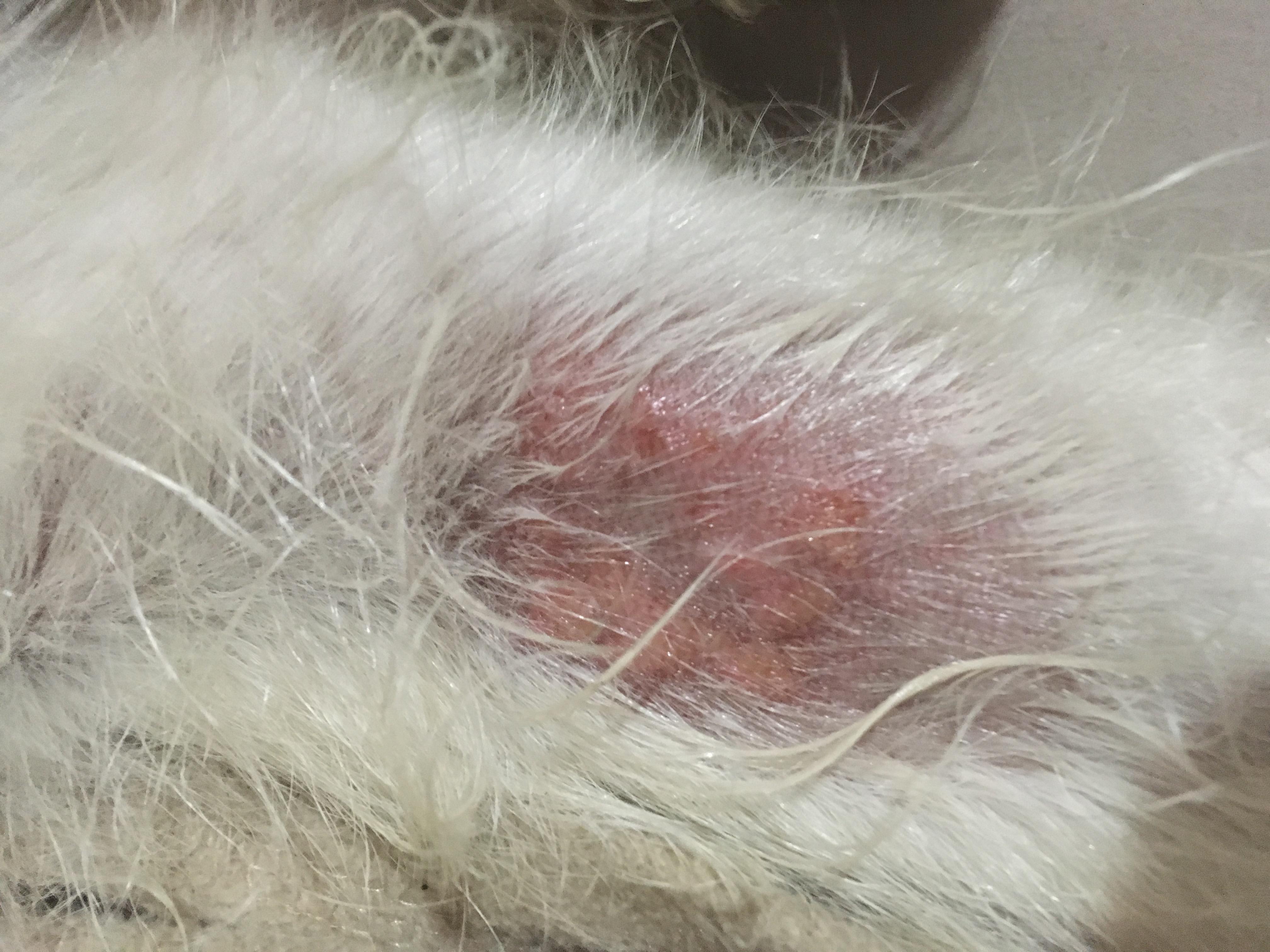
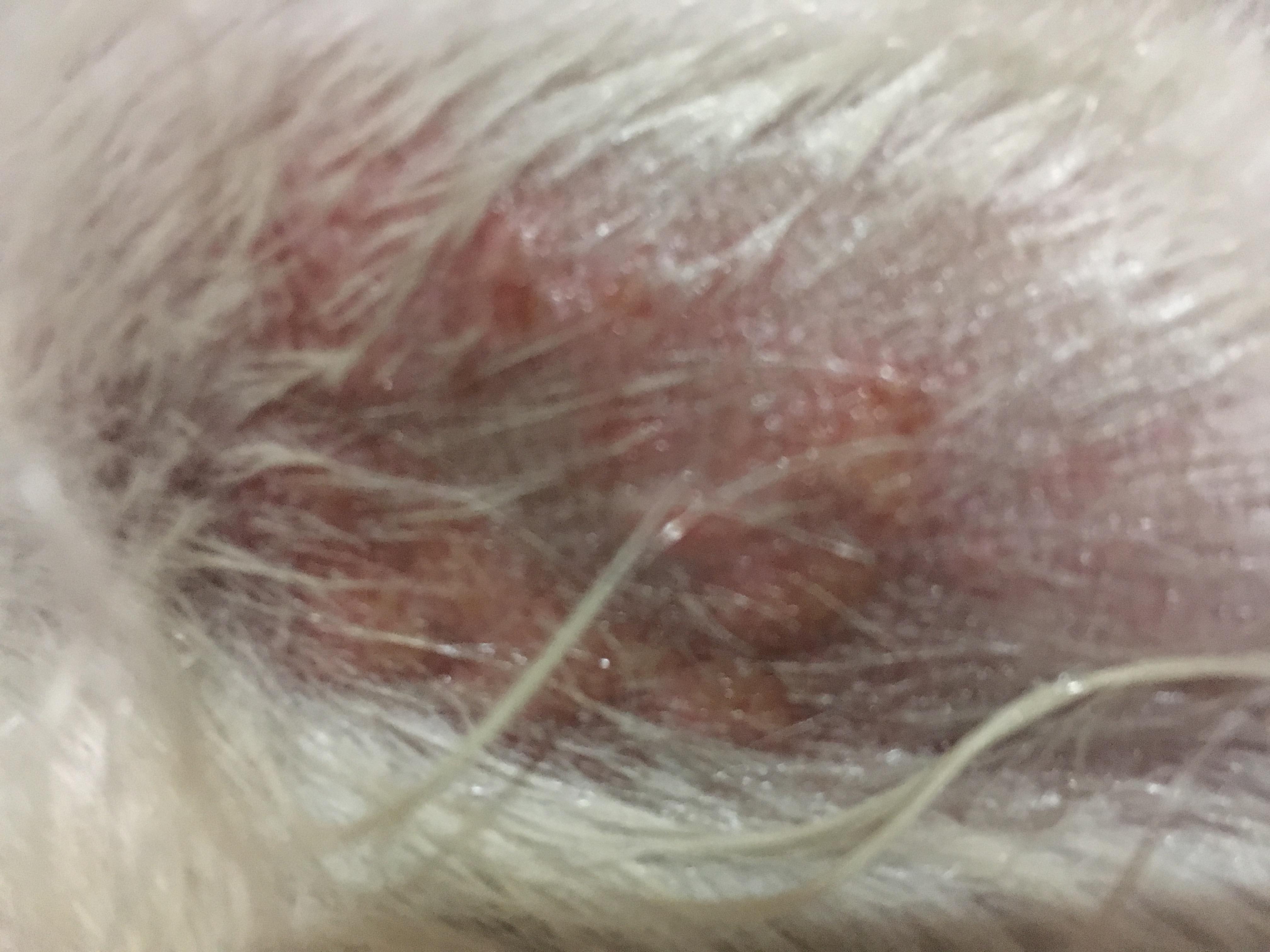
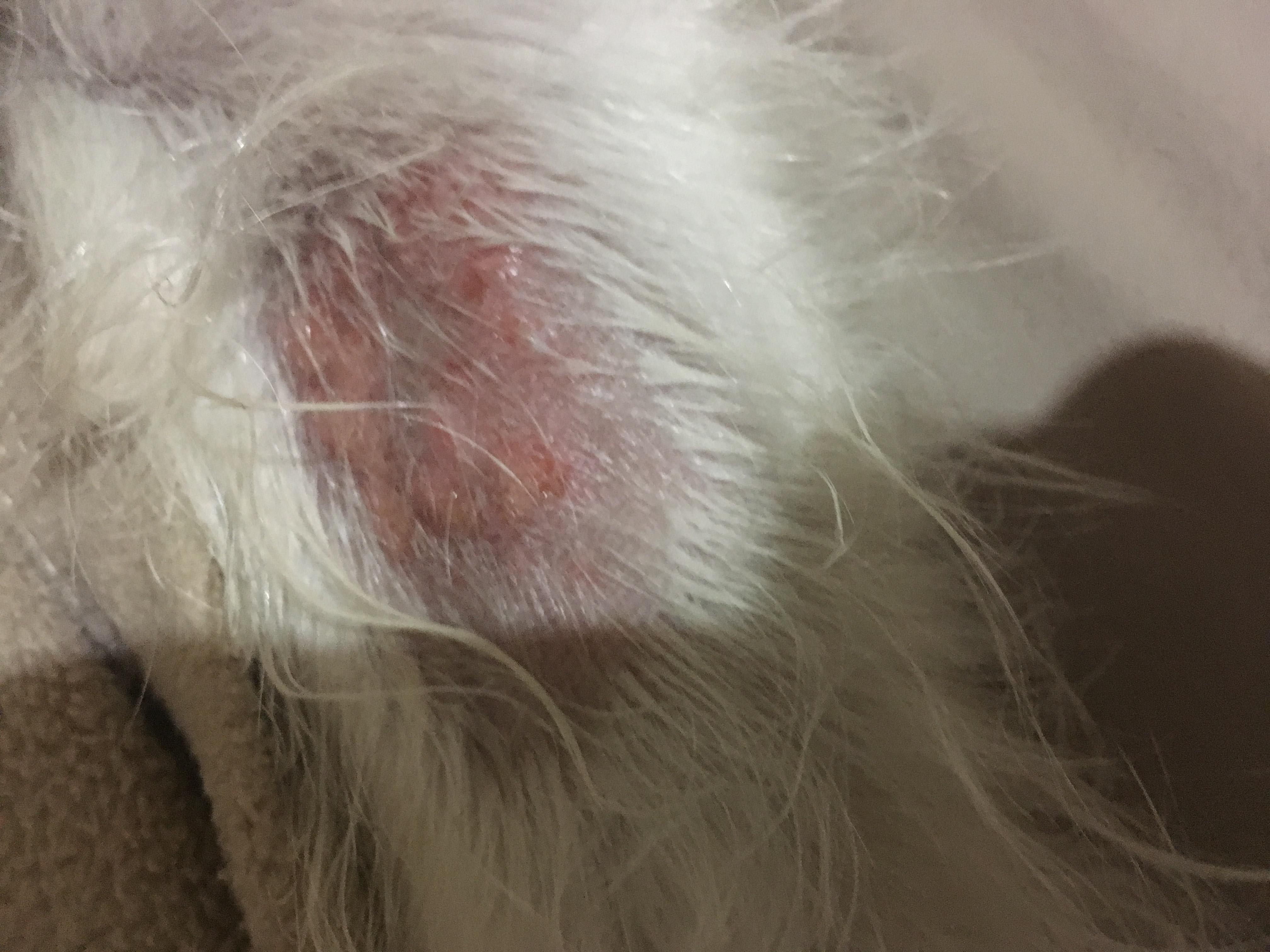
Hi, my 10 month labradoodle puppy started having this skin rash 1 day now. The round patch has raised lesions and hair loss in that area. He is constantly licking that area. I applied polysporin cream and trying to keep him distracted so he doesn’t lick the cream. Please advice if this is a bacterial, fungal or allergic rash! Thank you!


1 Answer
Most Helpful Answer

Published on May 20th, 2018
I am so sorry that you are having this problem. I certainly understand how frustrating it is to watch your dog be so itchy. Unfortunately, we can't tell just by looking at an area on the skin what is causing the problem. We can take a sample from the skin and look at it under the microscope to evaluate for yeast or bacteria which your veterinarian can easily do for you. There are a number of reasons for skin problems in dogs. This article does an excellent job of describing them. You could be dealing with allergies (of various types), external parasites (such as fleas or mites), or secondary infections (bacterial or yeast). https://www.petcoach.co/article/why-is-my-dog-so-itchy/ This is also an excellent article on itching in dogs and the possible causes and treatments. https://www.veterinarypartner.com/Content.plx?P=A&S=0&C=0&A=2604 Since Max is so irritated by this area, I would recommend having your veterinarian evaluate him to do some tests to see what might be causing the problem and discuss your treatment options. This can involve topical treatments (like shampoos, wipes or sprays) or may involve oral medications or even injections. Good luck! I hope that was helpful. Thanks for using PetCoach.

3Pet Parents found this answer helpful



Book an appointment with the pros – our expert vets are here to help.
