


How to stop my dog from tearing up carpet when I leave the house?
Updated On September 23rd, 2025
Pet's info: Dog | Mixed Breed Large (61lb +) | Male | neutered | 8 months and 20 days old | 70 lbs
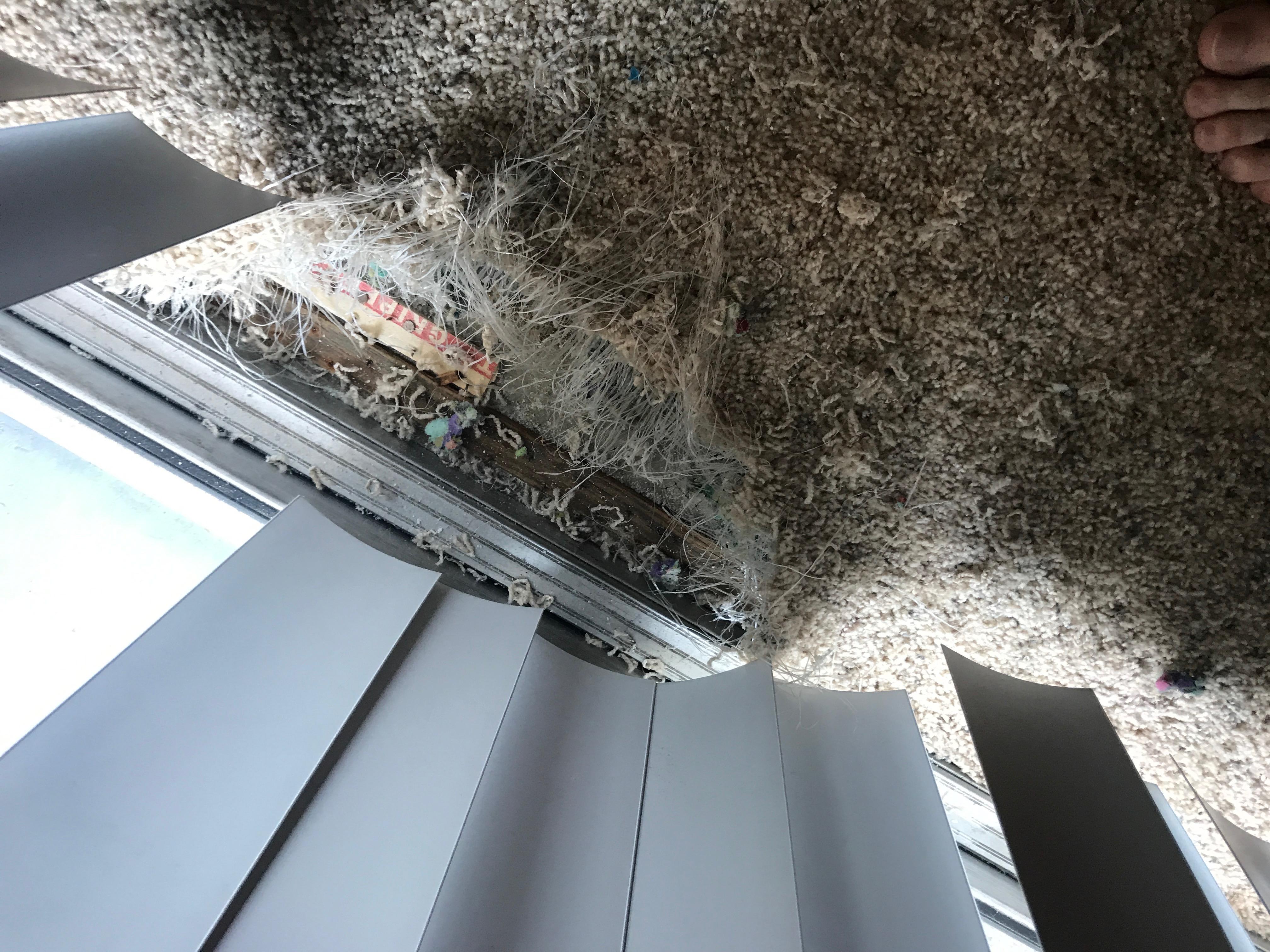
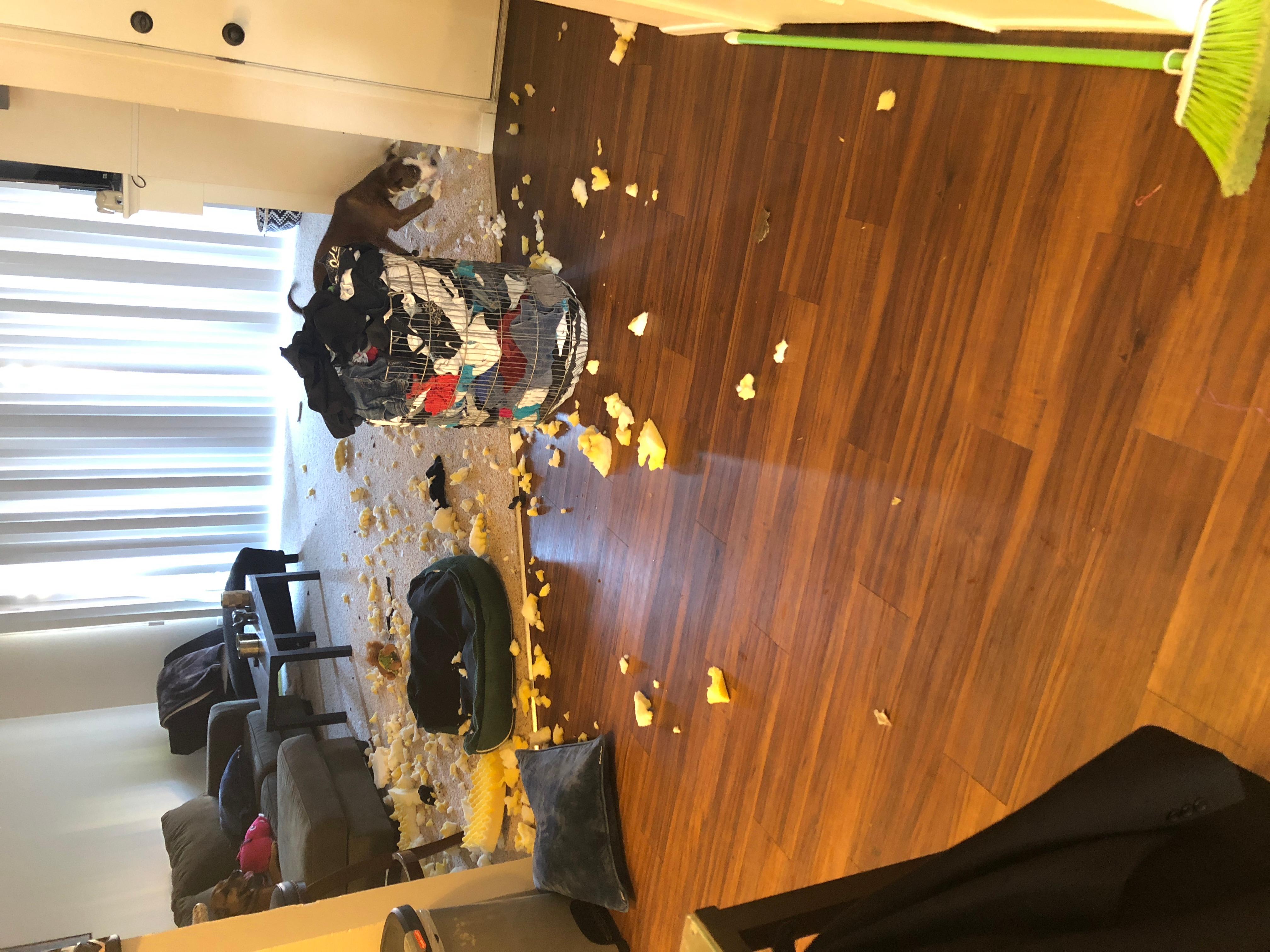
My dog tears holes in our carpet when we leave the house. Idk what to do, we are spending so much money to repair the damage. What can we do to stop this?


3 Answers
Most Helpful Answer

Published on September 21st, 2018
It sounds like Booker is experiencing some separation anxiety when you leave the house. I recommend crating him when you are gone. The crate will provide him a small space where he can feel safe in it when you are gone. You will have to slowly train him to get used to a crate. Start putting him in it when you are home and sitting nearby so he doesn't think you are abandoning him, and slowly increase the time he is in it. He can have toys in the crate, and puzzle toys with treats in it that he has to figure out how to get the treats out. You can put a tablespoon of peanut butter in a Kong toy and freeze it in the freezer overnight, then give it to him in the crate. That will keep him occupied for a while. Finally, you can get a pheromone diffuser called DAP that helps dogs with anxiety and pair that will a DAP pheromone collar that releases pheromones when in contact with his skin. If these methods do not help him, then I recommend having him seen by a vet to discuss the use of anti-anxiety medications. Best of luck, I hope this helps!

1Pet Parents found this answer helpful
Related Answers from Veterinarians
-
Published on May 1st, 2017
It does sound like Lucy is suffering from separation anxiety when you leave the home. I recommend crating her when you are gone. The crate will provide her a small space where she can feel safe in it when you are gone. You will have to slowly train her to get used to a crate. Start putting her in it when you are home and sitting nearby so she doesn't think you are abandoning her, and slowly increase the time she is in it. She can have toys in the crate, and puzzle toys with treats in it that she has to figure out how to get the treats out. You can put a tablespoon of peanut butter in a Kong toy and freeze it in the freezer overnight, then give it to her in the crate. That will keep her occupied for a while. Finally, you can get a pheromone diffuser called DAP that helps dogs with anxiety and pair that will a DAP pheromone collar that releases pheromones when in contact with her skin. If these methods do not help Lucy, then I recommend having her seen by a vet to discuss the use of anti-anxiety medications. Good luck, I hope this helps!
1Pet Parents found this answer helpful
-
Published on June 15th, 2017
She may be experiencing some degree of separation anxiety. Slowly acclimate Ellie to your absence. Prepare to leave the house several times during the day and night. Leave sometimes and other times stay. Do not make a big deal about leaving or returning. Initially, step outside for a minute or two then walk back inside. Ignore her for 15 minutes or until she calms down each time you return. Gradually increase the length of your absence. Provide special toys or treats to be used only when you leave. Use praise and small rewards as she progresses. The use of pheromone collars or sprays may also help to ease her anxiety when you are gone. Exercising her just before you leave may also help by tiring her out. Consider a consult witha certified veterinary behaviorist and your veterinarina to discuss training and medication.
1Pet Parents found this answer helpful


My dog is 8 month old he's doing good with his potty training but when left alone he chews chairs and wees and poos on floor even though 3 puppy pads are left out is this normal at this age and how can I stop it

Tucker is crate trained but he barks non stop when we leave the house, he can’t have anything in it or he eats it. Today we locked him in the bedroom thinking that might help but he ate the wall. I can’t handle it I feel terrible for saying it, I lov

My husband bought Ronaldo a few years ago as a puppy. He was the last one of his siblings to go. He has really bad separation anxiety, when we leave the house he barks, howls, whines, scratches the door, tears up our carpet and I'm afraid he might hu
My 5 yo dog has been acting out a lot lately. I've had him since I was 16 and now I'm about to be 21. For most of his life, I lived at home with my family and my other dog at home. When I moved out from CA to AZ I took my dog with me. He hasn't trans
I'm moving out of my current living situation. I'm taking my sheltie mix with. We have had a 1 for 1 dog:human ratio. My dog spends quite a bit of time with everyone right but when we move it's going to be just him and me. So he's going to be left al
How do you know if your dog has separation anxiety?
How to train him to be alone in house when everyone goes to work because behind us when I see in cam few minjtes later he stand and throw or kknd attack plastic chair it fells down continuously barks on it then sniffing every door so how I should tra
How can I stop my dog from destroying things while we are not home? He is a 3 year old rescue, and he is rarely home alone as I have roommates. It seems like as soon as I leave, even if my roommates are around, he then starts chewing and ripping apar
I've noticed that Lacey seems depressed a lot. She has separation anxiety, esp. when I leave. Besides giving a treat, what else there to do? The treat trick, she is looking out the window by the time I shut the door and walk down the steps. And the l
How can I stop my shar pei from barking constantly and scratching when I go out and leave him.

Book an appointment with the pros – our expert vets are here to help.
