


My Labrador eats but won't gain weight and is losing hair. Why?
Updated On September 23rd, 2025
Pet's info: Dog | Labrador Retriever | Female | spayed | 10 years and 1 month old
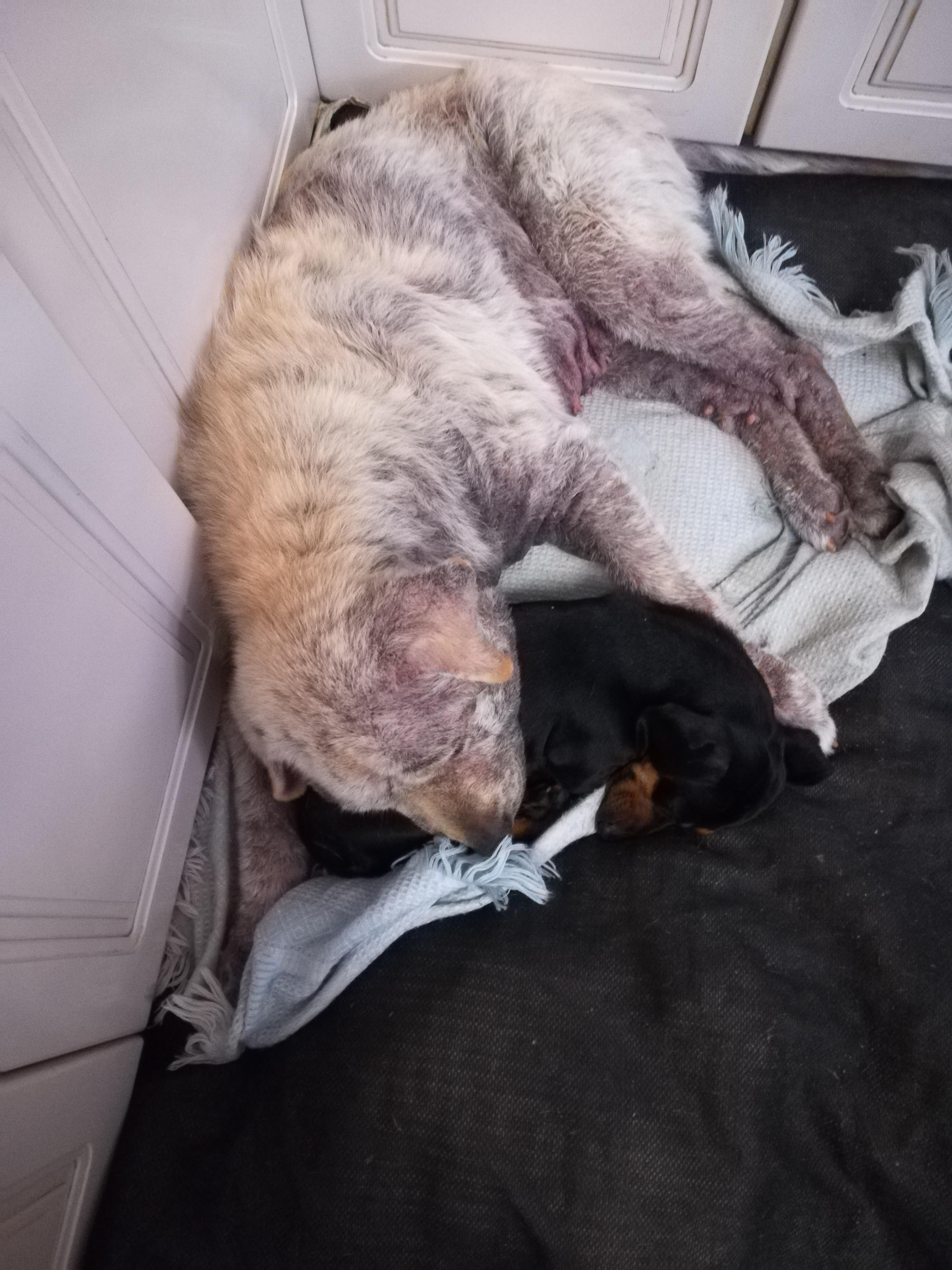
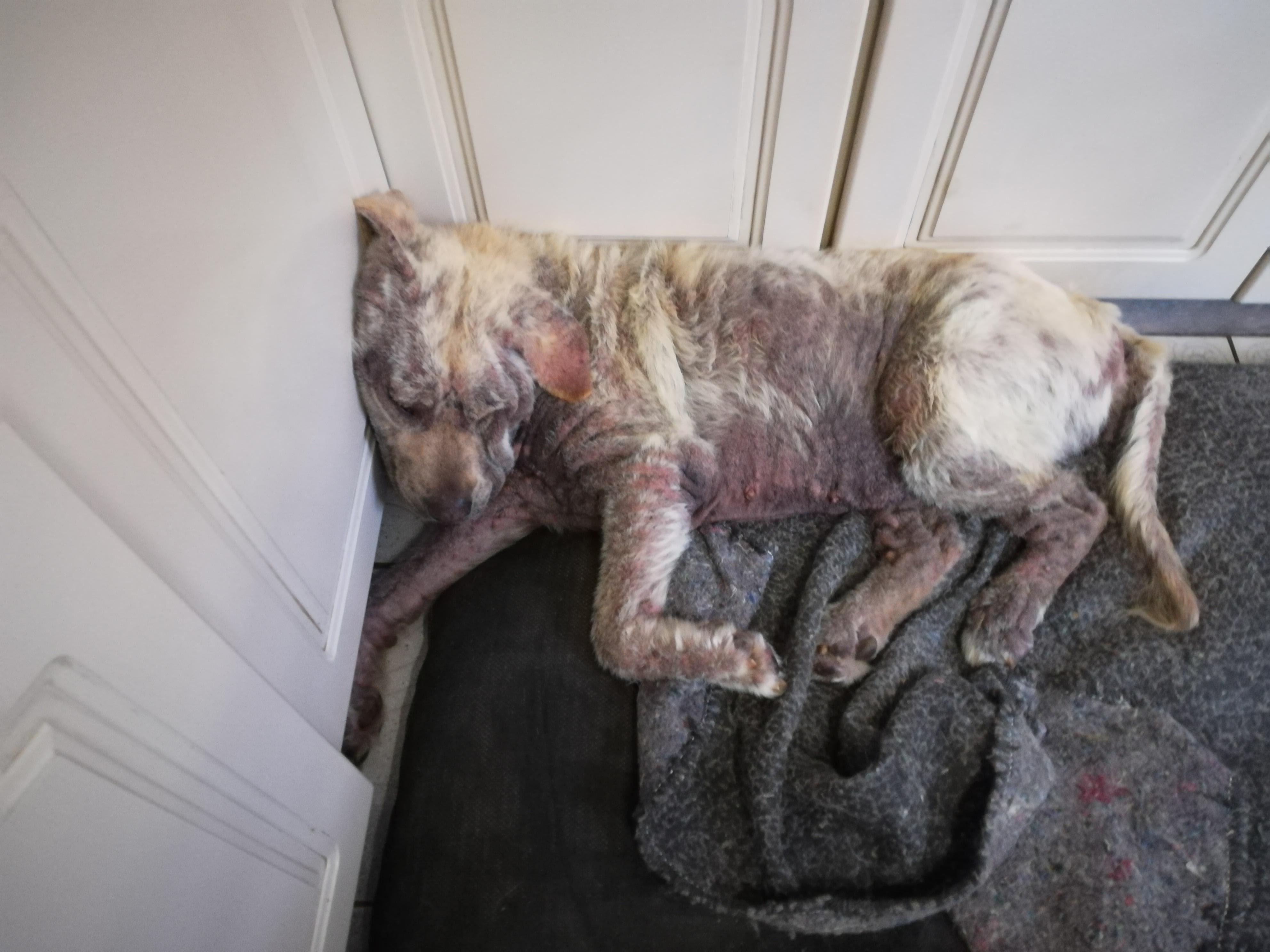
My spayed 9 year old labrador has not put on weight for over a year now and we don't know what is wrong. The vet did put her on steroids and it was not helping. All her hair has fallen out and is re growing slowing. We are rubbing her with coconut oil to help with re growth. She has a very healthy appetite but does not put on weight. We deworm her every 3 months. She is active and not lethargic. Her stool is normal.


1 Answer
Most Helpful Answer

Published on February 1st, 2018
Thanks for using Petco Pet Education Center, formerly Petcoach! Part of her not gaining weight could be due to an intestinal malabsorption issue. Your veterinarian could consider further advanced diagnostics like an abdominal ultrasound and a GI panel to check for something like that. I do suspect that her skin issues are possibly due to allergies and that probably plays a role in her quality of life. It really comes down to figuring out what is causing her allergies so that they can be treated or the specific allergen avoided. There are many things that can cause allergies though in most cases they can be broken down into 3 big categories: flea, food and environmental allergies. Allergies are usually worked up in a stepwise fashion starting with flea allergies as this is the easiest and cheapest to take care of. If not on a flea preventative, then it would be a good idea to get started on one. If already on one then it would be a good idea to change to something else (there are many new products out in the market). If not improved in 1-3 months then it is time to move on and check for food allergies by switching to a novel diet (new protein and new carbohydrate). If that does not seem to be the issue then you are left out having to check for environmental allergies which require blood and/or skin tests. Allergies can be very frustrating to deal with at first but so rewarding at the end when we are able to treat them effectively!

1Pet Parents found this answer helpful

Hello sir! I have male labrador from 1 year 4 months. He's suffering from severe hair fall. I am so worried about him. So, please could you help me in suggesting some good home tips?

bruno doesn't eat much just like other Labrador does. i feed him pedigree in the brekfast , rice , chicken and vegetables in lunch and dinner , dog biscuits in snacks. He eats very little and leaves his food. i keep deworming him time to time but sti

I have a rescue German Shepherd from a puppy mill with severe allergies. She can not keep weight on (eating 6 cups of dry food and a can and a half of wet food a day), she weighs 50 lbs or less. She is losing hair, skin is flaking and smells like

We have a beagle that eats well, but doesn't seem to be gaining any weight. He also has small patches of hair missing from his ears. We have given him a dewormer, but we have seen no change

Severe Pyoderma in 9 month old silver labrador retreiver. PLEASE HELP. We have tried every diet thinkable. It just keeps getting worse.

Why isn't my dog gaining any weight? She is also shedding alot
5 yr old lab mix shedding excessively. Treated 10-1-18 for allergies with prednizone. No other symptoms. I spot on back of leg and one on stomach hair almost gone. Is this a food allergy?

The pet has developed some skin problems and has lost weight also
My labrodar is 7 months old. Hair fall continue and some itching problem as well as reduce feed to eat any thing. Please help me.
My 3yr old Pitbull has rough patches of skin around his ears and head. Red bumps around his neck, between his shoulders, and tail. The hair is thinning in these areas as well. He has been chewing and licking himself in many areas, not just his paws.

Book an appointment with the pros – our expert vets are here to help.
