


Help! My baby bearded dragon won't eat. What should I do now?
Updated On September 23rd, 2025
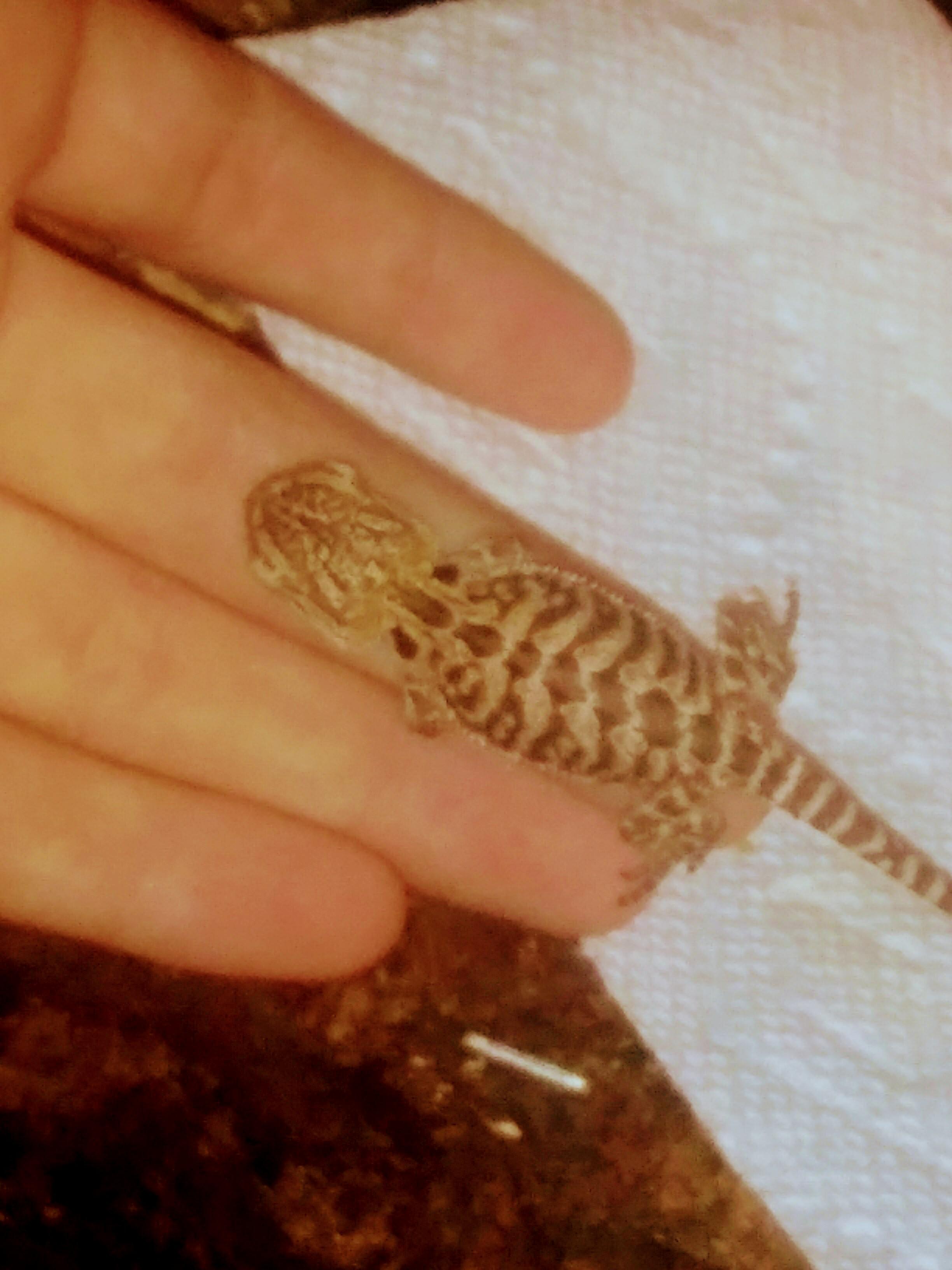
My baby bearded dragon won't eat.. what do I do?


4 Answers
Most Helpful Answer

Published on January 8th, 2018
Confirm proper temperatures. Low temps can affect activity, appetite and digestion in reptiles. Soak Jax in a warm 50/50 solution of water and unflavored PediaLyte. This will provide heat and may treat or prevent mild dehydration. Be sure prey is appropriately sized, no bigger than the space between the eyes. Look for pinhead crickets or freshly hatched/molted dubia roaches. Gutload them for 24 hours prior to offering to maximize nutritional value. Fluker's Repti-Boost can be used as a supplement. If Jax does not begin eating, have him examined by your veterinarian or an experienced herp vet to diagnose illness or injury.

2Pet Parents found this answer helpful
Related Answers from Veterinarians
-
Published on September 8th, 2017
It is not uncommon for beardies to have a decreased appetite or no appetite for a few days after purchase. The change in environment can be stressful. Give it a week or so to settle in. Do not handle during this time. Feed daily. Offer a variety of appropriately sized prey (no bigger than the space between the eyes) such as mealworms, crickets or dubia roaches. Gut load all prey for 24 hours prior to feeding to maximize nutritional value. Juveniles need more frequent dusting of calcium and multivitamin supplements. Ideally, all new pets should be examined by your veterinarian or a vet experienced in treating reptiles within 72 hours of arriving home to confirm good health or to diagnose and treat any pre existing conditions. Follow the link below for more information regarding care of bearded dragons. http://www.anapsid.org/bearded.html
1Pet Parents found this answer helpful
-
Published on January 15th, 2017
Confirm proper ambient and basking temps for your new beardie. Low temps can affect appetite and activity. Offer appropriately sized food and prey. Fresh foods should be finely diced, live prey should be no bigger than the space between his eyes. Setting up a proper environment closely mimicking his natural environment is also key. If he doesn't feel comfortable or secure, he will likely not eat. He may also be ill. Have him examined by an experienced herp veterinarian to diagnose illness or injury. Submit a stool sample to diagnose intestinal parasites. Follow the link for more information: http://www.anapsid.org/bearded.html Do not hesitate to request a consultation if you have further questions.
1Pet Parents found this answer helpful
-
Published on September 13th, 2017
It is not uncommon for them to go off food after a change in environment. Continue to offer appropriately sized prey (no bigger than the space between the eyes) as well as a commercial beardie diet. Submit a stool sample to your veterinarian to diagnose intestinal parasites and consider an exam with your veterinarian or an experienced herp veterinarian to confirm good health or to diagnose illness or injury.
1Pet Parents found this answer helpful

So my five month old bearded dragon will barely eat anything. I don’t know what to do as this has never happened before do you have any advice?
I just recently adopted a baby bearded dragon who is trying to pull out of failure to thrive he is a little bloated and constipated trying to give him water and Emeraid IC .07ml seem to be pulling out of it for a while but past 3 days is not as inter
Our 5 year old Bearded Dragon seems sick. We’ve had him since birth. He’s always loved to eat meal worms crickets and greens. He’s very picky on the greens we’ve never been able to get him to eat any other fruits or veggies. Few months ago he started
Hey! My name is Taryn. My baby bearded dragon, Otho, has been with me for a month now. He was eating super well- usually a bunch of crickets and a couple calciworms. For the past few days however- he's stopped eating? He shows little to no interest i
My bearded dragon lizard is a baby and just got her a few days ago, I let her roam in a tub of crickets and she ate 9. Now today she won't even eat crickets or anything. What's going on?
I know every dragon is different but what is a bearded dragos favorite bug, fruit, and/or veggie? I just brought mine home two days ago and he hasn't eaten anything. I heard it's common for that in the beginning but still want to know just in case.
Hi, I have a 4 month old gecko and he isn’t eating. I’m worried about him. His owner had him on powder smoothie mix but I tried veggie and meal worms, he won’t eat any so I went back to smoothie and he is continuing not to eat
My bearded dragon isn't eating. What do I do? I am very worried.
I adopted a bearded dragon she is eight years old and she has not been eating since I have a doctor which has been one week she has been given what the lady that gave her told me to give her but she still has not eaten anything

my beardie sleeps a lot during the day, at night too. recently he hasnt been eating much, and we ran out of crickets a week ago but theres spinach and carrots. he only drinks if i push him to, putting him near the bowl and dropping some water onto hi

Book an appointment with the pros – our expert vets are here to help.
