


My Labrador has chronic skin issues. How can I treat them naturally?
Updated On September 23rd, 2025
Pet's info: Dog | Labrador Retriever | Male | neutered | 5 years and 10 months old | 70 lbs
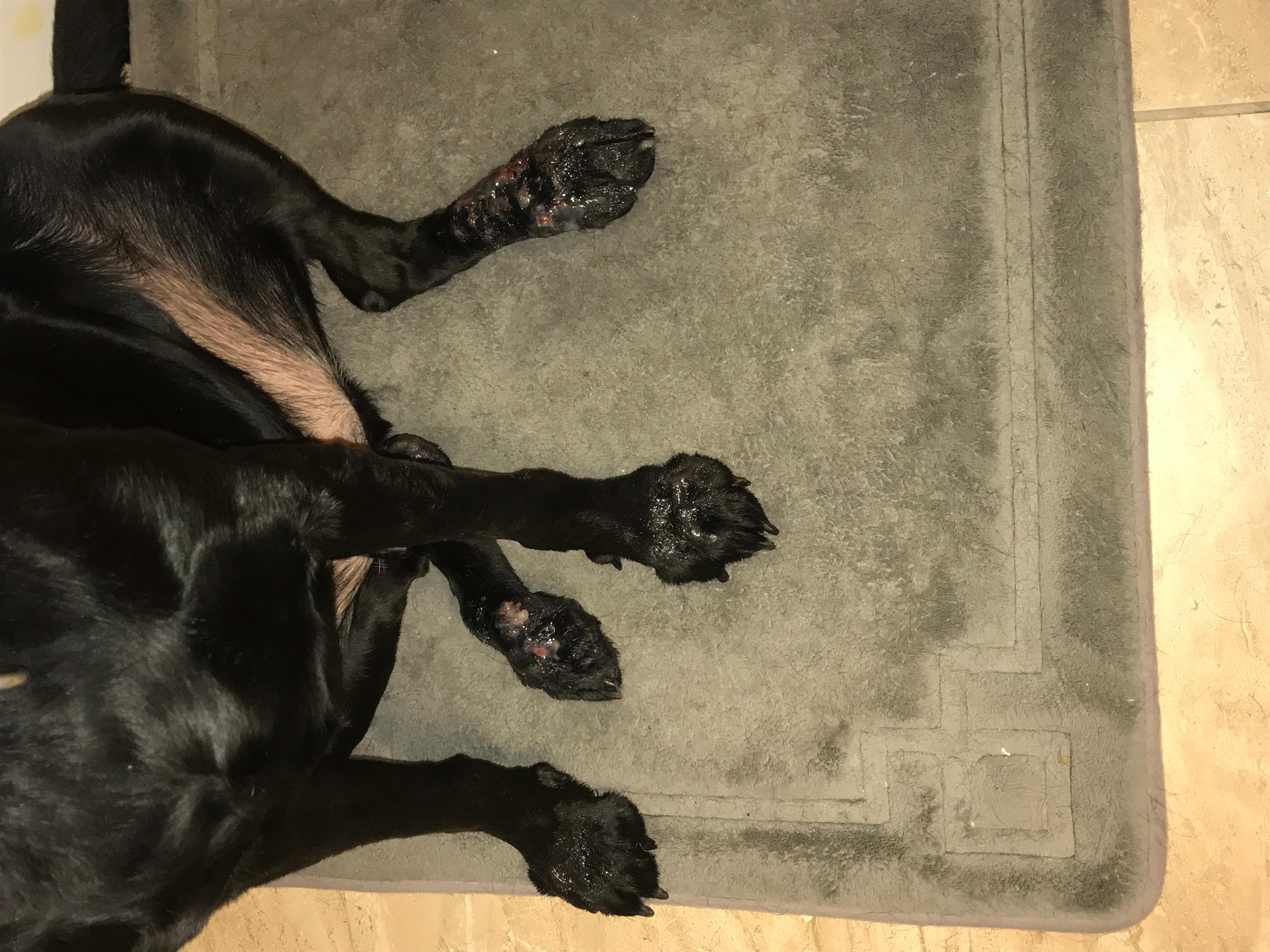
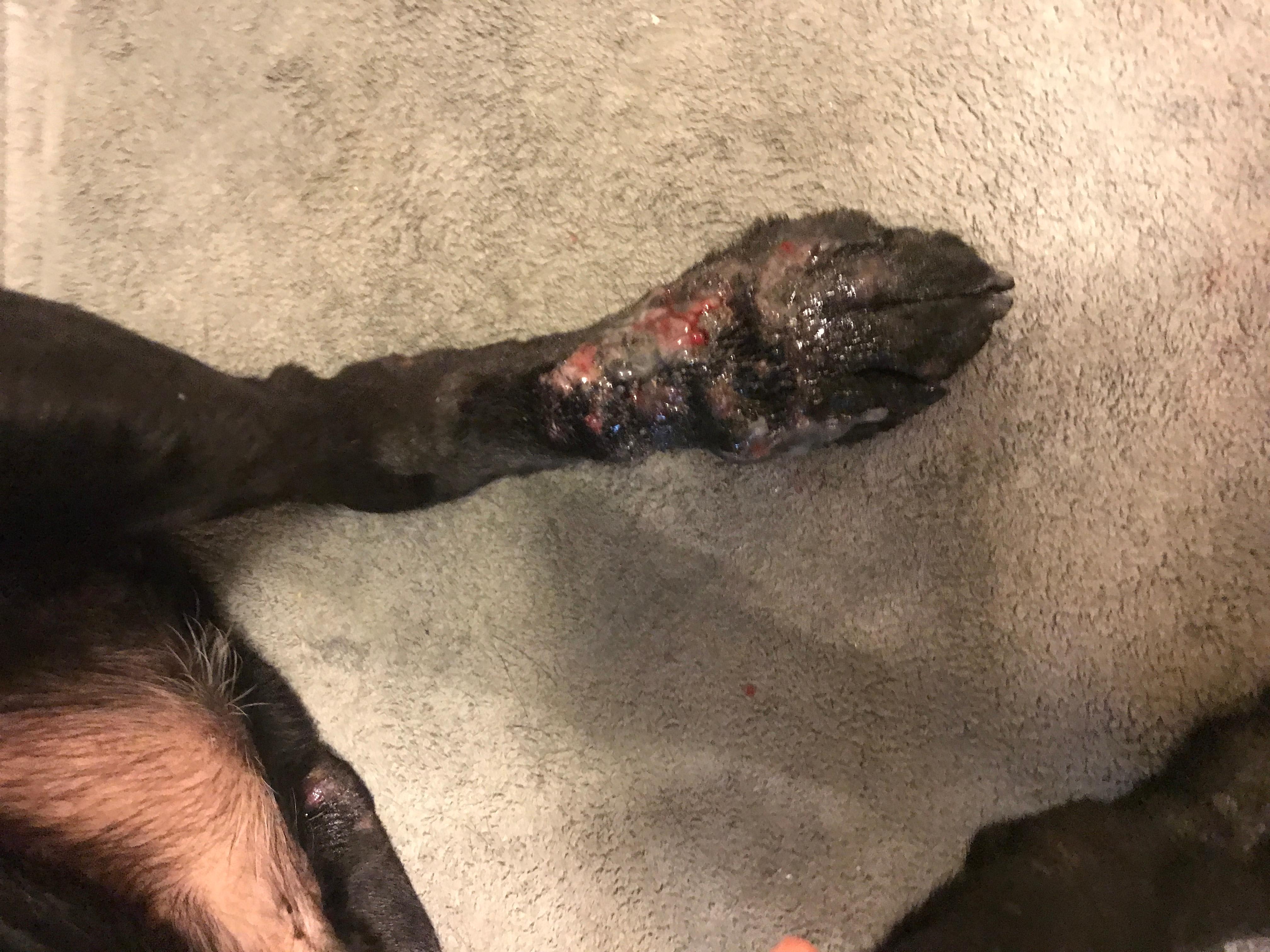
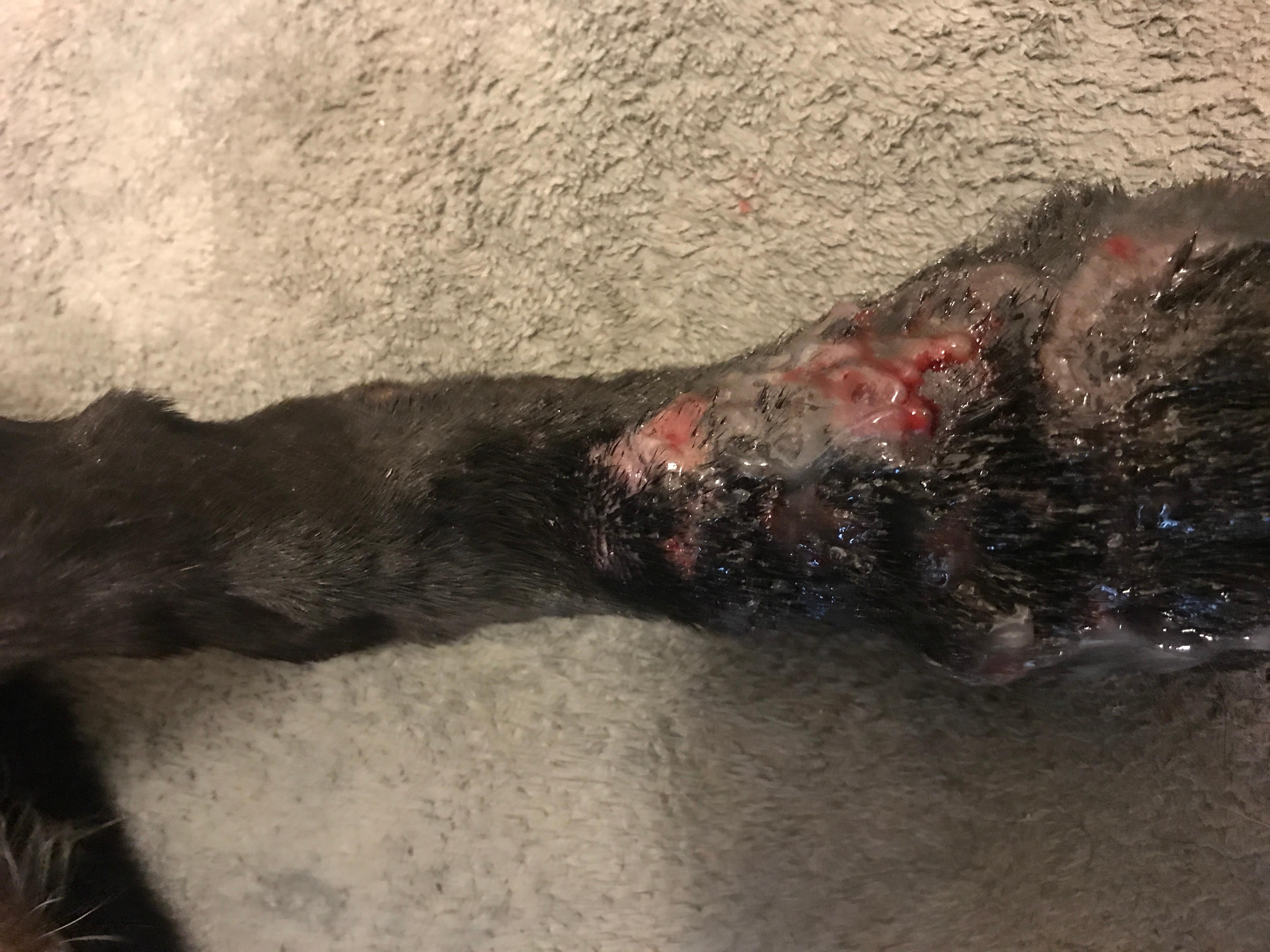
What course of action do you recommend for a Labrador 6 years old with abscesses, skin irritations, lesions etc. it's sporadic if it's not on his feet it's under chin or one foot or all them it's like cat and mouse. I don't know what to do. I don't want him on antibiotics , apoquel and/or cytopoint for life. There has to be a way to cure this naturally.


2 Answers
Most Helpful Answer

Published on August 26th, 2017
Ouch, poor Suede! If Apoquel and/or cytopoint have helped in the past, that helps confirm that Suede's underlying problem is likely allergies, and the skin infections are likely secondary to the allergies. Allergies can be either environmental or food-related, so one thing you could try to manage his allergy symptoms would be a prescription hydrolyzed diet in case this is related to an ingredient (or combination of ingredients) in his food. Keep in mind, however, that most allergies are environmental rather than food, and many dogs with food allergies have environmental allergies in addition! The other thing you can consider is skin testing followed by hyposensitization serum injections. These are injections created based on the results of a skin allergy test (usually performed by a dermatologist) that are given with the goal of "teaching" the immune system to tolerate those allergens and stop overreacting. It can greatly help many allergy dogs! It can be expensive, however, and I always warn my clients that while it can completely cure some dogs, it is more common that it *helps* - but the dog still needs some medical intervention to stay comfortable and avoid the secondary infection issue. Usually it allows a lower dose of allergy meds, or shortens the season that they're needed. Those are probably your two best options if you want to try to decrease the amount of medication Suede requires. Unfortunately, if you aren't providing some sort of therapy to manage the allergies themselves (whether it's Apoquel, Cytopoint, or some other medication, usually given in addition to hypoallergenic food and/or allergy hyposensitization injections), it will likely be a constant battle against skin infections. If you are not happy with Suede's response to therapy thus far, or want to dig deeper into your options, I strongly recommend having a consultation appointment with a veterinary dermatologist. They will be able to ensure Suede is being treated appropriately and that all other possible sources of itching and skin infections (such as flea hypersensitivity, skin mites, etc) have been ruled out. Hope this helps.

1Pet Parents found this answer helpful
Other Answers
-
Published on
Hi there! Thanks for using Petco Pet Education Center, formerly Petcoach! These lesions are very severe. These are all likely caused by self-trauma (such as chewing, licking) due to an underlying allergy for example. The only way to stop these from happening is by treating or preventing the underlying condition causing them, in this case possibly allergies. The first thing you should know is that you are not alone. It really comes down to figuring out what is causing his allergies so that they can be treated or the specific allergen avoided. There are many things that can cause allergies though in most cases they can be broken down into 3 big categories: flea, food and environmental allergies. Allergies are usually worked up in a stepwise fashion starting with flea allergies as this is the easiest and cheapest to take care of. If not on a flea preventative, then it would be a good idea to get started on one. If already on one then it would be a good idea to change to something else (there are many new products out in the market). If not improved in 1-3 months then it is time to move on and check for food allergies by switching to a novel diet (new protein and new carbohydrate). If that does not seem to be the issue then you are left out having to check for environmental allergies which require blood and/or skin tests. He still needs treatment of these skin lesions as soon as possible as the majority of his discomfort is due to these. Allergies can be very frustrating to deal with at first but so rewarding at the end when we are able to treat them effectively!i
0Pet Parents found this answer helpful



Book an appointment with the pros – our expert vets are here to help.
