


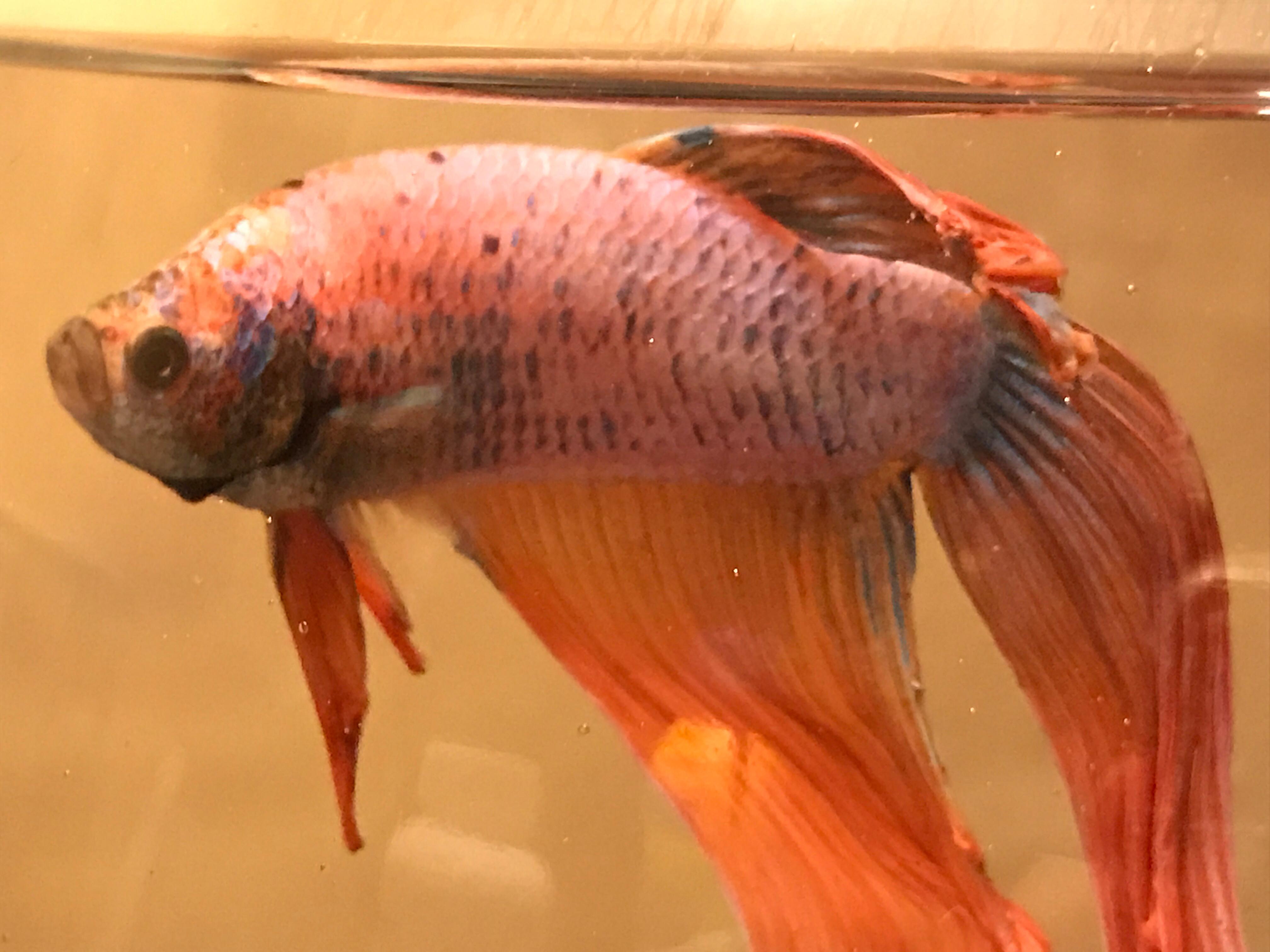
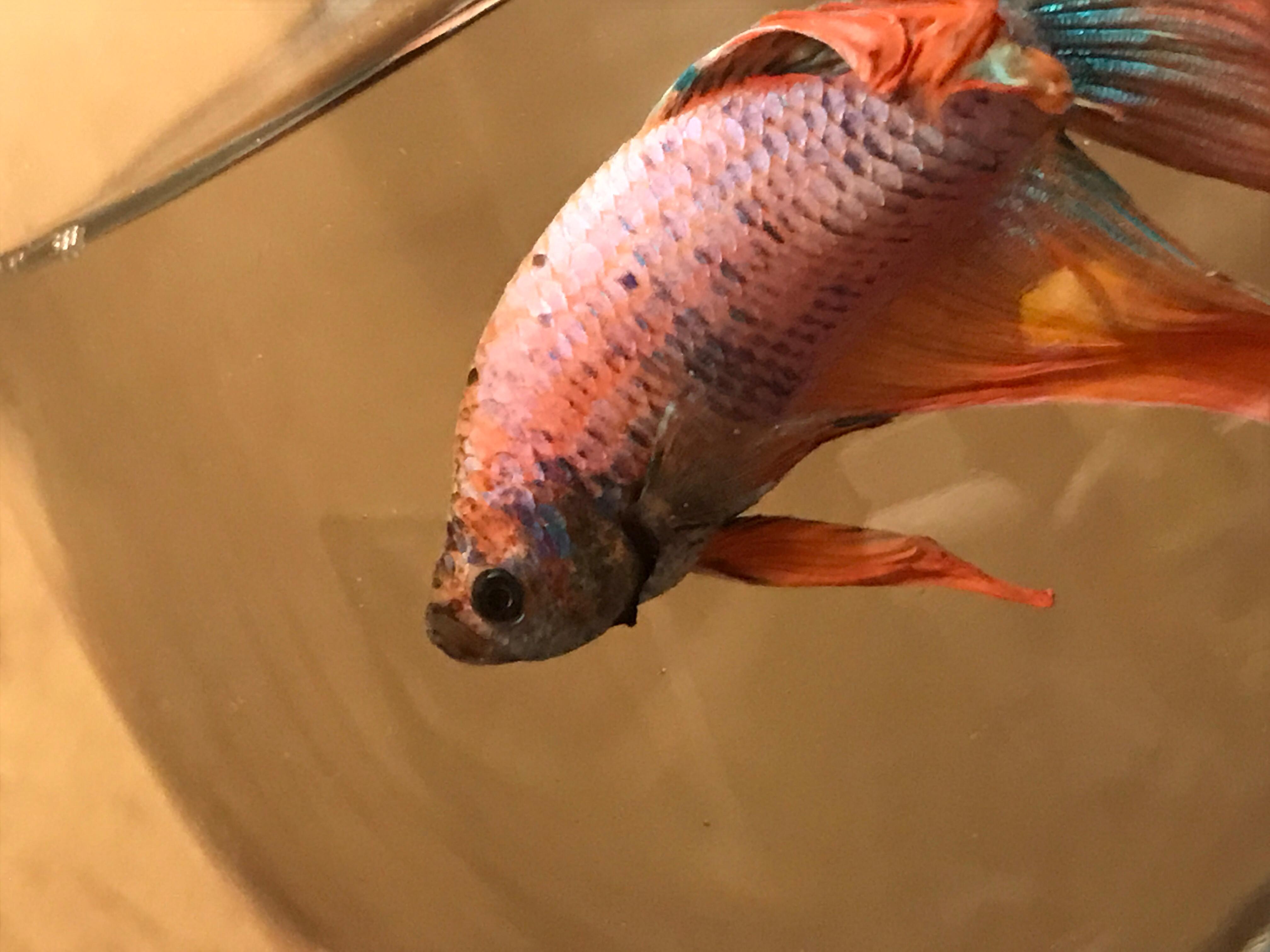
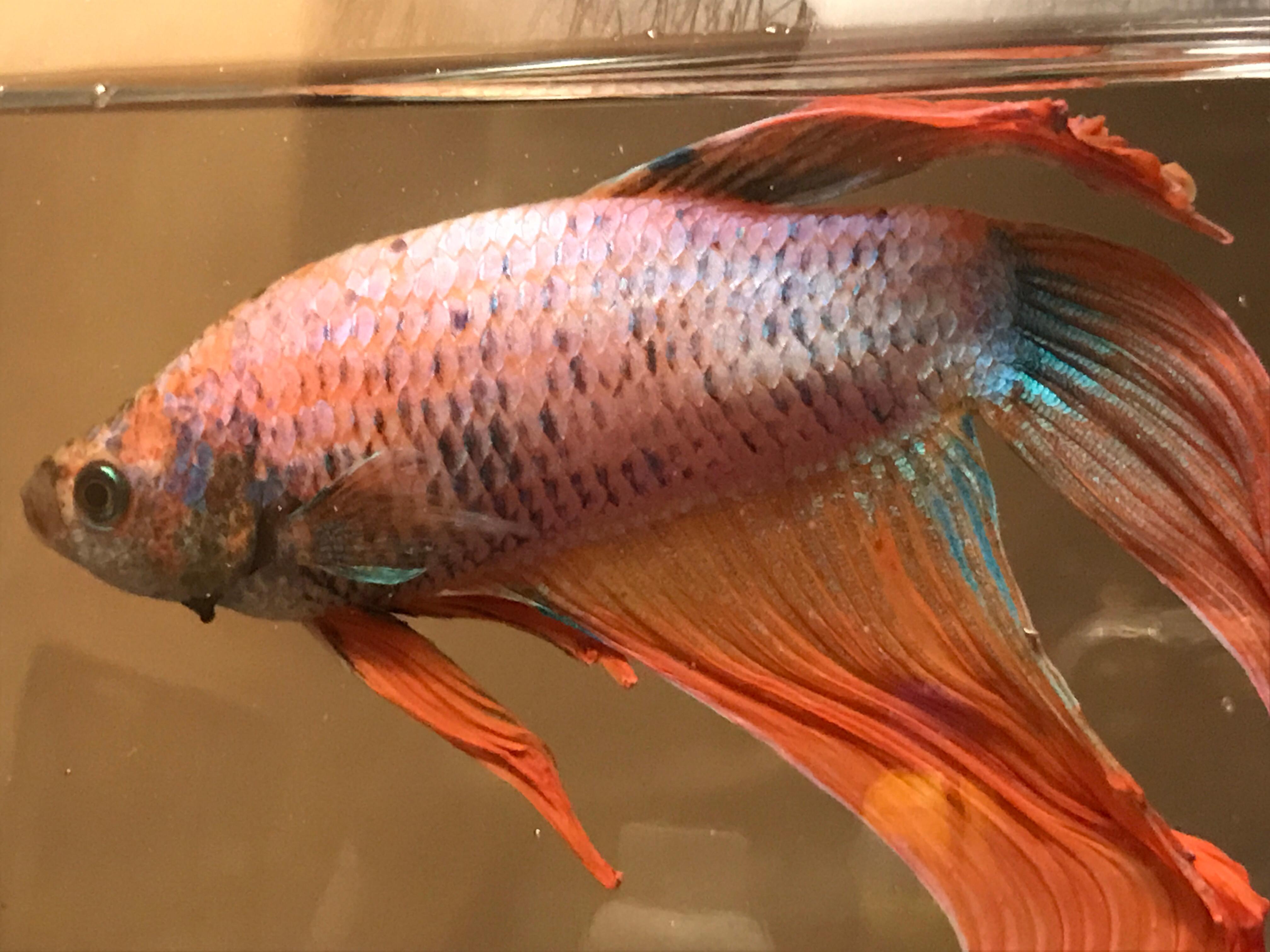
My fish has white spots, scratching, and swollen gills. Is it Ich or velvet?
Updated On September 23rd, 2025
Pet's info: Fish | Unknown - Fish | Male | unneutered
My year old has contracted either Ich or velvet. He is trying to scratch against his tank he has white patches but also when I've shined a light on him It also looks like he could have velvet. When I noticed his lethargy and his behavior I immediately transferred him into a smaller bowl to treat him with betafix (all I have until the pet shop opens covered his bowl to leave him in darkness His appetite is normal. He's bloated and is breathing but his gills I think are swollen. IDontWantHimToDie


2 Answers
Most Helpful Answer

Published on June 21st, 2017
If it is velvet, you will need to treat the entire tank. Perform an 80% water change using conditioned/aged and temperature matched water. Remove the carbon from the filter. You can use malachite green or a copper sulfate medication. Either can be purchased in the Aquarium section of your LFS (local fish store) or pet store. The parasite responsible for velvet is temperature sensitive (so is Ich), so you should gradually raise the temperature in the tank to about 85 F. Raise it no more than 1 degree per hour. Follow label directions very carefully as these medications although effective, can be toxic if used improperly or overdosed. Once the treatment is complete, perform a 50% water change and replace the carbon in the filter. Gradually decrease the water temp back to optimal for bettas, 78-80 F.

1Pet Parents found this answer helpful
Other Answers
-
Published on
There may be some fin rot as well. All these problems require a quite logic but radical approach. Begin by submitting a water sample for quality testing. Most pet stores will do this for free or a nominal fee. Separate Finley from others. High ammonia levels, PH imbalances may be responsible for that. Oxygen concentration and quality of the filters should be determined as well. If water quality is good and there are no major imbalances, the next step is to treat Finley with antibiotics. Copper sulfate is the treatment of choice for ''velvet''. Please do not hesitate to contact us again on the forum or by requesting a consultation if you have any more questions or to discuss it any further.
0Pet Parents found this answer helpful



Book an appointment with the pros – our expert vets are here to help.
