


My puppy has dark patches on her skin. Could it be allergies?
Updated On September 23rd, 2025
Pet's info: Dog | Labrador Retriever | Female | 22 lbs
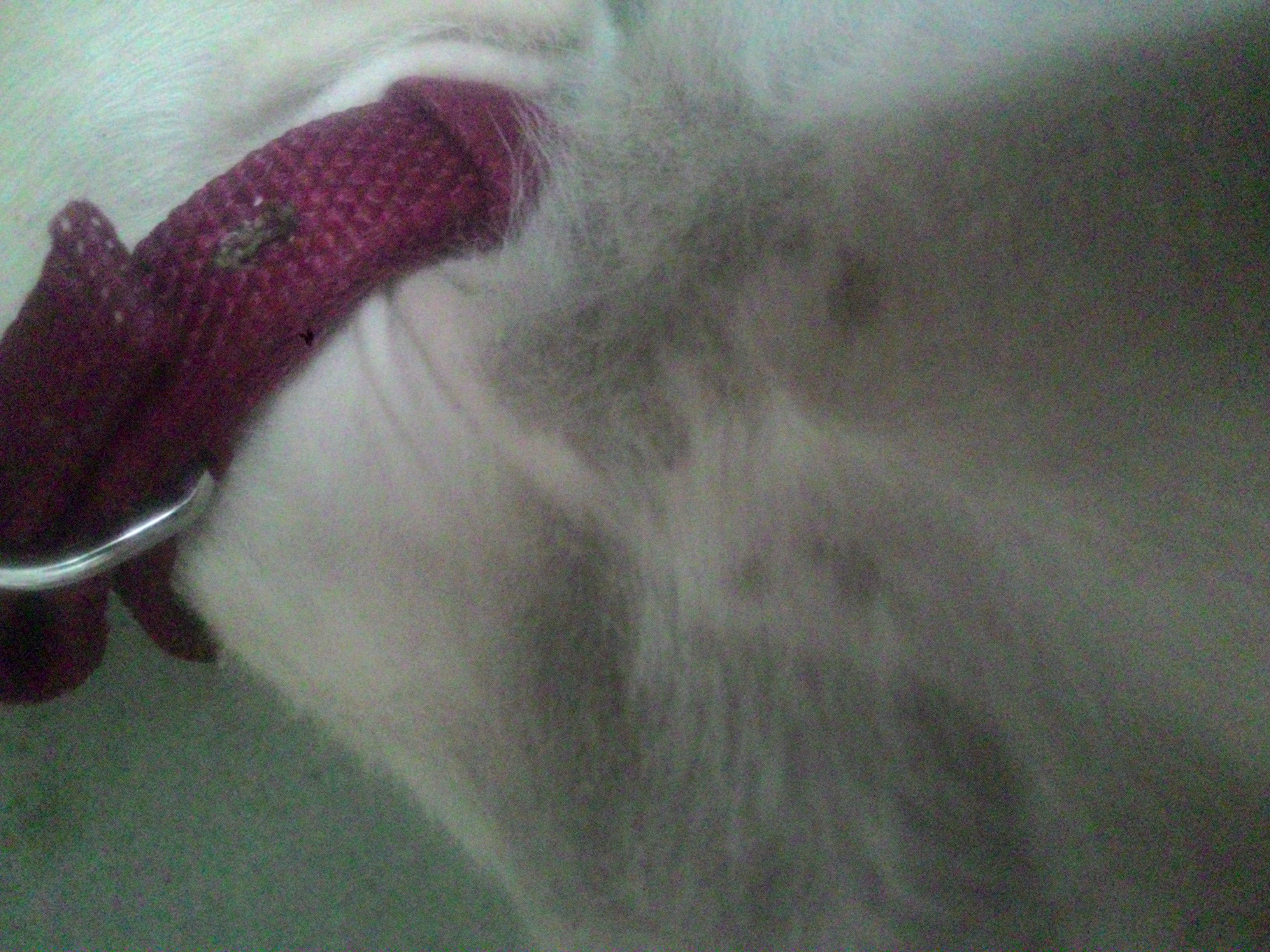
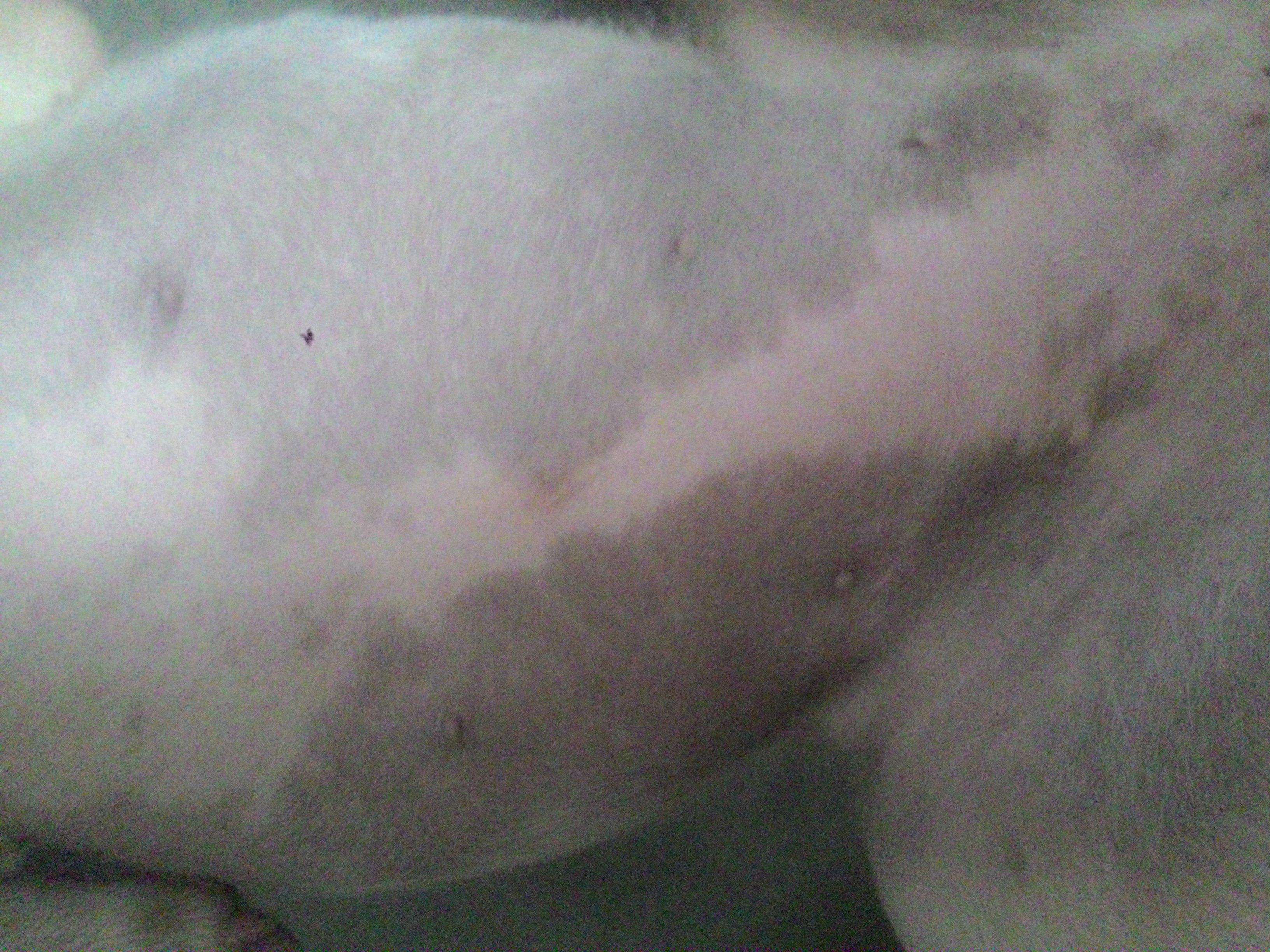
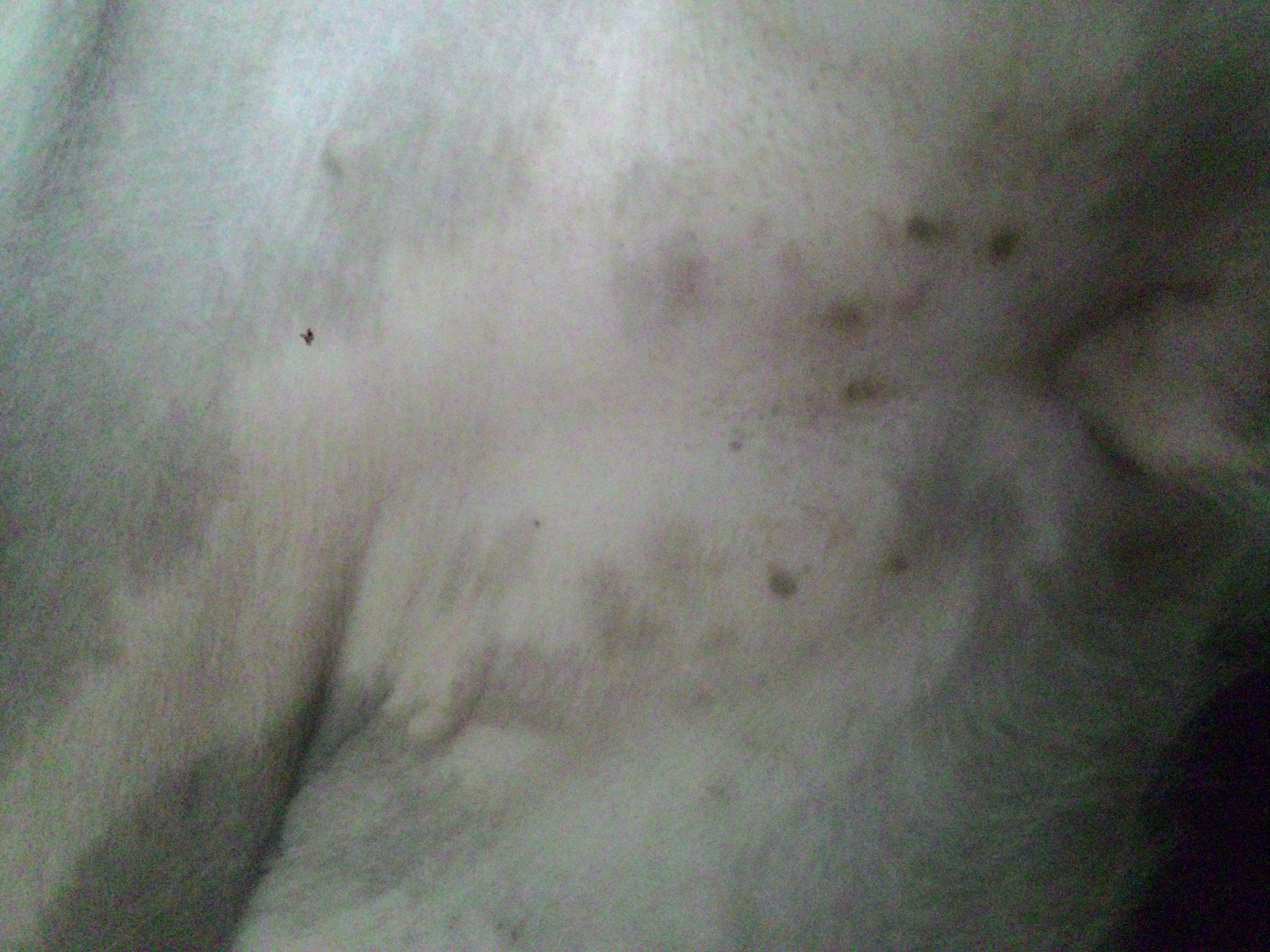
My pup was fine when we brought her but after some days she got some dark patches on skin and it covered her full tummy. We took her to the vet and he said that it is caused by allergies and he gave us some medicines. But I don't think so it is allergy. Please reply as soon as possible


4 Answers
Most Helpful Answer

Published on May 15th, 2017
Darkening or changing skin color can be due to disease including allergy, flea infestation, bacterial skin disease or fungal disease. Change of skin (or even hair) color can also be completely normal especially in puppies and young dogs.

1Pet Parents found this answer helpful
Related Answers from Veterinarians
-
Published on
Some of the black patches in the pictures look like it's her skin color rather than anything abnormal, some of the smaller dark areas could be an infection or an allergic reaction but most of the dark area seems like normal skin to me.
0Pet Parents found this answer helpful
-
Published on May 16th, 2017
It is hard to say if the cause of the skin changes is allergy related or not without a picture, which you can submit in a consultation or further questions if needed. In addition to allergies, parasites and infections of the skin may also cause changes to the skin itself as well as itching, hair loss, or redness. Getting a skin scraping from your vet of the affected area, or checking for parasites on the fur may give you more ideas as to the cause. Treatment depends on what the underlying cause is, so finding that first is best.
1Pet Parents found this answer helpful
-
Published on March 31st, 2017
You can use an antibacterial soap and rinse it well. If there's no signs of redness, hair loss or sensitivity, this may just be normal pigmentation. Sometimes as dogs get older certain areas of their skin will become darker colored.
1Pet Parents found this answer helpful



My west highland terrier’s belly has recently starting turning a darker color. He doesn’t itch or seem irritated at all. Just wondering if this is normal or possibly allergies?

My 10 week old puppy has these black spots on his tummy! They aren't causing him pain? Are these normal?

My shorkie's skin (mostly belly) is starting to very dark, almost black..Is it serious?

My dog has red patchy skin on her belly and also pimples on her mouth.. chocolate lab puppy.. is this a food allergy?
my peekapoo puppy at about 4 months dark spots developed on his stomach and i can see them under his fur on his paws and legs. they dont bother him at all. what is it?
We adopted a 4 month old lab/terrier mix.After about 10 days we noticed her stomach has become quite dark. Checking online I read it could be allergies. We had been changing her over from Purina one puppy to hills puppy food. I immediately went back

My dogs skin has black spots on her tummy and some on her back and on her thigh, its not scaly it looks normal but she doesn't have this before. I notice 2 weeks ago. Is this something I need to be worried about?
The skin on my dogs underbelly and penis has become quite dark over the last month or two. He is in good health and not itching. The colour change coincided with a change in his food (I have moved him onto a higher meat content dried food -70% meat),
I have a four year old bullmastiff, she's a red fawn coat, her skin is normally very light, no pattern but the skin on her belly and arm pits goes dark, thoughts?
Have a 7 month female spayed mix. Her skin went from pink to darker color all over. Her fur gotten lighter and skin darker

Book an appointment with the pros – our expert vets are here to help.
