


My dog won't urinate or eat after surgery. When is it an emergency?
Updated On September 23rd, 2025
Pet's info: Dog | Great Pyrenees | Male | neutered | 6 years and 5 months old
My dog had surgery on Fri and has not urinated since. He is also reluctant to eat and drink. At what point is this a serious concern / emergency?
4 Answers
Most Helpful Answer

Published on May 22nd, 2016
He should be rechecked by your vet or at the local veterinary ER today. He may be painful or still feeling the aftereffects of general anesthesia. This can last as long as 72 hours. If his bladder is full, the doctors can insert a urinary catheter if necessary to empty it. Medications can be administered or dispensed to alleviate pain which may make him comfortable. Supportive care can also be administered. SQ fluids may rehydrate him and perk him up.

20Pet Parents found this answer helpful
Related Answers from Veterinarians
-
Published on
You don't mention the type of surgery that your dog had, however not urinating for more than 48 hours is a serious situation. Either he's significantly dehydrated (so that he's not producing much urine) or there's a functional reason related to his urinary tract or the nervous system that's keeping him from urinating. Coupled with the fact that he's not eating or drinking well, I'd recommend going for an emergency visit to get his general condition assessed today.
13Pet Parents found this answer helpful
-
Published on May 6th, 2017
30 hours without urination, particularly in a small dog breed like a Shih-tzu, is approaching the point of an emergency. I would get Charlie to the vet as soon as possible to make sure that the bladder is not blocked and that the kidneys are fully functioning. Manual drainage of the bladder or passage of a urinary catheter might be required if the bladder is overly distended.
1Pet Parents found this answer helpful
-
Published on April 6th, 2019
Thank you for submitting your question regarding Poppy. Anesthesia slows down the gastrointestinal tract so it is not unusual for it to take a while for the dog to have bowel movement. It is worrisome that she is not urinating regularly though. I recommend that she sees her veterinarian today to determine why she is not urinating. Is she drinking normally? Could she be leaking urine on her bedding? Sometimes if a dog is painful, it will hurt to posture to urinate. So the dog will go while laying down. I hope this information helps!
3Pet Parents found this answer helpful


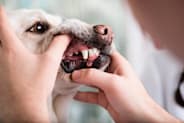
My 14 year old daschund had 8 teeth pulled on 13th July. He has not been eating or drinking since. I have put some water in his mouth with A syringe and today He got saline solution 250ml i/v. My question is how long can A dog go without urinating?
My dog had two masses removed on Wednesday, March 11th. He will not eat his regular food or drink water. He is acting completely normal and not lethargic or anything of the sort. He is peeing and pooping just fine as well. Should I be worried?
My dog was neutered today and won't eat or drink anything is this normal
My dog had cruciate ligament surgery on Tuesday has only urinated twice and not pooped yet is this normal ?
My dog just had a penile amputation surgery and got castrated at the same time yesterday. He had trouble urinating (came out drop by drop) due to the penile infection and no bowl movement for 3 days before the surgery. The vet says he should have sta

Charlie had a gallstone surgery on Thursday (May 4) morning. We picked him up on Friday (May 5) afternoon and he peed and pooped thrice at 1:30pm and peed/pooped around 6pm that same day. That was his last pee and poop. Today (May 6), he ate but refu

My dog had gallstone surgery last Thursday morning. He did pee last friday evening but he doesnt pee for almost 30hrs now....
my dog had 2 tumers removed yesterday and since i have brought him home he has not eaten or drank
My 7 year old chihuahua had teeth removed yesterday it’s been 24 hours and he’s still very down he won’t eat and if he drinks water he vomits it out like foam are those normal symptoms of the anesthesia

Peanut went to the emergency room last night for being lathargic all day, not wanting to go outside to potty and not eating or drinking. We were told it could just be bad neck pain from rough play with our other dog. They gave him a couple shots for
Book an appointment with the pros – our expert vets are here to help.
