Terrier Group
These are feisty, energetic dogs whose sizes range from fairly small, as in the Norfolk, Cairn or West Highland White Terrier, to the grand Airedale Terrier.
With all the traditional characteristics of a typical terrier — loyal, tenacious and fun — the Rat Terrier makes a great family pet, provided they are properly socialized, trained consistently and provided with plenty of attention and mental stimulation to prevent boredom.
Origin: United States
These are feisty, energetic dogs whose sizes range from fairly small, as in the Norfolk, Cairn or West Highland White Terrier, to the grand Airedale Terrier.
People familiar with this Group invariably comment on the distinctive terrier personality. Terriers typically have little tolerance for other animals, including other dogs. Their ancestors were bred to hunt and kill vermin. Many continue to project the attitude that they're always eager for a spirited argument. Most terriers have wiry coats that require special grooming known as stripping in order to maintain a characteristic appearance. In general, they make engaging pets, but require owners with the determination to match their dogs' lively characters.
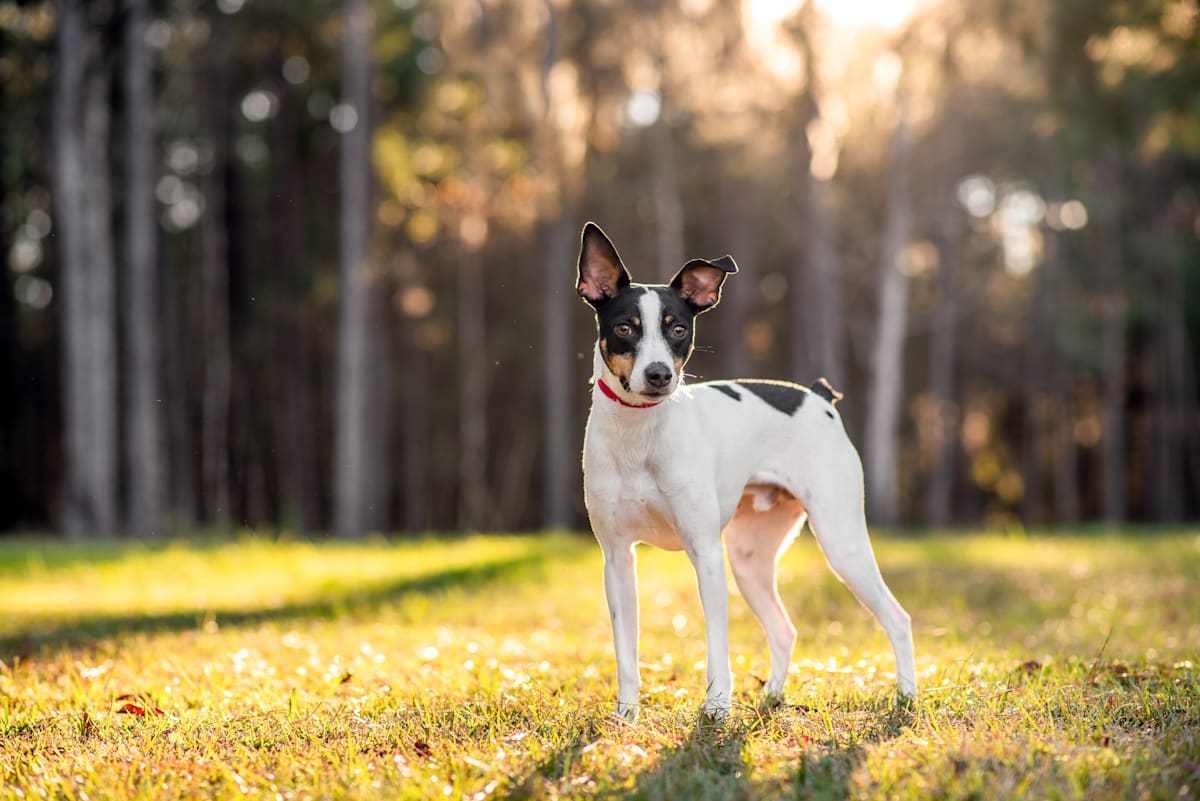
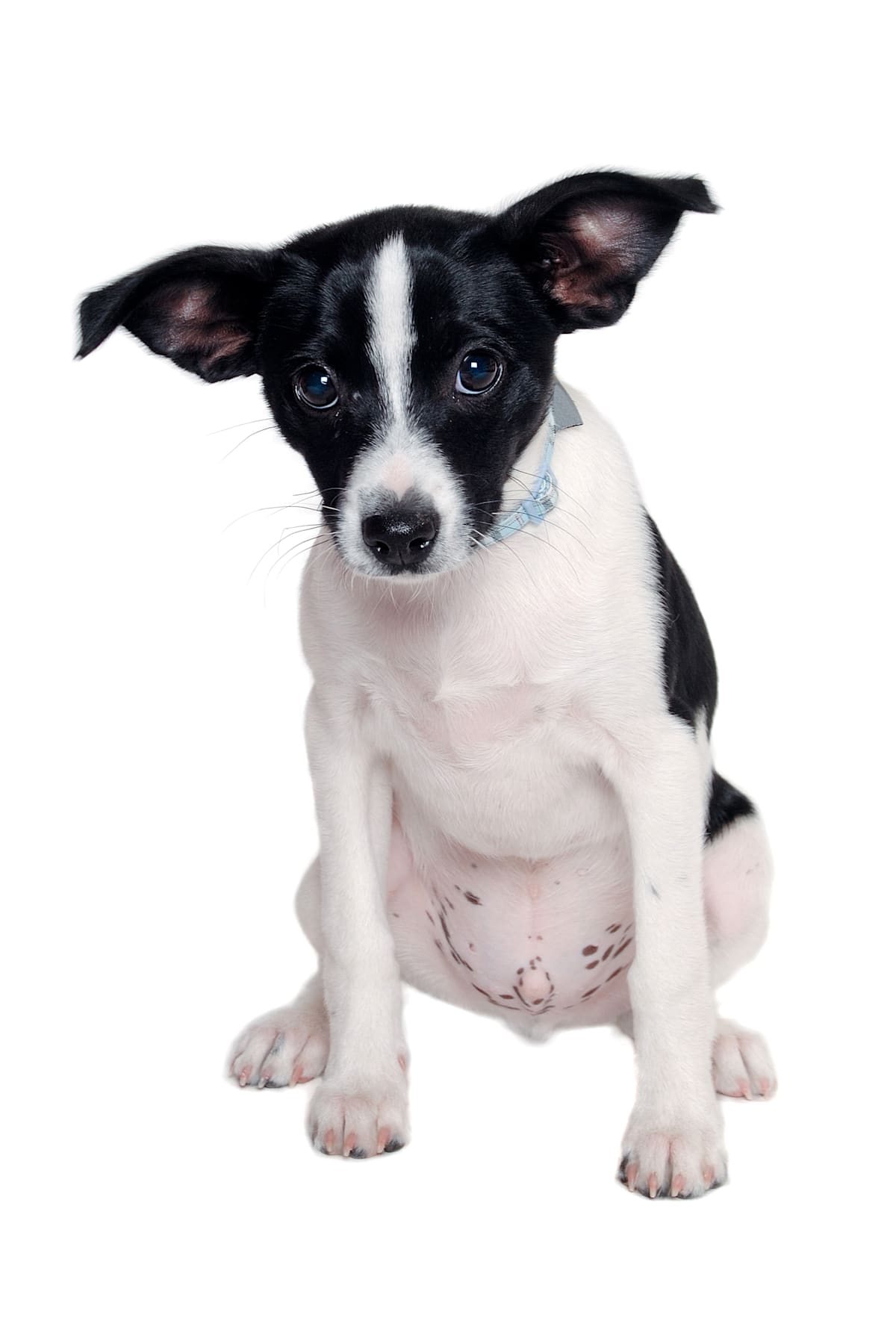
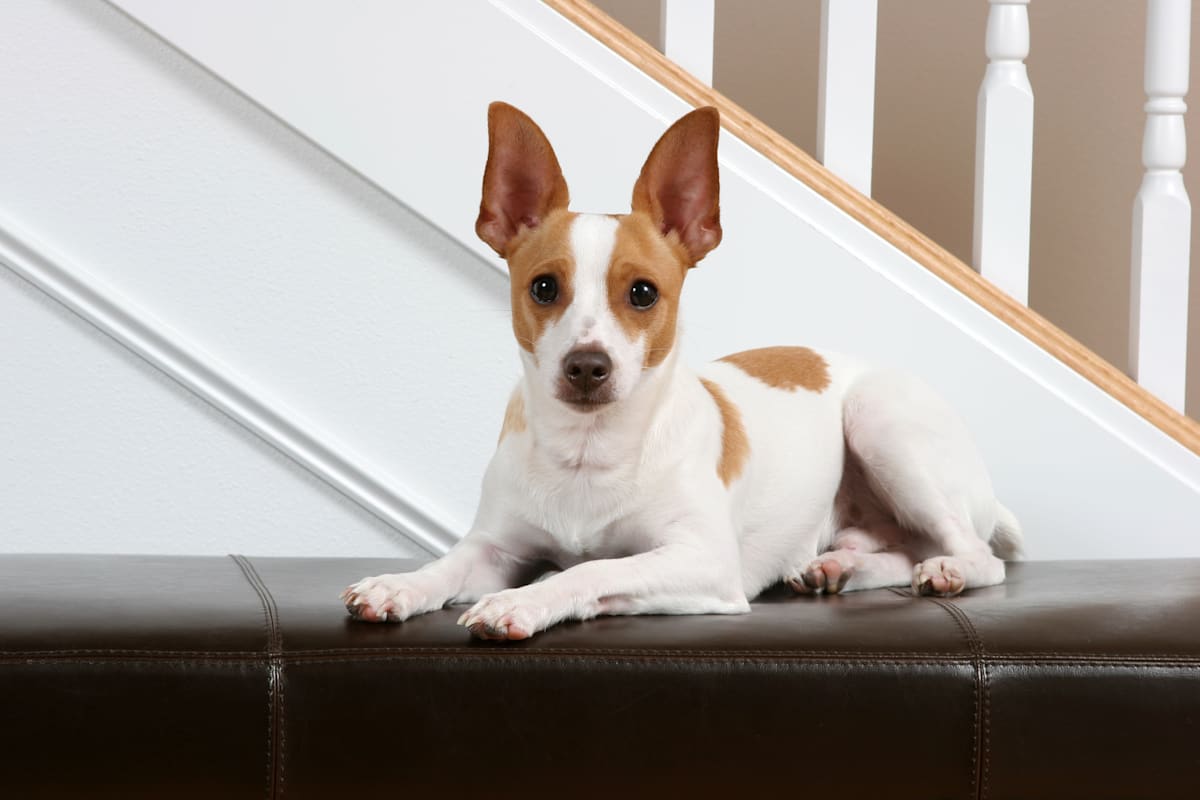
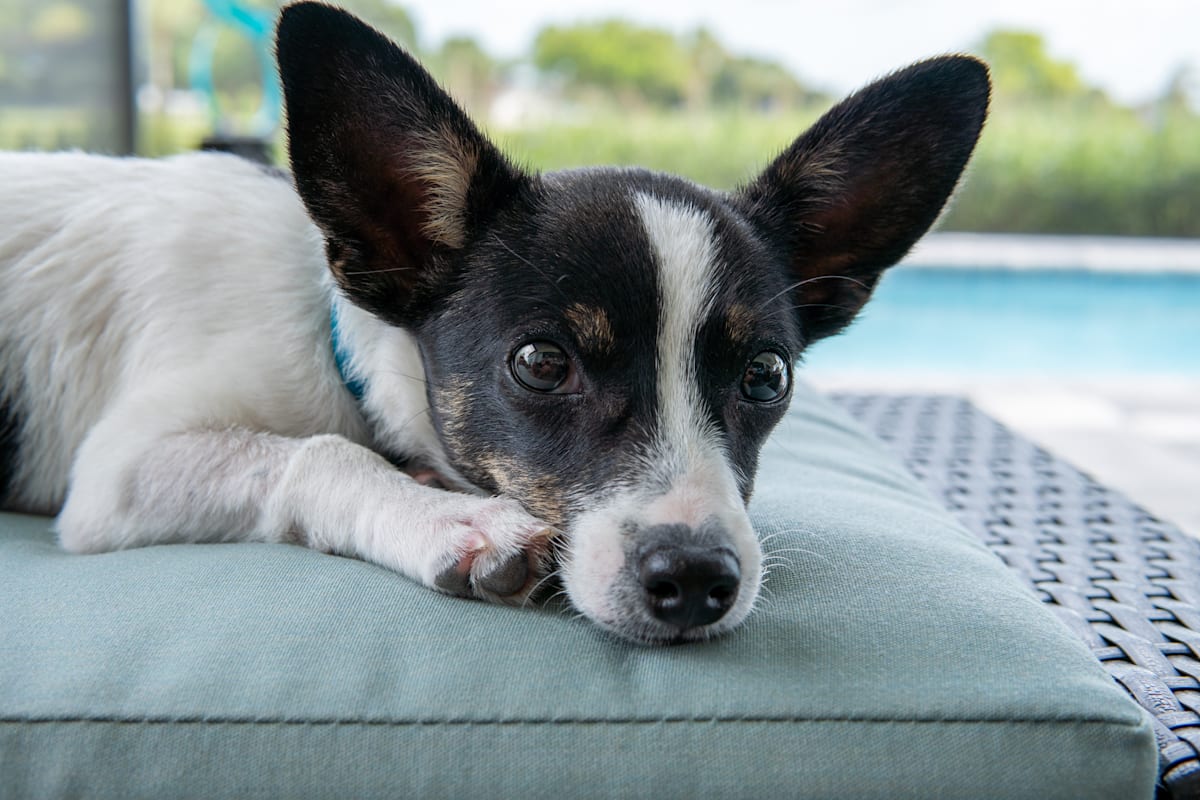
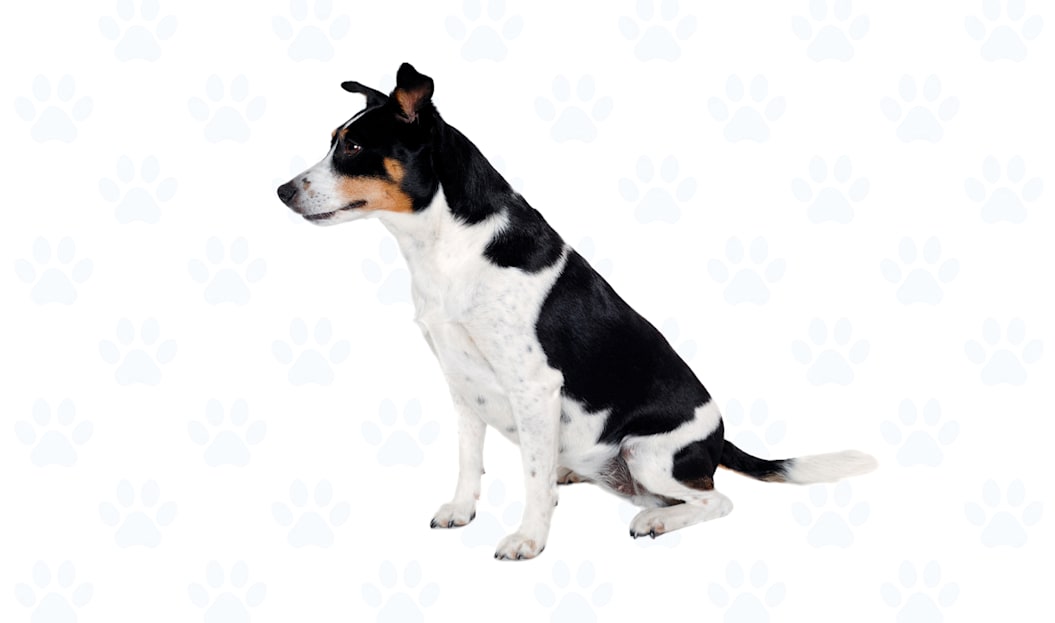
Rat Terriers are found in two sizes — miniature (10 to 13 inches in height) and standard (over 13 inches, not to exceed 18 inches in height). They have a smooth coat that comes in multiple patterns and color variations.
Rat Terriers are found in two sizes — miniature (10 to 13 inches in height) and standard (over 13 inches to 18 inches in height). A smaller breed, they range in weight from 10 to 25 pounds.
| Full Grown | |
|---|---|
| Female | 10 in. / 10 lbs. |
| Male | 18 in. / 20 lbs. |
Height is measured up to the shoulders.
Rat Terriers are found in two sizes, miniature (10 to 13 inches in height) and standard (over 13 inches, not to exceed 18 inches in height).
A smaller breed, Rat Terriers range in weight from 10 to 25 pounds.
A smaller breed with average exercise needs, a small space will suffice as long as they still have the opportunity to remain active.
While not quite as energetic as some of their terrier counterparts, the Rat Terrier still needs plenty of mental stimulation and regular exercise.
Feisty and funny, ornery and entertaining, the Rat Terrier is an intelligent breed with many charming traits. When given consistent training they can make great family pets, but it’s important to keep their predisposition for hunting and shenanigans in mind.
Unlikely to let anything approach his area without a proper verbal warning, the Rat Terrier makes a terrific, alert guard dog.

When properly trained, Rat Terriers will provide fun-loving, energetic entertainment for kids of any age.
Like most terrier breeds, the Rat Terrier can be slightly stubborn but is generally easy to train and very smart. Persistence is the key: If you are considered a pushover, this may not be the right breed for you.
Although the Rat Terrier’s coat sheds twice a year, their short, dense coat generally requires little care.
The Rat Terrier, like most terriers, can be noisy when they feel they need or want to be heard.
Like most terriers, Rat Terriers should only be exposed to cold-weather climates for short periods of time.
Rat Terriers have a few personality quirks that necessitate early socialization, so proper training is required to have a well-mannered companion.
“They are hunters at heart and will happily chase anything that chooses to run away,” says Tracey Kallas, a breeder at K2 Rat Terriers and AKC/UKC Rat Terrier judge. “Being smart and clever and loving to dig makes them excellent escape artists. They live to be with their people, and unlike many terriers will go out of their way to make sure all family members are included in the fun.”
While Rat Terriers might not be as high-strung as other terriers, they still require the proper care, attention, exercise and mental stimulation to keep them out of trouble.
“Unlike your typical terrier, they have an ‘off’ switch, so if you want to hike all day, they are all in, but if you want to binge watch Netflix, scoot over and be prepared to share the popcorn,” says Kallas. “This is a terrier that loves to be with its family and should not be considered for people who don’t want a dog as an active part of their daily lives.”
A bored Rat Terrier left to his own devices will bark, dig and get into all kinds of mischievous behavior, says Kallas. Proper training and exercise, as well as the time and attention of their people, will go a long way to addressing this behavior.
Although they are very smart, the Rat Terrier can be stubborn, so persistence and patience is the key to training.

“If you tell them not to jump on the couch, they won’t try it the same way twice, but they might come up with 15 different ways to get on the couch before they finally accept that the couch is off limits,” says Kallas. “Then you might have to do it all over again the next day because according to your Rat Terrier, you could change your mind and they need to make sure!”

Some Rat Terriers are happy to run around inside, chase balls and play with the kids, but they also require daily leash walks and some outdoor play. They are also very smart and agile, so keeping them mentally stimulated through agility games will keep them happy, too.
Enjoys some moderate exercise every now and then
Ensure your Rat Terrier is being fed the recommended amount of food and is not getting too many treats as obesity is commonly seen in the breed as well. A good balanced small breed diet is recommended and not an all life stage formula. Make sure you select a formula that is specific for your dogs age.
A Rat Terrier will eat 1/2 to 1 cup of dry food per day.
As with most small breed dogs, dental disease is common in Rat Terriers. It is important to note that daily dental care with approved dental chews and toothpaste by the Veterinary Oral Health Council (VOHC) help improve dental health overall. However, these dental chews and toothpastes do not eliminate the need for an annual anesthetic dental cleaning, which does far more than chews and toothpastes will. With the predisposition for knee problems, it is wise to start joint supplementation early on.
Just as many other breeds have predispositions toward certain diseases, the Rat Terrier also has conditions that are seen commonly in the breed. these conditions may include, but are not limited to, the following: Mitral Valve Disease, Microvascular Dysplasia, Medial Patellar, Luxation, Primary Lens Luxation , Progressive Retinal Atrophy and Legg-Calve Perthes.
On average, Rat Terriers live to be between 12 and 18 years old.
The Rat Terrier has a short, dense coat that is easy to care for. A weekly brushing with a soft brush and a monthly bath should keep this breed’s coat in tip-top shape.
Short
Occasional
The Rat Terrier’s short coat sheds twice a year, but otherwise requires little care.
Bred by combining the Fox Terrier, Manchester Terrier and the now-extinct Old English White Terrier, the Rat Terrier was bred to catch and kill rodents in Europe to help control the plague. The earliest ancestors of the breed made their way to America in the 1920’s and became a multi-purpose farm dog, not only helping with rodent control but also hunting small game, says Kallas. “As farmers began using modern-day ways of controlling their rodent problems, the Rat Terrier became less popular, and by the 1970s it wasn’t as commonplace on farm,” she adds. A handful of enthusiastic breeders have kept the breed going since then, creating different types based on the jobs they needed the breed to perform.