


Related Articles


Can Dogs Eat Mushrooms? Safe vs. Toxic Varieties for Your Pet
Published on August 17th, 2023
Updated on April 2nd, 2026

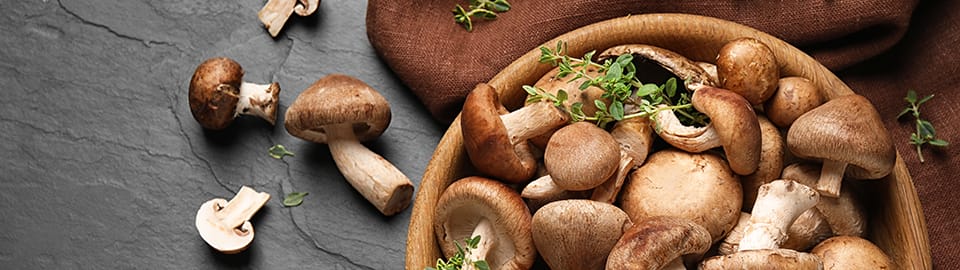
Can Dogs Eat Mushrooms?
Yes, dogs can eat store-bought mushrooms, though they provide little nutrition. However, wild mushrooms can be toxic to both dogs and humans. Dogs can generally eat canned, cremini, portobello, and shiitake mushrooms found in grocery stores. Never allow your pet to consume wild mushrooms while exploring outdoors. If your dog eats a wild mushroom, contact your veterinarian or pet poison control immediately. Always consult your veterinarian before introducing new foods.
Can dogs eat cooked mushrooms?
Yes, dogs can eat cooked, store-bought mushrooms safe for human consumption. Ensure they aren’t prepared with harmful ingredients like garlic, onions, or excessive oil, salt, and spices.
Can dogs eat raw mushrooms?
Yes, dogs can eat raw, store-bought mushrooms that are washed and cut into bite-sized pieces. Never feed dogs raw wild mushrooms, as these can be toxic or deadly.
Can dogs eat portobello mushrooms?
Yes, dogs can eat store-bought portobello mushrooms when washed and served in moderation. Since mushrooms provide limited health benefits, feed them only as an occasional treat. Keep treats and snacks to under 10% of your dog's daily caloric intake.
Can dogs eat white mushrooms?
Yes, dogs can eat white button, cremini, and portobello mushrooms if they are store-bought and prepared appropriately. Do not feed dogs wild mushrooms, regardless of their color.
Can dogs eat button mushrooms?
Yes, dogs can safely eat white button mushrooms (also called “common mushrooms”). Cook them before feeding, avoiding toxic additives like garlic or onions. These mushrooms can provide some fiber, protein, and antioxidants.
Safe mushroom list
Here are some common varieties of store-bought mushrooms safe for dogs to eat:
- White button mushrooms
- Cremini mushrooms
- Portobello mushrooms
- Porcini mushrooms
- Shiitake mushrooms
- Reishi mushrooms
- Maitake mushrooms
Symptoms of poisonous mushroom ingestion
If your dog ate poisonous mushrooms, consult your veterinarian immediately and look out for the following symptoms:
- Diarrhea
- Vomiting
- Fever
- Excessive drool
- Seizures
- Stomach issues
- Weakness
- Uncoordinated or unnatural movements
- Jaundice
- Lack of energy
- Liver failure
It’s important never to feed your dog wild mushrooms or those you don’t recognize.
Visual signs of poisonous mushrooms include:
- White gills on the underside of the cap
- Red colored mushrooms
- Mushrooms with rings around the stem
- Mushrooms with bulging at the base of the stem
FAQs About Giving Mushrooms to Dogs
What happens if my dog eats a mushroom?

If it’s a common store-bought mushroom, your dog should be able to digest it without any issues. If you’re wondering, “Can dogs eat baby bella mushrooms?” or “Can dogs eat mushrooms from pizza?” your pet will likely be fine after consuming those, too.
Can dogs eat white mushrooms?
Yes, white mushrooms—also known as table, button, champignon or common mushrooms—are typically acceptable for canines to eat, though there’s no reason to offer them to your pet.
What do I do if my dog ate a mushroom in my yard?
Can dogs eat mushrooms they found growing outdoors? Some mushrooms are sought-after sources of nutrients for many woodland creatures. Others are deadly poisonous to humans and dogs alike. If your dog consumes a wild mushroom that you can identify, contact your vet or animal poison control immediately to determine if it could be harmful to your pet. If you can’t identify it, make those calls anyway for advice on how to proceed. If your dog is acting abnormal after being outside and the only concern you find is a mushroom patch in your yard, grab a sample of the mushroom to help your veterinarian identify it. Symptoms of mushroom poisoning include vomiting, diarrhea, excess salivation, weakness, lethargy, a staggering gait and signs of abdominal pain. More serious symptoms of mushroom poisoning include seizures, coma, liver failure, abdominal pain and death, making it imperative you see your veterinarian or an emergency vet immediately if you suspect your dog got into wild mushrooms. Take some time to learn about the most common wild mushrooms in your area so you can quickly identify which ones are toxic to dogs. The adverse effects of most poisonous mushrooms stop at severe gastrointestinal distress, but some mushrooms—such as fly agaric and death cap mushrooms—can cause a painful and sudden death.
Do mushrooms make dogs sick?
Yes, some varieties can cause a wide range of illnesses in your pet. Some mushrooms are a favorite snack of many forest animals, but others can be deadly. This includes mushrooms like the amanita phalloides—also known as death cap—or the amanita muscaria—called fly agaric or deadly agaric. If you suspect your dog may have eaten a dangerous wild mushroom and/or your pet experiences vomiting, diarrhea and excess salivation after exposure, take them to a pet hospital ASAP or contact pet poison control right away. Try to bring a sample of the mushroom eaten to help your vet determine the best treatment for your dog.
Are garden mushrooms bad for my dogs?
As a pet parent, it’s a good idea to acquaint yourself with some of the most common mushrooms grown in gardens. Some pose little threat, some can cause gastrointestinal distress and others can be deadly poisonous. However, most mushrooms that are toxic to canines are also dangerous for humans, and it’s unlikely that a home garden would contain any that are toxic to dogs. When determining what’s OK for your pet, consider that the answer to the question “Can dogs eat mushrooms that are toxic to humans?” is no.

Can dogs safely eat store-bought mushrooms from my dinner plate?
Are mushrooms growing in my backyard safe for my dog to eat?
My dog ate a mushroom. Are wild mushrooms safe or toxic for dogs?

My dog ate unknown mushrooms and got sick. Should I see a vet?
My dog ate a mushroom in the garden. Is it toxic? What to do?
My puppy ate a mushroom. Is it poisonous to dogs? What should I do?
My dog was in the yard with mushrooms. Should I be worried she ate one?
Are potatoes good for dogs, and how much can they eat safely?
How much tomato is safe for my small dog? Can it cause harm?
My dog ate old pecans from the trash. Should I worry about mold?





Book an appointment with the pros – our expert vets are here to help.
