Petco Text Logo
Petco Pet Logo
Jump To Section

    About Pomeranians

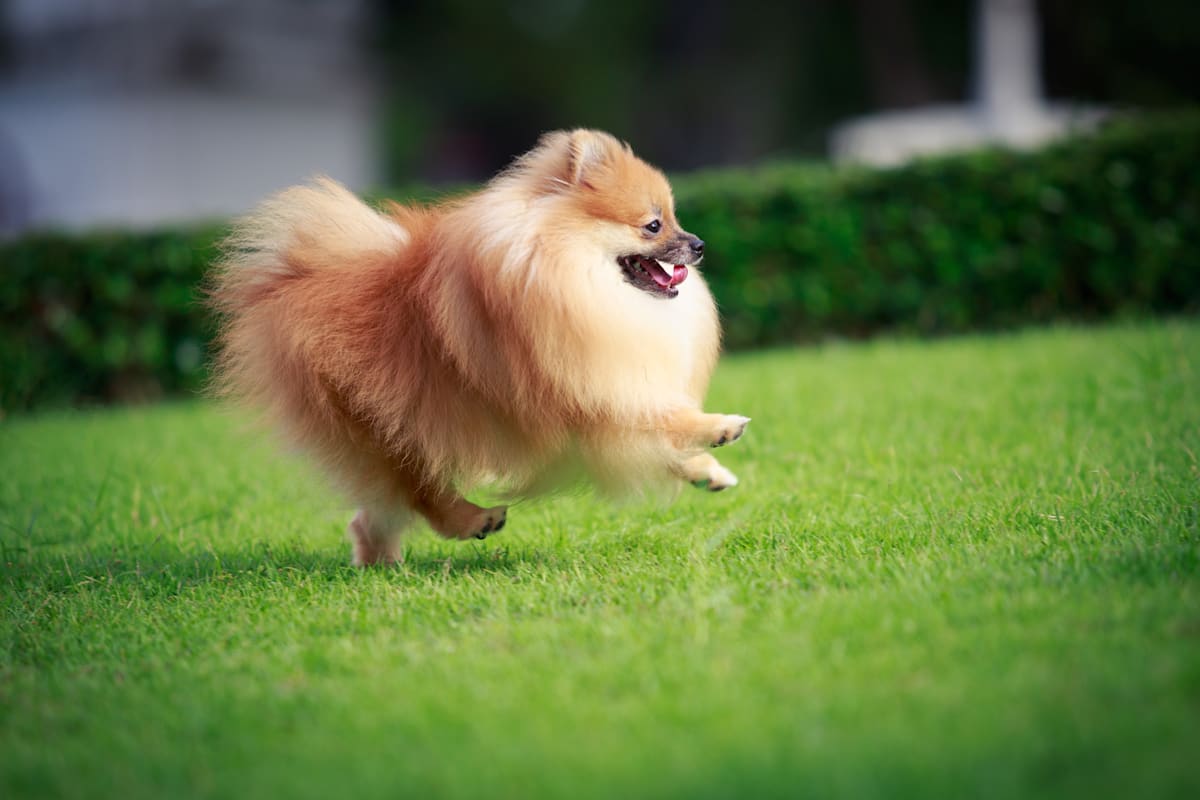
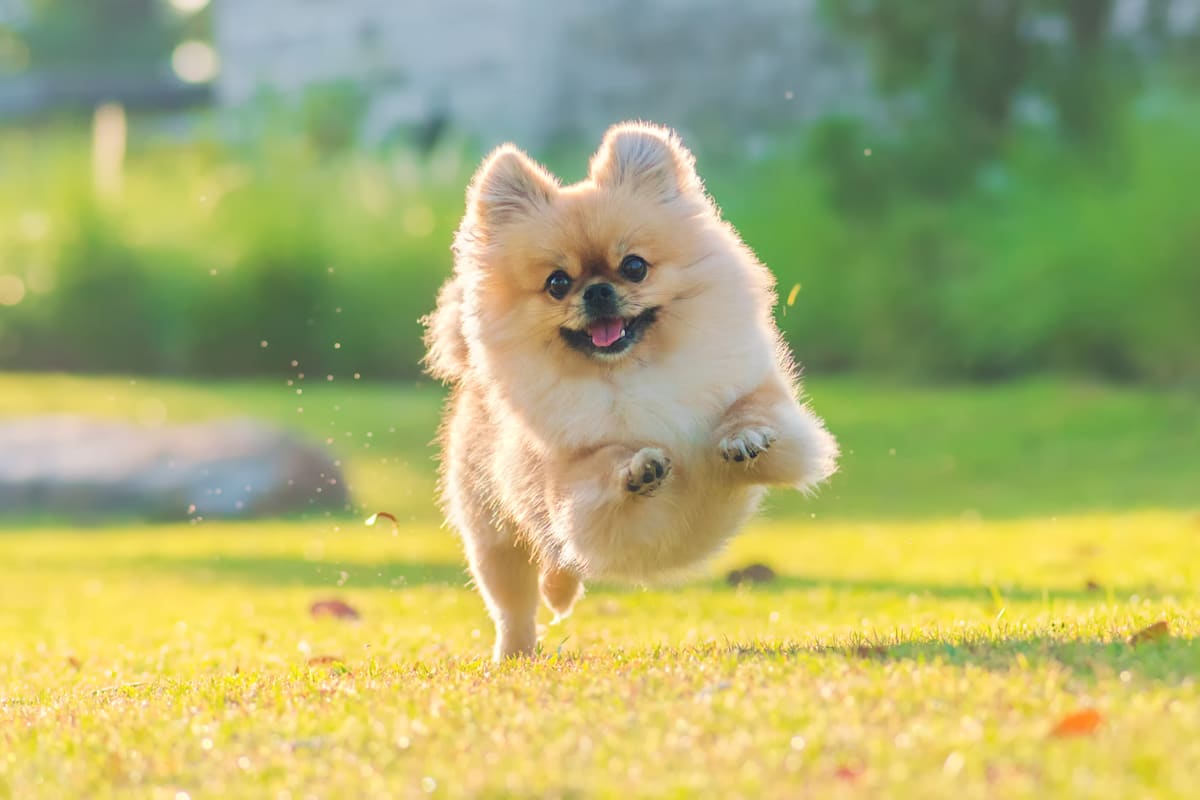
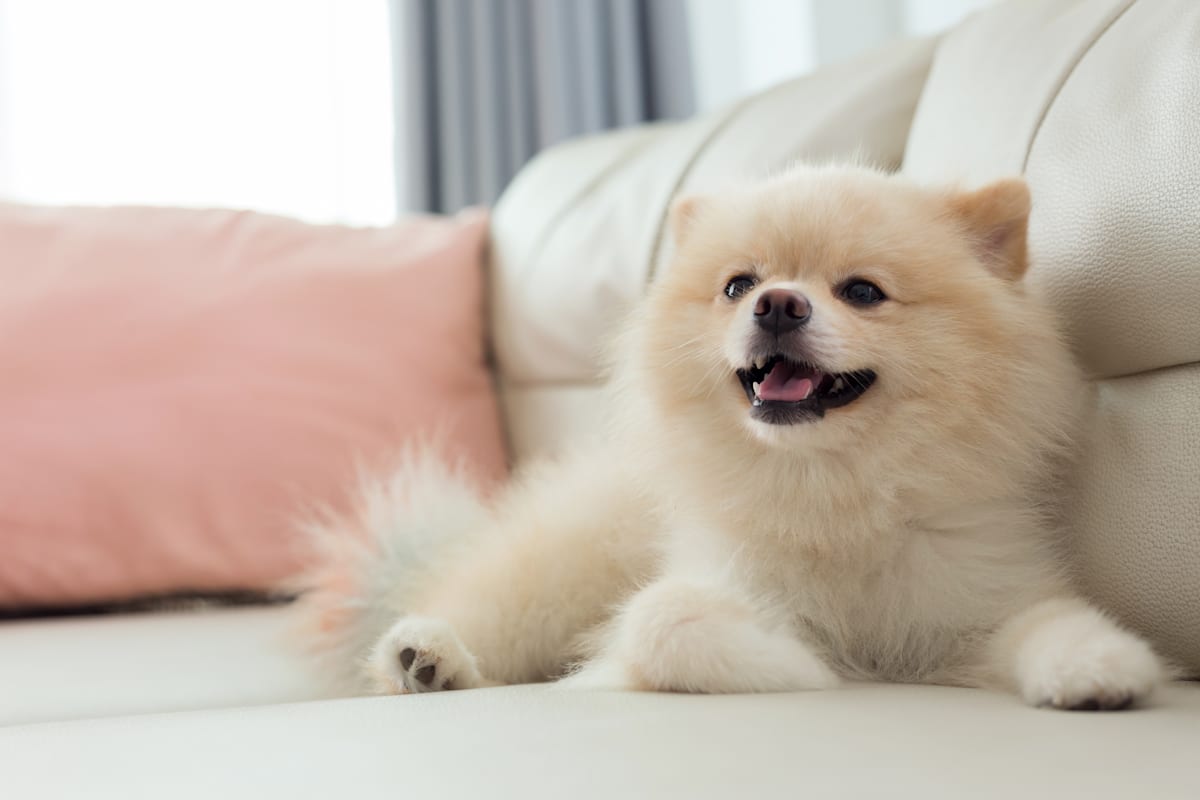
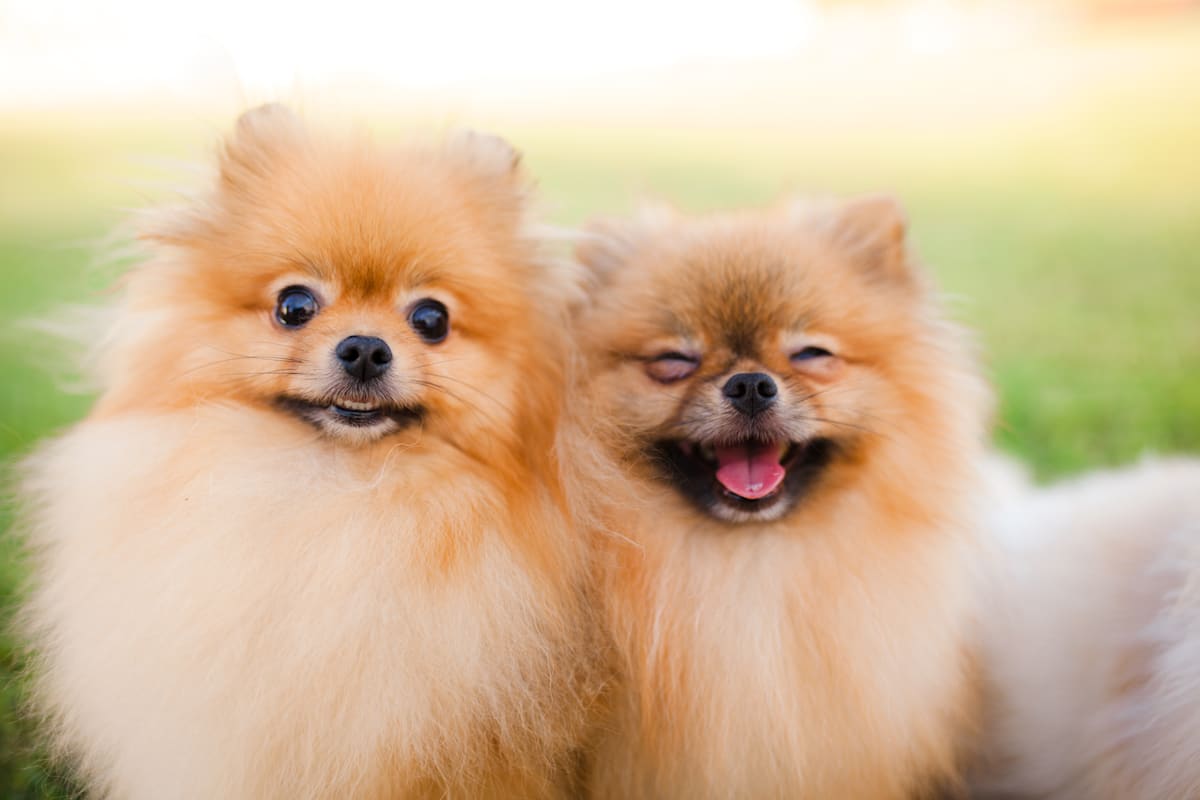
    Pomeranians are small, lively dogs that are well-suited to life as a human companion. They can be a little aggressive with other dogs, but the Pomeranian is generally a smart and attentive breed. With a proud posture and a storied breed history, the Pomeranian is often ranked as one of the top breeds in America by popularity. Pomeranian dogs can come in a wide variety of coat colors. The American Kennel Club recognized the Pomeranian over 100 years ago, and it remains a great choice for a family pet or companion.

    Other Names: Deutscher Spiz, Zwergspitz, Pom, Zwer, Spitz enano

    Toy Group

    The diminutive size and winsome expressions of Toy dogs illustrate the main function of this Group: to embody sheer delight. Don't let their tiny stature fool you, since many Toys are tough as nails! If you haven't yet experienced the barking of an angry Chihuahua, for example, well, just wait. Toy dogs will always be popular with city dwellers and people without much living space. They make ideal apartment dogs and terrific lap warmers on nippy nights.

    Pomeranian Appearance

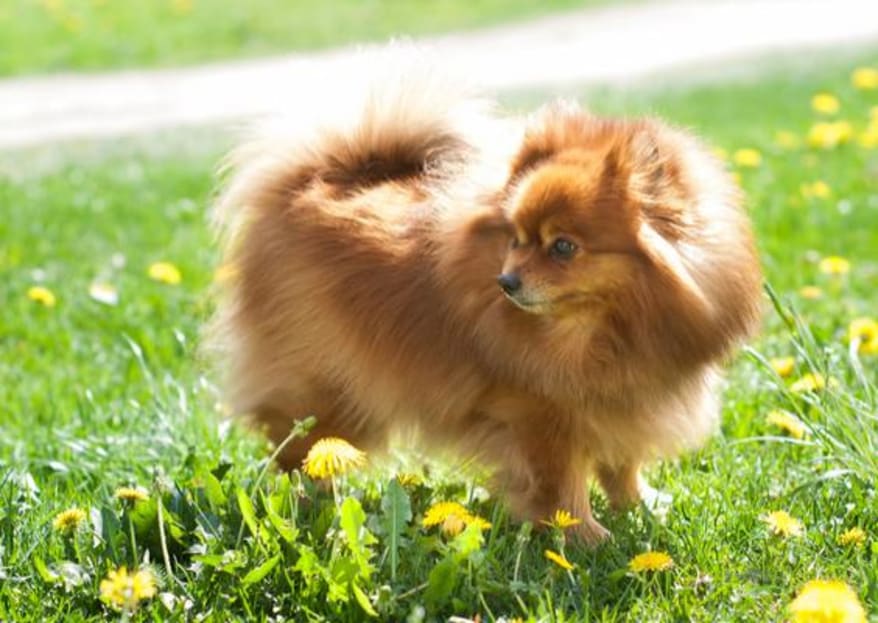
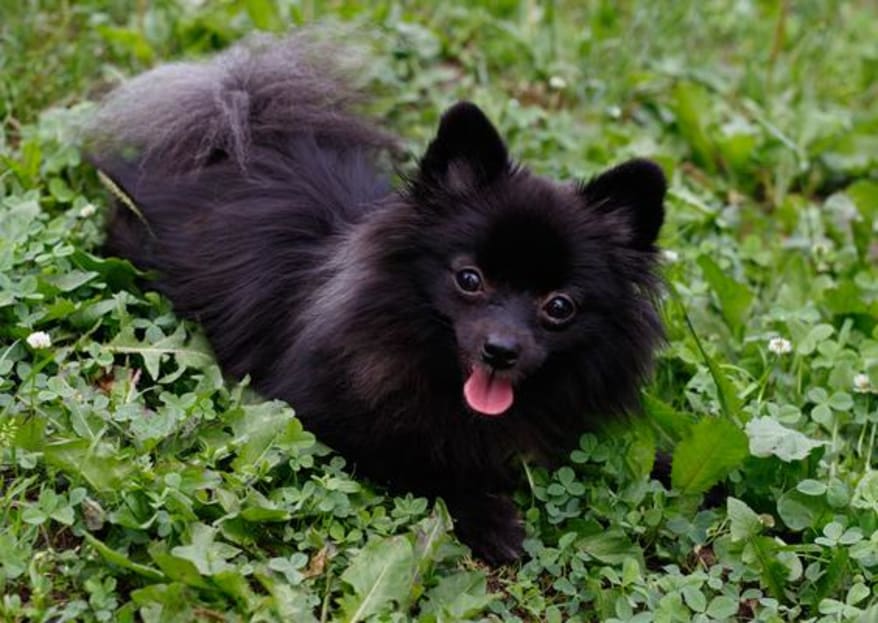
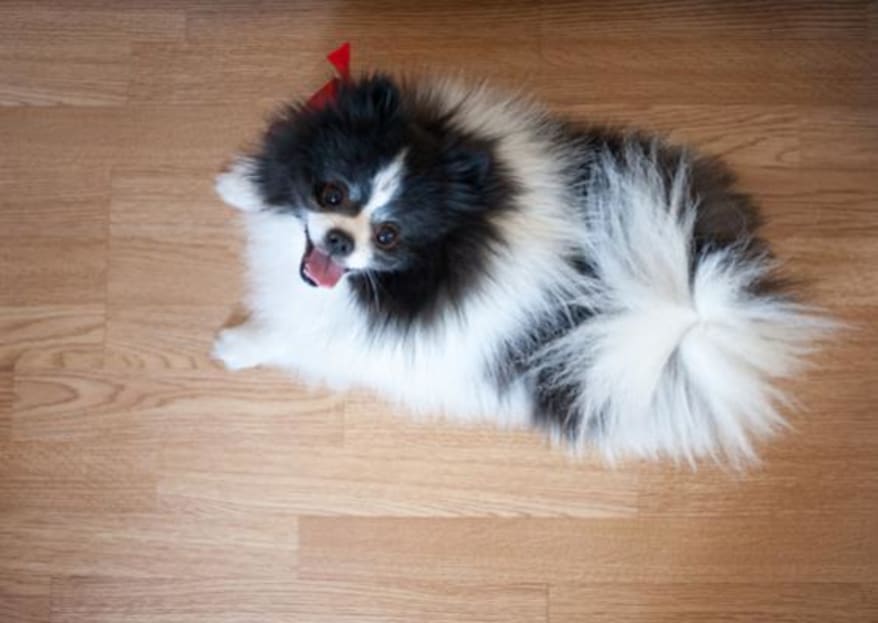
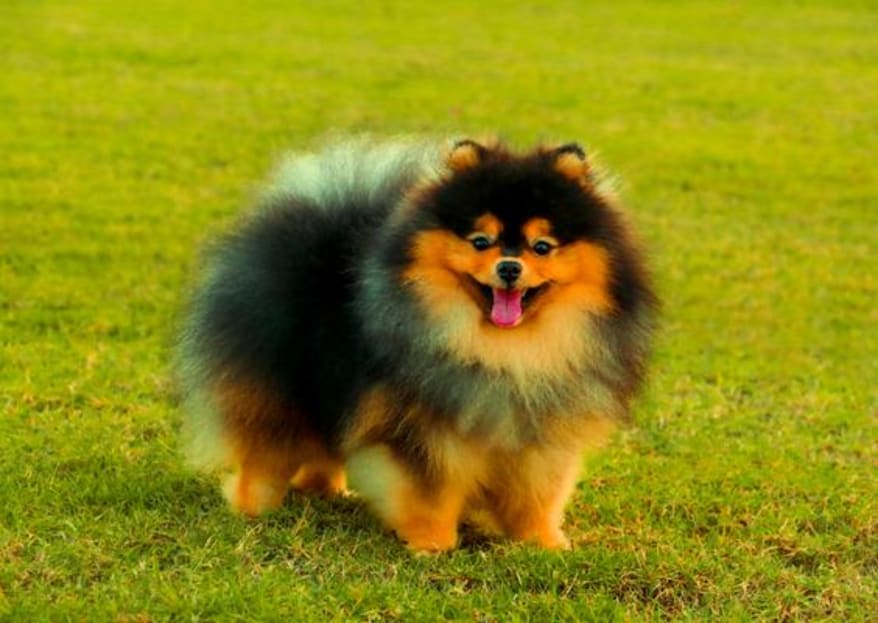
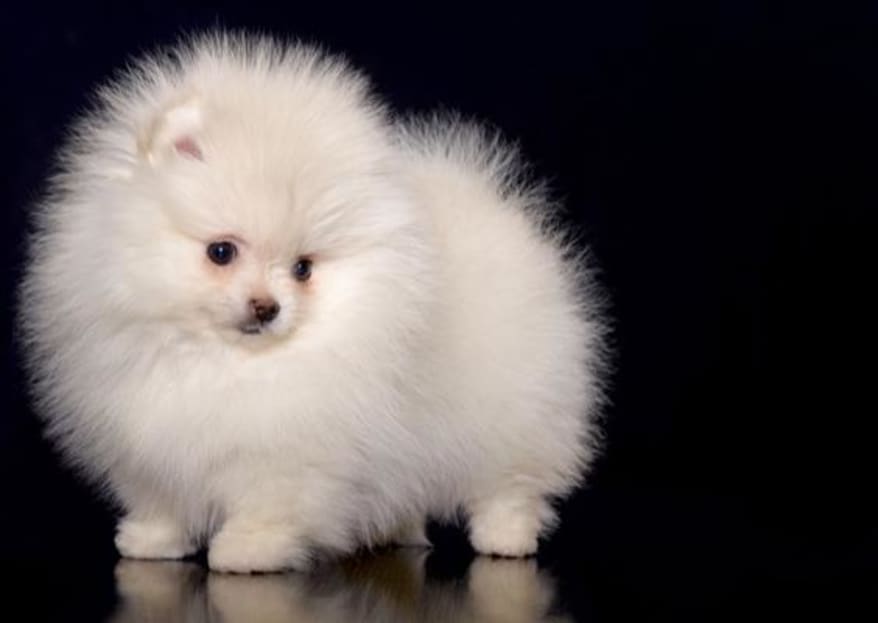
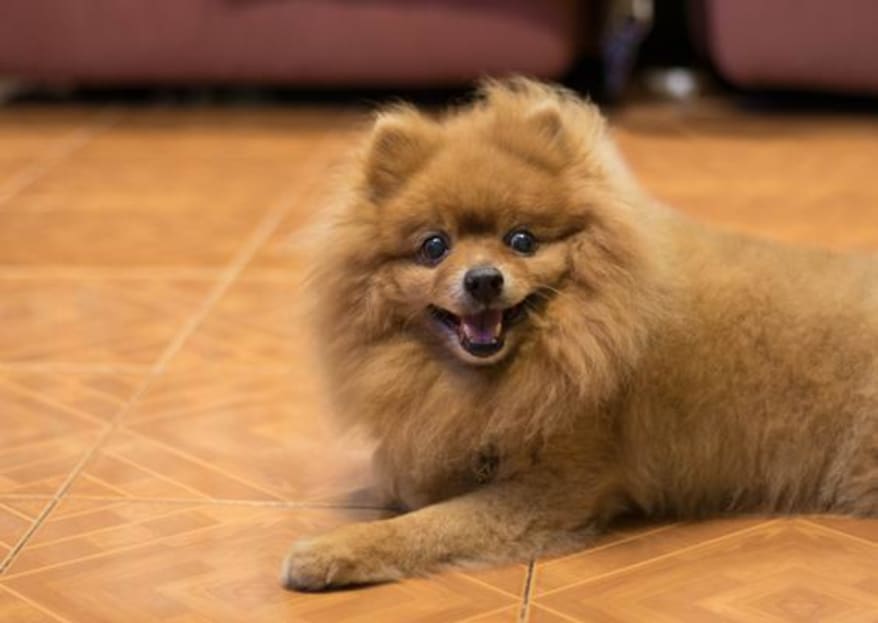
    The American Kennel Club (AKC) recognizes 18 colors and 9 markings in the official breed standard. The AKC recognized colors are Blue Merle, Blue Sable, Black, Black & Tan, Blue, Blue & Tan, Chocolate, Chocolate & Tan, Cream, Cream Sable, Orange, Orange Sable, Red, Red Sable, Beaver, White, Wolf Sable, and Tri-Colored. With so many varieties, the AKC allows any and all colors, patterns, and markings in competition.

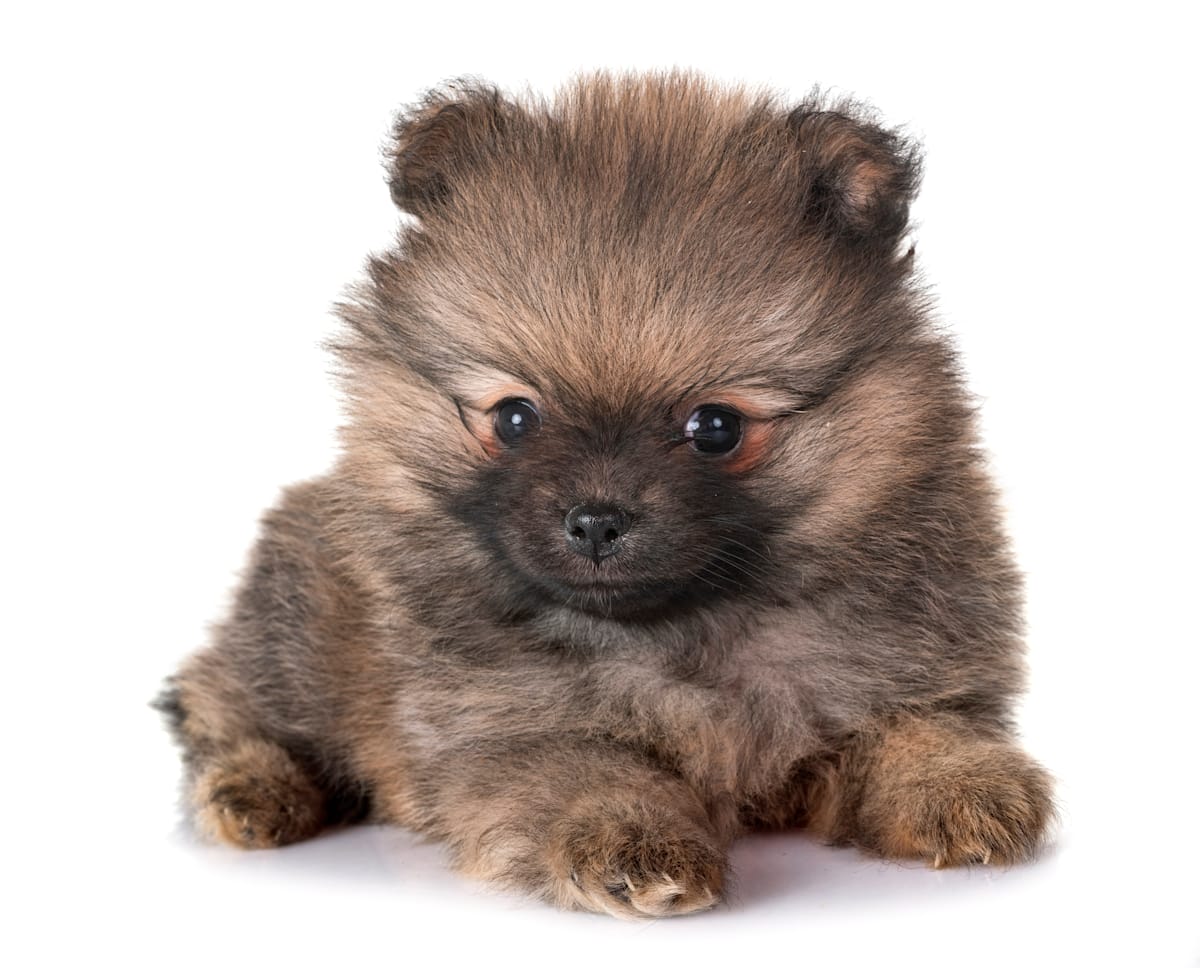
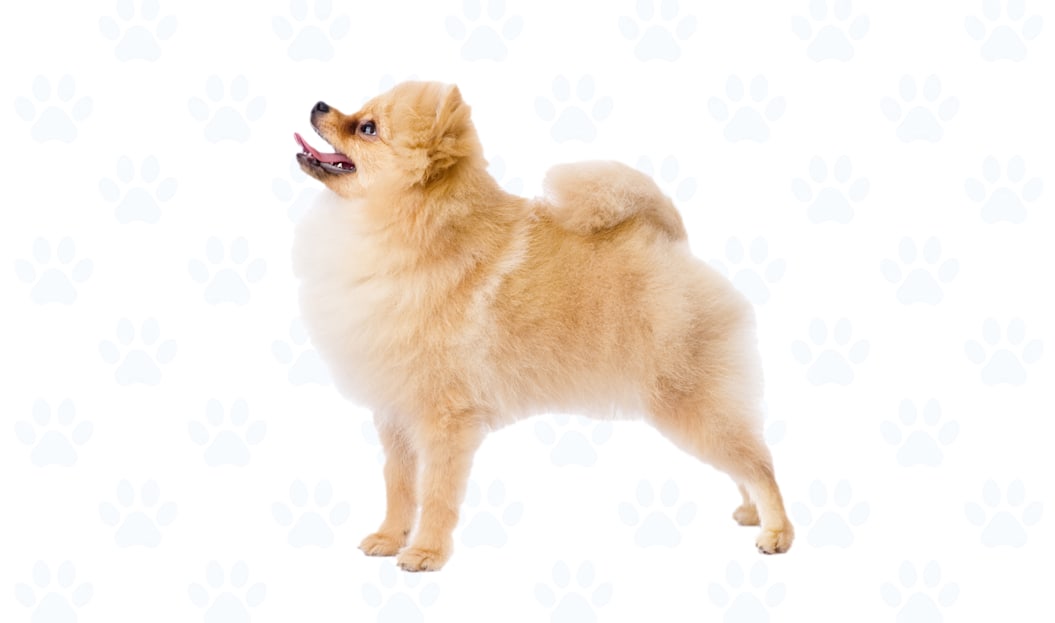
    Overall the Pomeranian is a compact, active dog with a double coat. Most examples of the breed have a heavily plumed tail that curls over and onto the back.

    Size & Weight

    Pomeranians grow to a height of 7-12 inches and around 3-7 pounds, resulting in a small package that often doesn’t fit the courage and pride of the breed. Pomeranians are perfect for any size home including condos and apartments.
    Full Grown
    Female
    6 in. / 3 lbs.
    Male
    7 in. / 5 lbs.
    Height bar
    Female Pet
    Height Figure
    Male Pet
    Height is measured up to the shoulders.

    Pomeranian Characteristics

    Size

    Tiny

    Jumbo

    Weight

    Light

    Heavy

    Shedding

    Minimal

    Abundant

    Coat Length

    Short

    Long

    Grooming Frequency

    Occasional

    Frequent

    Living Space

    City apartment

    Ranch

    Exercise

    Couch potato

    Bring it on!

    Climate

    Warm

    Cold

    Personality

    Antisocial

    Outgoing

    Protection

    None

    Bodyguard

    Behavior with Kids

    Always monitor

    Babysitter

    Training

    Headstrong

    Obedient

    Barking

    Mute

    Loud

    How to Care for a Pomeranian

    Caring for a Pomeranian means embracing a big personality in a tiny, fluffy package. These lively pups thrive with consistent grooming, positive-reinforcement training, and plenty of mental engagement. With the right routine, your Pom’s bold spirit—and gorgeous coat—will shine for years to come.

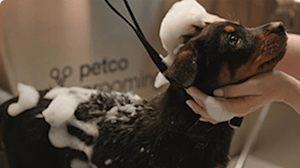
    Coat & Grooming: Pomeranian coats come in many colors and are known for their luxurious double layers, which require consistent care to stay healthy. Brush the coat weekly and give your Pomeranian an occasional bath with good quality dog-friendly shampoo. Keep their nails trimmed, as they grow very fast and can cause problems if left neglected. Splitting and cracking are painful for the dog, so do your best to avoid long nails.

    Shedding: With a double coat and heavy seasonal shedding, the Pomeranian is one of the heaviest shedders in the AKC Toy group. Their long fur needs regular maintenance to avoid matting and tangles. Brush your Pomeranian at least once a week and consider working with experts at a professional grooming salon.

    Training: While the Pomeranian is eager to please, they are also highly intelligent and take to training well. Early obedience training is a great idea for Pomeranian puppies. Since the breed can be a bit defensive and over-confident, it’s important to instill good behaviors early in life. Without proper training and socialization, Pomeranians can become dominant and aggressive. Use positive reinforcement and make sure you show your Pomeranian how to behave with guidance and love. Toys that are safe and designed for dogs can help your Pomeranian deal with time left alone.

    Barking: Pomeranians love to play, and that’s a key to understanding them. Make their lives interesting and fun, and you’ll have a loving companion for life. They can be cocky and demanding, but they are eager to please. Excessive barking is a problem, so instill good habits early in life. Take your Pomeranian to obedience school when he’s young to avoid problems later on. Expect some territorial behavior, but don’t tolerate incessant barking or aggressive behavior.

    A little alarm barking or the occasional bark at a squirrel is okay, but consider your neighbors when leaving your dog home alone. Don’t leave your Pomeranian unattended outside. Some people cringe at their high-pitched bark, while others find it fitting for these little dogs.

    Personality: Pomeranians are proud and extroverted. They can display great intelligence and loyalty to their extended family. They are curious and like to be the center of attention. They are very friendly and playful. With poor training and a lack of obedience lessons, Pomeranians can develop aggressive tendencies and excessive barking problems. A little defensiveness is okay, but don’t let your Pomeranian become a nuisance for everyone around you. They respond well to obedience and agility training, so it’s up to you to show them the right way.

    Temperament & Behavior: Pomeranians are proud and extroverted. They display great intelligence and loyalty to their extended family. They are curious and like to be the center of attention—friendly and playful by nature. With poor training, Pomeranians can develop aggressive tendencies and excessive barking problems. They respond well to obedience and agility training, so it’s up to you to show them the right way.

    Pomeranians crave attention and enjoy being around their people. They can become overprotective and defensive if poorly trained or neglected. Because they are curious, dog-proof your home before your new guest arrives—garbage cans, beware!

    Pomeranians are alert dogs and can be overly defensive without proper training. Instill good habits early to keep barking and aggressive posturing to a minimum. Toys and positive reinforcement can help you train your Pomeranian.

    Behavior with Kids: Pomeranians can make great pets for families, but always supervise them with small children. Their small, fragile bodies won’t stand up to rough-housing or careless handling. Generally, they are very friendly and well suited to family life.

    Protection: Pomeranians are alert dogs and can be overly defensive without the proper training. Make sure you instill good habits early in life to keep the barking and aggressive posturing to a minimum. Toys and positive reinforcement can help you train your Pomeranian.

    Life span: On average, Pomeranians live to be about 12-16 years old.

    Inherited Health Issues: All breeds have inherent health problems; some more than others. Pomeranians are relatively hardy, but several conditions can be passed from parents to offspring. When considering purchasing a Pomeranian, talk to breeders about genetic testing for known inherited conditions. These may include Atlantoaxial subluxation, Cataracts, Cryptorchidism, and Tracheal collapse.

    Preventive Care: Regular veterinary care is critical to maintaining your Pom’s health and well-being. Your veterinarian can help determine whether your Pom puppy could be affected by genetic problems and advise on treatment. Carefully maintain dental health with routine brushing, as small dogs are prone to dental disease. Use a small finger-friendly brush and toothpaste made specifically for pets.

    Every dog deserves high-quality, consistent preventive care to ensure a long and happy life.

    Feed your Pomeranian a high quality food formulated for small breed dogs. The kibble is small and easy to digest. It’s also worth considering feeding prescription diet specifically designed to discourage the formation of tartar and plaque.

    Daily Consumption: Average daily consumption for an adult Pomeranian is 1/4 to 1/3 cup.

    Energy Level: Enjoys some moderate exercise every now and then

    Exercise: Pomeranians need a lot of love, but they don’t need much in the way of exercise. A daily walk is great, but don’t overexert your Pomeranian with too much strenuous activity.

    You’ll often find your Pomeranian following you from room to room. These little dogs love to play and enjoy the company of friends and family. They can be stubborn and crafty to get their way, but they also love to please their owners. They don’t need a lot of extra exercise, but avoid overfeeding and take them for regular walks so they can enjoy many long years at home.

    Climate: Pomeranians may have come from hearty Nordic sled dogs, but they won’t fare well in extreme cold. A good rule of thumb is that your Pomeranian is roughly as comfortable as you are at any given temperature. If you are hot, help them cool off; if you’re shivering without a coat, consider helping your Pom stay warm, too.

    Cost of Owning

    On average, owning a middle-aged Pomeranian costs around $800 per year
    $200
    Vet Care
    $250
    Grooming & Boarding
    $200
    Food & Treats
    $150
    Other

    Unlock exclusive rewards with Vital Care, or enjoy up to 35% off essentials when you subscribe with Repeat Delivery.

    Enjoy exclusive rewards every time you shop. Get member-only deals, points, and special offers designed to help you save more on what your pet needs.

    Never run out of the essentials. Subscribe and get your pet’s favorites delivered on schedule—with up to 35% off plus the convenience of automatic refills.

    Cross Breeds

    Select a Breed to Cross

    Choose a breed from the dropdown to see potential crosses.

    Lhasa Apso
    Dropdown Icon

    Your love story starts here.

    Find adoptable pets near you with a simple search.

    Fun Facts

    During Queen Victoria’s reign, Pomeranians became much smaller. Her tiny Pom, Marco, helped influence breeders and shape the petite pups we know today.

    During Queen Victoria’s reign, Pomeranians became much smaller. Her tiny Pom, Marco, helped influence breeders and shape the petite pups we know today.

    Despite their size, Pomeranians are closely related to wolves. As a Spitz breed, they’re cousins to the Samoyed, Akita and Alaskan Malamute.

    Despite their size, Pomeranians are closely related to wolves. As a Spitz breed, they’re cousins to the Samoyed, Akita and Alaskan Malamute.

    Two Pomeranians survived the sinking of the Titanic, held safely in the arms of lucky ladies who made it to the lifeboats.

    Two Pomeranians survived the sinking of the Titanic, held safely in the arms of lucky ladies who made it to the lifeboats.

    There are special names for pairs and groups of Pomeranians. Two Pomeranians together form a “puff” and a group of three Pomeranians is called a “tuft”.

    There are special names for pairs and groups of Pomeranians. Two Pomeranians together form a “puff” and a group of three Pomeranians is called a “tuft”.

    History

    Origin: Germany and Poland

    The Pomeranian came from large working dogs from the Northern and Arctic regions of Europe. The German ancestors of the Pomeranian were known as Spitz dogs. Pomerania is the likely origin of the modern Pomeranian. It’s a cold northern area of modern day Poland and Germany near the frosty Baltic Sea. Early breeding records for the Pomeranian only begin after its introduction to the UK. Pomeranians feature prominently in the history of the British royal family with Queens Charlotte and Victoria known as famous admirers. Queen Victoria unveiled her tiny Pomeranian called Marco in 1891, and the breed quickly became popular among the wealthy in England.

    The Pomeranian came to America in the later part of the nineteenth century. The breed was first recognized by the AKC in 1900, and remains a popular breed today.

    Read More

    Sponsored