Petco Text Logo
Petco Pet Logo
Jump To Section

    About Pembroke Welsh Corgis

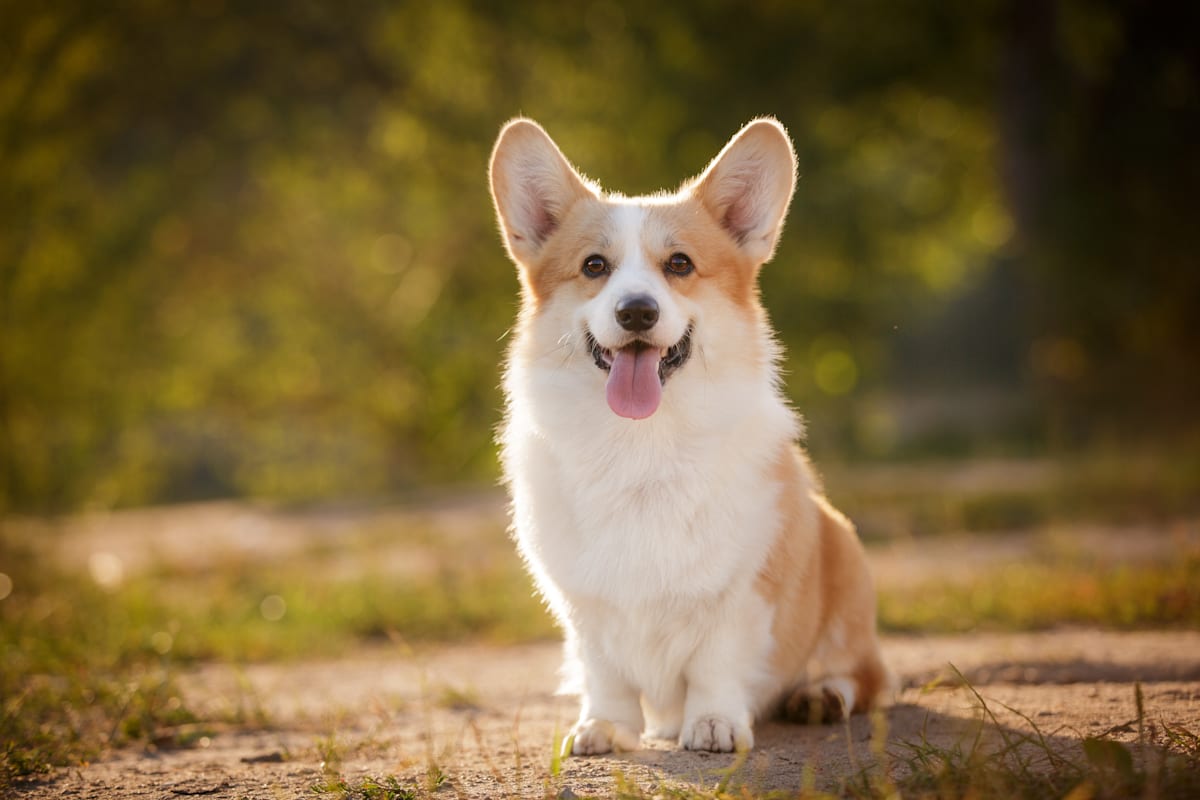
    Pembroke Welsh Corgis are smart, affectionate and alert companions. Favored by British royals, this breed hails from Wales and maintains a loyal following in the UK and beyond. They are kind and friendly, never aggressive or vicious. Pembroke Welsh Corgis aren’t shy and are quick to bark. They are the smallest of the traditional British herding dogs, but they often aren’t aware of their diminutive stature. Despite being a small dog, they need a lot of exercise and running room to stay healthy and happy throughout their life.

    Other Names: PWC, Corgi, Pembroke

    Herding Group

    The Herding Group, created in 1983, is the newest AKC classification; its members were formerly part of the Working Group. These breeds share an instinctive ability to control the movement of other animals. Even as household pets, many retain this drive, sometimes gently herding family members. Intelligent and responsive, Herding dogs are known for their trainability and make excellent companions.

    Breed Appearance

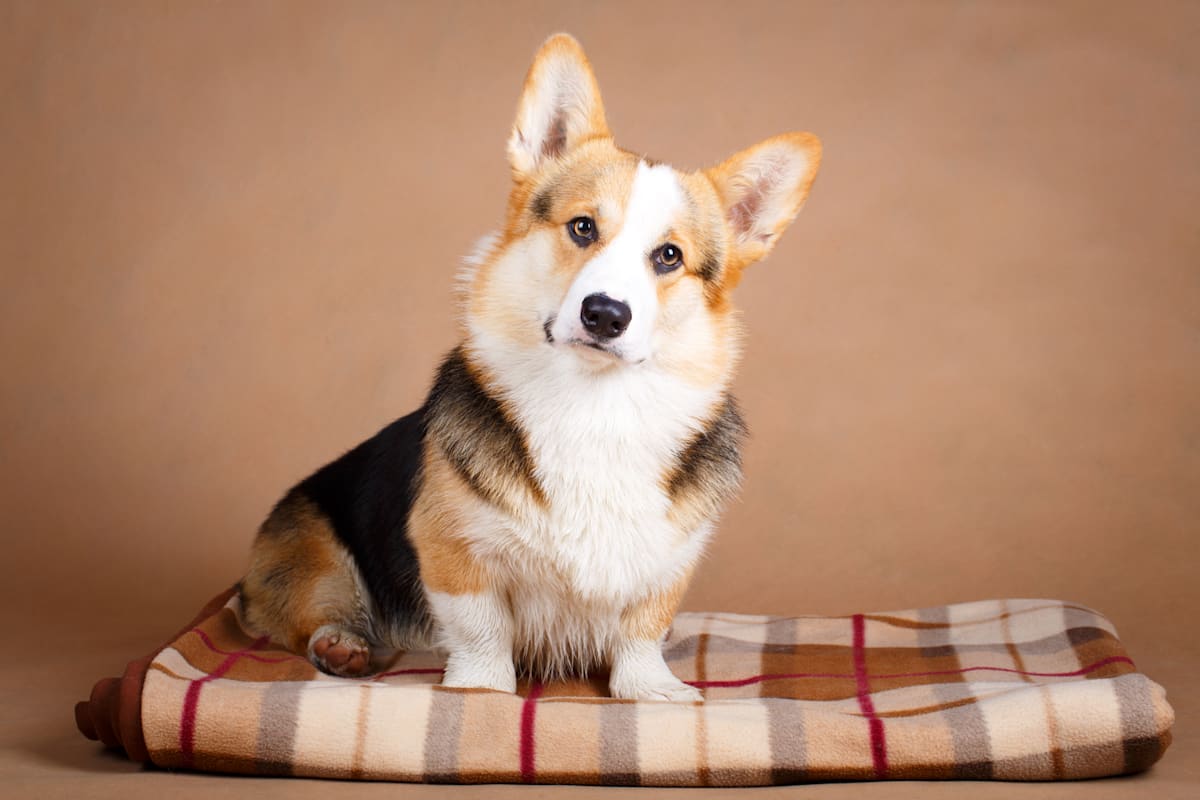
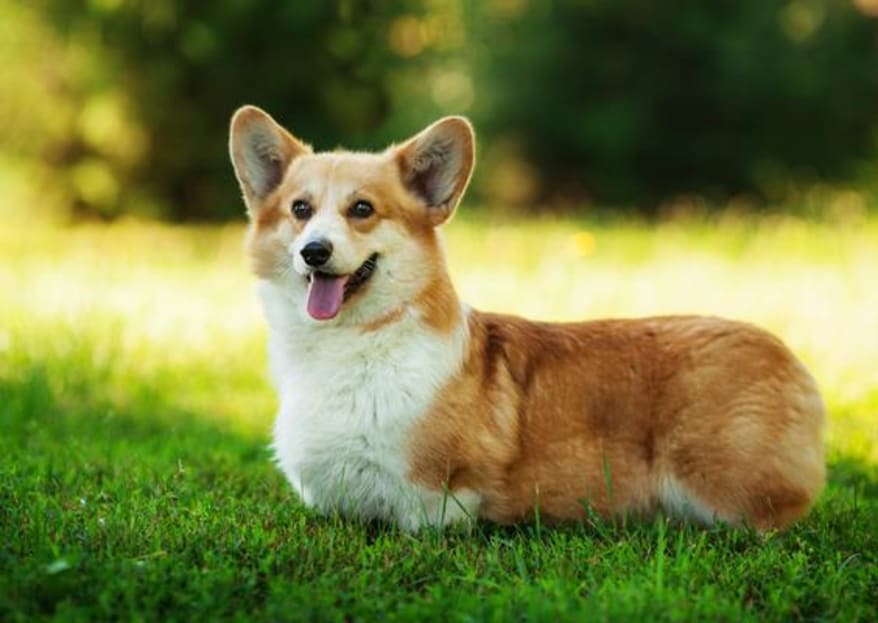
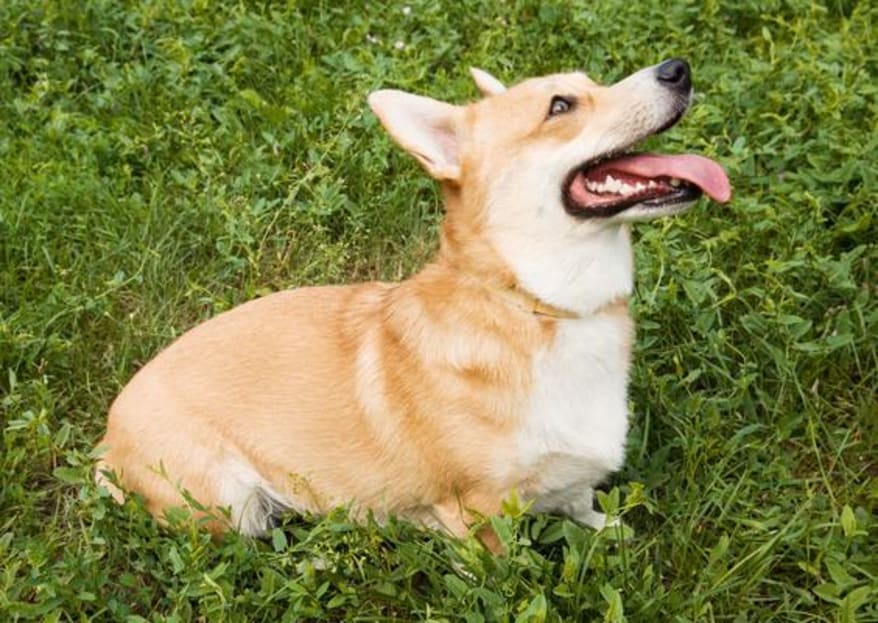
    The American Kennel Club (AKC) recognizes 4 coat color combinations in Pembroke Welsh Corgis: black & tan, fawn, red, and sable. The breed standard allows for some white markings around the head, chest and shoulders.

    The Pembroke Welsh Corgi is a low-slung, sturdy dog. They have an expressive and alert countenance without any shyness or viciousness. Their head appears “foxy” with perky ears and a wide, flat head. Pembroke Welsh Corgis have a medium-length coat with a thick undercoat to ward off the wet British weather.

    Size & Weight

    Pembroke Welsh Corgis are small dogs. Adult males usually stand between 10 and 12 inches at the shoulder. They typically weigh around 28 to 30 pounds. Even though they are small dogs, Pembroke Welsh Corgis are used in cattle herding as a working breed.
    Full Grown
    Female
    10 in. / 28 lbs.
    Male
    12 in. / 30 lbs.
    Height bar
    Female Pet
    Height Figure
    Male Pet
    Height is measured up to the shoulders.

    Pembroke Welsh Corgi Characteristics

    Pembroke Welsh Corgis pack a big personality into a compact frame, with traits that span energy level, trainability, sociability, and vocal tendencies. The characteristics below show how this breed typically stacks up across key lifestyle factors, helping you quickly gauge what daily life with a Corgi is like.

    Size

    Tiny

    Jumbo

    Weight

    Light

    Heavy

    Shedding

    Minimal

    Abundant

    Coat Length

    Short

    Long

    Grooming Frequency

    Occasional

    Frequent

    Living Space

    City apartment

    Ranch

    Exercise

    Couch potato

    Bring it on!

    Climate

    Warm

    Cold

    Personality

    Antisocial

    Outgoing

    Protection

    None

    Bodyguard

    Behavior with Kids

    Always monitor

    Babysitter

    Training

    Headstrong

    Obedient

    Barking

    Mute

    Loud

    How to Care for a Corgi

    Caring for a Pembroke Welsh Corgi means balancing their energetic spirit with consistent training, regular exercise and mindful nutrition. With proper grooming, mental stimulation and preventive care, these devoted dogs can stay happy and healthy for years to come.

    Coat & Grooming: Since they are prolific shedders, it’s important to practice good hygiene with your PembrokeWelsh Corgi. Regular (weekly or more often) brushing is a must to control loose hair and reduce their shedding. Grooming your Corgi is an important bonding experience for both of you.

    One of the most overlooked parts of grooming is the non-fur-related tasks. Be vigilant with your Pembroke Welsh Corgi’s ears, eyes, nails, and teeth. Clean their teeth and ears on a regular schedule, and make sure you cut their nails before they crack and irritate your dog.

    Shedding: Expect to clean up after your Pembroke Welsh Corgi and their readily shedding fur. Queen Elizabeth II loves her Corgis, but she’s probably not the one cleaning up after them. Invest in a good vacuum and do your best to brush your dog as often as possible. It’s easier to collect the fur from the brush than your entire floor and furnishings.

    Training: Positive reinforcement is the way to go when training your Pembroke Welsh Corgi. Don’t overdo it with the treats, but food is a powerfully motivating training tool for this breed.

    Since the history of the breed is in herding, Pembroke Welsh Corgis are very eager to please and gain your affection through work. Make sure your PWC has a lot of stimulation, exercise, and a variety of experiences early in life to develop a healthy body and mind in your pet.

    Barking: Pembroke Welsh Corgis bark a lot. Most herding breeds aren’t shy with their voice, and the PWC is no exception. Good training habits and early socialization can help, but this is a very talkative breed.

    The key to understanding your Corgi is learning about the history of the breed. These are proud, stately, and hardworking herding animals. Don’t be fooled by their size – the Pembroke Welsh Corgi can be a stubborn and tough breed. One of the ways into the heart of your Pembroke Welsh Corgi is food. Use treats as positive reinforcement and they will do almost anything you ask. Don’t overdo it with the biscuits – they can be prone to obesity.

    Personality: Pembroke Welsh Corgis are very agreeable and gentle. Their intelligence and warm disposition make them an ideal human companion. Pembroke Welsh Corgis are eager to please and they possess a high degree of trainability. They are very happy and bright when they have the right environment and supportive family.

    Temperament & Behavior: Pembroke Welsh Corgis have a bold, cheerful nature that their many admirers seem to love. Although they aren’t used as herders much anymore, they retain the workmanlike qualities of their forefathers. Early socialization is very important to foster healthy habits and a solid grounding. One thing to remember is that Pembroke Welsh Corgis love to eat. It’s up to you to control their weight within a healthy range.

    Behavior with Kids: Pembroke Welsh Corgis might be one of the better breeds for families with small children. They are very permissive and tolerant. With any dog, you should always supervise young children and strangers.

    Protection: While they are a good early warning system, Pembroke Welsh Corgis aren’t exactly the best guard dogs. Their friendly disposition can override their protective instincts, but they do like to bark at everything.

    Life span: On average, Pembroke Welsh Corgis live to be about 12-13 years old.

    Inherited Health Issues: Several health conditions have been associated with the Pembroke Welsh Corgi either through inheritance or at an increased risk in the breed. They may include, but are not limited to, the following: Cataracts, Distichiasis, Retinal dysplasia, Degenerative myelopathy, Persistent papillary membranes, Erythema multiforme, Von Willebrand' disease and Exercise induced collapse.

    Preventive Care: Pembroke Welsh Corgis are prone to obesity, so keeping your dog at a healthy body weight is critical for their long-term health. Be sure to feed properly portioned meals of a balanced diet and avoid overfeeding treats or table scraps. Keeping your Pembroke Welsh Corgi active will also maintain a healthy muscle mass.

    Genetic testing is available for von Willebrand disease, exercise induced collapse and progressive retinal atrophy. While these tests are most commonly performed on breeding animals to evaluate the risk of passing these conditions on, they can also be performed on any dog. Since von Willebrand is a blood clotting disorder, it is worth considering this test prior to surgical procedures on your Corgi.


    Due to their voracious appetites, Pembroke Welsh Corgis are apt to become obese. Avoid feeding your dog excessive quantities of treats or table scraps. Make sure that you are measuring your Corgi’s meals to feed proper portions of a well-balanced diet. A weight control diet can be beneficial for this breed.

    Daily Consumption: Average daily consumption for an adult Corgi is 0.5 - 1 cups.

    Energy Level: Frisky, energetic breed that is always ready for action

    Exercise: These strong and athletic animals love to run and spend time outside in the fields. Don’t let their diminutive size fool you - Pembroke Welsh Corgis need a lot of exercise to maintain a healthy body and mind. You’ll find them competing at agility circuits, flyball competitions, and other dog trials. They are happiest when they have a job to do, and they don’t do well with long periods of isolation and boredom.

    Climate: Pembroke Welsh Corgis thrive in most climates. In cold winter climates, they benefit from a little extra protection and warmth from a dog coat. This herding breed isn’t afraid of a little wet weather. They came from Wales, after all!

    Cost of Owning

    On average, owning a middle-aged Corgi costs around $900 per year
    $250
    Vet Care
    $200
    Grooming & Boarding
    $250
    Food & Treats
    $200
    Other

    Unlock exclusive rewards with Vital Care, or enjoy up to 35% off essentials when you subscribe with Repeat Delivery.

    Enjoy exclusive rewards every time you shop. Get member-only deals, points, and special offers designed to help you save more on what your pet needs.

    Never run out of the essentials. Subscribe and get your pet’s favorites delivered on schedule—with up to 35% off plus the convenience of automatic refills.

    Your love story starts here.

    Find adoptable pets near you with a simple search.

    Fun Facts

    Queen Elizabeth II is perhaps the best-known admirer of the Pembroke Welsh Corgi. Over the course of her lifetime, she’s had over 30 different Corgis to call her own.

    Pembroke Welsh Corgis are the younger of the two Corgi breeds. Their cousin, the Cardigan Corgi, has a longer history as an established breed. The Pembroke Welsh Corgi isn’t a “new” breed by any stretch of the imagination. Records show the breed existed as a distinct dog as far back as the twelfth century AD.

    According to Welsh legends, the mighty Corgi is an enchanted breed with a special role in the mystical kingdom. Elves, fairies, and other magical creatures ride Corgis across the Welsh countryside. Some believe this myth originated from the typical white markings on a Corgi – they look a bit like fairy-size riding saddles.

    History

    Origin: United Kingdom

    The Pembroke Welsh Corgi has a long and storied history in the British Isles. Historical records date the breed as far back as the 1100s. You’d never know by looking at them, but the mighty Pembroke Welsh Corgi was one of the original herding breeds. They looked after herds and flocks of cattle, sheep, geese, ducks and many other livestock.

    The first Corgi club began in 1925 in Carmarthenshire. Even today, there is still some competitive animosity between Pembroke Welsh Corgi and Cardigan Corgi breeders. The two breeds entered the Kennel Club as distinct entries in 1934 after first appearing six years earlier as a single breed. In America, the Pembroke Welsh Corgi gained official recognition in 1934, the same year as across the pond. It remains in the top 25 most popular breeds today.

    Read More

    Sponsored