Toy Group
The diminutive size and winsome expressions of Toy dogs illustrate the main function of this Group: to embody sheer delight.
Pekingese are an ancient breed from China, raised by monks and royalty going back into antiquity. Recent DNA analysis shows that the Pekingese is one of the closest modern relatives to the wolf or least “diverged” species from the original breeds of human canine companions. They are proud and self-important, but they are very loving and affectionate when it comes to their family. Pekingese are very wary of strangers, a useful trait for guarding Buddhist temples and royal palaces.
Origin: China Other Names: Peke, Peking Lion Dog, Lion Dog, Chinese Spaniel, Pelchie Dog
The diminutive size and winsome expressions of Toy dogs illustrate the main function of this Group: to embody sheer delight.
Don't let their tiny stature fool you, since many Toys are tough as nails! If you haven't yet experienced the barking of an angry Chihuahua, for example, well, just wait. Toy dogs will always be popular with city dwellers and people without much living space. They make ideal apartment dogs and terrific lap warmers on nippy nights.
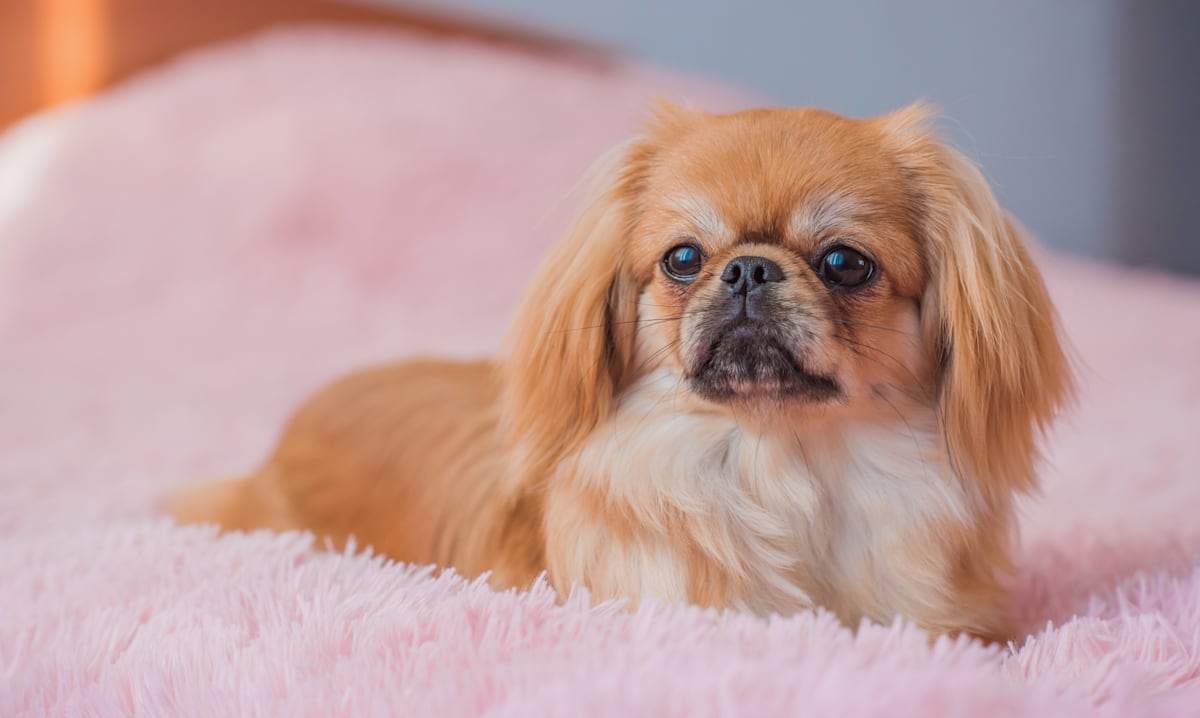
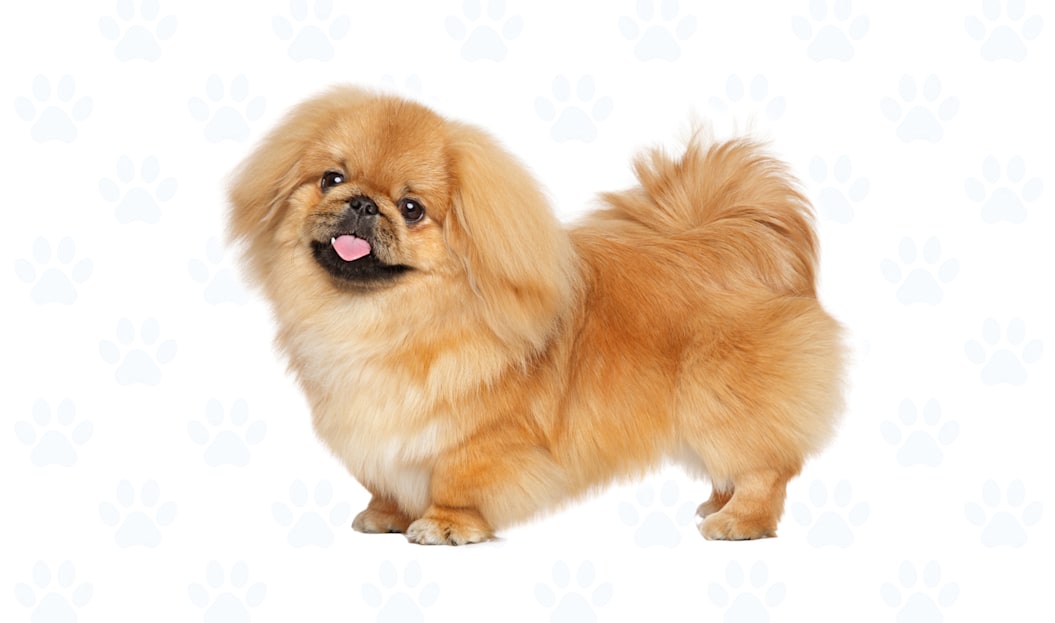
The American Kennel Club (AKC) recognizes 10 coat colors in the Pekingese: biscuit, black, black & tan, cream, fawn, fawn sable, gray, red, red sable, and white. Standard markings are black masks, parti-coloring and white markings.
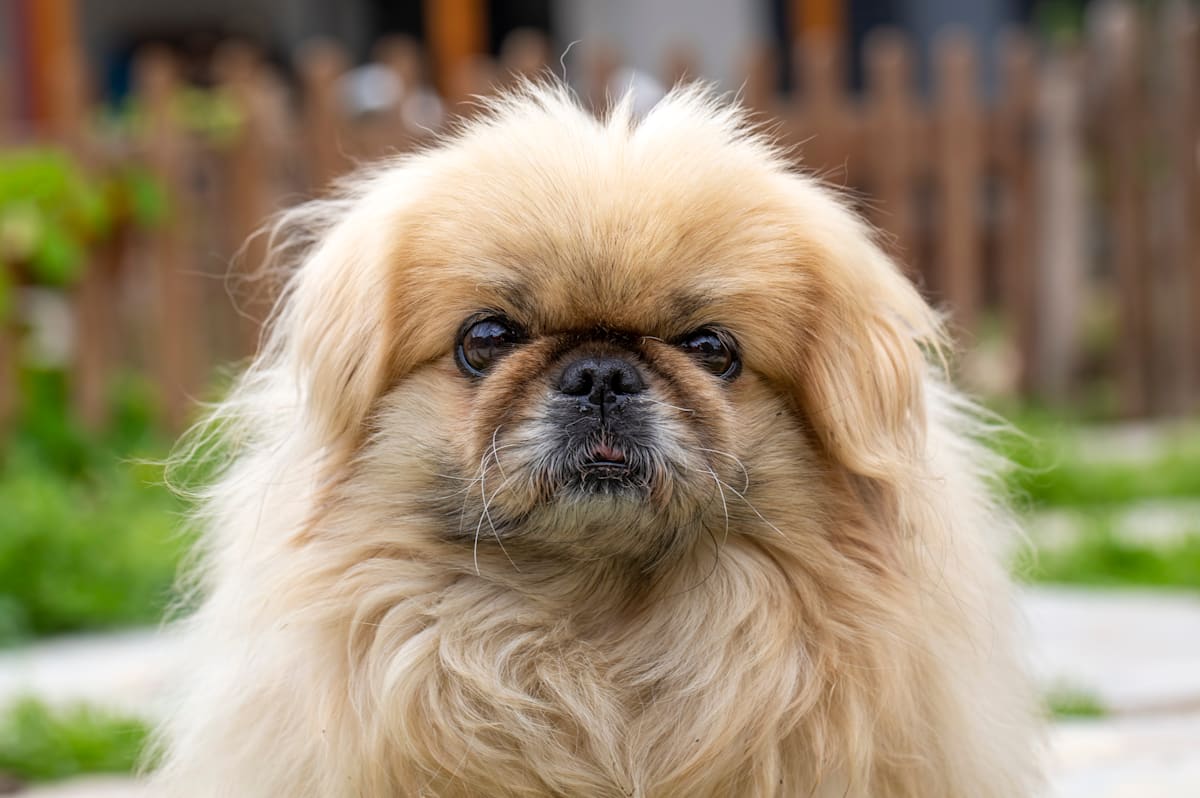
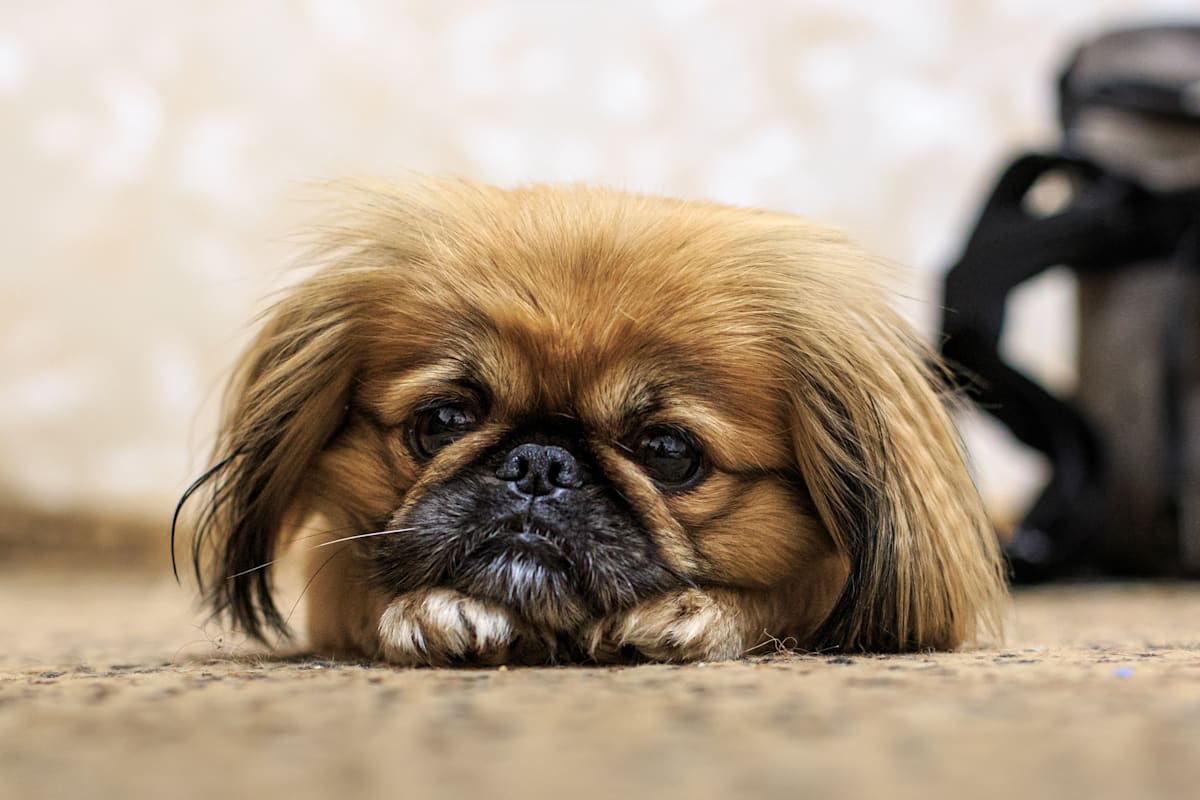
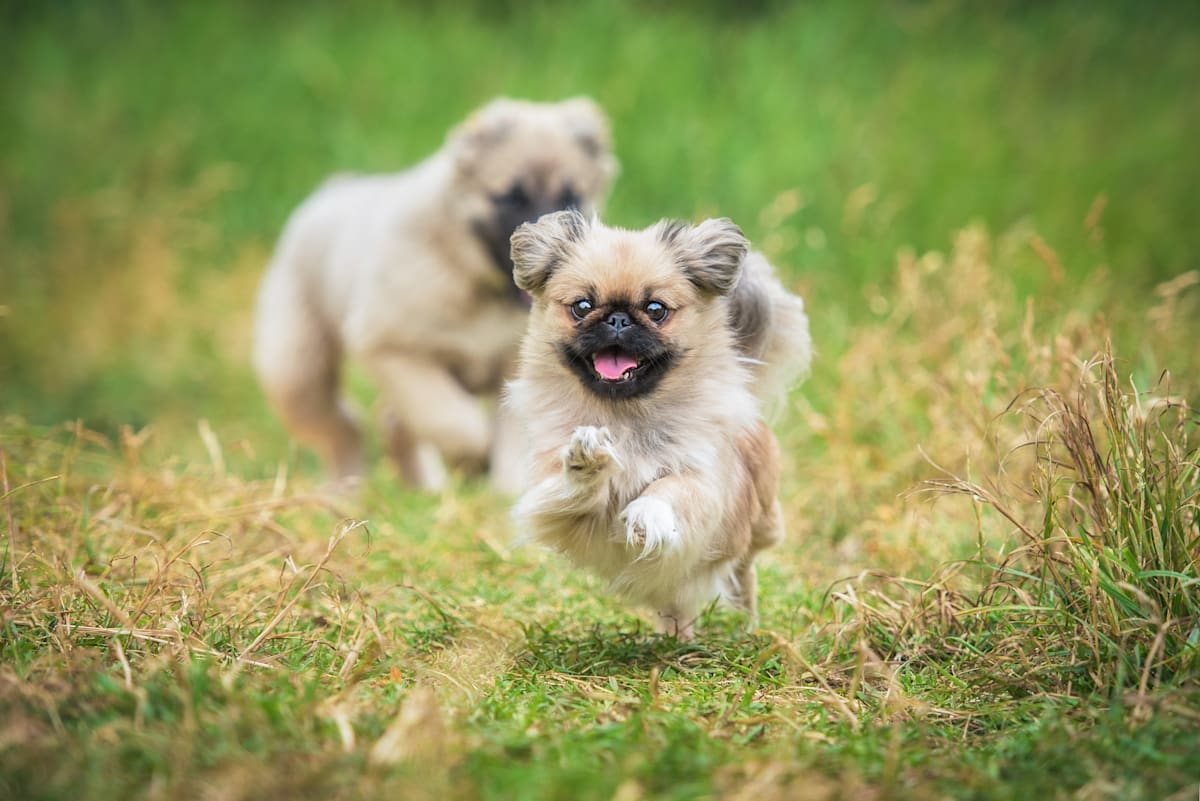
The flat face and large eyes are the hallmarks of the Pekingese breed. Their body is small and compact, but it holds a muscular and tough frame. Don’t be fooled – these are solid little dogs. Many Pekingese sport long, silky hair that comes in many shades and colors.
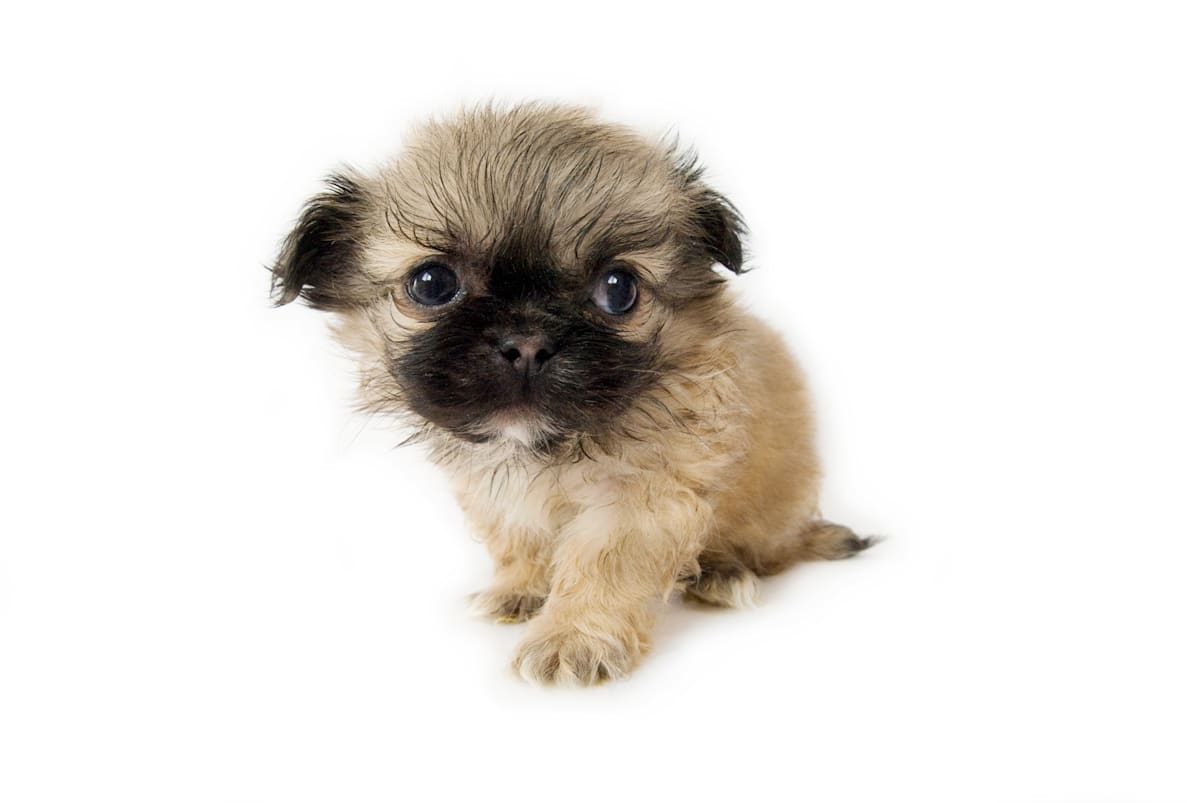
Pekingese are very small dogs. They typically weigh between 7 and 14 pounds and stand around 6-9 inches tall. The very smallest Pekingese are “Sleeve Pekingese,”as they used to be carried in the long shirtsleeves of Chinese royals and monks.
| Full Grown | |
|---|---|
| Female | 6 in. / 7 lbs. |
| Male | 9 in. / 14 lbs. |
Height is measured up to the shoulders.
Peke stand between 6 and 9 inches tall. The very smallest Pekingese are “Sleeve Pekingese,” so named because they used to be carried in the long shirtsleeves of Chinese royals and monks.
Pekingese are very small dogs. They typically weigh between 7 and 14 pounds.
Pekingese are very small dogs with limited exercise needs. They are a low-intensity breed without too much need for space. A Pekingese is happy to chill out and relax on a small couch with you. If you do have a yard for your pets, be sure to use a pen or a sturdy fence to contain these little wanderers.
Pekingese were meant for lives of luxury and decadence. They don’t need a lot of exercise beyond a casual stroll and a bit of excitement at home. Don’t overfeed your Pekingese, get out for a regular walk, and they should enjoy robust health and mental wellness.
Pekingese are very loving and affectionate, but they limit their love to the immediate members of the household. These little dogs are very suspicious and wary of strangers, and a Pekingese won’t hesitate to bark at anyone unfamiliar.
When it comes to strangers, Pekingese are always on the look out to announce an outside presence. Early Pekingese dogs were the alarm systems for temples, palaces, and royal homes in Ancient China. These dogs are wary of new people and unfamiliar scents, and they will bark to let you know.

While they offer abundant affection to their family, Pekingese are likely to be skittish and untrusting of new people in their environment. Small children and pets shouldn’t go unsupervised around your Pekingese.
Since they are proud and stubborn, Pekingese can be difficult to train. They don’t respond well to harsh methods, but they do enjoy displaying intelligence and obedience if it’s worth it for them. Use positive training methods and make sure they understand that you are in charge.
Pekingese are moderate shedders and their coat needs a lot of TLC to stay healthy and strong. Daily brushing and a good vacuum are necessary to keep your home looking clean and hair-free.
Pekingese do well in nearly all climates, but they are susceptible to very cold climates. Their slight frame and short snout make them especially vulnerable to chilling temperatures. If you live in a cool climate, pay close attention to your Pekingese on cold walks outside for signs of distress.
Pekingese won’t bark all day at the wall, but they are alert and always looking out for strangers on their turf. These little dogs make great alarm systems, but they aren’t the most welcoming presence for your guests and extended family.
Pekingese are puffy and somewhat funny looking dogs, but they are tough little characters bred for life in Chinese temples and palaces. They are somewhat stubborn and sure-headed, so training can be difficult without the proper approach. Firmness and kindness are the foundations of any good Pekingese trainer. Food rewards and abundant praise will help you build trust and a positive training attitude in your pet.
Just like all dogs, Pekingese companions benefit greatly from early socialization and exposure to different people and environments. Puppy classes and a well-rounded experience will help your Pekingese develop good habits and a polished set of social skills.
Honed over time in the halls of Chinese palaces, the Pekingese bark is sharp and loud. It’s the perfect tool to announce the presence of unwanted strangers or even trained assassins in the hallways of ancient Chinese temples and royal houses. These little dogs pack a punch with their bark, and they aren’t afraid to use it as a powerful home alarm system.
The key to understanding your Pekingese is research before you buy or adopt. Many Pekingese end up in shelters and adoption centers – people don’t take the time to learn about the responsibilities of owning this unique breed. Don’t be afraid to ask questions and learn more about a particular dog before you make your decision. If you go to a breeder, choose a reputable operation and try to meet the parents to gain insight into their family temperament.
Since they are stubborn and very self-important, Pekingese are notoriously difficult to train. Forceful and negative training systems are no use. If you want to raise a well-behaved Pekingese, you need patience and a firm, friendly approach built on positivity and respect for their intelligence. Pekingese love to play games and they respond well to food rewards and positive reinforcement.
Early socialization and obedience classes will help your Pekingese learn proper behavior and develop good social habits around strangers and other pets. It’s important to invest the time and energy into your companion early on. Failure to do so can result in a misbehaved dog and an unhappy family.
Pekingese are very intelligent and proud, and they seem to have an air of dignity and royal blood about them. These little dogs have a lot of swagger and a Pekingese won’t back down easily. They can be a bit aloof with strangers, but Pekingese are very loyal and sweet when it comes to family.
Exercise needs are pretty basic when it comes to keeping your Pekingese healthy. A short daily walk and some playing around at home are plenty to maintain good mental and physical well-being. If you let your Pekingese run around outside, make sure you use a contained dog park or a fenced backyard. These head-strong little wanderers will find the hole in your fence, and then it’s off to find adventure in the neighborhood. Invest in a good fence, long leash, or a dog pen to keep your little one safe from roaming too far.
Not interested in exercise, would rather doze the day away
Since Pekingese are prone to developing several orthopedic conditions, be sure to keep your Pekingese at a healthy body weight. The best way to accomplish this is by feeding your dog properly portion-controlled meals of a well-balanced diet.
Average daily consumption for an adult Peke is 1/4 - 1/3 cup.
Many of the more common health conditions associated with the Pekingese are related to their conformation of a short nose and prominent eyes. Their short noses can lead to a variety of respiratory conditions that can become quite severe, and are often worse in extremely hot temperatures. Some surgical procedures can be performed to improve the function of the airway by opening the nostrils and shortening the soft palate. These procedures are generally encouraged in more severely affected dogs.
Pekingese eyes are prone to developing a variety of eye conditions. While nothing can be done at home to necessarily prevent these issues, the best thing you can do for your Pekingese is to closely monitor their eyes for changes and have any new findings evaluated by your vet in an urgent manner. Be sure to keep your Pekingese’s facial folds clean by using either baby wipes or veterinary anti-fungal wipes on a daily basis.
Since Pekingese dogs are prone to developing several orthopedic conditions, the best thing you can do is keep your dog at a healthy body weight to prevent the placement of additional strain on these joints. Fish oil supplements can be beneficial for decreasing the inflammation often associated with the arthritis that can develop secondarily to these conditions.
The Pekingese has had many health conditions associated with the breed either through methods of genetic inheritance or at an increased frequency. Many of these conditions are related to the Pekingese’s prominent eyes and short muzzle. They may include, but are not limited to, the following: Vasculitis, Cutaneous adverse drug reactions, Hemorrhagic gastroenteritis, Atlantoaxial subluxation, Congenital elbow luxation, Patellar luxation, Perineal hernia, Intervertebral disc disease (IVDD), Pigmentary keratitis, Cataracts, Distichiasis, Ectopic cilia, Entropion, Keratoconjunctivitis sicca (KCS), Macroblepharon, Progressive retinal atrophy, Prolapsed gland of the nictitating membrane, Cryptorchidism, Dystocia and Brachycephalic upper airway syndrome.
On average, Pekingese live to be about 12-14 years old.
Grooming those long coats takes patience and commitment, but there’s nothing cuter than a fluffy Pekingese with big eyes and a happy smile. Invest in a good brush and maintain a regular grooming schedule with daily brushing and frequent baths. When in doubt, utilize help from a professional groomer on a regular basis.
Pekingese are prone to dental problems and can benefit from daily toothbrushing. Make sure you take good care of all aspects of your pet, not just the beautiful coat. When you do your daily brushing, take a few extra moments and quickly check for any problems with their ears, eyes, teeth and skin. If you notice any irritation or sudden changes, it’s worth getting professional eyes on any developing health problems right away.
Long
Frequent
Pekingese are moderate shedders, but they produce quite a bit of stray fur given their diminutive size. Your best defense against shedding is regular grooming and a good vacuum cleaner. If you are the type of person who needs a pristine space free of any mess, you might reconsider your Pekingese choice. If you don’t mind doing a bit of cleaning up, this is a great companion for anyone who wants a little, lovable pet.
The Pekingese is one of the oldest, most established dog breeds in the world. Their exact origins are lost to time, but the breed comes from China. Pekingese ownership was traditionally very exclusive. You could find Pekingese dogs at the Chinese Imperial Palace, and only royals and certain Buddhist monks could have them as pets. After the Second Opium War in the mid-1800s, British and French troop found abandoned Pekingese in Chinese palaces. Their royal owners fled during to the conflict, and five Pekingese out of the Old Summer Palace made their way to Western Europe as gifts and trophies from the war. Queen Victoria herself received one of these pilfered Pekingese as a gift from a British officer named Lt. Dunne.
The breed quickly grew in popularity, and you can find Pekingese all over the world. Chinese Dowager Empress Cixi presented many Pekingese as gifts to world leaders such as JP Morgan and Theodore Roosevelt’s daughter. She named her Pekingese “Manchu,” and these famous gift-dogs helped establish an American appreciation for the little lion dogs from China. The breed won AKC recognition in 1906, and it remains a popular lap dog across the United States.