About Nova Scotia Duck Tolling Retriever
The smallest of the American Kennel Club’s retriever breeds, the Nova Scotia Duck Tolling Retriever packs a lot of punch into a little package. Known as an extremely affectionate, smart and eager dog, the Nova Scotia Duck Tolling Retriever is perfect for active families with lots of energy and affection to share.
Origin: Nova Scotia Other Names: Toller, NSDTR
Sporting Group
Dog breeds in the Sporting group are usually remarkable for their instincts in water and woods, and many of these breeds actively continue to participate in hunting and other field activities. Potential owners of Sporting dogs need to realize that most require regular, invigorating exercise.
Breed Appearance
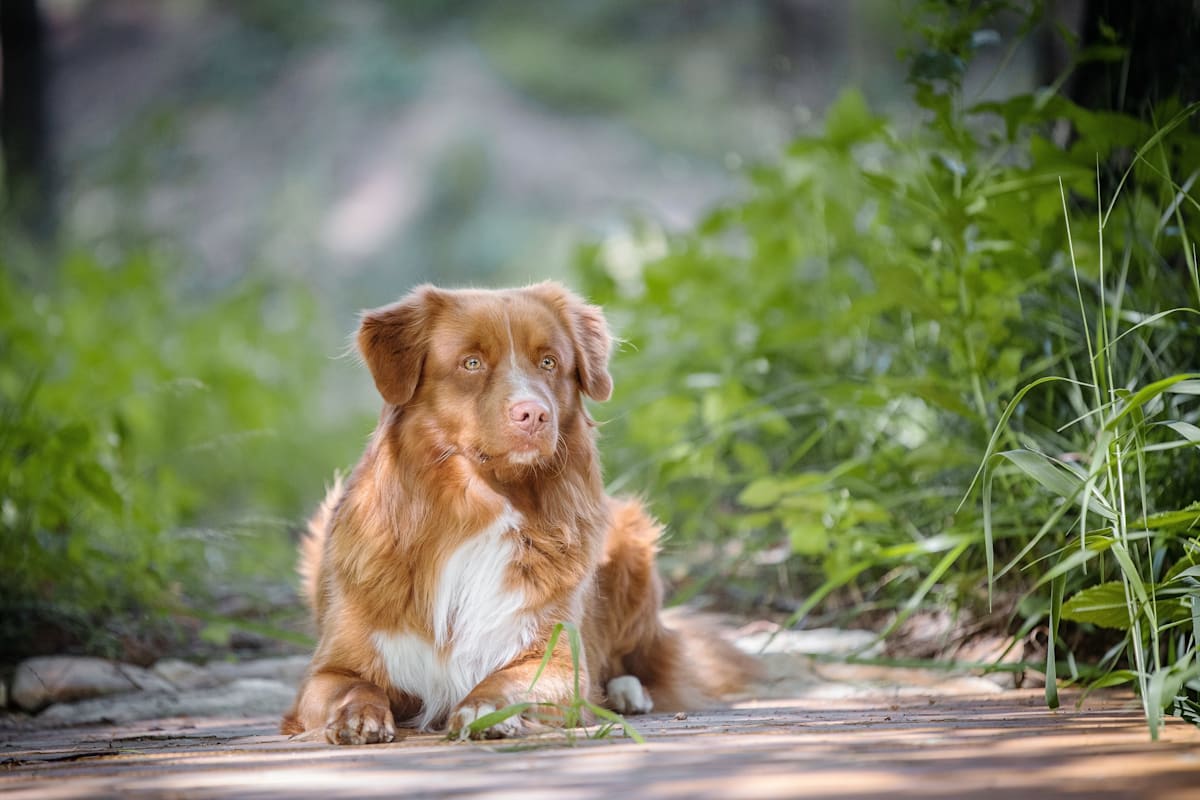
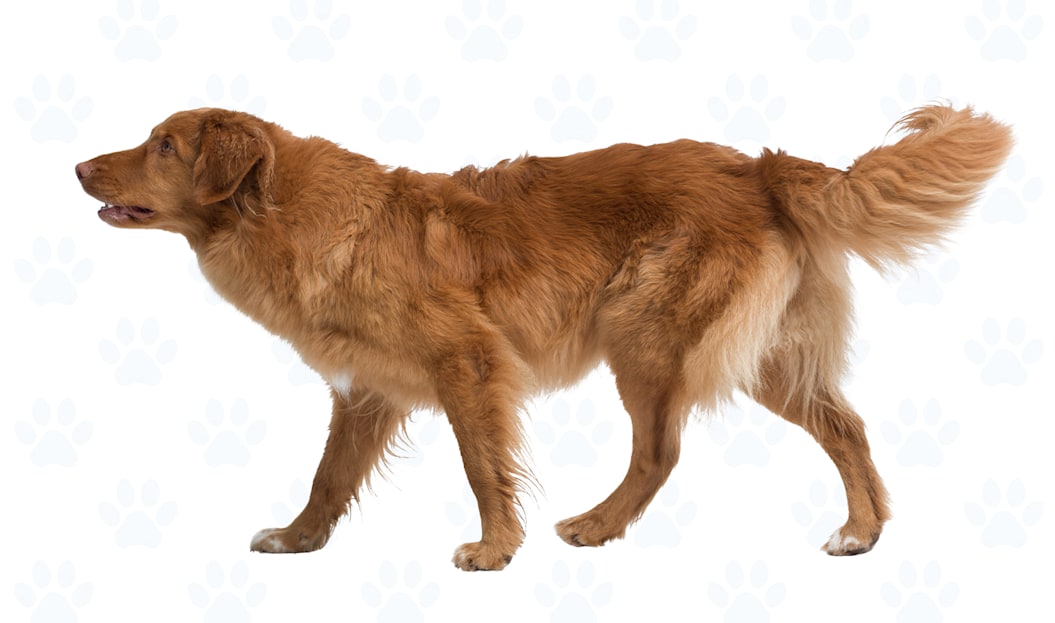
The Nova Scotia Duck Tolling Retriever has a trademark crimson coat that ranges from golden red to dark and coppery with white markings. With almond-shaped eyes and a compact build, the breed usually weighs between 35 and 50 pounds, and stands 18 to 21 inches tall for males and 17 to 20 inches for females.
“Their weight is in proportion to the height and bone structure of the dog,” says Dr. Jerry Klein, chief veterinary officer with the American Kennel Club. “The dog’s length should be slightly longer than height but should not give the impression of a long back.” In addition, Nova Scotia Duck Tolling Retrievers have fluffy, feathered tails and high-set, floppy ears that are triangular with rounded tips.
The Nova Scotia Duck Tolling Retriever was bred to retrieve foul from chilly waters, and their double coat of medium length is water-repellent with a soft, dense undercoat. Some Nova Scotia Duck Tolling Retrievers have a slight curl or wave to their fur. Klein says that “the Toller's attitude and bearing suggest strength with a high degree of agility. He is alert, determined and quick, with a keen desire to work and please.”
Size & Weight
Nova Scotia Duck Tolling Retriever Characteristics
- Size & Coat
- Lifestyle
- Training & Behavior
Size
Tiny
Jumbo
Weight
Light
Heavy
Shedding
Minimal
Abundant
Coat Length
Short
Long
Grooming Frequency
Occasional
Frequent
Living Space
City apartment
Ranch
Exercise
Couch potato
Bring it on!
Climate
Warm
Cold
Personality
Antisocial
Outgoing
Protection
None
Bodyguard
Behavior with Kids
Always monitor
Babysitter
Training
Headstrong
Obedient
Barking
Mute
Loud
How to Care for Tollers
Coat & Grooming: The Nova Scotia Duck Tolling Retriever requires a weekly brushing of its double coat to keep things in order, and it’s important to pay more attention to the finer fur around and under the breed’s ears, which tends to knot. An occasional bath also helps keep the breed’s coat pristine. In addition, you’ll want to have a groomer remove excess hair from between the feet pads of the Nova Scotia Duck Tolling Retriever to help him gain traction.
Coat length: Medium
Grooming: Occasional
Shedding: The Nova Scotia Duck Tolling Retriever has a water-repellent double coat that sheds seasonally about once a year. “Their shedding is less than the shedding that you would get with a Golden Retriever,” says Klein. “Neutering or spaying will also affect the coat and coat texture.”
Training: Tollers are incredibly fast learners who are very eager to please, plus they thrive on the creativity and mental stimulation that comes with training. Although some Nova Scotia Duck Tolling Retrievers can seem reserved in new situations, they aren’t often shy and they’re quick to come around, showing how alert and outgoing they can be. Tollers can, on occasion, also be quite stubborn, but they respond well to reward-based training done in short sessions.
Barking: The Toller is a mostly quiet dog, but when excited they can get a bit loud, emitting a high-pitched bark known as the “Toller Scream.” Besides using their mouths to bark on occasion, the breed is also known to be quite interested in chew toys, especially when they are young. It’s important to tame their love of chewing from a young age with proper training to keep them from getting into trouble with it as they age.
“Nova Scotia Duck Tolling Retrievers are busy, trainable, obsessive retrievers,” says Klein. “They can be a bit sensitive [and] proper early socialization around small animals such as cats or kittens is best done early. Tollers are great and calm with people and in different situations.”
Temperament & Behavior: Don’t let this dog’s “small” size fool you — the Nova Scotia Duck Tolling Retriever is ready to play and work. In fact, the breed can succeed in all types of competitive sports, says Klein. Although the Nova Scotia Duck Tolling Retriever is known to be outgoing, alert and incredibly active, they are also tend to be patient and affectionate without becoming highly nervous or overactive. An athlete by nature, this breed is also perfect for anyone who loves exercise or outdoor adventure, and does best when it receives proper mental and physical stimulation combined with a steady dose of affection.
Behavior with Kids: Especially when they are socialized at a young age, the Nova Scotia Duck Tolling Retriever makes a great companion for kids.
Protection: Tollers are more known for their friendliness than for protective instincts. They are more likely to exuberantly greet an intruder than to fend them off.

Life Span: Nova Scotia Duck Tolling Retrievers live to be 12 to 14 years of age
Inherited Health Issues: Although the Nova Scotia Duck Tolling Retriever is generally a healthy breed, certain health conditions can occur at an increased frequency within the breed or as a result of inheritance. A number of genetic screening tests are available and are often performed by responsible breeders prior to breeding in an attempt to decrease certain health conditions in future generations of Tollers. These conditions may include, but are not limited to, the following: Hypoadrenocorticism, Distichiasis, Progressive retinal atrophy, Cleft palate, Collie eye anomaly and Degenerative myelopathy.
Preventive Care: While some health conditions occur more commonly in Nova Scotia Duck Tolling Retrievers than in other breeds, none of these conditions can be definitively prevented. Tollers should be examined by a veterinarian once or twice per year, and subtle changes can be detected so that any concerns can be addressed before they become more severe. At home, your Toller should be monitored for any new changes, including lethargy, vomiting or diarrhea, as these nonspecific signs can also occur with hypoadrenocorticism, also known as Addison’s disease.
Routine preventative care including flea and tick prevention, heartworm prevention, and intestinal deworming are typically recommended for most Tollers.
As a highly active breed, Nova Scotia Duck Tolling Retrievers often have a higher calorie demand than lazier breeds. However, if they are overfed or under-exercised, Tollers can become overweight. Feed portion-controlled meals of a high-quality balanced diet in order to keep your Toller at a healthy body weight while avoiding table scraps or too many treats.
Daily Consumption: Average daily consumption for an adult Toller is 1.5-2 cups.
Energy Level: Frisky, energetic breed that is always ready for action
Exercise: The Nova Scotia Duck Tolling Retriever is not a breed for couch potatoes, although they are also known to be affectionate and loving. Most Nova Scotia Duck Tolling Retrievers are medium-to-high energy dogs who require multiple bouts of physical exercise every day. On the low end, your Toller may be happy with a fast-paced, 30-minute walk followed by some ball chasing, but most need more than that. The breed especially enjoys activities that make use of their mind and that require active input from their owners, like fieldwork or agility courses.
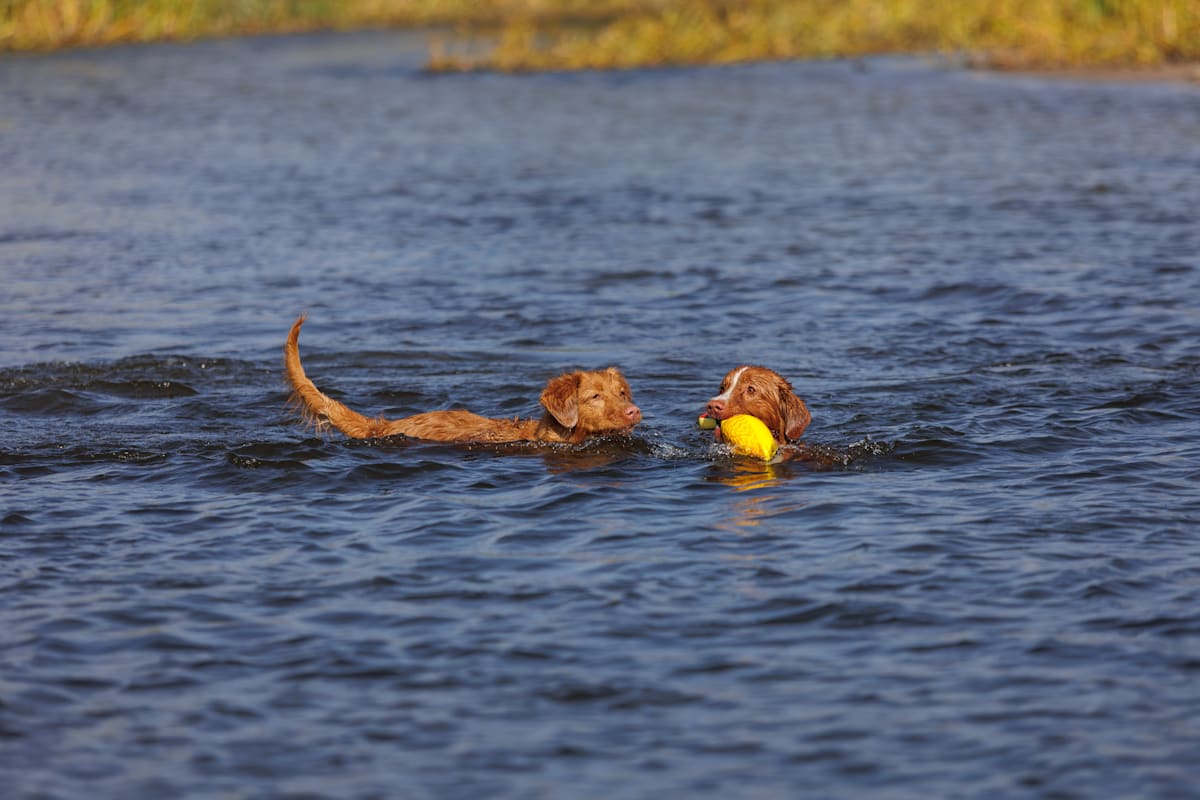
“The Nova Scotia Duck Tolling Retriever, as its name implies, loves to swim and retrieve, and is a great all-around active person’s dog,” says Klein. “Many owners will tell you that Tollers have a slightly sad or worried expression when they are not working. The moment the slightest indication is given that retrieving is required, they set themselves to spring into action with an expression of intense concentration and excitement.”
Fortunately, after a day that’s included lots of exercise and exhilaration, Tollers are more than happy to cuddle up with their owners.
Climate: Like most breeds, the Nova Scotia Duck Tolling Retriever does well in moderate temperatures.
Living space: As a medium-sized dog, the Toller can thrive in a small apartment or a larger house, as long as they have plenty of time outdoors to get out all of their energy.
Cost of Owning
Unlock exclusive rewards with Vital Care, or enjoy up to 35% off essentials when you subscribe with Repeat Delivery.
Enjoy exclusive rewards every time you shop. Get member-only deals, points, and special offers designed to help you save more on what your pet needs.
Never run out of the essentials. Subscribe and get your pet’s favorites delivered on schedule—with up to 35% off plus the convenience of automatic refills.
Your love story starts here.
Find adoptable pets near you with a simple search.
Fun Facts
Overly excited Nova Scotia Duck Tolling Retrievers can emit a high-pitched noise that is known as the “Toller Scream.”
The Nova Scotia Duck Tolling Retriever gained AKC recognition in 2003, making it the breed with the longest name in the AKC stud book.