Petco Text Logo
Petco Pet Logo

About Newfoundland

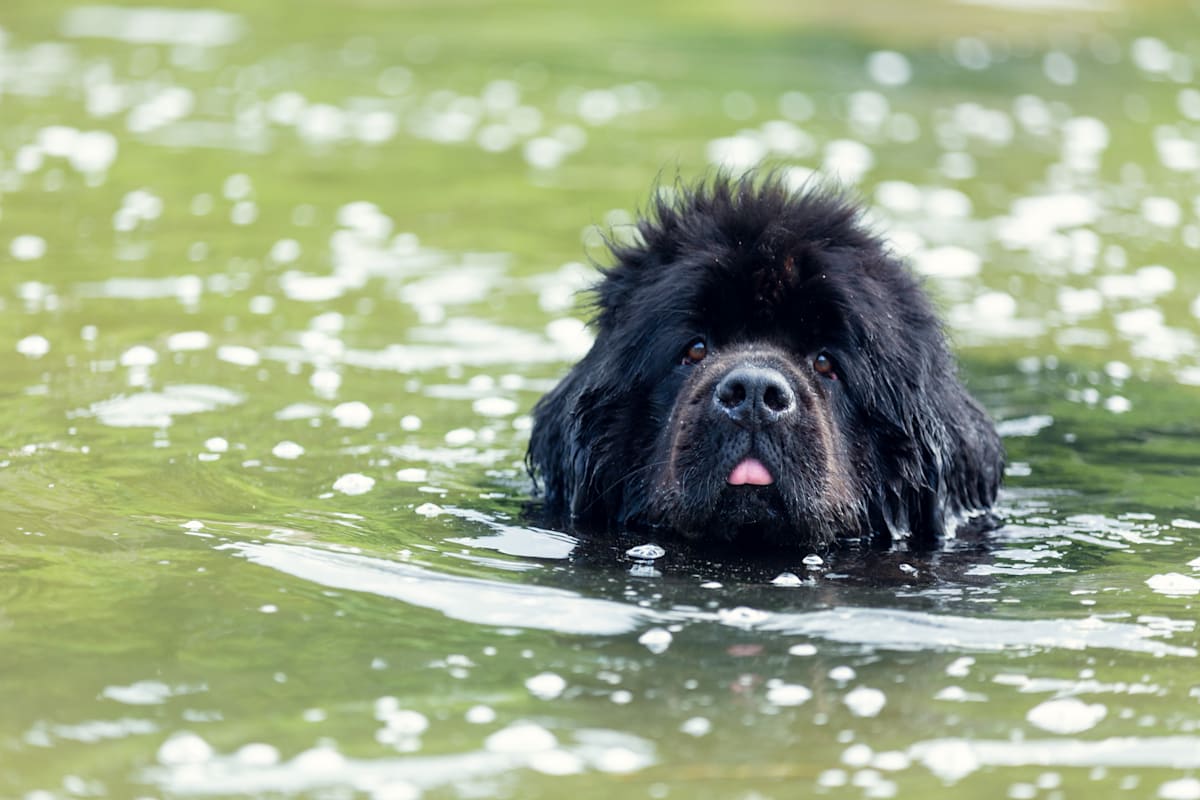
The Newfoundland is a giant breed dog that originated in the northeastern Canadian province of the same name and is regaled for its dedication to family and agreeable disposition. The average Newfie is intelligent and trainable, loving, and mild-mannered. These traits make the Newfoundland ideal for family life, as well as providing comforting therapy. These are gentle giants who are fond of children and love the water. Newfoundlands are powerful swimmers and have earned a larger than life reputation after performing many heroic water rescues, from saving Napoleon in 1815 to a drowning gold dredger in 1995. Their luscious, thick coats are a dream to touch but a nightmare to maintain. Although the breed is very large and has a strong working drive, Newfoundlands are usually laid-back, and require only moderate daily exercise.


Origin: Canada   Other Names: Newf, Newfie

Working Group

Dogs of the Working Group were bred to perform such jobs as guarding property, pulling sleds and performing water rescues.

Working Group dogs have been invaluable assets to man throughout the ages. The Doberman Pinscher, Siberian Husky and Great Dane are included in this Group, to name just a few. Quick to learn, these intelligent, capable animals make solid companions. Their considerable dimensions and strength alone, however, make many working dogs unsuitable as pets for average families. And again, by virtue of their size alone, these dogs must be properly trained.

Petco Pet Education Center

General appearance

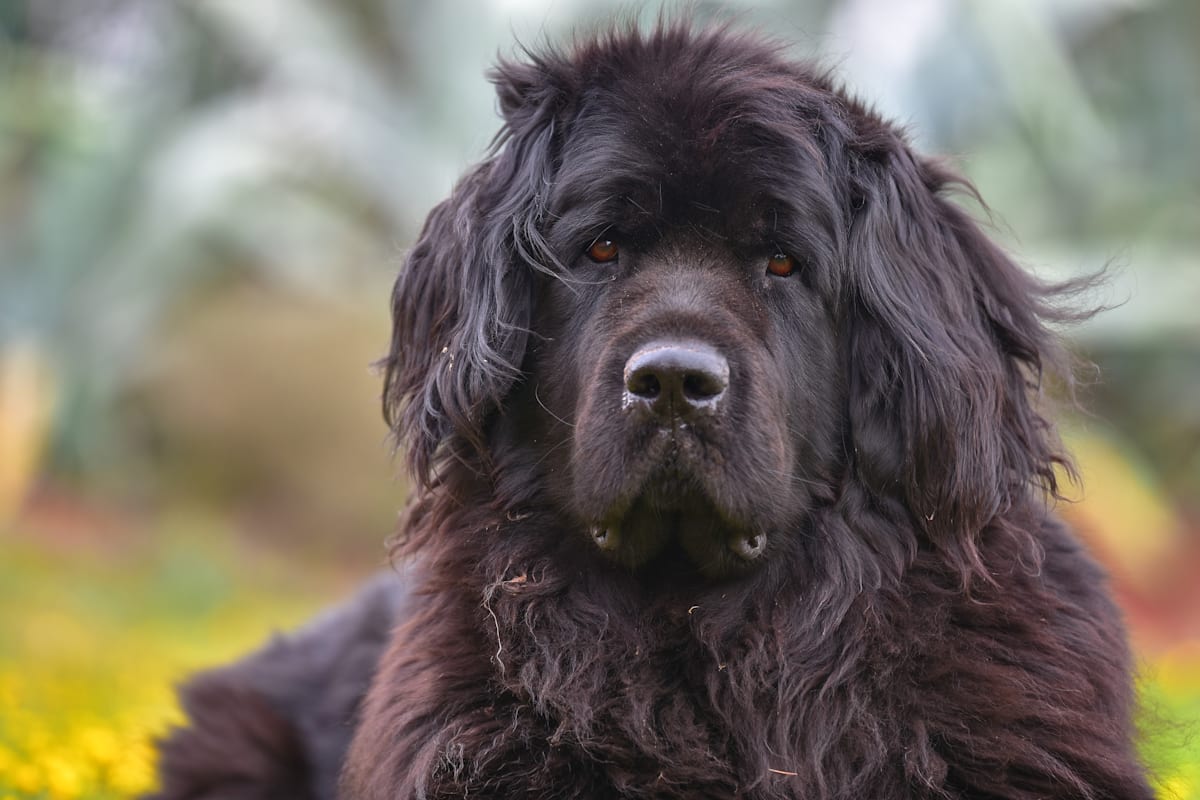
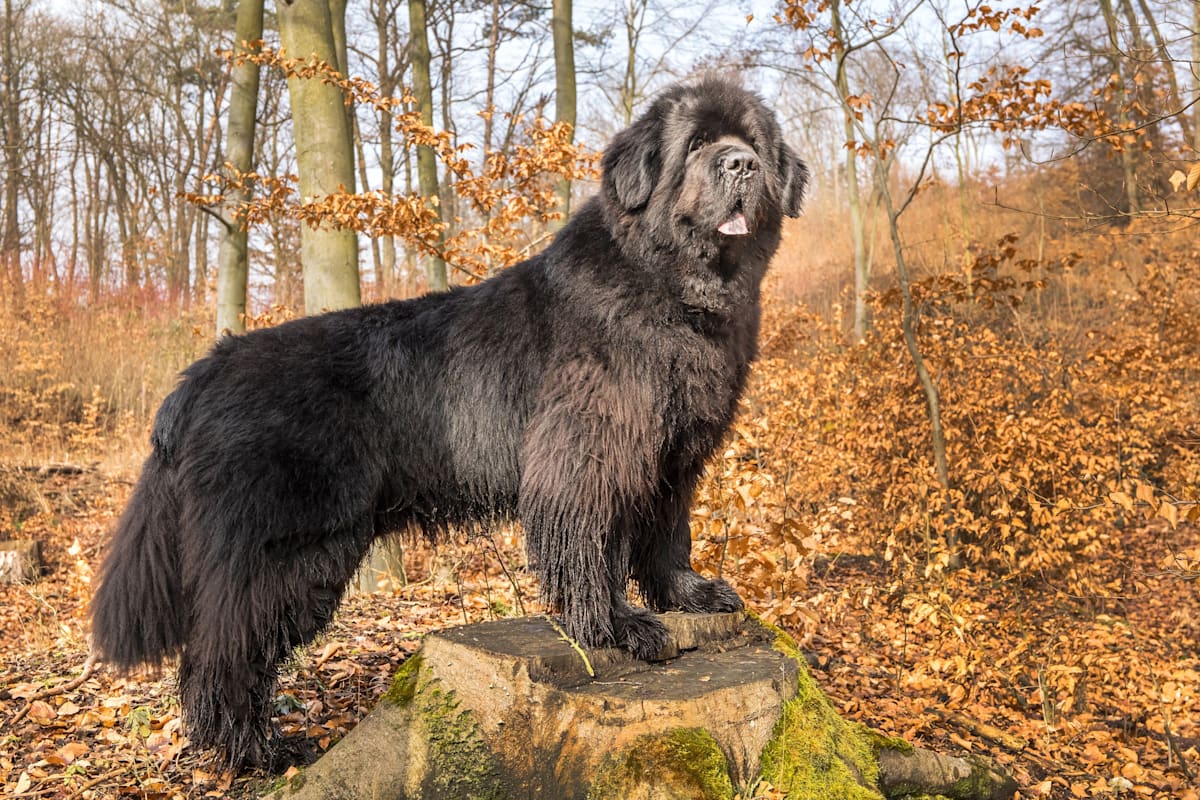
Newfoundlands are giant dogs that can easily be mistaken as black bears at a glance. The breed weighs well over 100 pounds and is recognized by its drooping ears, slobbering jowls, and sweet disposition.


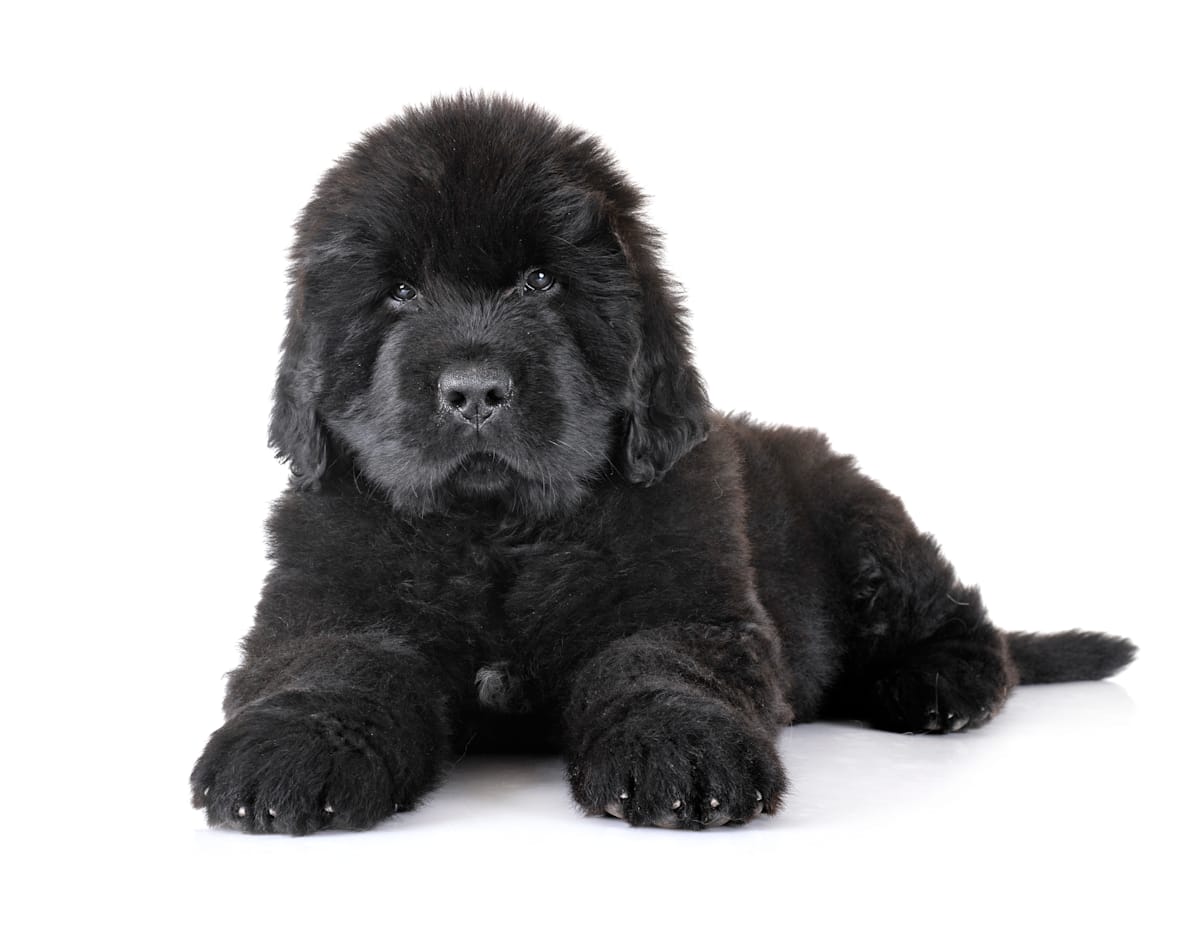
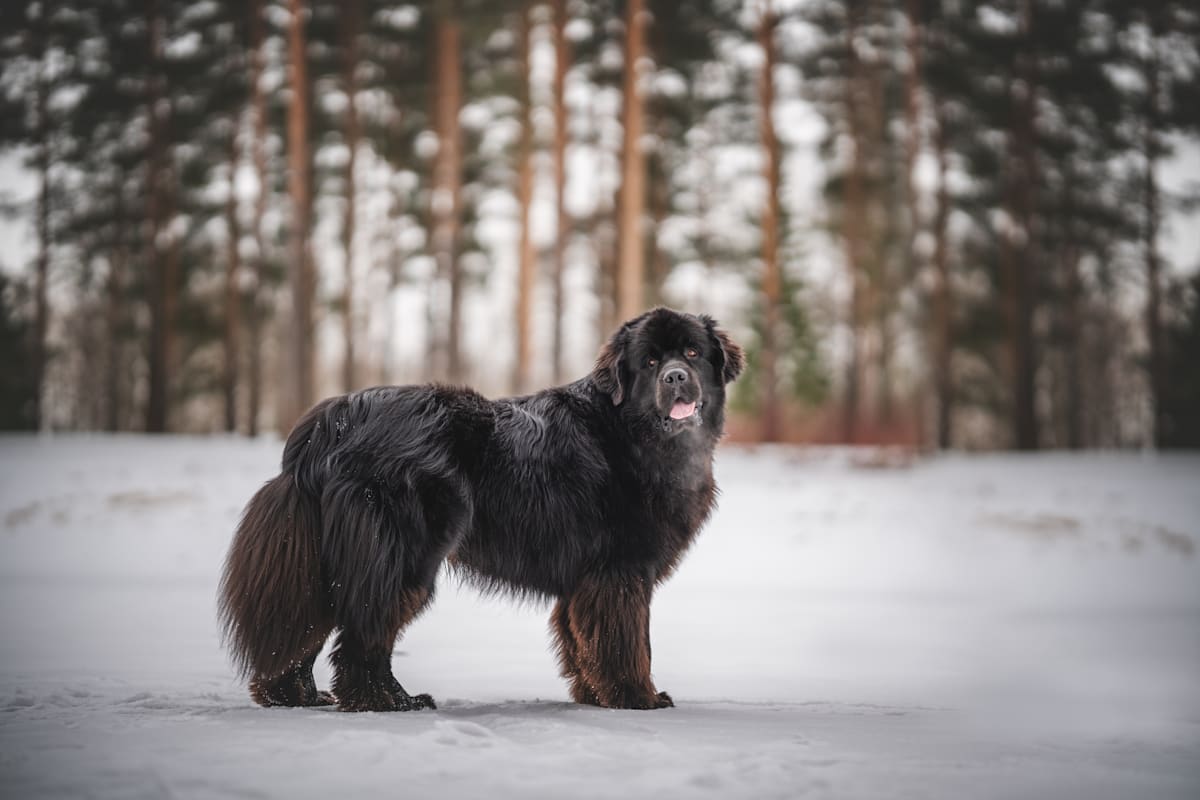
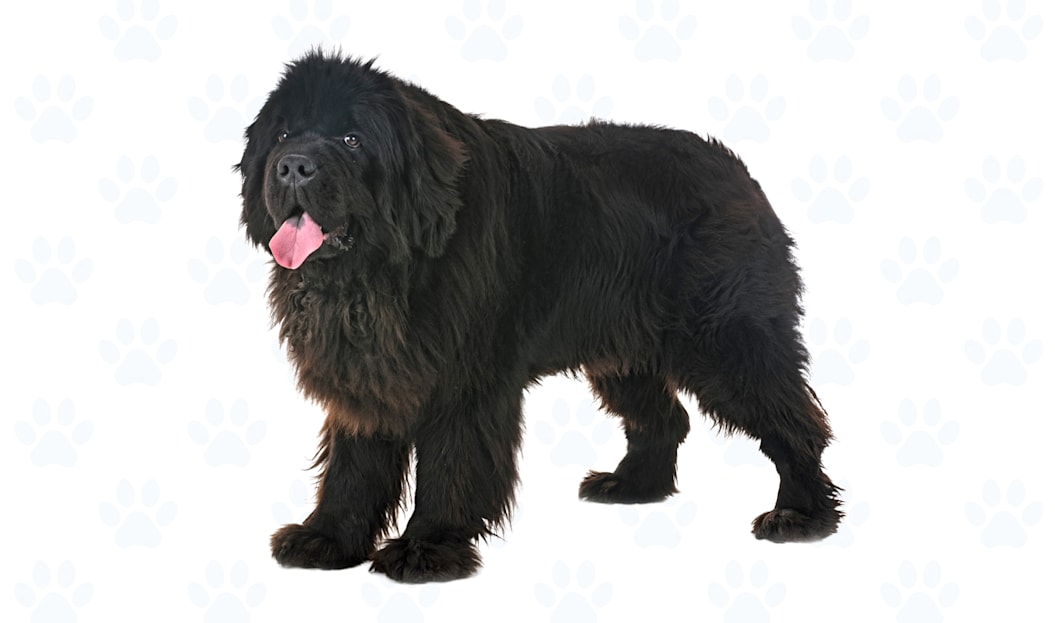
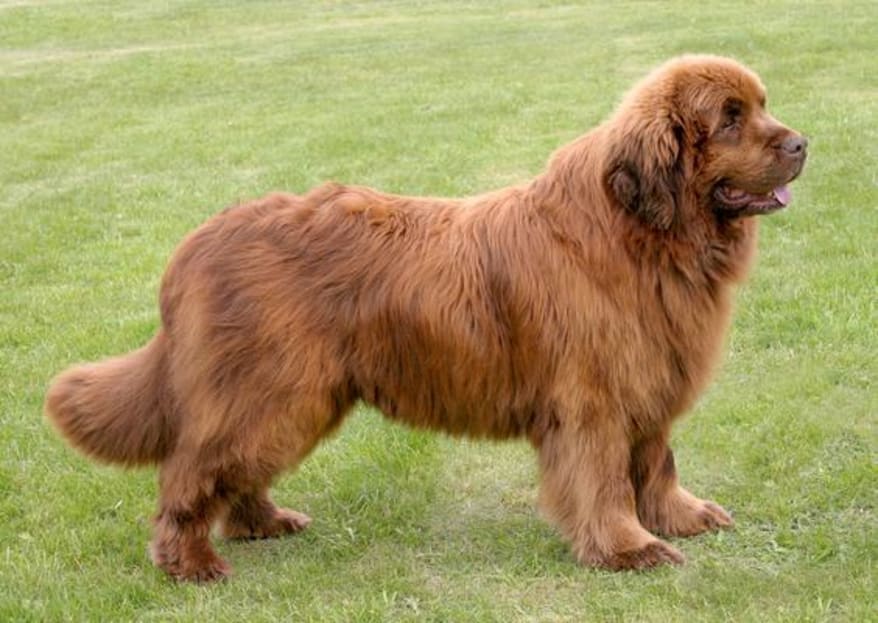
The Newfoundland’s head is massive, with a square muzzle, deep-set eyes, and relatively small triangular ears. They are muscular and thick-boned in the body, with a straight back and long, bushy tail. Newfoundlands have a long, thick double coat that is woolly underneath and silky on top. The coat is usually black but can also be brown, gray, or white and black. White and black Newfies are sometimes called ‘Landseers’, named after the painter Edwin Landseer who often depicted this variety in his works.

Colors

This breed can be found in a variety of colors. You can check them out below.


Size & Weight

Newfies are one of the largest dog breeds, standing from 26-28 inches tall and weighing between 100-150 lbs.

Full Grown
Female 26 in. / 100 lbs.
Male 28 in. / 150 lbs.

Height is measured up to the shoulders.

Female Size Chart
Height Figure
Male Size Chart
6 ft. 4 ft. 2 ft.

Cost of Owning

On average, owning a middle-aged Newfie costs around $2200 per year
$500
Vet Care
$500
Grooming & Boarding
$400
Others
$800
Food & Treats

Characteristics

Size

Newfies are one of the largest dog breeds, standing 26-28 inches tall.

Tiny
Jumbo

Weight

Newfies are one of the heaviest dog breeds, weighing between 100-150 lbs.

Light
Heavy

Living space

Newfoundlands may be a giant breed, but they can adapt well to smaller spaces if they’re given enough exercise. Generally, it’s ideal to have enough room for them to romp outside and stretch their legs.

City apartment
Ranch

Exercise

Although Newfies are tireless when there’s work to be done, they’re also couch potatoes who like to hang out around the house. If they’re not being put to work, regular walks and playtimes are sufficient exercise.

Couch potato
Bring it on!

Personality

Newfoundlands are usually described as hearty, patient, and gentle. They’re known for their pleasant, reliable dispositions and sociability with people and other pets.

Antisocial
Outgoing

Protection

As a huge, powerful breed, Newfies look imposing. Although not typically aggressive, they are watchful and protective of their family, especially children.

None
Bodyguard

Behavior with kids

Most Newfies love to play patiently with children. Their protective and nurturing instincts are so strong they’re often referred to as ‘nannies’. As with any dog, be sure to supervise your Newfoundland around unfamiliar kids and adults.

Always monitor
Babysitter

Training

Newfoundlands have an above-average working intelligence and are considered very trainable. However, they can be overly sensitive and stubborn, so training requires gentleness and patience.

Headstrong
Obedient

Shedding

Newfoundlands have a thick double coat that sheds excessively during the change of seasons. Year-round, they need a great deal of regular grooming but shed moderately.

Minimal
Abundant

Climate

The Newfoundland coat is too dense to be comfortable in hot or humid weather. They’re better suited to temperate and cool climates.

Warm
Cold

Barking

Newfoundlands may occasionally bark out of alarm or loneliness, but are relatively quiet dogs otherwise.

Mute
Loud

Cross Breeds

Select a Breed to Cross

Choose a breed from the dropdown to see potential crosses.

Labrador Retriever
Dropdown Icon

Temperament & Behavior

Newfoundlands are best known for two main characteristics: their enormous size and sweet dispositions. They are loyal and loving, and thrive in the heart of family life. The breed should be obliging, willing to perform tasks on command, yet intelligent and confident enough to act independently when the situation requires it.


Although the breed is famously sweet, there are always individual exceptions. Young males in particular can be difficult to train and raise, as some have a tendency towards dominance and can be stubborn. No matter the gender, or immediate challenges, it’s very important that Newfies are taught obedience and are well socialized with people and other dogs from a young age.

Barking: Understanding your dog

Although Newfoundlands keep a close eye on their family and property, they aren’t easily alarmed, and are not big barkers. The breed is very social, and bonds deeply with its family. If they become very lonely, chronic barking can develop outside of the breed norm. As big dogs, they can put a lot of weight into those ‘woofs’, resulting in a deep and resonant bark.

Training

Newfoundlands have above-average working intelligence, and training should begin with puppies. Though they’re quick learners and eager to please, Newfies can have a bit of a stubborn streak and are sensitive. Patience and empathy is a must when working with this gentle giant. Leash training is also very important to begin at an early age, to ensure easy, obedient walks when they’re fully-grown.


Well-trained Newfoundlands excel as working dogs. They can be assigned to pulling carts, providing therapy assistance, and performing water rescues - even from helicopters.

Habits and Exercise

The Newfoundland possesses many charming natural traits. They’re easy to house train, and friendly towards people and all kinds of other pets. They’re incredibly fond of children, and vice versa. As babysitters, they’re playful, patient, watchful and protective.


Although Newfoundlands are not a high-energy breed, they need frequent periods of exercise and mental stimulation to satisfy their working drive. They are excellent swimmers, and swimming is a great low-impact way to exercise growing puppies and adults. If swimming is not an option, regular walks or play time in the backyard make excellent alternatives.

Energy Level

Enjoys some moderate exercise every now and then

Energy Level

Nutrition

As a giant breed dog, Newfoundlands will consume a large volume of food to maintain their nutritional needs. Since they can become couch potatoes, closely monitor your dog’s weight to assure that you are feeding properly portioned meals in an attempt to maintain a healthy body weight. Consider feeding a balanced diet formulated for large breed dogs, particularly for growing puppies.

Daily Consumption

Average daily consumption for an adult Newfie is 3.5-5 cups daily

Daily Consumption

Preventive care

As a giant breed dog, Newfoundlands are more predisposed to developing an array of joint conditions, including hip dysplasia, elbow dysplasia, and cranial cruciate ligament rupture. While there are no definitive methods to prevent these issues, keeping your Newfie at a healthy body weight is the most important way to decrease extra stress on their joints. Fish oil supplements can also be helpful to decrease the inflammation in the joints that can occur as a result of arthritis.


Even if your Newfoundland appears to be healthy at home, maintain regular wellness visits with your veterinarian to assure that there are no other subtle issues present. Heart, eye, and urinary issues occur more commonly with this breed than many others, so your veterinarian will be able to thoroughly assess these organ systems so that any problem can be approached before it becomes more severe.

Inherited health issues

Many health conditions have been associated with Newfoundlands either through methods of inheritance or occurring at an increased frequency within the breed. Responsible breeders typically perform genetic screening for many of these conditions in an attempt to decrease the incidence of some health issues. These conditions may include, but are not limited to, the following: Aortic stenosis, Dilated cardiomyopathy, Congenital idiopathic megaesophagus, Cranial cruciate ligament rupture, Elbow dysplasia, Hip dysplasia, Cataracts, Ectropion, Entropion, Glaucoma, Macroblepharon, Prolapse of the gland of the third eyelid, Ectopic ureter, Cystine urolithiasis and Primary ciliary dyskinesia.

Life Span

On average, Newfoundlands live to be around 9-10 years old.

Life Span

Did you know?

  • Newfoundlands are memorialized throughout literature and cinema, including "Nana", the children’ guardian in J.M. Barrie's Peter Pan.
  • Newfies have completely webbed feet, like ducks, and the longest toes of any breed.
  • The biggest Newfoundland on record was nearly six feet long from nose to tail, and weighed 260 lbs.
  • Seaman was one famous Newfoundland who accompanied explorers Lewis and Clark across the American frontier.

Coat and Grooming

Newfoundlands have a super thick, long, oily double coat that enables them to withstand frigid water temperatures and break through ice. While their coat is nearly impervious to water, it’s a magnet for burrs, mud and other debris. They need to be brushed multiple times per week, otherwise their dense coat is at risk for uncomfortable matting and dread locks. Additionally, Newfoundlands are notorious droolers. A drool towel is a must-have accessory.


Coat length

Long

Coat length

Grooming

Frequent

Grooming

Shedding

Newfoundlands generally do not shed excessively, but their regular shedding may be more noticeable because of the sheer volume of fur on this giant dog.As with other double-coated breeds, they will blow their coat twice per year, in preparation for the warmer and colder seasons. Outside of these prime shedding seasons, a significant amount of dead hairs are trapped within the Newfoundland’s thick layers.

History

The heritage of the Newfoundland is unclear, although it’s commonly believed that the breed is a descendant of the Great Pyrenees, which was brought to Canada by Basque fisherman in the 15th century. It’s possible that the breed attributes some of its lineage to Labradors, Huskies and Tibetan Mastiffs as well. In Canada, the breed was further developed as a hardy and amicable working companion that could assist sailors on the high seas. Whether it was hauling in a net, an overboard crew member, or a cart with the day’s catch, Newfoundlands were equally obliged. After gaining popularity in North America, Newfoundlands were extensively bred in England from the early 19th century. Today, most Newfoundlands are descended from this English stock. In 1886, the Newfoundland was officially recognized by the AKC, and had already become a beloved companion and working dog in the Western world.