Working Group
Dogs of the Working Group were bred to perform such jobs as guarding property, pulling sleds and performing water rescues.
Don’t be fooled by the Leonberger’s intimidating size — this dog is a gentle, patient and fun-loving companion that craves family life.
Origin: Germany Other Names: Leos
Dogs of the Working Group were bred to perform such jobs as guarding property, pulling sleds and performing water rescues.
Working Group dogs have been invaluable assets to man throughout the ages. The Doberman Pinscher, Siberian Husky and Great Dane are included in this Group, to name just a few. Quick to learn, these intelligent, capable animals make solid companions. Their considerable dimensions and strength alone, however, make many working dogs unsuitable as pets for average families. And again, by virtue of their size alone, these dogs must be properly trained.
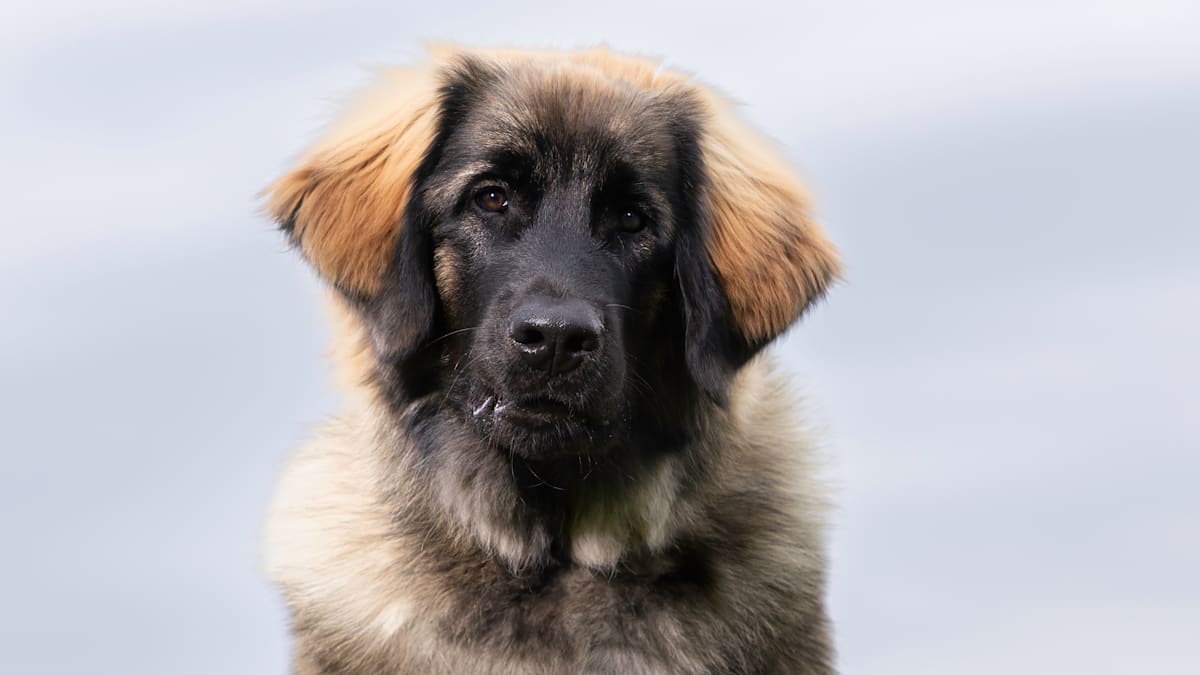
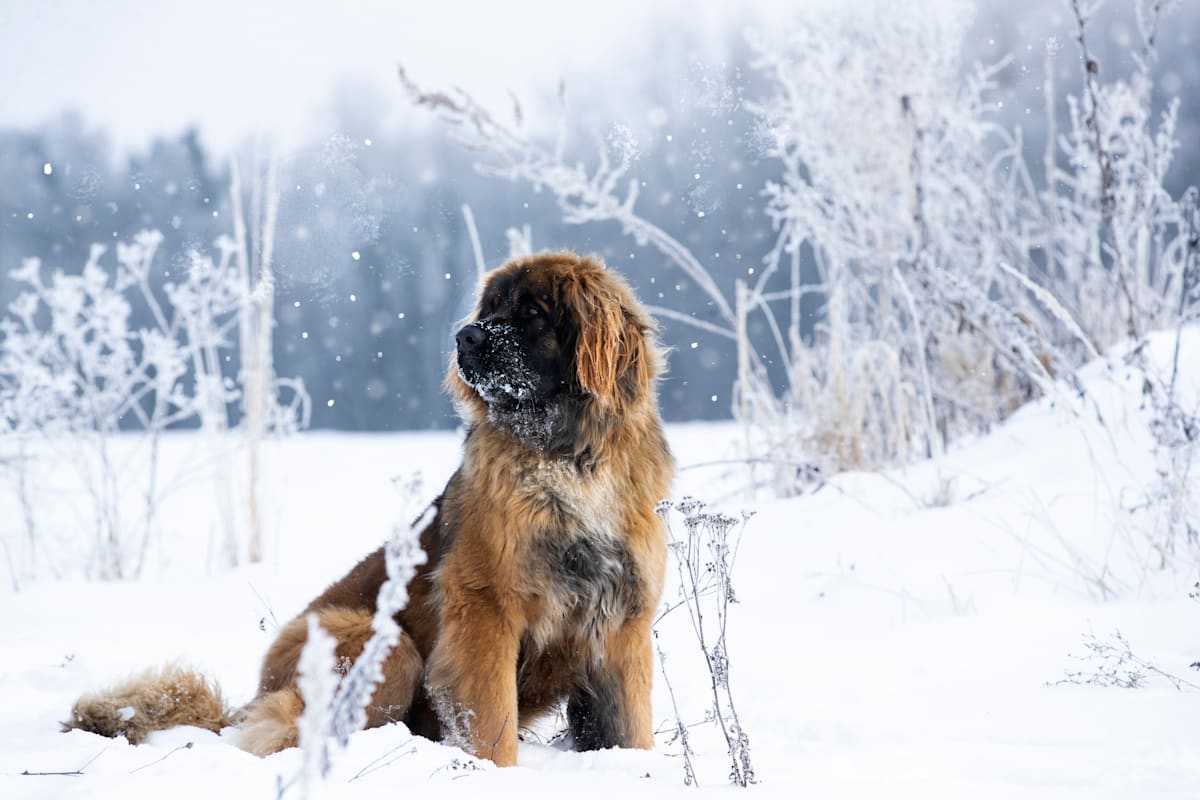
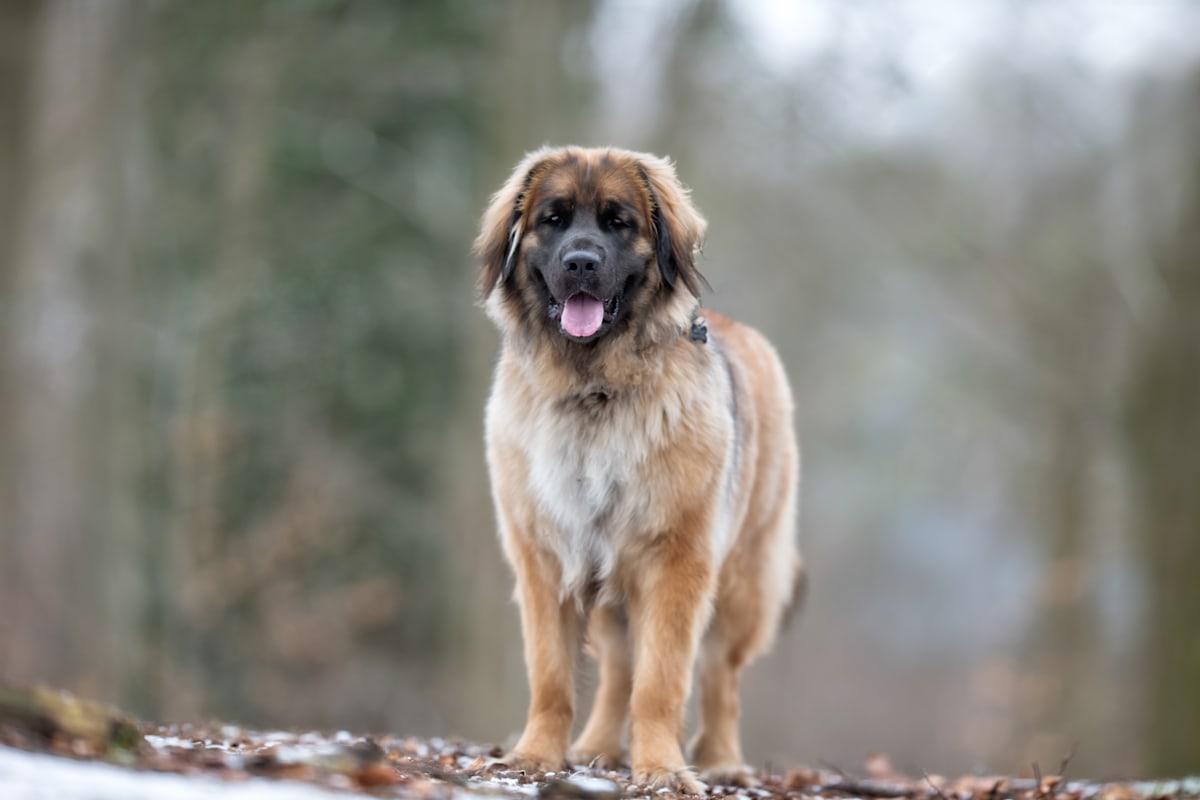
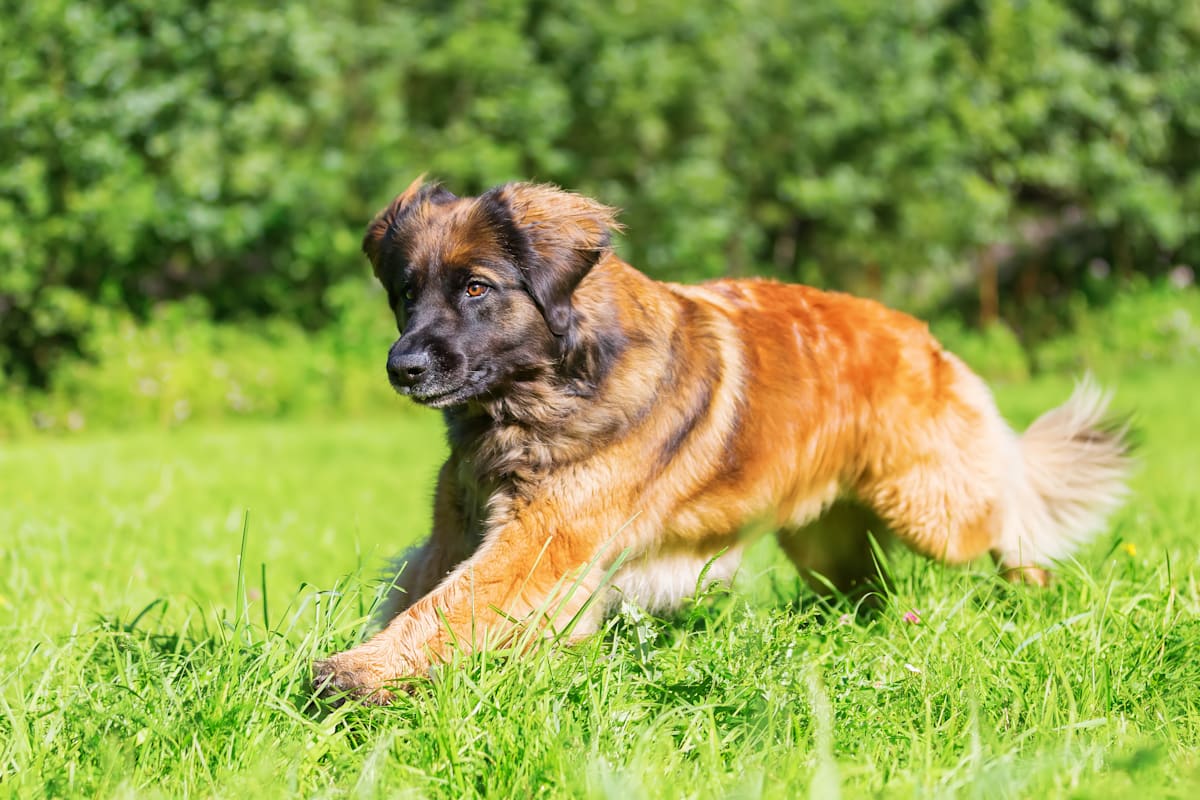
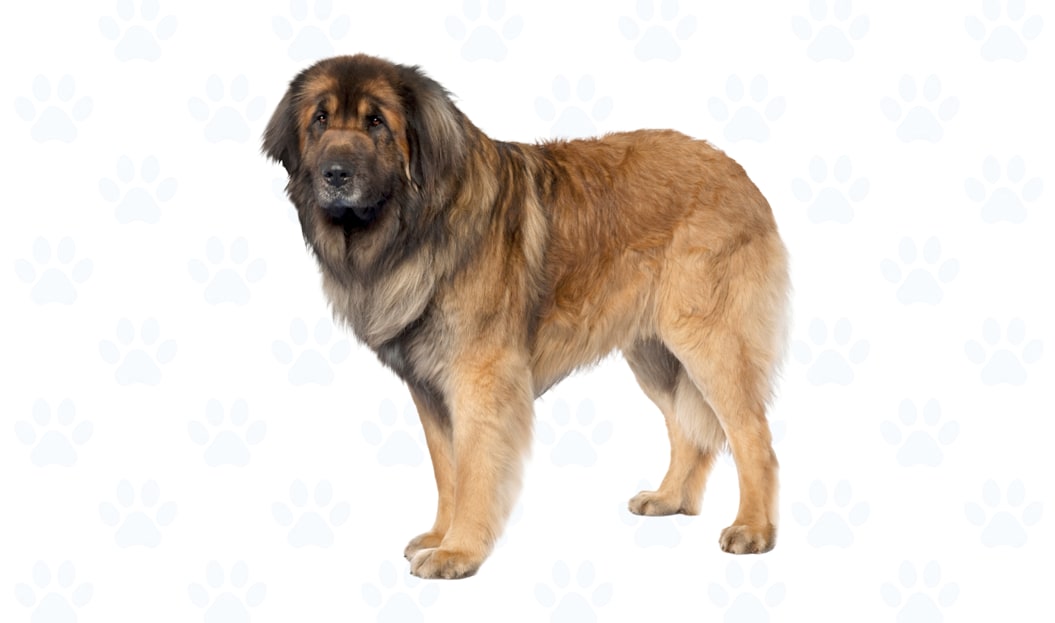
The first thing people notice about a Leonberger is their large size, followed closely by their glorious coat. Weighing between 90 and 170 pounds, this breed is one of the largest you’ll find. That, combined with their medium-length double coat, make them a very beautiful breed. Their coats come in golden yellow to red and they have a black facemask, dark-brown eyes and triangular ears.
Leonbergers weigh between 110 and 170 pounds for males and 90 and 140 pounds for females. A giant breed, they measure between 26 and 31 inches at the shoulder.
| Full Grown | |
|---|---|
| Female | 26 in. / 90 lbs. |
| Male | 31 in. / 110 lbs. |
Height is measured up to the shoulders.
Considered a "giant" breed, Leonbergers measure between 26 and 31 inches at the shoulder.
Leonbergers weigh between 110 and 170 pounds for males and 90 and 140 pounds for females.
This large/giant breed requires a large amount of space to be most comfortable.
Although they are full of energy and require both the time and space necessary for daily, strenuous movements, the Leo isn’t as active as other high-energy breeds.
The Leonberger is the full package. While gentle and playful, he can also be mischievous and destructive when not trained properly.
The Leonberger has a formidable appearance and a deep, intense bark, making him quite the deterrent to those who don’t know him.

Although the Leonberger’s gentle, calm demeanor and loyalty make them a great family pet, their large size means they do need to be watched around small kids.

Leos love nothing more than pleasing their owners, so they are happy to listen and obey, especially when trained from an early age, but they can have a stubborn streak.
The Leonberger’s lush and supple coat sheds quite a bit and requires a lot of care to stay healthy.
Leonbergers do best in moderate climates, and they should never be over exercised in hot or humid weather, since they can overheat.
Although intimidating when issued, the Leonberger doesn’t tend to bark frequently.
Intelligent and kind, fun and friendly, the Leonberger makes a great family pet as long as they are watched closely around small children. When they are young or not trained well, their love of mischief can get them into trouble, and a bored or under-exercised Leonberger may decide to entertain himself in ways you won’t approve of. They also make excellent therapy dogs, says Andrew Patterson, vice president of Leonberger Rescue Pals, Inc. “Many visit patients in nursing homes, hospitals and other facilities,” he says. “They also go to many libraries so kids can read to them.”
The Leonberger doesn’t tend to bark a lot, but they don’t like to be left alone for long periods of time and they crave attention, daily exercise and mental stimulation. This is an intelligent breed that can become bored and mischievous when left to their own devices.
“Leonbergers are wonderful to have as part of your home,” says Patterson. “They must be a part of the family, not ignored. With good care and when well-socialized and properly trained, they will be welcome members of your family.”
Although they can be stubborn, Leonbergers are also eager to please and very intelligent, which means they take easily to training, especially when taught at a young age.
This large breed is anything but sedentary. Although generally calm and gentle, they are also active and full of energy. The breed requires daily exercise and loves activities such as hiking or playing with their family. As a working breed, they also love anything that requires them to flex their agility muscles.
“They can do well in agility, although they probably aren’t as fast as many dogs just because of their size,” says Patterson. “They also excel in draft work — like carting — and water rescue. Some people test their Leos in these two activities, often participating with Newfoundland Club tests.” Leos also love water. “They have webbed toes, which helps make them strong swimmers,” says Patterson.
Enjoys some moderate exercise every now and then
The Leonberger does well on a high-quality dog food. This can be a commercial diet or homemade with your veterinarian’s approval. Whatever diet is used, it should be age appropriate (puppy, adult or senior). Some dogs are prone to obesity, so watch your dog’s caloric consumption and weight. Treats can be beneficial in helping train a dog but giving too many can cause obesity. It is important to learn which human foods are safe for dogs to eat and which ones are not.
Average daily consumption for an adult Leonberger is 3-6 cups daily
As a giant breed dog, the Leonberger can be prone to osteoarthritis. It is important to consider joint supplementation with glucosamine and chondroitin in addition to fish oil supplements for this breed to help support normal healthy joint function. Due to this breeds predisposition for entropion / ectropion, it is recommended to address this early on. There are surgical procedures that can be performed to help correct these. Leons are also at risk for developing bloat where the stomach twists and traps gas. It is important to consider tacking the stomach to the body wall surgically at the time of spay / castration as a preventative measure against bloat.
There have been many health conditions associated with the Leonberger that either occur at an increased frequency within the breed or have a genetic association. Many of these conditions are related to the giant size of these dogs. These conditions may include, but are not limited to, the following: Osteosarcoma, Inherited polyneuropathy, Cataracts, Ectropion, Entropion, Eversion of the cartilage of the nictitating membrane (cherry eye), Macroblepharon (‘diamond eye’) and Cystic endometrial hyperplasia -pyometra complex.
On average, Leonbergers live to be about nine years old.
The Leonberger has a glorious coat that requires a lot of care. This breed requires daily brushing with both a metal comb, especially in the areas behind the ears and back of the legs, where the fur tends to form into mats. A more intense weekly brushing with a pin brush, slicker brush and comb will help keep their coats in top shape.
Medium
Frequent
The Leo’s thick coat sheds more frequently than other breeds, but daily brushings will help keep mats and stray hairs at bay.
The Leonberger first appeared in Leonberg, Germany around 1846 as a cross between a Newfoundland, Saint Bernard and Great Pyrenees. It is believed that the original Leonberger was created as an attempt to breed a dog that looked like a lion. Although they nearly became extinct during World War I, two breeders took over the task of continuing on with this beautiful breed. Today they are slowly gaining in popularity in the United States, where the American Kennel Club recognized them in 1991 as an individual breed.