Petco Text Logo
Petco Pet Logo
Author Profile Photo
Written by Cheryl Lock

About Keeshond

Outgoing, amiable and full of life, the Keeshond makes a perfect pet for any family. Because these dogs were only ever bred to be companions, they tend to be sweet by nature and carry a special place in their hearts for kids. They also make great therapy dogs because of their excellent obedience skills and gentle disposition.


The Keeshond’s long fur sheds seasonally. They’re very eager to please and can be easy to train, plus they aren’t known to be big barkers. With the proper care, a Keeshond loves to lounge on the couch with her owner just as much as she loves running and playing outdoors.


Origin: Holland   Other Names: Kees

Non-Sporting Group

The breeds in the Non-Sporting Group are a varied collection in terms of size, coat, personality and overall appearance.

Non-sporting dogs are a diverse group. Here are sturdy animals with as different personalities and appearances as the Chow Chow, Dalmatian, French Bulldog, and Keeshond. Talk about differences in size, coat, and visage! Some, like the Schipperke and Tibetan Spaniel are uncommon sights in the average neighborhood. Others, however, like the Poodle and Lhasa Apso, have quite a large following. The breeds in the Non-Sporting Group are a varied collection in terms of size, coat, personality and overall appearance.

Petco Pet Education Center

General appearance

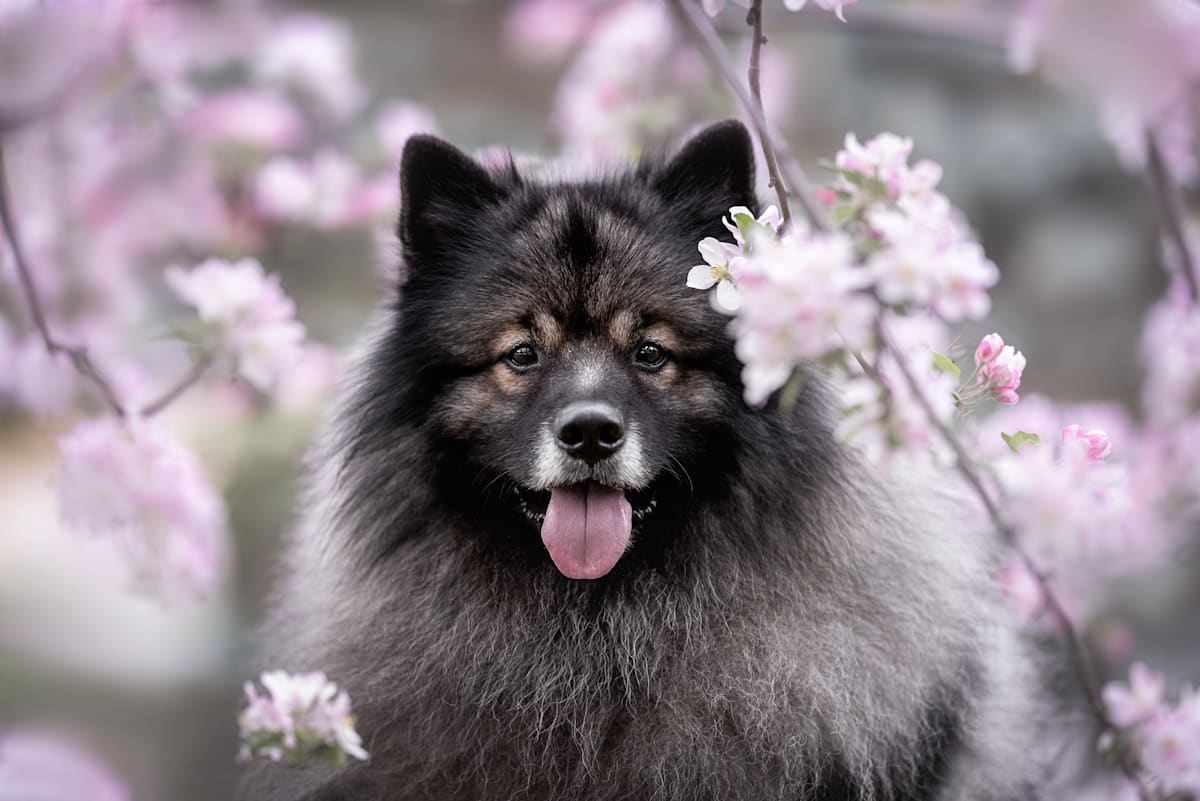
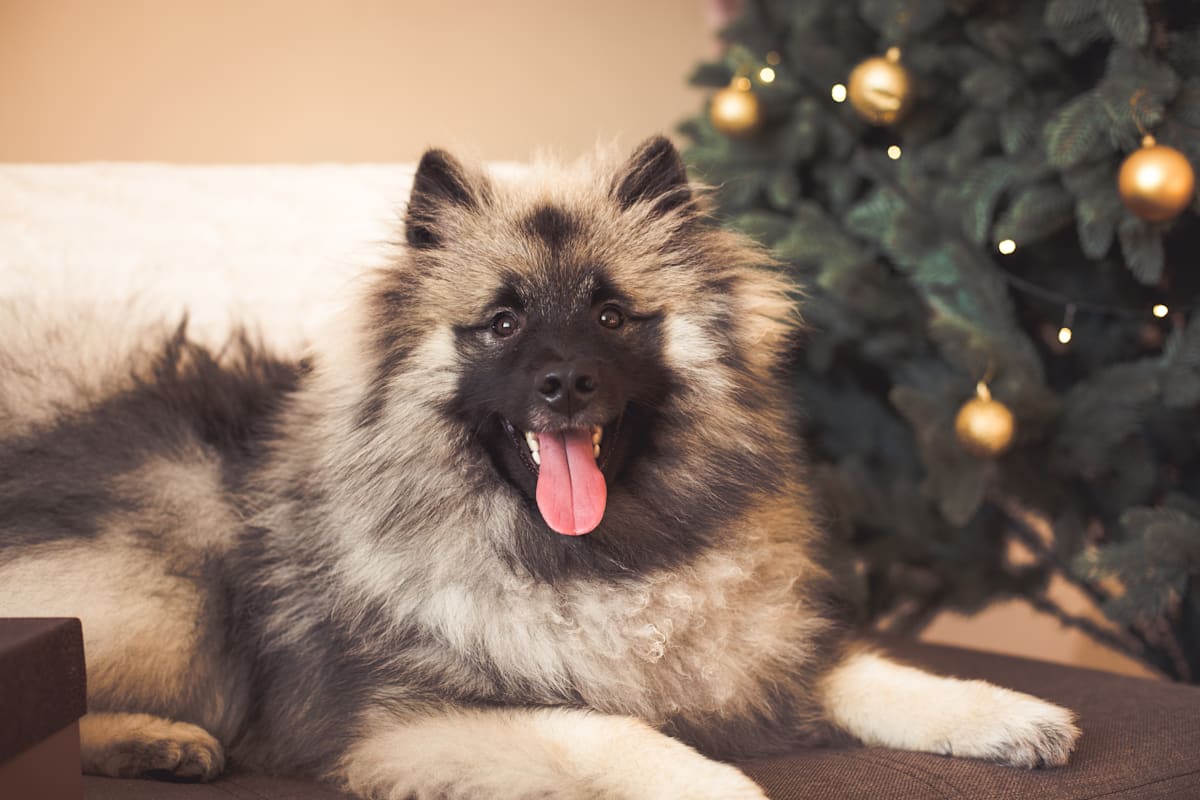
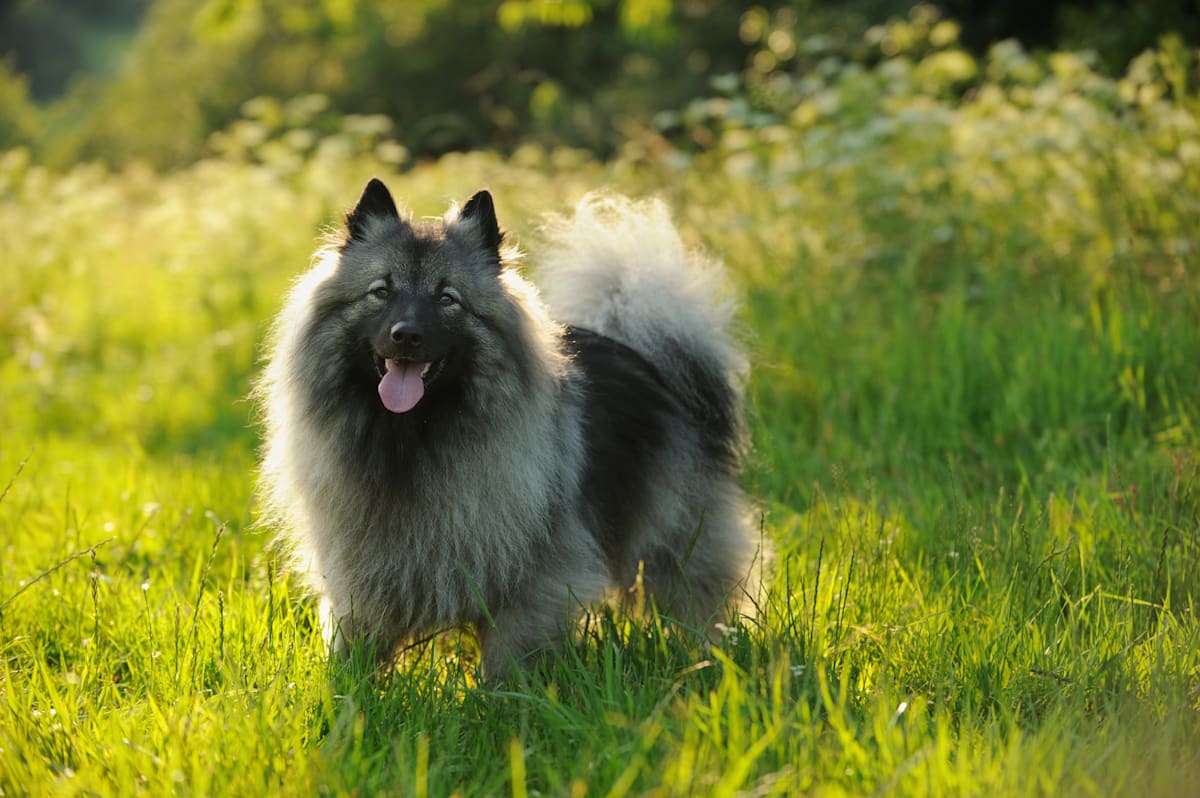
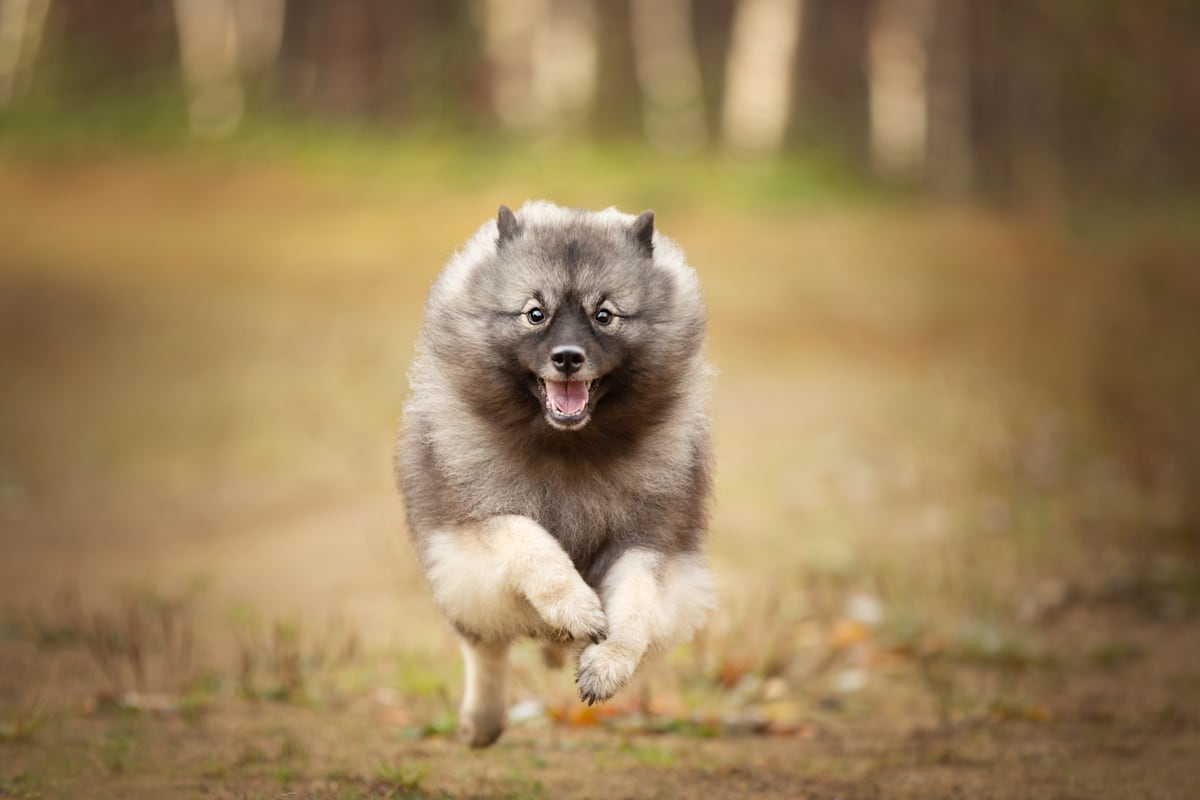
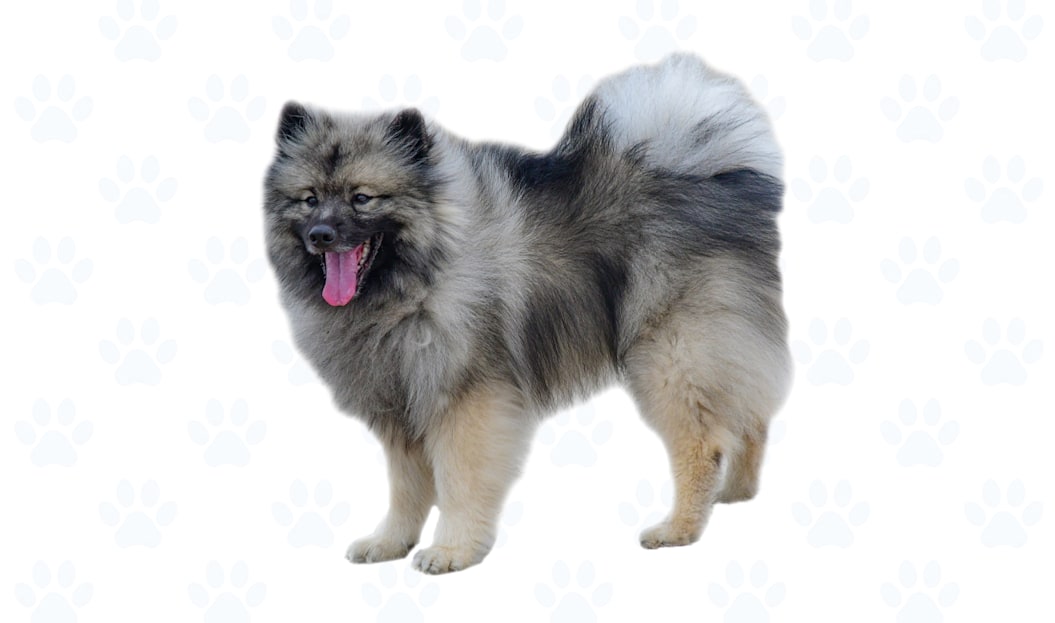
With pointed ears, a flowing coat and curved, tail held high over their backs, Keeshonden are recognizable by their body structure and a color pattern around their eyes that makes it looks like they are wearing glasses, says Dr. Jerry Klein, chief veterinary officer with the American Kennel Club.


In general, the Keeshond is a sturdy, medium-sized dog that weighs between 35 and 45 pounds and measures about 18 inches tall for a male and 17 inches for a female.

Size & Weight

The Keeshond is a sturdy, medium-sized dog that weighs between 35 and 45 pounds and measures about 18 inches tall for a male and 17 inches for a female.

Full Grown
Female 17 in. / 35 lbs.
Male 18 in. / 45 lbs.

Height is measured up to the shoulders.

Female Size Chart
Height Figure
Male Size Chart
6 ft. 4 ft. 2 ft.

Cost of Owning

On average, owning a middle-aged Keeshond costs around $1100 per year
$300
Vet Care
$250
Grooming & Boarding
$200
Others
$350
Food & Treats

Characteristics

Size

Typically, the Keeshond measures about 18 inches tall for a male and 17 inches for a female.

Tiny
Jumbo

Weight

Keeshonden are a square, sturdy breed that weighs between 35 and 45 pounds.

Light
Heavy

Living space

A medium-sized breed, the Keeshond can do well in small spaces as long as they are properly exercised and have plenty of space to run and play.

City apartment
Ranch

Exercise

The Keeshond is an active breed that requires multiple walks a day and an owner who is ready, willing and eager to play.

Couch potato
Bring it on!

Personality

Sweet, gentle and loving, the Keeshond really is the perfect package.

Antisocial
Outgoing

Protection

The Keeshond was never bred to be territorial or aggressive. As such, they aren’t the best breed if you’re looking for protection from intruders.

None
Bodyguard

Behavior with kids

If you’re looking for a breed that loves nothing more than hanging with the kids, this is the one.

Always monitor
Babysitter

Training

Keeshonden are eager to please and extremely intelligent, which makes them excellent candidates for training.

Headstrong
Obedient

Shedding

The Keeshond has a double coat that sheds seasonally.

Minimal
Abundant

Climate

The Keeshond’s thick coat means that they can easily overheat in hot climates. They tend to do better in a cooler environment.

Warm
Cold

Barking

The Keeshond isn’t known to be a particularly loud breed, but they will bark when provoked or if they feel it’s necessary.

Mute
Loud

Temperament & Behavior

A gentle pup with lots of love to give, the Keeshond makes a great family pet, even for families with other animals. “Keeshonden have an easygoing personality,” says Klein. “They can get excited when meeting other animals, but they typically end up getting along well together.” This intelligent breed is also highly trainable and super smart, and active families with kids will enjoy taking him out for walks or watching him run around in the backyard.


“Owners of Keeshond say they can tell when their dogs are feeling down because they get a ‘worried’ look on their face,” says Klein. “Their tail is also a good barometer of how they are feeling—if it’s tightly curled, they’re happy. When their tail unwinds, it is usually an indication that they are nervous or anxious.”

Barking: Understanding your dog

The Keeshond isn’t a particularly loud breed, but they will bark if provoked. “They mostly bark when someone new visits or comes to the door, but then they quickly settle down and become very welcoming,” says Klein.


In terms of energy level, while a Keeshond needs to be properly exercised and does best with plenty of space to run around, they are also happy to hang with their owners and relax on the couch.

Training

The Keeshond has a personality that makes it an excellent breed to train. They are smart and eager to please and, if you start at an early age, most learn to abide by their owners wishes quite easily.

Habits and Exercise

Although they are an extremely adaptable breed, the Keeshond does best with regular exercise and engagement with people.

Energy Level

Frisky, energetic breed that is always ready for action

Energy Level

Nutrition

Keeshonden should be fed portion-controlled meals of a balanced diet in order to maintain a healthy body condition. If overfed or under-exercised, a Keeshond can become overweight. Avoid offering table scraps or too many treats, as these can quickly pack on the pounds.

Daily Consumption

Average daily consumption for an adult Keeshond is 1 to 1.5 cups

Daily Consumption

Preventive care

Keeshonden should be monitored at home for any changes in their overall health, including exercise intolerance, coughing, increased water consumption, hair loss or seizures, as these signs can indicate different health conditions. Should any problems arise, a veterinarian should examine a Keeshond for any changes. Although certain health problems can occur in the Keeshond, none can be definitively prevented. Responsible breeders can perform a genetic test for primary hyperparathyroidism and a variety of screening tests for other health conditions prior to breeding in an attempt to decrease the incidence of these conditions within the breed. Routine visits to the veterinarian, as well as proper nutrition and exercise are the best ways to keep a Keeshond in the peak of health.

Inherited health issues

Certain health conditions can occur in Keeshonden either due to inheritance or simply at an increased frequency within the breed. Genetic testing is available for primary hyperparathyroidism, and several screening tests can be performed for a number of other conditions. Responsible breeders perform these tests prior to breeding in an attempt to decrease the incidence of these conditions within the breed. These conditions may include, but are not limited to, the following: Patent ductus arteriosus, Tetralogy of Fallot, Ventricular septal defect, Adult-onset growth hormone-responsive dermatosis, Diabetes mellitus, Primary hyperparathyroidism, Idiopathic epilepsy and Cataracts.

Life Span

On average, Keeshonden live to be about 12 to 15 years old.

Life Span

Did you know?

  • Keeshond in the plural is Keeshonden.
  • Because of its political beginnings, you can find the Keeshond featured in many old Dutch political cartoons.
  • Keeshond are known for their “smile,” and they aren’t good at hiding their emotions.

Coat and Grooming

The Keeshond has a double coat comprised of a soft undercoat separated by coarser guard hairs. Weekly grooming and brushing sessions will keep your Keeshond’s fur looking soft and supple, and you should plan to bathe him every 6 or 8 weeks as well.

Coat length

Medium

Coat length

Grooming

Frequent

Grooming

Shedding

The Keeshond has a coat that sheds seasonally and brushing it once a week can usually help keep stray hairs at bay. Trimming may also be necessary in small bits around the feet, pads, and hocks, but if you aren’t experienced with this type of grooming, it’s best to get professional help.

History

According to the AKC, the Keeshond first came to prominence as a companion dog on Dutch sailing vessels in the late 1800s. The friendly breed came to be known as the “people’s dog,” as well as a symbol of the 18th-century Dutch Patriots Party. Although it hasn’t been confirmed, there are two differing stories of how the Keeshond got its name—both based on different Patriots Party leaders. The Keeshond was first registered with the AKC in 1930.