Petco Text Logo
Petco Pet Logo
Author Profile Photo
Written by Cheryl Lock

About Fox Terrier

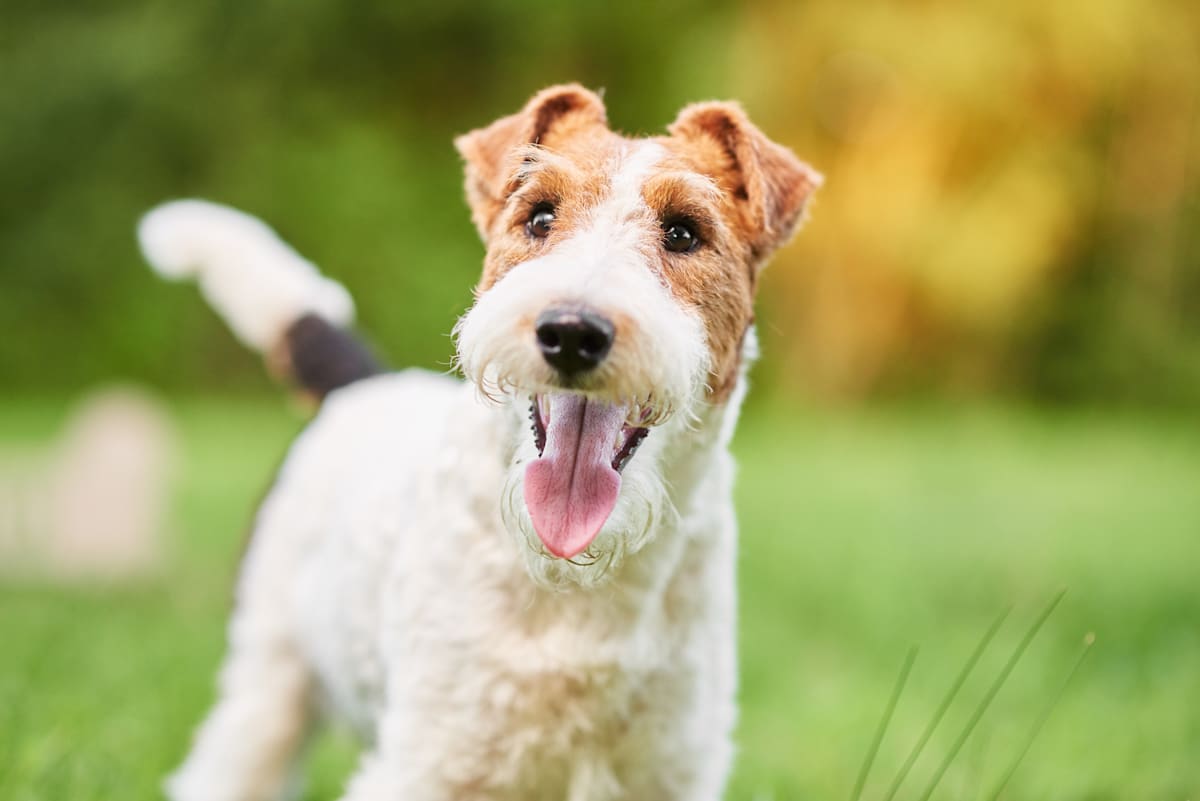
The Fox Terrier is actually two breeds of dog, the Smooth Fox Terrier and the Wire Fox Terrier. Except for their coat, the two breeds are almost identical. These dogs are curious, smart, outgoing and active. With proper training they can learn to get along with other pets. Possessing a strong instinct to hunt, Fox Terriers should be monitored closely around other small animals.


Origin: United Kingdom   Other Names: Foxys, Smooths, Wires

Terrier Group

These are feisty, energetic dogs whose sizes range from fairly small, as in the Norfolk, Cairn or West Highland White Terrier, to the grand Airedale Terrier.

People familiar with this Group invariably comment on the distinctive terrier personality. Terriers typically have little tolerance for other animals, including other dogs. Their ancestors were bred to hunt and kill vermin. Many continue to project the attitude that they're always eager for a spirited argument. Most terriers have wiry coats that require special grooming known as stripping in order to maintain a characteristic appearance. In general, they make engaging pets, but require owners with the determination to match their dogs' lively characters.

Petco Pet Education Center

General appearance

The typical Fox Terrier weighs between 15 and 19 pounds and stands about 15 inches tall at the shoulder.


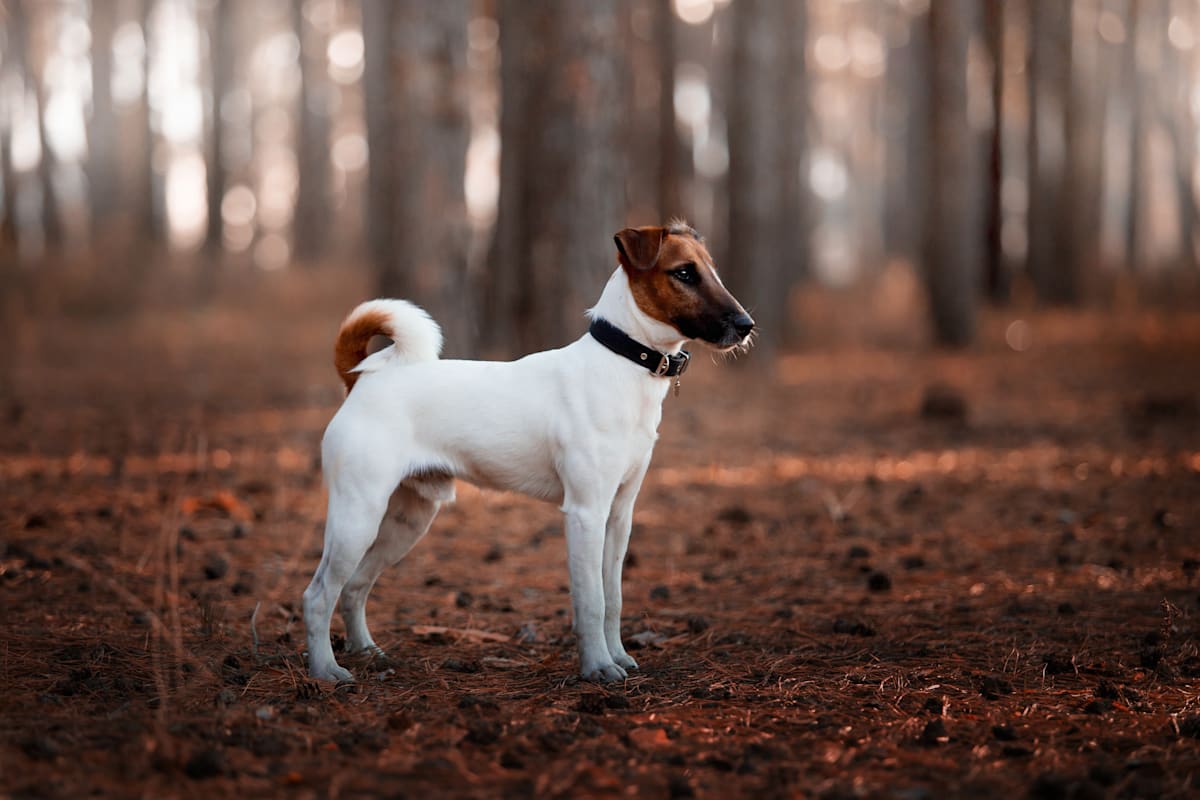
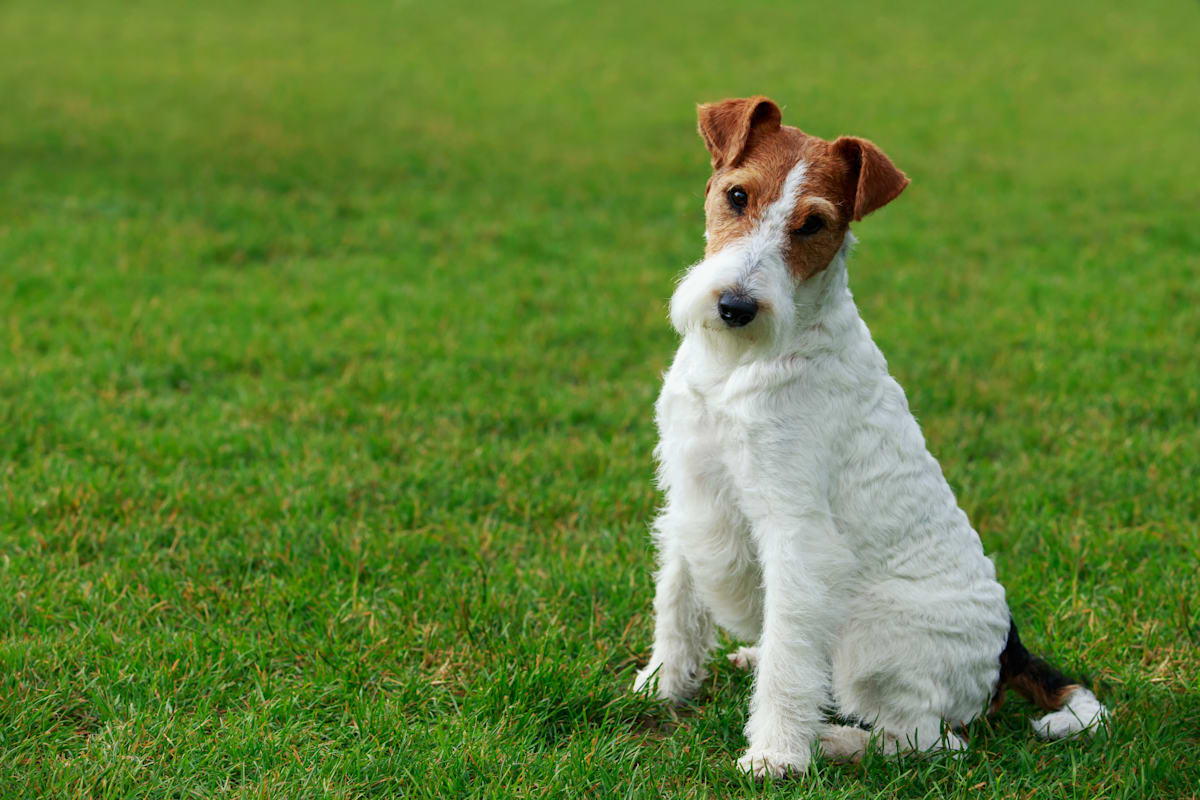
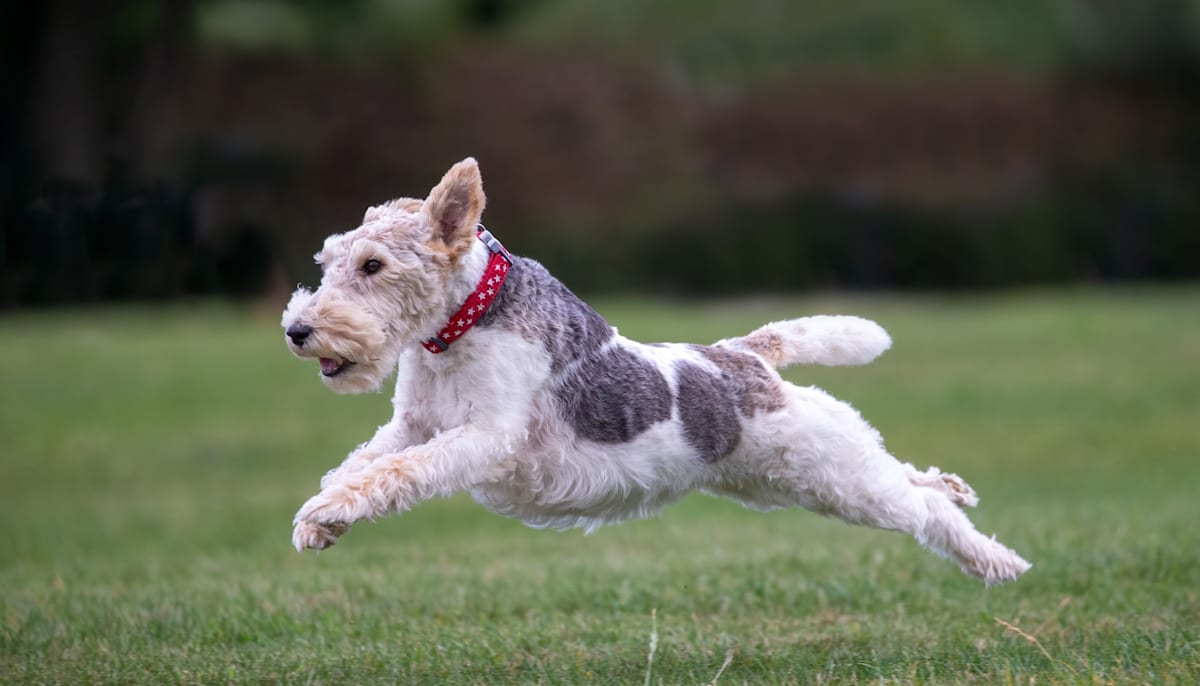
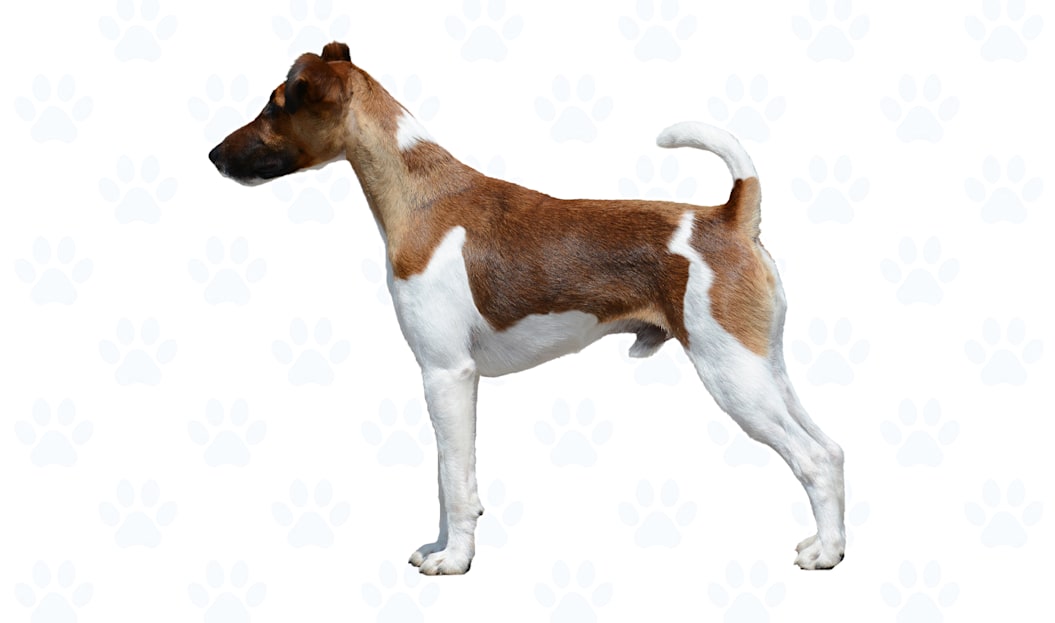
“Smooth and Wire Fox Terriers are exactly the same, with the exception of their coats,” says Dr. Jerry Klein, chief veterinary officer of the American Kennel Club. The Smooth Fox Terrier has a flat coat that is normally white with marks of black, tan or black and tan. Their smooth, dense coats shed an average amount. The Wire Fox Terrier has a predominantly white coat that is rough and wiry.

Size & Weight

The typical Fox Terrier weighs between 15 and 19 pounds and stands about 15 inches tall at the shoulder.

Full Grown
Female 15 in. / 15 lbs.
Male 15 in. / 19 lbs.

Height is measured up to the shoulders.

Female Size Chart
Height Figure
Male Size Chart
6 ft. 4 ft. 2 ft.

Cost of Owning

On average, owning a middle-aged Fox Terrier costs around $1000 per year
$300
Vet Care
$200
Grooming & Boarding
$200
Others
$300
Food & Treats

Characteristics

Size

The typical Fox Terrier stands about 15 inches tall at the shoulder.

Tiny
Jumbo

Weight

A smaller breed, Fox Terriers generally weigh between 15 and 19 pounds.

Light
Heavy

Living space

Although small in size, this breed has a lot of energy, and they do better when they have plenty of room to run and play, especially when they are young.

City apartment
Ranch

Exercise

The Fox Terrier is a ball of energy and requires vigorous exercise for at least 30 to 45 minutes a day to stay out of trouble.

Couch potato
Bring it on!

Personality

Fox Terriers are tireless, scrappy dogs with all the self confidence in the world. They are loyal to a fault and love spending time with their families.

Antisocial
Outgoing

Protection

A Fox Terrier will likely sound the alarm at anything approaching your home and can make an attentive watchdog.

None
Bodyguard

Behavior with kids

Feisty but sweet, fun and full of energy, your kids will tire of playing before your Fox Terrier does. These dogs should be watched with young kids, though, since they can resort to rough-and-tumble play.

Always monitor
Babysitter

Training

The Fox Terrier is a very smart and loyal breed, which means they take to training very well. They can, however, be difficult to house train.

Headstrong
Obedient

Shedding

Smooth Fox Terriers have dense coats that shed an average amount, while the wiry, dense coat of the Wire Fox Terrier sheds less.

Minimal
Abundant

Climate

Although they can handle it for short periods of time, the Fox Terrier shouldn’t be kept in the cold for too long.

Warm
Cold

Barking

When left without the proper entertainment and exercise, the Fox Terrier can be particularly noisy.

Mute
Loud

Temperament & Behavior

Fox Terriers are independent, fun-loving, curious and energetic dogs that require daily exercise and mental stimulation to stay happy. They enjoy a good round of rough-and-tumble play and their loyalty and intelligence make them good candidates for training.


“Fox Terriers are a ball of energy the first few years of life, but they mellow considerably as they mature, and although still playful, they settle down to become wonderful companions,” says Klein.


Early training is important to help socialize Fox Terriers, as they tend to be quite noisy and have an interest in mischief. They also have a strong prey drive, so they should never be let off a leash or trusted around other small animals.

Barking: Understanding your dog

Fox Terriers can be noisy, especially when they aren’t mentally and physically entertained. Providing them with enough companionship and stimulation will keep them from becoming too noisy or getting into trouble.

Training

Because they are so loyal and smart, Fox Terriers can be easy to train, but they also have an independent and stubborn streak. The earlier you can start training and socializing your Fox Terrier, the better they will be. Klein’s biggest advice when it comes to training a Fox Terrier is to start early and be consistent.

Habits and Exercise

Although small in size, Fox Terriers are bundles of energy that require daily mental and physical stimulation. They excel at agility and hunting-like activities, and 30 to 45 minutes (or more) of daily activity should keep them happy. A fenced-in yard with human interaction is ideal. Additionally, Klein says that while all Fox Terriers love people, they may not get along with strange dogs.

Energy Level

Frisky, energetic breed that is always ready for action

Energy Level

Nutrition

Regular exercise and a good diet will help ensure this breed does not become overweight. With the predisposition for obesity, it is important to ensure you discuss your diet and amount you are feeding with your veterinarian. Treats are fine but remember to ensure that the treats lie within your dogs daily caloric intake to help avoid your dog from becoming overweight.

Daily Consumption

Average daily consumption for an adult Fox Terrier is 1/2 to 1 cup.

Daily Consumption

Preventive care

Like all dogs, Fox Terriers should be examined by a veterinarian once or twice per year. These preventative visits can aid in detecting new or subtle changes before they become more significant problems. Discuss the use of regular preventative flea and tick medications, as well as heartworm prevention with a veterinarian.

Inherited health issues

Despite being a generally healthy breed, certain health conditions can occur at an increased frequency within the breed or can have a genetic association. Responsible breeders generally perform a number of screening and genetic tests in an attempt to decrease the incidence of health problems within the breed. These conditions may include, but are not limited to, the following: Myasthenia gravis, Patellar luxation, Cataracts, Generalized progressive retinal atrophy, Glaucoma, Lens luxation, Cerebellar hypoplasia, Congenital Deafness, Hereditary ataxia, Idiopathic epilepsy, Lissencephaly, Cutaneous hemangioma, Fibroma, Insulinoma and Perianal gland adenomas.

Life Span

On average, Fox Terriers live between 10 and 15 years.

Life Span

Did you know?

  • The Smooth Fox Terrier is the first breed in the Fox Terrier group to be officially recognized by England’s Kennel Club in 1875.
  • The American Fox Terrier Club was founded in 1885 and was the first specialty club to become a member of the American Kennel Club.
  • Although not as common as other breeds (Wire and Smooth Fox Terriers rank 78th and 102nd among the 155 breeds and varieties registered by the AKC), Wire Fox Terriers carry 13 Best-in-Show awards at Westminster, while the Smooth Fox Terrier has four. Combined, this makes them the winningest breed.

Coat and Grooming

The Wire Fox Terrier has a dense, wiry coat that often appears crinkled or waved, while the Smooth Fox Terrier has a smooth, hard coat. Both varieties require weekly brushing to maintain their coat health, although the Wire Fox Terrier may require a little extra care, including regular trips to the groomer, says Klein.

Coat length

Short

Coat length

Grooming

Occasional

Grooming

Shedding

Fox Terriers shed very little, but Smooth Fox Terriers do tend to shed more than Wire Fox Terriers.

History

The Fox Terrier has a long and storied history. They were traditionally bred in England in the late 18th century to chase fox. Expert hunting dogs in any terrain, these dogs have a strong prey drive and love a good chase. Smooth Fox Terriers were imported to the U.S. around 1879, with Wire Fox Terriers following a few years later. For many years, the Fox Terrier was one breed with two varieties — smooth and wire. They became recognized by the AKC as two distinct breeds in 1985.