Sporting Group
Naturally active and alert, Sporting dogs make likeable, well-rounded companions.
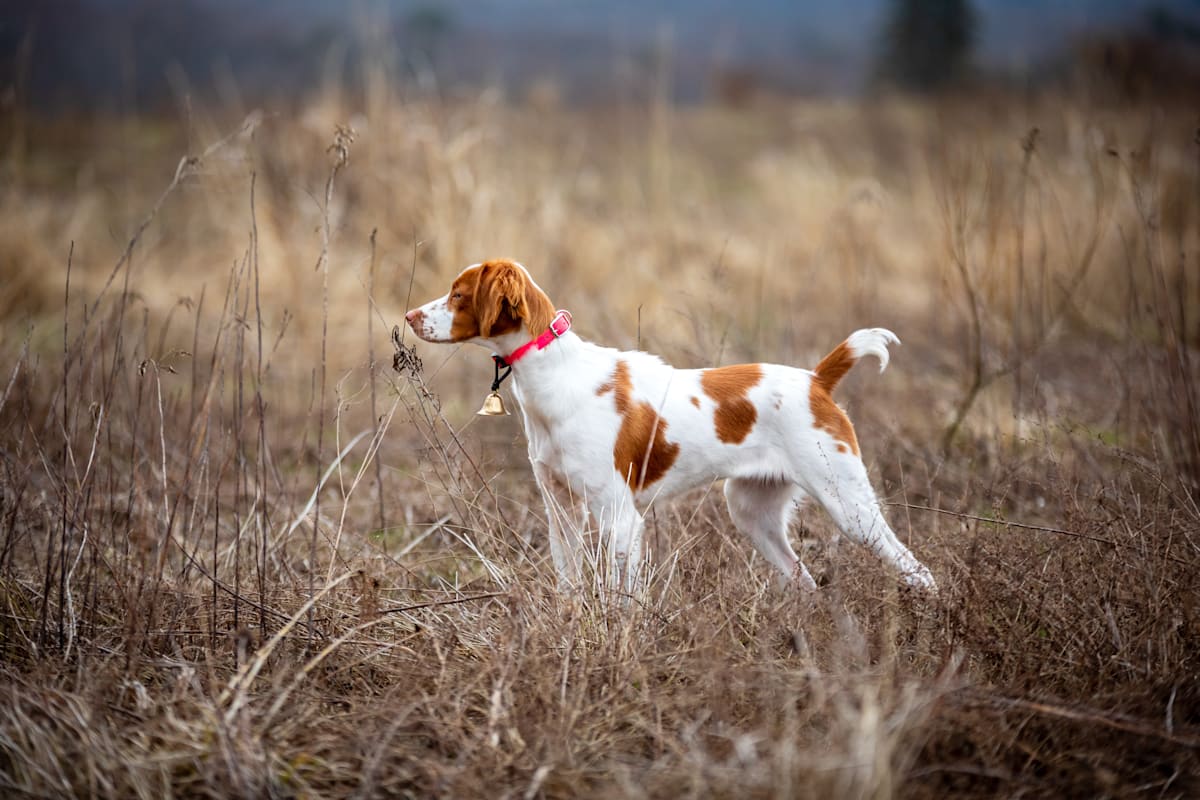
This athletic and nimble dog is a pleasure to own. Brittanys come from France, and they traditionally worked in the fields as gundogs. Brittanys can “point” and retrieve a variety of hunted animals. They have a solid body with a compact build. Most members of the breed are sweet dogs with high intelligence and an eagerness to please. Brittanys can be very sensitive, but they are loyal and loving dogs for any owner willing to develop their skills and manners.
Origin: France Other Names: Brittany Spaniel, Brittany Wiegref, Epagneul Breton, French Brittany
Naturally active and alert, Sporting dogs make likeable, well-rounded companions.
Dog breeds in the Sporting group are usually remarkable for their instincts in water and woods, and many of these breeds actively continue to participate in hunting and other field activities. Potential owners of Sporting dogs need to realize that most require regular, invigorating exercise.
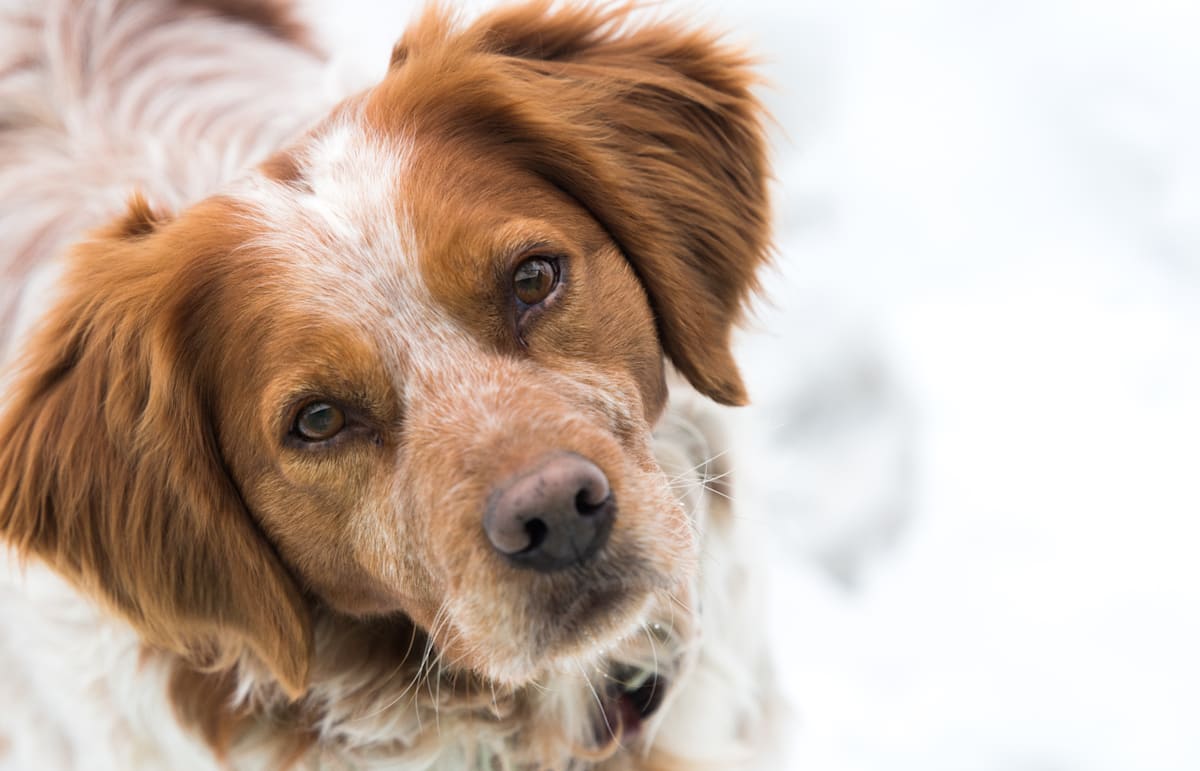
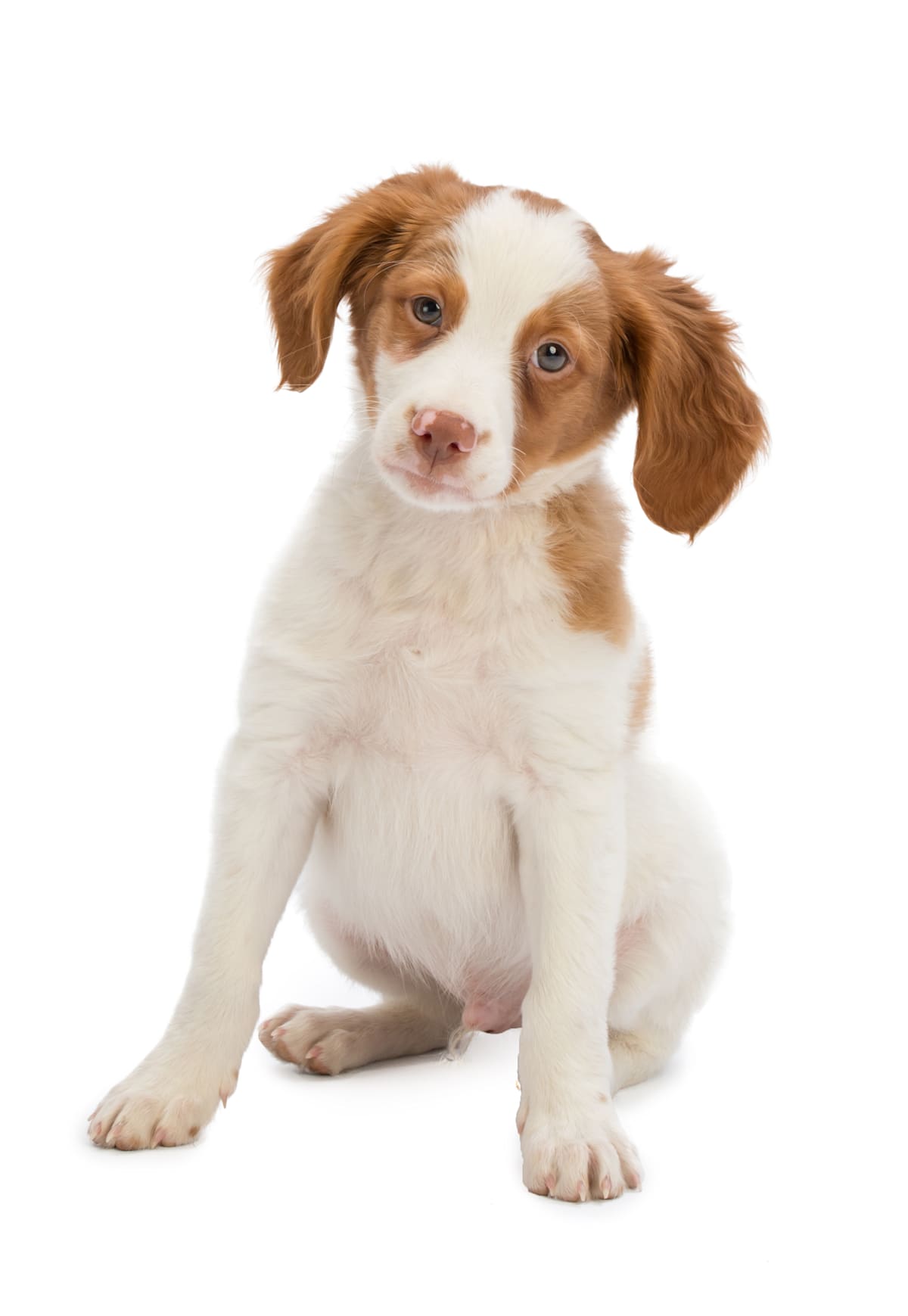
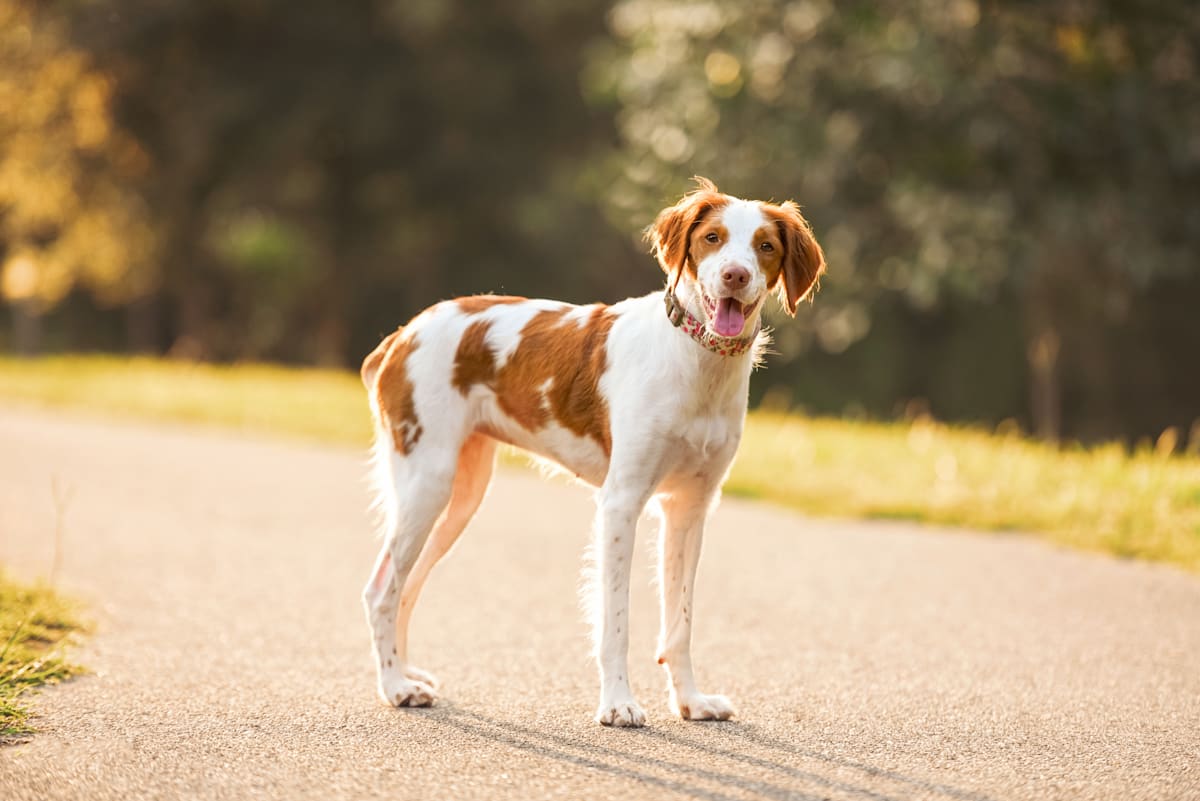
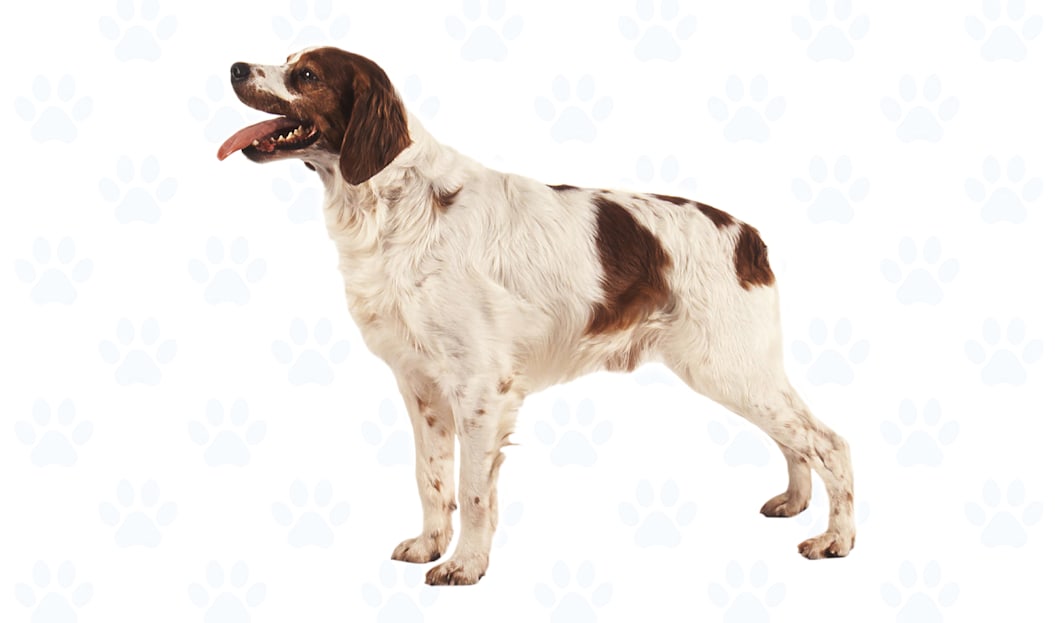
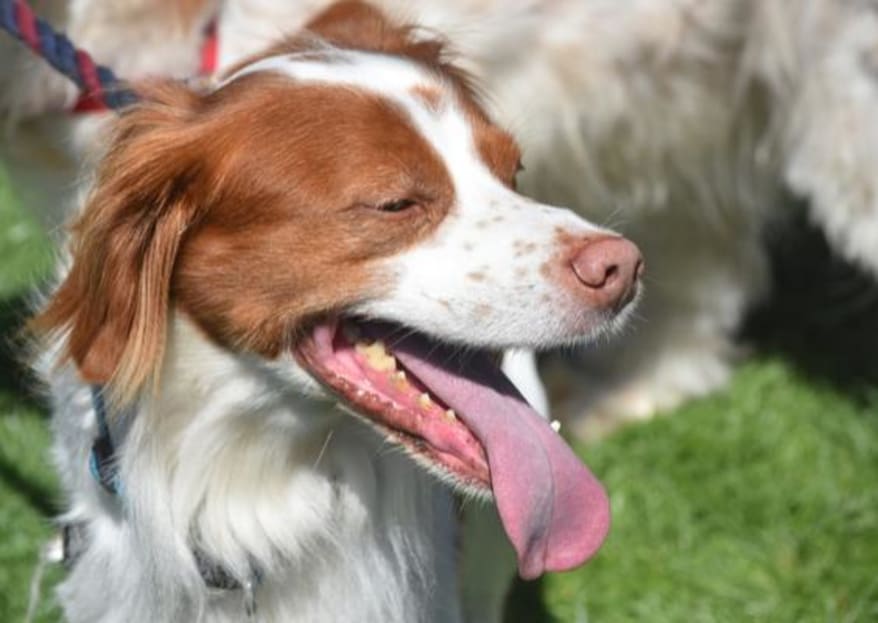
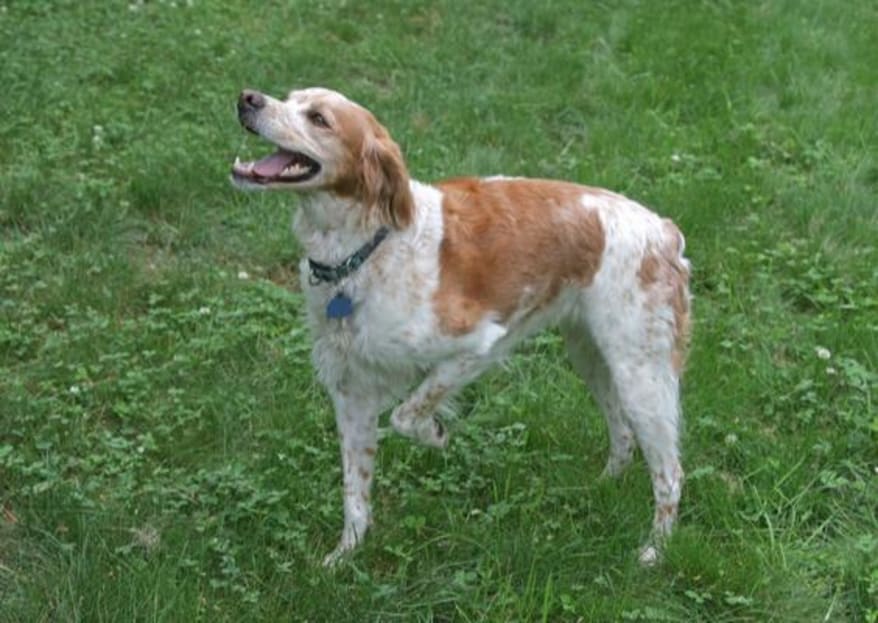
The Brittany breed is characterized by their floppy ears, short tails, and excellent physique built for hunting trips through the forest. They don’t have a heavy coat, but their fur is dense. The AKC recognizes seven coat colors in competition: liver & white, liver roan, liver white & orange, orange & white, orange roan, white & liver, and white & orange. For markings, the AKC lists three permissible standard markings: roan, spotted, and ticked.
Brittanys are powerful dogs in a medium-sized frame. They usually weight between 30 and 40 pounds with a height of 17-20 inches at the shoulder.
| Full Grown | |
|---|---|
| Female | 17 in. / 30 lbs. |
| Male | 20 in. / 40 lbs. |
Height is measured up to the shoulders.
Brittanys are medium-sized dogs, measuring 17-20 inches at the shoulder.
Brittanys are powerful dogs in a medium-sized frame. They usually weight between 30 and 40 pounds.
Since Brittanys need a lot of exercise, it’s good to give them some space at home. A big backyard is ideal for a safe play space for your new dog. Don’t relegate them to a life stuck in a small apartment.
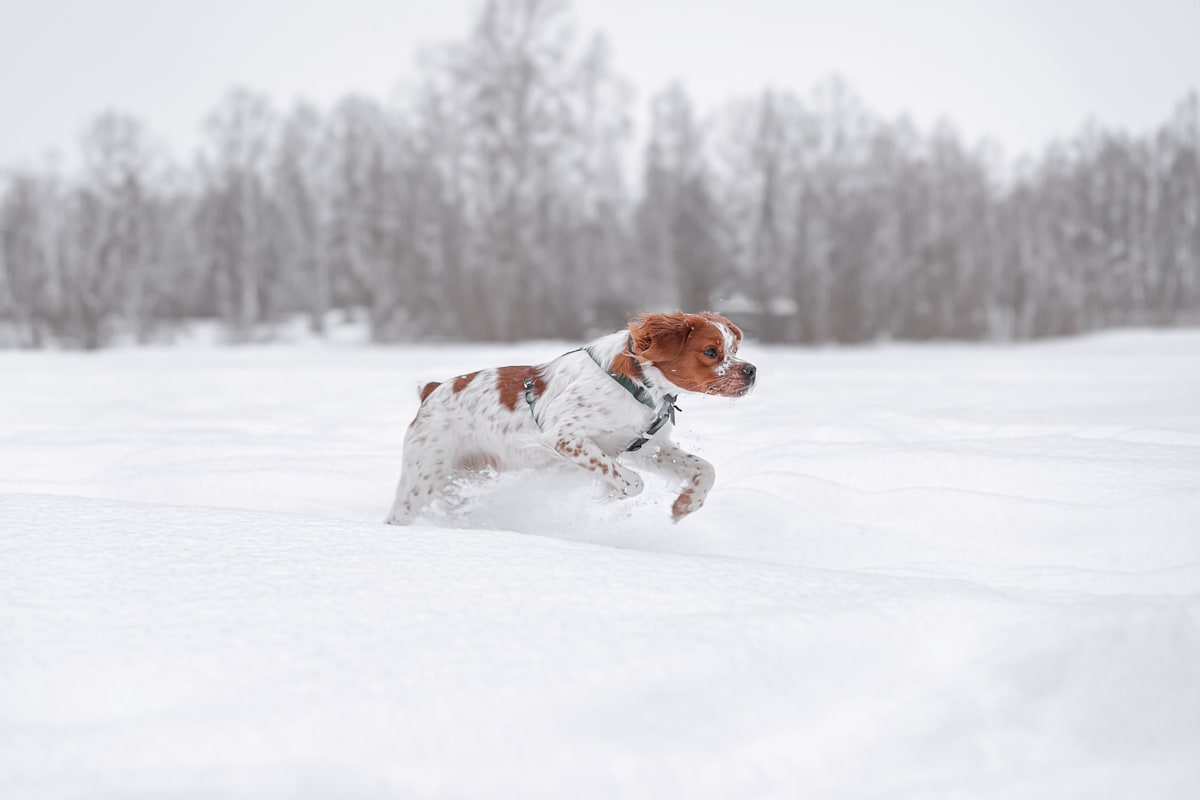
If you live an active outdoor lifestyle, this is the dog for you. Brittanys have a big gas tank when it comes to energy and stamina. Without at least 45-60 minutes of exercise each day, they often develop behavioral problems. One of the best methods to burn off their excess energy is running off leash, but you need to train them to return at your call.
Brittanys are alert and playful dogs. Eager to please, they often bond closely with their human family. If you use them for hunting, they are focused and devoted companions. Brittanys are smart and independent thinkers. They can be sensitive and emotional, so it’s best to use positive training techniques.
This breed doesn’t make a very good guard dog. Brittanys are very tolerant and playful with strangers. This is an all-around friendly dog with a big, sensitive heart.

Brittanys are perfect dogs for families with children. They are generous and playful companions with an abundance of patience for the little ones. Always supervise new additions to playtime, and make sure everyone knows the right way to handle a dog. Don’t be afraid to show young children how to approach and pet a Brittany.
Brittanys are easy to train if you know the right tactics. Harsh correction and negative reinforcement techniques are not a good idea. This dog is a sensitive and perceptive one – rely on positive training methods and lots of love instead.
Brittanys aren’t known for their excessive shedding, but any long-haired dog will produce some stray hairs for you to clean. Invest in good tools and use your grooming sessions to bond with your dog. Regular brushing will help to reduce the potential for loose hairs.
Although a Brittany will stand up to long, cold days in the fields, they generally prefer a temperate climate. Britannys don’t like to sleep outside – a spot by the fire is much better. They tend to do better in cold weather than hot, but any extreme temperatures will take a toll on a Brittany eventually. Always keep an eye on your dog for signs of distress over long periods of exposure.
While they aren’t known to be loud dogs, Brittanys will sound the alarm when something piques their interest. If a Brittany is howling all night, it’s probably a sign of distress or anxiety that warrants veterinary attention.


Brittanys are strong and agile dogs with a historic role as bird dogs. They can point, retrieve, and track animals with ease. At home, they are loving and gentle companions with a friendly and happy disposition. Brittanys need lots of exercise and attention – the breed suffers from separation anxiety if left alone all day. If you can’t devote at least an hour per day to exercise your Brittany, it’s worth hiring some help from a dog walker to make sure your dog is happy and healthy. Generally, the breed is friendly, alert, and easy to train.
Brittanys are not big barkers, but they will quickly raise the alarm if they sense something is wrong. Sometimes, a Brittany will bark out of excitement, but this is not common. Overall, the Brittany is a polite and well-manned breed. Howling or excessive barking is likely a sign of a problem rather than a common feature of the breed.
Since they are such sensitive dogs, it’s important to understand your Brittany before you dive into training head-first. One of the key things to remember is that you are dealing with an overly sensitive breed. The Brittany is very smart and perceptive, and they don’t take well to harsh or negative training. Be firm, but focus on the positives and offer your loving support during the training process.
When it comes to exercise, your Brittany is a willing partner no matter how far you want to go. They love to run free, so it’s a good idea to focus on return call and obedience early in life. Proper socialization is another key for young Brittanys. It’s always a good idea to expose them to a wide variety of places, people, and situations to instill confidence and proper manners. If you aren’t sure how to properly train your Brittany, read on for some tips specific to the breed.
Frisky, energetic breed that is always ready for action
As an active breed, Brittanys require portion-controlled meals of a high quality balanced diet to maintain their energy requirements. Brittanys can become overweight if they are not sufficiently exercised or are overfed, so avoid offering too many treats or table scraps regardless of their pleading eyes.
Average daily consumption for an adult Brittany is 1-2 cups
Keeping your Brittany active is beneficial for their overall physical and mental health. A high level of activity will help to maintain a healthy and lean body weight. Feeding carefully portioned meals and avoiding treats or table scraps in excess will also help to keep your dog in tip-top shape.
Even if your Brittany appears to be healthy at home, this is no reason to skip regular veterinary visits. Your veterinarian has extensive training to pick up on subtle changes, which can pick up on problems earlier, allowing for prompt treatment. This can be beneficial both for your Brittany and often for your wallet as well.
Several health conditions occur in Brittanys either at an increased frequency in the breed or as a result of genetics. Responsible breeders perform screening tests on their breeding animals in an attempt to decrease the incidence of these conditions in their puppies. These may include but are not limited to the following: histoplasmosis, spinal muscular atrophy, retinal dysplasia, hip dysplasia and sudden acquired retinal degeneration.
On average, Brittanys live to be about 12-14 years old.
The Brittany is fairly low maintenance in terms of grooming and coat care. They don’t have a heavy coat, but it’s still a good idea to give them a good brushing on a regular schedule. Daily grooming is probably overkill, but don’t let it go longer than a week between brushings. Bathing and shampooing is only required when you really start to notice the smell!
Long
Occasional
Brittanys will shed a moderate amount, so it’s crucial to spend time on grooming tasks to minimize the impact on your home. Regular brushing and bathing will contain some of the stray hairs, and a good shampoo will ensure a healthy coat. Start regular grooming when your Brittany is still a puppy both to help acclimate your puppy to the handling required with grooming and to build a bond with your new dog.
The earliest records of Brittanys came in the form of paintings and woven tapestries from the 1600s. Small liver and white dogs featured prominently in many works. The modern incarnation of the Brittany breed came in the 1800s in Brittany, France. Two hunters, one French and one English, bred their two favorite hunting dogs to create the forefather of the Brittany line. As dog shows grew in popularity into the 1900s, the Brittany often found success in competition. The first breed recognition came in France in 1908.
The Brittany came to America in 1931 and became an instant hit with dog owners. The breed won recognition with the AKC in 1934. Shortly after, the American Brittany Club formed in 1942 with a new American standard based largely on the French Brittany of the day.