















History
Origin: Belgium
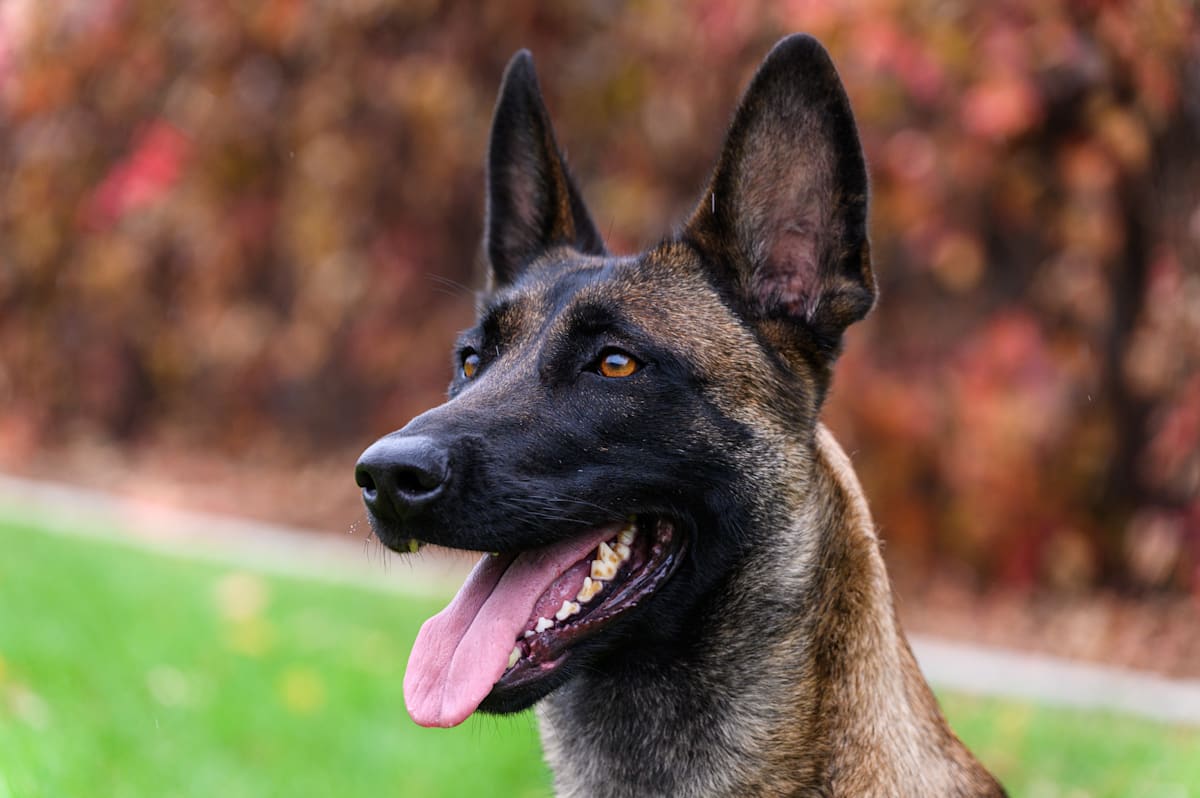
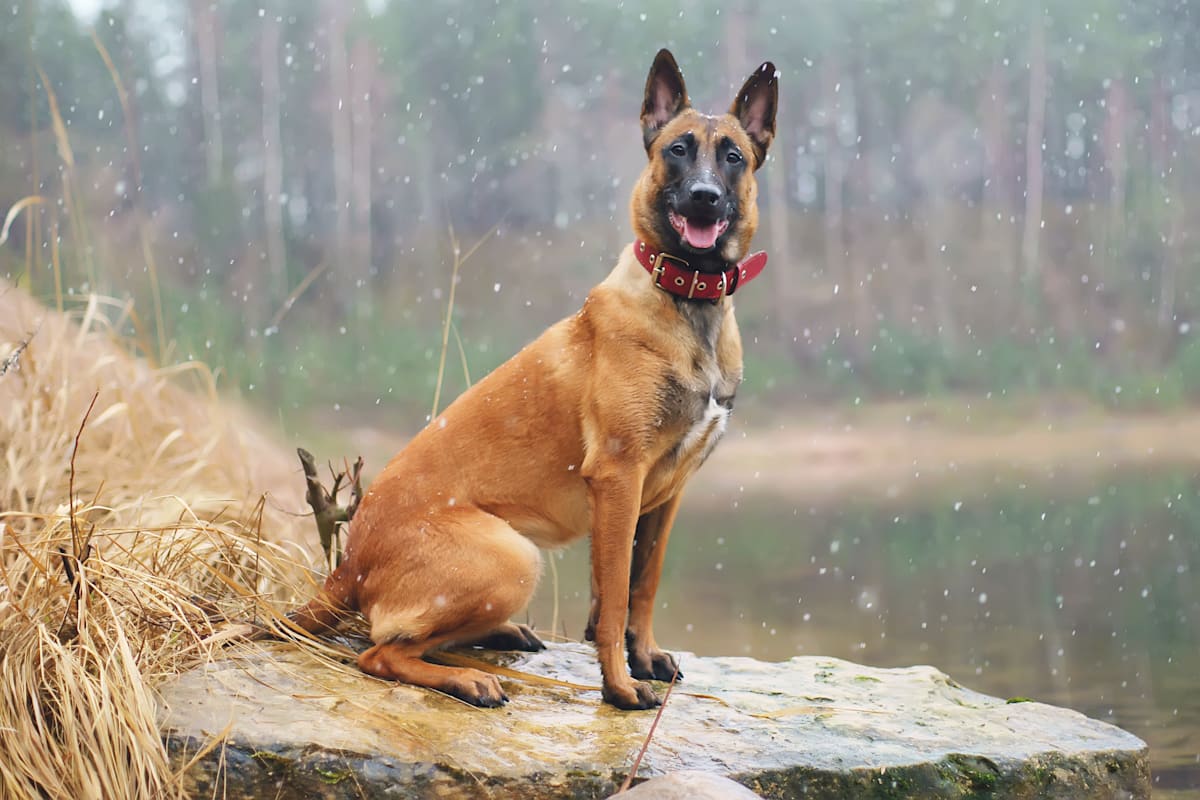
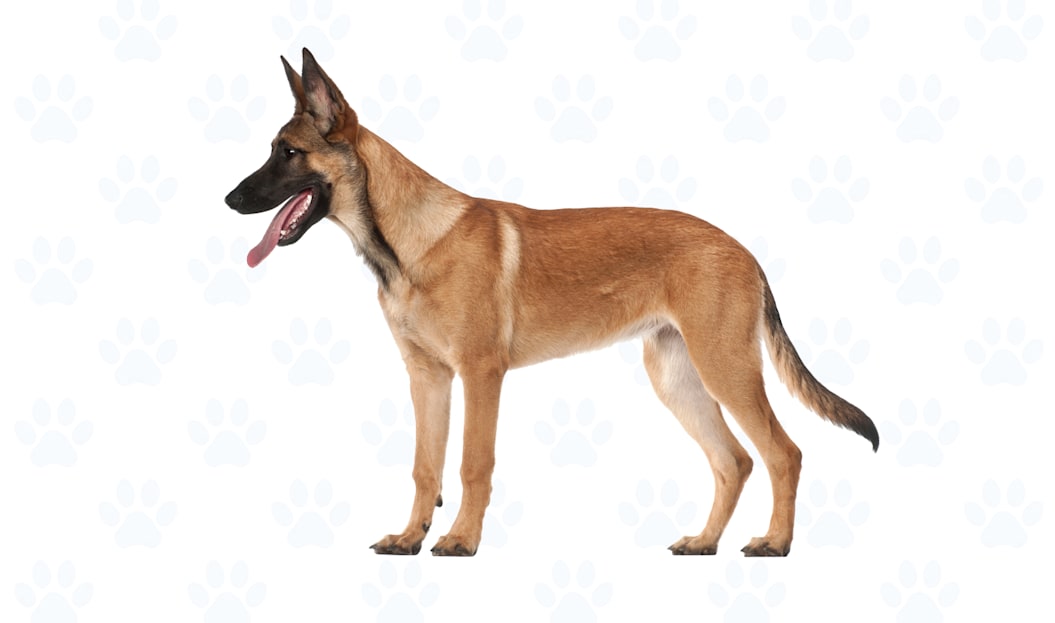
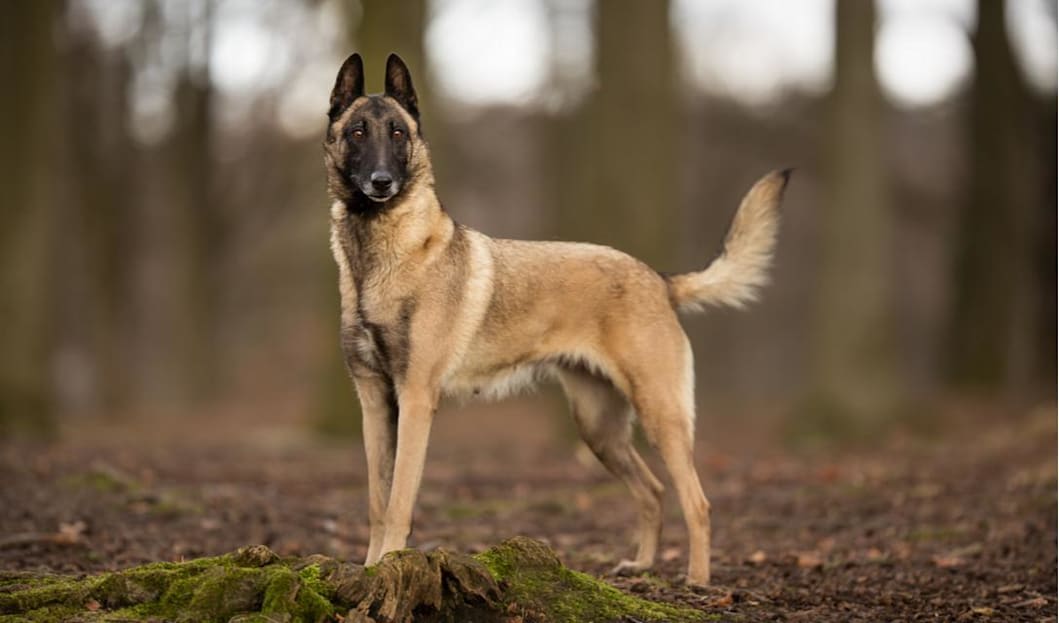
The modern Belgian sheepdogs came from a selective breeding program during the early 1800s. Belgian herders needed dogs with stamina and obedience to help them with their flocks and herds. The Belgian Malinois is one of four original Belgian herders, joined by the Laekenois, Tervuren, and Groenendael breeds. Each breed takes its name from the home region in Belgium – the Belgian Malinois comes from a city called Malines. The various Belgian herders were often grouped simply as “Belgian sheepdogs” until the twentieth century. In 1901, the Malinois finally won its distinct status at the Belgian Kennel Club (Societe Royale Saint-Hubert).
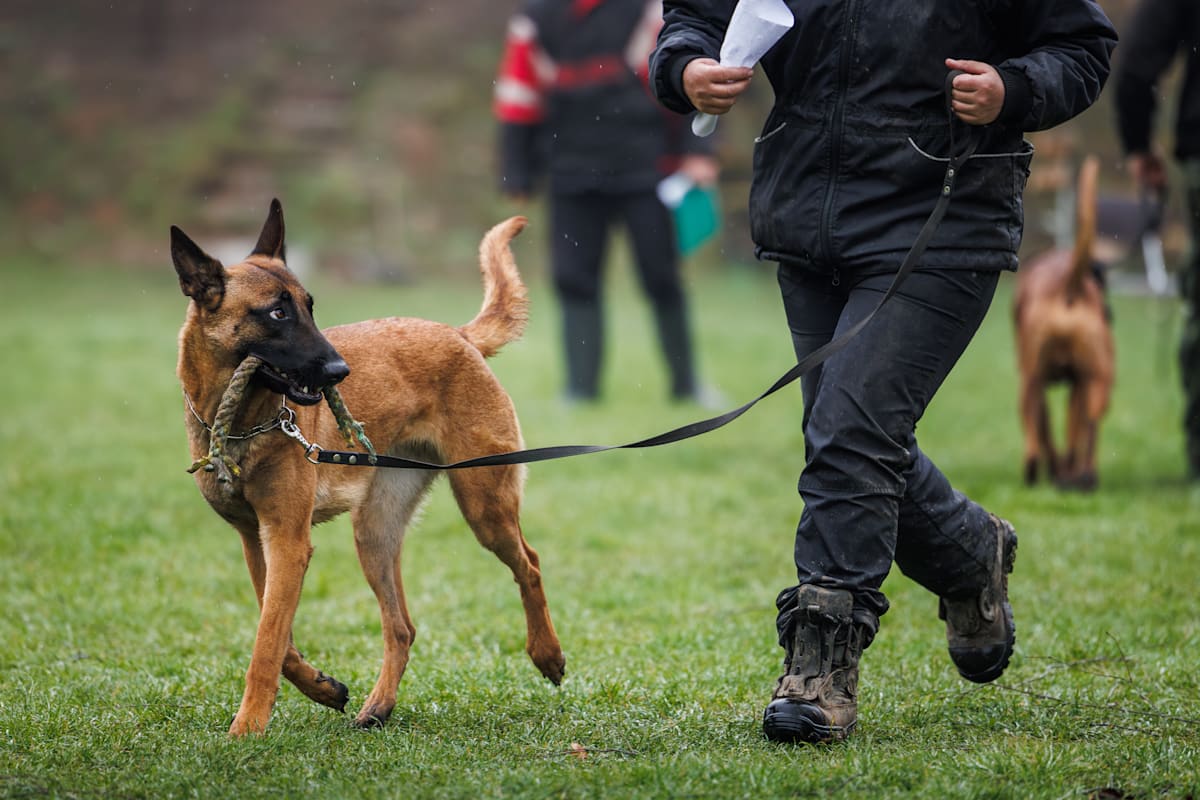
The breed found popularity in the United States after the First World War. It was one of the top five breeds in the country during the 1920s. The first club started in 1924, and the AKC recognized the breed (as “Belgian Sheepdog”) in 1924. The Great Depression took a toll on the breeds’ numbers, and the original Club was deregistered due to lack of interest. It wasn’t until 1949 that another Belgian Sheepdog Club started in the US. A Malinois-specific club didn’t appear until much later in 1992. Today, the breed ranks near the bottom of the top 100 most popular breeds in America. They find lots of work as police dogs, bomb/drug sniffers, and military dogs.