


Related Articles


Bearded Dragon Poop: Healthy Signs, What to Look For & Vet Advice
Published on May 21st, 2024
Updated on October 15th, 2025


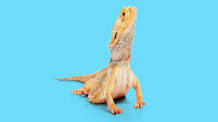
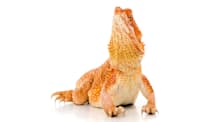
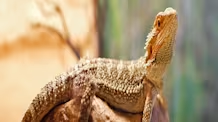
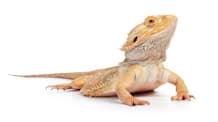
Pogonas—also known as bearded dragons—can make excellent pets. They are commonly called bearded dragons because the underside of their throat looks like a beard when it’s puffed out. Like most small to midsize lizards, they love to gorge on insects like crickets and vegetation like watercress, kale, endive and bell peppers. And because they eat, bearded dragons poop.
Unlike people and other pets, these interesting reptiles can produce different kinds of waste, which can reveal a lot about their health and help determine if they need any changes to their diet.
What Does Healthy Bearded Dragon Poop Look Like?
Normal bearded dragon poop will typically be brown and white, which indicates that your pet is generally in good health.
- Brown = actual feces
- White = uric acid (solid form of urine)
Uric acid should be soft with little to no foul smell. Producing solid urine helps bearded dragons retain water while still getting rid of toxic nitrogenous waste. If uric acid builds up, it can cause painful inflammation or gout, which can be fatal if untreated.
How Often Do Bearded Dragons Poop?
Adult bearded dragons should poop around once a week, though some may go more frequently. Frequency can depend on:
- Diet
- Age
- Hydration
- Stress
- General health
Young or growing dragons on insect-rich diets may poop several times a week. Fully grown beardies, who consume more vegetable-based diets, tend to poop less often.
Abnormal Bearded Dragon Poop: What to Look Out For
Monitoring your pet’s waste isn’t glamorous, but it’s one of the best ways to track their health. Bearded dragons may exhibit several types of abnormal poop that could signal health concerns.
1. Runny Poop
Runny (watery or poorly formed) poop may be caused by:
- Stress
- Overhydration
- Illness or parasites
2. Green Poop
Often caused by:
- Green pellets
- Leafy greens
If your dragon is healthy and eats green veggies or pellets, green poop is not concerning. But if they haven't consumed green food recently, consult your vet.
3. Yellow Poop
May indicate:
- Liver problems
- Dehydration
- Consumption of yellow/orange veggies (e.g., squash, peppers, sweet potato)
If yellow poop persists without a dietary explanation, increase hydration and contact your veterinarian.
4. Red or Bloody Poop
Can result from:
- Red vegetables like beets or red peppers
- More serious issues like gastrointestinal bleeding, parasites, or swallowed foreign objects
One instance of bloody poop might not be serious, but repeated episodes require veterinary attention.
5. All-White Poop
May signal:
- Dehydration
- Lack of uric acid balance
If all-white poop appears repeatedly, try:
- 15-minute warm baths for hydration
- Ensuring access to drinking water
Persistent issues should be addressed by a vet.
Encouraging a Bearded Dragon to Poop
Even with a healthy diet, bearded dragons can sometimes go several days without pooping. If it’s been more than a week, especially with signs like lethargy or lack of appetite, they may be constipated.
Try these gentle methods:
- Warm bath soak: Helps them absorb water and stimulates movement
- Belly massage: Gently rub downward while bathing
- Hydration: Ensure access to clean water
If these don't help, contact your vet for next steps.
Quick Reference: Bearded Dragon Poop Colors and Meanings
| Color/Type | Possible Cause |
|---|---|
| Brown & White | Normal, healthy |
| Runny | Stress, illness, parasites |
| Green | Diet (pellets or greens) |
| Yellow | Liver issues, dehydration, diet |
| Red/Bloody | Diet or serious GI issue (infection, injury, parasites) |
All White |
Dehydration |
Final Thoughts on Monitoring Bearded Dragon Poop
Healthy fecal material is brown with a small amount of white, but bearded dragon poop can appear in several forms. If you notice:
- Frequent changes in color or consistency
- Unusual smells or lethargy
- Repeated abnormalities (e.g., blood, all-white, runny)
…it’s best to consult your veterinarian.
Observing your bearded dragon’s droppings regularly can help you spot health issues early and ensure your pet stays happy, hydrated and healthy.

Book an appointment with the pros – our expert vets are here to help.
