Two Easy Ways to Start Earning Rewards!
Become a member today! Members-only pricing and offers, personalized care notifications, Vital Care points back on every purchase and more!
 Become a credit card member today!
Earn 2X Pals Rewards points at Petco
when you use Petco Pay!APPLY NOWLearn More About Petco Pay Benefits
Related Articles


Brumation vs Hibernation in Reptiles
Updated on March 24th, 2026


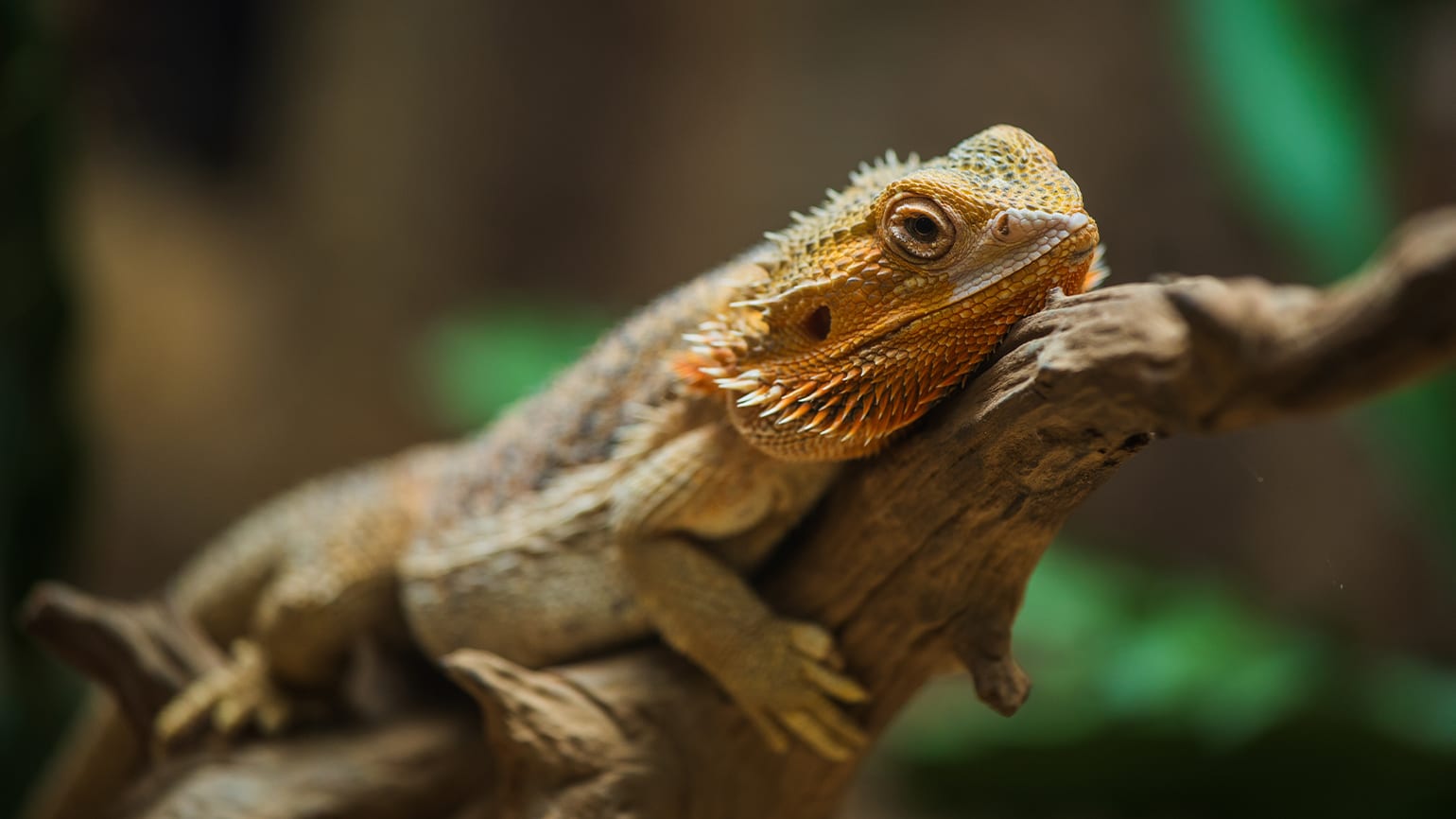
Brumation is a natural seasonal state experienced by many reptiles where their bodies slow down in response to cooler temperatures and shorter days. This vital biological function allows reptiles to conserve energy when food is scarce or environmental conditions are unfavorable.
Unlike illness or stress, brumation is an instinctive process tied to a reptile’s evolutionary history. Species such as leopard geckos, turtles, tortoises, some snakes, and bearded dragons all experience brumation in their natural environments. In captivity, this behavior may still occur depending on lighting, temperature and internal rhythms but is typically not seen when the habitat is maintained at consistent parameters with appropriate wellness supplies for the species. Any sudden changes in activity or eating should be discussed with your reptile veterinarian.
What is brumation in reptiles?
Brumation is best described as the reptile version of winter dormancy. Rather than entering a deep, uninterrupted sleep, reptiles experience a seasonal slowdown. Their metabolism drops, activity decreases and their appetite may disappear entirely for days, weeks or even months depending on the species and their habitat condition.
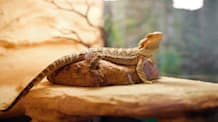
Think of brumation as pressing a biological pause button. A brumating bearded dragon might sleep most of the day but occasionally wake to drink water. Leopard geckos may remain hidden and refuse food while still responding to gentle movement. Red-eared sliders often rest quietly in cooler water and box turtles may burrow into substrate or soil.
Why do reptiles brumate in nature?
In nature, brumation is a survival strategy. As temperatures drop and food becomes harder to find, reptiles conserve energy by slowing their bodily functions. Because reptiles are ectothermic and rely on external heat sources, colder weather directly affects their metabolism.
Bearded dragons in Australia, leopard geckos in rocky grasslands, and many tortoises and turtles all experience seasonal cooling in their native habitats. Brumation allows them to survive long periods with little or no food while avoiding exposure to harsh conditions.
Not all reptiles brumate. Tropical species who live in warm, stable climates often lack the environmental cues that trigger dormancy. Some snakes and geckos from equatorial regions remain active year-round.
Does Brumation happen in captivity?
Pet reptiles kept indoors typically do not brumate since their habitats should be kept consistent throughout the year, despite external temperature fluctuations. Drops in room temperature, reduced daylight hours and outdoor housing can all trigger brumation behaviors in some species.
Consistency plays a major role. Reptiles housed in brightly lit, properly maintained warm enclosures year-round are less likely to brumate. Proper lighting timers, thermostats and habitat supplies from Petco help pet parents control conditions and prevent accidental or unsafe brumation.
If you have any questions or concerns about your pet's health or brumation status, contact your local veterinarian for support.
What happens to reptiles during brumation?
During brumation, reptiles undergo noticeable physiological changes; these changes are normal when brumation is healthy and properly supported.
Their metabolism slows dramatically and body temperature drops to match their environment
Movement becomes minimal and energy use decreases
Most reptiles eat very little or stop eating entirely
Beardies often become less active and retreat to dark hides
Box turtles may dig into soil or substrate
Aquatic turtles frequently settle at the bottom of cool water and remain still for long periods
Do reptiles eliminate during brumation?
Everybody poops, but it’s natural to wonder if brumating reptiles take a break from this bodily function. Yes, reptiles can eliminate during brumation, but it is infrequent or minimal and depends on the species and individual animal.
During brumation, a reptile’s metabolism slows dramatically. Because they are eating little or nothing, there is very little waste to pass. Most reptiles will:
Stop producing feces once the digestive tract is empty
Urinate only occasionally or pass very small amounts of urates
Eliminate far less often than during active monthsFor many reptiles, no elimination at all for weeks is normal during brumation.
Species-specific examples
Bearded dragons: Often pass a final bowel movement early in brumation, then may not eliminate again until they become active
Leopard geckos: May pass small urates occasionally but rarely produce feces
Turtles and tortoises: Elimination slows greatly; aquatic turtles may release small amounts of waste in water
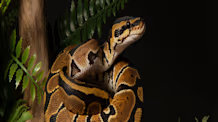
Snakes: Typically do not eliminate during true brumation once their gut is empty
Why gut emptying matters
It is important that reptiles do not enter brumation with food in their system. Digestion requires heat and activity. Undigested food can rot in the gut and cause serious infections. This is why it is important to maintain proper husbandry year-round for pet reptiles.
When elimination is a concern
Elimination during brumation or any other time may be a red flag if you notice:
Diarrhea
Strong foul odors
Blood or mucus
Weight loss alongside frequent urates
These signs may indicate illness rather than normal brumation and warrant a veterinary visit.
When and why does brumation occur?
Several environmental conditions induce brumation.
Temperature drops
Cooler temperatures are one of the strongest triggers for brumation. In temperate species, falling temperatures signal the body to slow down. In captivity, consistent heating and basking lamps typically prevent this response entirely.
Reduced daylight and seasonal cycles
Shorter days and reduced light exposure strongly influence brumation. Natural photoperiod shifts tell reptiles in natural environments that winter is approaching. Artificial lighting that remains unchanged year-round often suppresses these cues.
Nutritional and instinctual factors
Some reptiles follow internal seasonal rhythms regardless of external conditions. Healthy, well-fed reptiles in their natural environment are more likely to brumate successfully than undernourished or stressed animals.
Brumation vs. hibernation: key differences
Understanding brumation vs. hibernation helps clarify why reptiles behave differently than mammals during seasonal dormancy.
Core biological differences
Reptiles are ectothermic, meaning their body temperature depends on the environment. Mammals are endothermic and generate their own heat. Because of this, reptiles never enter the same deep, uninterrupted sleep seen in hibernating mammals. They may wake periodically, reposition or drink water during brumation.
Side-by-side comparison chart
Feature
|
Brumation (Reptiles)
|
Hibernation (Mammals)
|
Body type
|
Cold-blooded
|
Warm-blooded
|
Wakefulness
|
May wake periodically
|
Continuous deep sleep
|
Metabolic change
|
Severe slowdown
|
Controlled reduction
|
Food needs
|
Empty stomach before dormancy
|
Stored fat reserves
|
Typical species
|
Beardies, tortoises, geckos
|
Bears, groundhogs
|
Do reptiles sleep during brumation?
Brumation is not constant sleep. Many reptiles wake occasionally to hydrate or shift position. Bearded dragons may briefly emerge to drink. Aquatic turtles may move within their resting area. This intermittent awareness is normal and healthy.
Do red-eared sliders brumate? What is it and what should I do?

My tortoise ate before brumation. Is it safe? What to monitor?
My bearded dragon is hiding. Is it brumation or egg-bound?
My Russian tortoise is brumating. How do I stop her from hibernating?
My tortoise wants to hibernate. Is it safe or should I keep him awake?
Is it safe to keep my pet turtle in a blanket for winter hibernation?
My bearded dragon is stiff and not eating. Is it dead or brumating?
Is it safe to hibernate my tortoise if she's underweight this year?
My power is out! How do I keep my pet reptile warm and safe?