Related Articles


Jumping Spider Care Sheet
Published on October 9th, 2025
Updated on October 16th, 2025

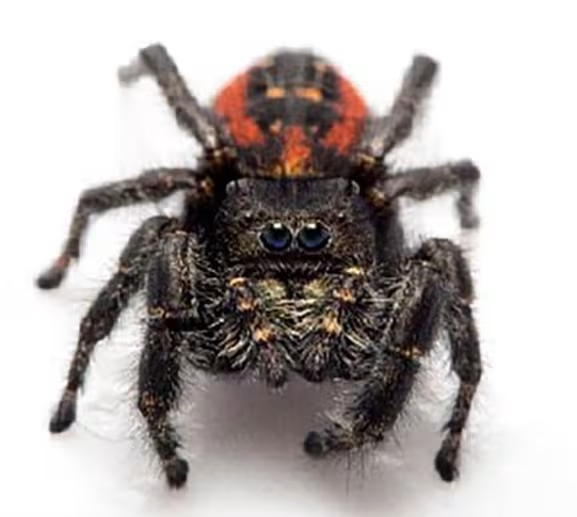
This care sheet covers a variety of jumping spider species, including:
Phidippus apacheanus
Phidippus audax
Phidippus bidentatus
Phidippus johnsoni
Phidippus putnami
Phidippus regius
Overview
Typical Appearance & Behavior
Jumping spiders have compact, robust bodies with powerful legs and large, forward-facing eyes
Jumping spiders have excellent daytime vision. They can see UV, blue, green and red spectrums
They are curious, active hunters who stalk prey and leap with precision
Jumping spiders use their silk mainly for building hammocks and safety lines, not for catching prey
Jumping spiders look like they are waving. They wave by moving their legs and pedipalps for sensing their surroundings, courtship and identifying a threat
Temperament
Jumping spiders are generally docile. Bites are rare and comparable to a bee sting
These spiders can be very timid and are more likely to flee or jump away if startled
With time, some jumping spiders may enjoy interacting with their pet parents
Characteristics
Care Difficulty
|
Beginner
|
Average Life Span
|
Depending on the species and with proper care: Up to 2+ years |
Average Adult Size
|
0.24–0.86 in. long, depending on sex and species
|
Diet
|
Carnivorous/insectivorous
|
Minimum Habitat Size
|
2.5 gallons for an adult
|
Habitat
Habitat Size
An appropriately sized and shaped habitat at least three times their leg-span long and two times their leg-span wide is required to accommodate normal behavior and exercise.
Building Your Habitat
Decor: Provide climbing structures (silk-safe plants, climbing decorations and a hideaway). Secure with magnets or food-safe adhesives. If any materials are sourced from an outdoor space, ensure they have never been sprayed with chemicals as they can be toxic to your pet
Substrate: Coconut fiber, moss, sand or soil mix to retain some moisture. Avoid gravel and artificial turf
Temperature: 72 to 80°F (22 to 26°C) preferred. Can survive room temps but may thrive better slightly warmer
Lighting: Bright indirect light or LED daylight cycle (~12 hours). Avoid heat lamps and direct sunlight
Humidity: 50 to 70%, mist enclosure lightly once daily. Droplets should dry within 1 to 2 hours. Avoid stagnant high humidity to help prevent mold
Cleaning Your Habitat
Spot clean weekly (remove prey remains, droppings)
Try not to disturb the web hammocks created
Replace substrate as needed, typically monthly
Thoroughly clean and disinfect the enclosure between re-setups
What Do Jumping Spiders Eat?
A well-balanced jumping spider diet consists of:
Spiderlings (1st to 3rd instar): D. melanogaster fruit flies
Juveniles (4th to 6th instar): D. hydei fruit flies, small flies
Adults: Houseflies, blue bottle flies, small crickets, mealworms, waxworms
Jumping spiders do not require a vitamin or calcium supplement, but it can be beneficial to provide their food with a vitamin supplement to gut load prior to feeding
Feeding frequency:
Spiderlings: 2 to 3 fruit flies daily
Juveniles: Feed every 3 to 5 days; amounts will depend on size of insect offered
Adults: Feed every 5 to 10 days; amounts will depend on size of insect offered
Water:
No bowls; provide fine mist spray for drinking droplets
Things to remember when feeding your jumping spider:
Prey should be smaller than or equal to spider’s body length
Remove uneaten prey within an hour; flies are safer to leave than crickets
Avoid overfeeding as this can cause an engorged abdomen and molting risks
Care & Handling
Handle with caution; their fragile abdomen can rupture if dropped
Use a soft brush or allow spider to climb voluntarily
Always have a “catch cup” nearby
Avoid handling during pre-molt or right after molting
Molting & Growth
Jumping spiders molt roughly 8 times before maturity
Spiders may seal themselves in a hammock for days or weeks; do not disturb
Ensure hydration and stable humidity to prevent mismolts
Adult jumping spiders do not molt again after maturity
Health
Signs of a Healthy Jumping Spider
Active, alert, exploring during the day
Rounded, plump abdomen
Feeding regularly
Builds hammocks/webbing
Red Flags
Shrunken or shriveled abdomen
Refusal to eat outside of pre-molt
Uncoordinated or jerky movements
Frequent falls or staying only on the ground
Dull coloration or lethargy
Common Jumping Spider Health Issues
Health Issues
|
Symptoms or Causes
|
Suggested Actions
|
Dehydration
|
Shriveled abdomen, weakness
|
Mist enclosure, provide water droplets
|
Mismolt
|
Stuck in old molt
|
Maintain humidity, avoid disturbance during molt
|
| Falls, Injuries |
Bleeding
|
Consult your veterinarian immediately |
Bumps, blemishes, bald spots and other obvious skin abnormalities
|
May be caused by trauma, parasites, tumors
|
Consult your veterinarian immediately
|
Where to Buy
Jumping spiders are available for purchase at your local Petco location. Call ahead to check availability.
Supplies Checklist
Cricket keeper
Cricket food
Cricket quencher
Habitat mates
Jumping spiders should be housed individually
FAQs
Are jumping spiders hard to care for?
No. A jumping spider can be a great beginner pet. They are intelligent, curious and generally lower maintenance than some other spider species.
How high can jumping spiders jump?
Jumping spiders can clear 20 to100 cm or 8 to 40 inches.
How long do they live?
Jumping spiders can live 1 to 3 years depending on their sex and care, with females generally outliving males.
Do they bite?
Jumping spiders do have small fangs and although rare, their bite is mild, similar to a bee sting. Svere allergic reactions are possible but uncommon.
Where do they come from?
Jumping spiders are found worldwide, except in Antarctica; Phidippus regius is native to Florida, the Caribbean and subtropical regions.
How do they drink?
Jumping spiders drink from mist droplets, not water bowls.
Can you keep more than one together?
No. Jumping spiders are solitary and cannibalistic.
Additional Care Sheets
Notes and Resources
- Ask a store associate about Petco's selection of products available for the care and happiness of your new pet. All products carry a 100% money-back guarantee.
- Because invertebrates are potential carriers of infectious diseases, such as salmonella, always wash your hands before and after handling your invertebrate or habitat contents to help prevent the potential spread of disease.
- Pregnant women, children under the age of 5, senior citizens and people with weakened immune systems should contact their physicians before purchasing or caring for invertebrates and should consider having a pet other than an invertebrate.
- Go to the Centers for Disease Control at cdc.gov/healthypets for more information about invertebrates and disease.
The information on this care sheet is not a substitute for veterinary care. If your pet is sick, or if you need additional information, please contact your veterinarian as appropriate.

My red knee tarantula is climbing, won't eat, and has mites. Help!
Help! I just got a baby bearded dragon. How do I care for it?
I just got a Pacman Frog. Where can I learn about its proper care?
What essential care steps should I take for my new bullfrog toad?
My pet has a large spider bite, but I can't afford a vet. What now?
New to chinchillas? Get answers to your most important care questions!
Can I feed hornworms and Dubia roaches to my rose hair tarantula?
How should I care for my pet tree frog while it's hibernating?
Crested gecko care: Food, age, tongue flicking, and handling tips?