


Why is my allergic dog's fur thinning and falling out suddenly?
Updated On September 23rd, 2025
Pet's info: Dog | Staffordshire Bull Terrier | Female | spayed
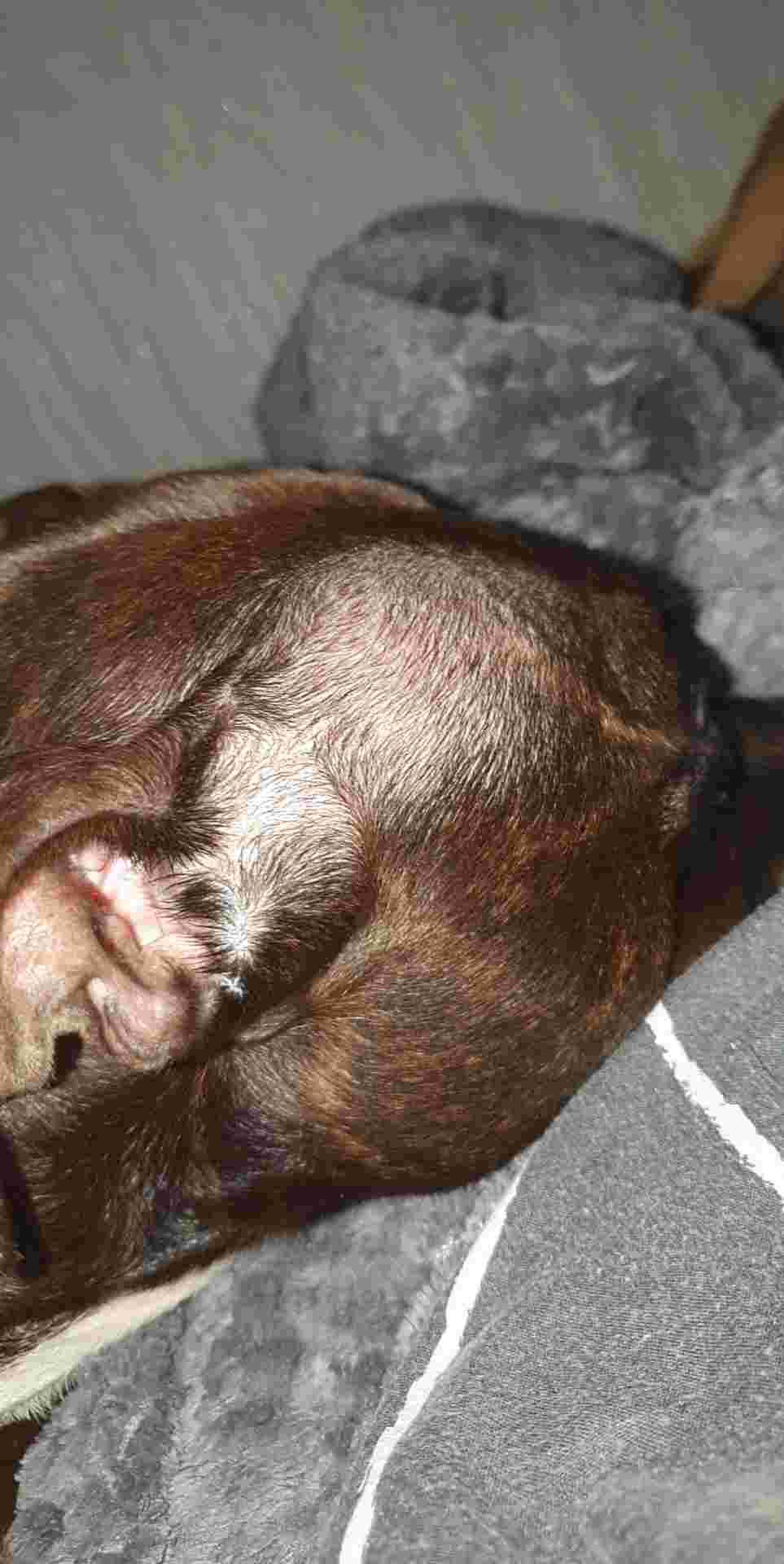
My 3 year old dog has allergies but recently started losing a lot of fur and it's got really thin in places. This hasn't happened before. We've tried oat baths and piriton but it's not really helping. Any ideas to what could be causing this. Shes up to date on flea treatment and nothing has changed in the house.




3 Answers
Most Helpful Answer
Published on February 21st, 2020
There are four main causes of hairloss including allergies to fleas, allergies to something in the environment, food allergy or endocrine disease. Each one of these problems is detected and addressed differently and I recommend to discuss with your veterinarian which one to start hunting down first. Parasites are often ruled out with an oral medication like Simparica. Oral flea medication is much better than topical medication or collars. Food allergy is best ruled out with a diet trial using a hydrolyzed protein. Food allergies can just develop even if the same diet has been feed for years. Endocrine diseases are detected with blood work. Environmental allergies are a little more difficult to detect but a response to therapy or a blood test can give an indication. These can also just develop. Once you figure out and address the underlying cause, the lesions should not come back. There are a couple things you can do at home and they can help but they may not address the underlying cause. You can try adding in an omega 3 fatty acid supplement for dogs, this can help improve the skin health. You may also try changing her diet to something like Royal Canin or Nutro as they are aimed at skin health. Also protect the area from trauma by having Messi wear an elizabethan collar at all times if she wants to lick. I hope this helps and please feel free to post any additional questions.

1Pet Parents found this answer helpful
Other Answers
-
Published on December 13th, 2019
Poor Rosy! Chronic itching is most commonly related to 1 of 4 causes (though some pets will have more than 1 causes): allergies to fleas, allergies to something in the environment, food allergy or endocrine disease. Each one of these problems is detected and addressed differently and I recommend to discuss with your veterinarian which one to start hunting down first. You may need to work closely with the vet to get the correct diagnosis. Parasites are often ruled out with an oral medication like Simparica. Food allergy is best ruled out with a diet trial using a hydrolyzed protein. Endocrine diseases are detected with blood work. Environmental allergies are a little more difficult to detect but a response to therapy or a blood test can give an indication. Once you figure out and address the underlying cause, the lesions should not come back. There are a couple things you can do at home and they can help but they may not address the underlying cause. You can try adding in an omega 3 fatty acid supplement for dogs, this can help improve the skin health. You may also try changing her diet to something like Royal Canin or Nutro as they are aimed at skin health. Also protect the area from trauma by continuing to have Rosy wear an elizabethan collar at all times. I hope this helps and please feel free to post any additional questions.
1Pet Parents found this answer helpful
-
Published on June 27th, 2019
Persistant skin problems could be several things including allergies to fleas, skin mites, allergies to something in the environment, food allergy or endocrine disease. Each one of these problems is detected and addressed differently and I recommend to discuss with your veterinarian which one to start hunting down first. Parasites are often ruled out with an oral medication like Simparica. Food allergy is best ruled out with a diet trial using a hydrolyzed protein. Endocrine diseases are detected with blood work. Environmental allergies are a little more difficult to detect but a response to therapy or a blood test can give an indication. Many times a special serum can be made from the blood test results and it tends to relieve the itching. Once you figure out and address the underlying cause, the skin problems should not come back. There are a couple things you can do at home and they can help but they may not address the underlying cause. You can try adding in an omega 3 fatty acid supplement for dogs, this can help improve the skin health. You may also try changing her diet to something like Royal Canin or Nutro as they are aimed at skin health. Also protect the area from trauma by having Millie wear an elizabethan collar at all times if she wants to scratch and lick. Best of luck and please feel free to post any additional questions.
1Pet Parents found this answer helpful



Book an appointment with the pros – our expert vets are here to help.
