


Why is my Pomeranian losing fur? Causes, treatment, skin care tips.
Updated On September 23rd, 2025
Pet's info: Dog | Pomeranian | Male | unneutered | 8 years and 7 months old | 12 lbs
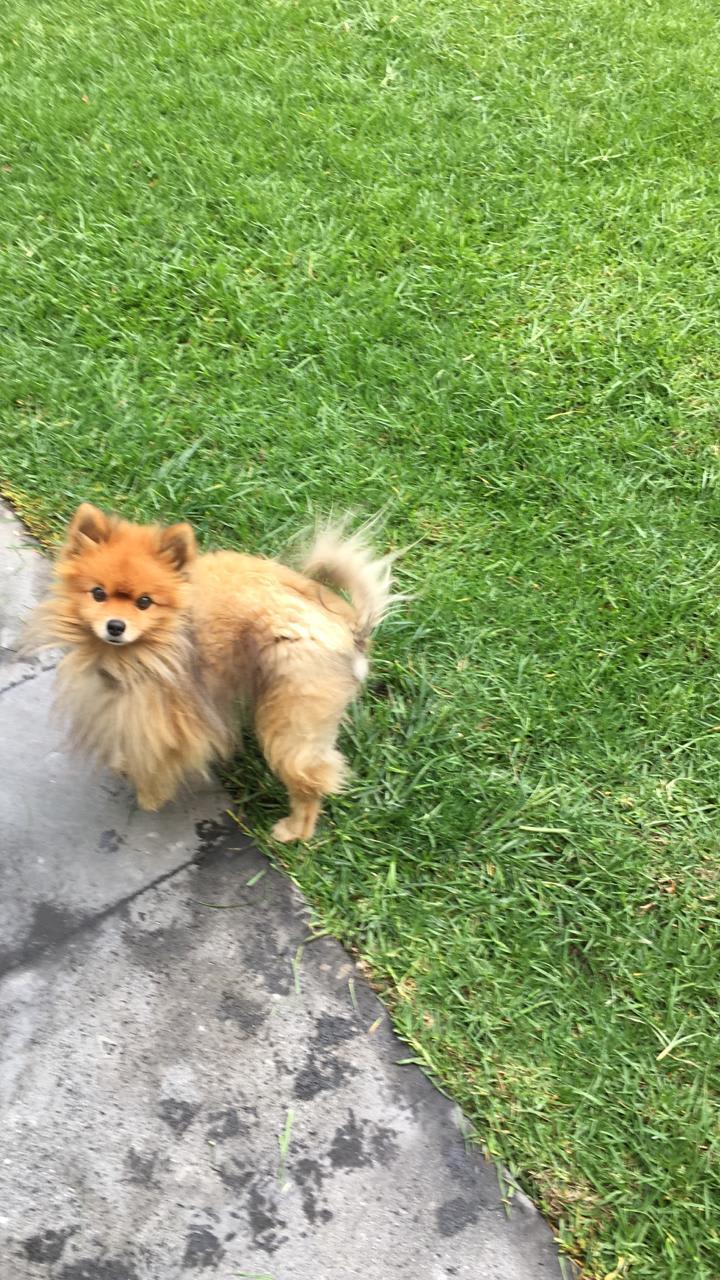
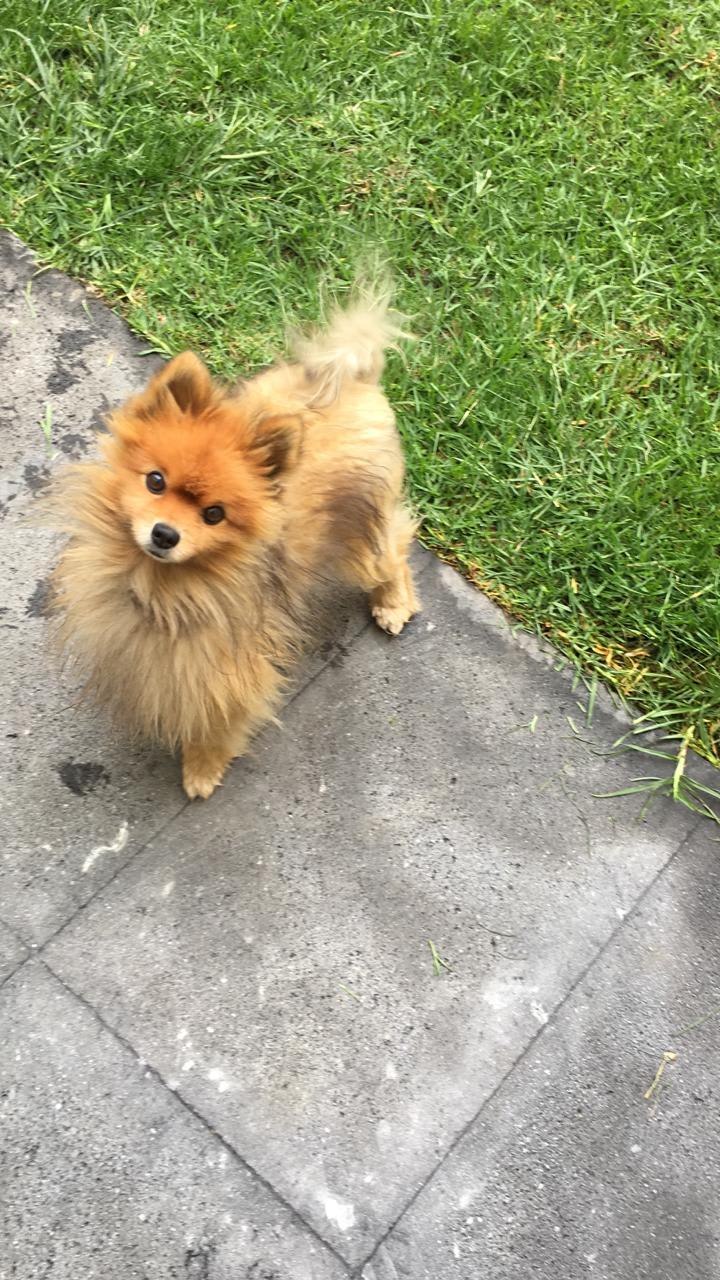
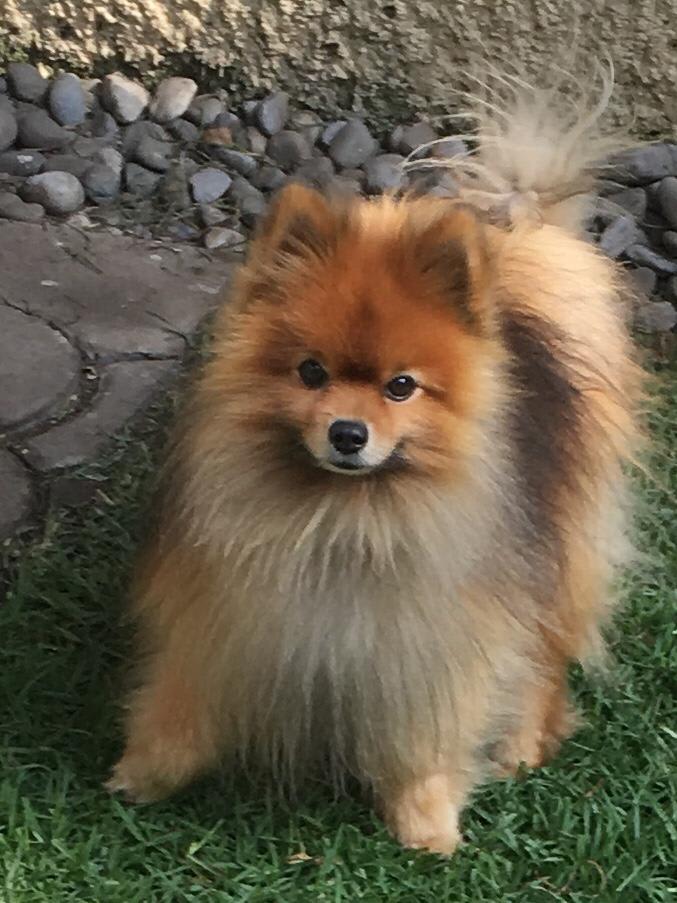
My 8-year-old male pomeranian has lost his fur recently, on his back legs, tail and lower back mainly. A vet prescribed him cortisone to rule out any inflamation-related causes and also suggested to give him weekly baths with a "special shampoo". Do you support this cortisone intake? Are there any other causes we might have overlooked? (we changed his food recently) If his fur doesn´t come back, how can I take care of his skin? Thank you! (before and after photos attached)


1 Answer
Most Helpful Answer

Published on August 9th, 2019
Thanks for using Petco Pet Education Center, formerly Petcoach! Cortisone can help if for example this is due to allergies and it is causing him to be itchy. This is possibly due to allergies. It really comes down to figuring out what is causing his allergies so that they can be treated or the specific allergen avoided. A secondary infection is likely and also needs to be addressed. There are medications such as Apoquel or prednisone which may help with the itch. There are many things that can cause allergies though in most cases they can be broken down into 3 big categories: flea, food and environmental allergies. Allergies are usually worked up in a stepwise fashion starting with flea allergies as this is the easiest and cheapest to take care of. If not on a flea preventative, then it would be a good idea to get started on one. If already on one then it would be a good idea to change to something else (there are many new products out in the market). If not improved in 1-3 months then it is time to move on and check for food allergies by switching to a novel diet (new protein and new carbohydrate). If that does not seem to be the issue then you are left out having to check for environmental allergies which require blood and/or skin tests. Allergies can be very frustrating to deal with at first but so rewarding at the end when we are able to treat them effectively!

1Pet Parents found this answer helpful

Mia is back to having her skin sores again and losing fur in the spots on her sores but she has so much fur you can’t tell unless you really dig through the layers. Anywho, I have to get to the bottom of what is going on with her skin SINCE SHE WAS B
Hello! I have a pomeranian who is 3 years old and in the last few months he got very bad looking coat around his tail. His coat is very rigid, it also has some dandruff. I feed him with raw meat (horse, pig, no chicken or duck,) and he gets one spoo

MAtter pending two woks in dog friendly hotel (on vaca)My 10yr old Westie has round sores that are crusted over but seem to have hair like coming out of them on her sides, back, tail, & now the corners and lumps above her eyes. Also on her hind end &
Hi! May dog keep on scratching his self, he is a 2 Months old Pomeranian puppy. I went to a vet last sunday, since there was no obvious sign of ticks or fleas and due to may dogs fur it was hard to find. The vet has given my dog a medication for unti
My dog Pepper (20lbs, 3 months old) has been itchy as hell since the day we adopted her, and we have tried everything. Two different antibiotics, changed her food, using medicated shampoo, lots of omegas, and today I noticed she is losing hair on her
My dog is losing his hair, he's a golden retriever. He keeps on scratching at munching his skin because of itch.
My dogs skin is severely dry, and flaking like crazy, and missing hair. I was hoping there is an alternative to Prednisone, and if not, is Prednisone harmful to my dog? The vet he was taken to before, they said it was allergies, but his whole life he
My 4 year old Pomeranian is allergic to something and I don't know how to treat it. I know there is poison oak in the yard. I also have 5 other dogs that don't have allergies. His fur is falling out and he scratches a lot. Do you know what I can use
Why is my dog losing hair allergies?
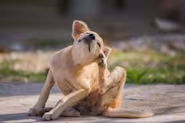
She's been like this for 2 months ...I gave her nextguard for fleas I gave her medicine for champignon and her body is like this and getting worst ...I groomed her ...her hair is growing but some places there no hair at all... Please help me ... I ca
Book an appointment with the pros – our expert vets are here to help.
