


Why is my dog in heat bleeding from her anus and losing appetite?
Updated On September 23rd, 2025
Pet's info: Dog | Mixed Breed Medium (23 - 60lb) | Female | unspayed | 10 months and 20 days old | 60 lbs
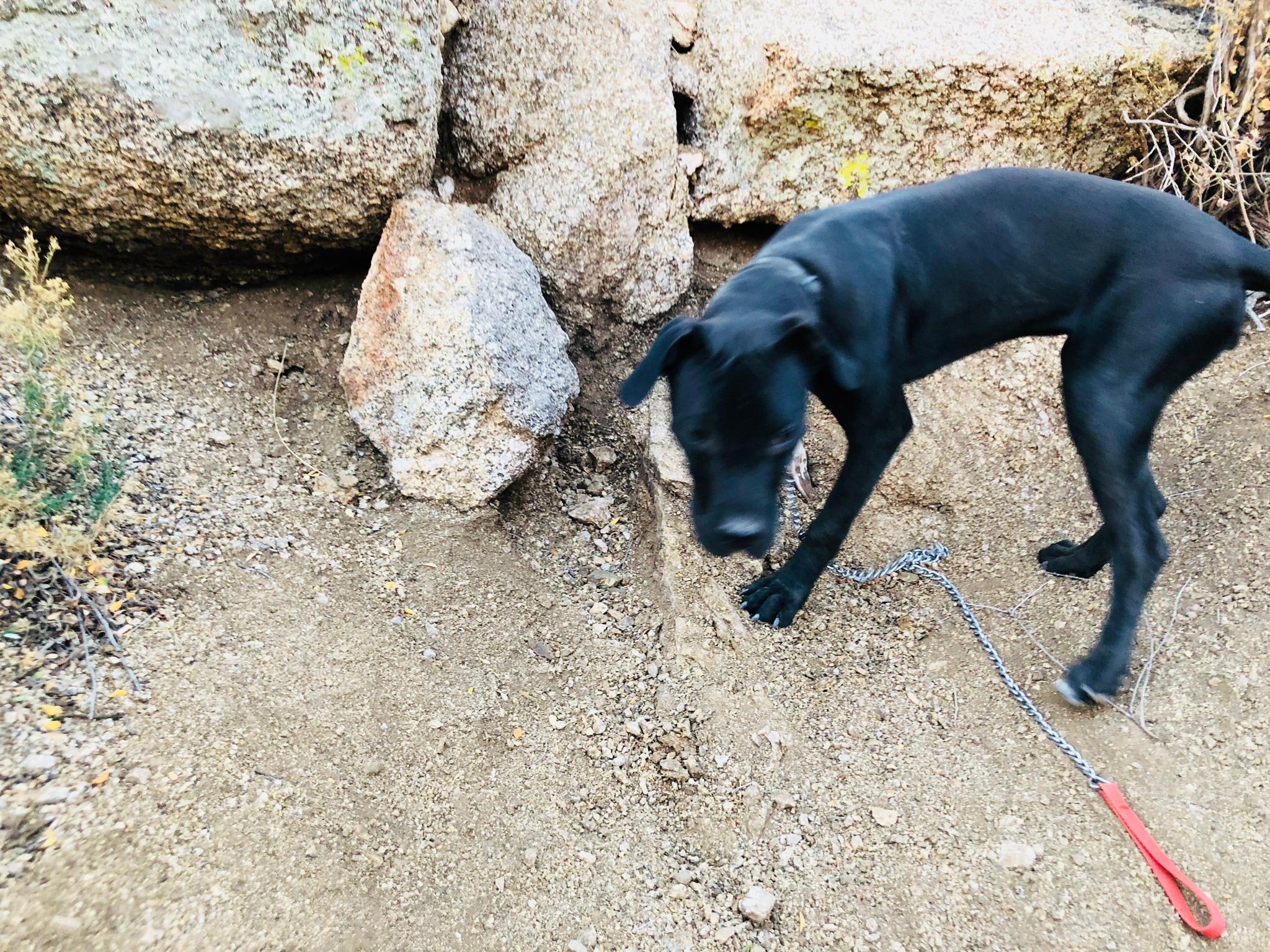
u My female dog is in heat she has a swollen válvula and anus she seems to be very upset and has lost appetite. The blood was coming from her vauvula now it looks like it’s cominf from her anus. Her name is shadow and is about 1. She is a puppy and sometimes bites everything she ate plastic recently that I know of.


2 Answers
Most Helpful Answer

Published on April 2nd, 2018
All of this can be normally seen with a dog in heat, except for the blood coming from the anus. If you are certain that blood is oozing from her anus, then I would be much more concerned and would recommend a visit to the vet in the next 24 hours. Bleeding from the colon/rectum can indicate a severe infection and it's best to get these treated as soon as possible to avoid life-threatening complications such as amemia. I would first make sure that the blood is in-fact coming from her anus. One way to tell is if there is blood in her stool. If she's having normal stool with no blood, then it's not likely that the blood is truly coming from her anus. A decrease in activity and in appetite can happen when they are in heat, so if she is otherwise normal, then I wouldn't be too worried. However, the best option is to have a vet examine her to be safe. Below is a link with more information about a dog's heat cycle. https://vcahospitals.com/know-your-pet/estrus-cycles-in-dogs I hope that helps and all is well with Shadow.

6Pet Parents found this answer helpful
Related Answers from Veterinarians
-
Published on
These signs could be compatible with an inflammation infection of the gastrointestinal system, possibly involving the last part (colon). A clinical examination at your local veterinarian is immediately essential to confirm these clinical suspicions and treat appropriately. Antibiotics and possibly further investigations (like abdominal imaging as ultrasound or radiographs) may be needed. Hope this answer was helpful, but please do not hesitate to contact us again on the forum or by requesting a consultation if you have any more questions or to discuss it any further.
5Pet Parents found this answer helpful


My bichoodle is bleeding (virginal area), it’s her third time on heat but she hasn’t been unhappy and not eating like this before! Is this normal? She’s 19months old.

Hi, would like to ask about my female dog, Japanese spitz 7 months old puppy. She recently did not finish her food and left half. Only when I go over ask her to her finish and she'll finish it. These few days she did not drink much water too. Yester

My dog has occasional leaking of blood from her anus right after being in heat. I checked her stool and didn't see any parasites and there's no blood in stool. She's not acting sick and isn't licking at it.

My 11 month old beagle is now in heat and experiencing depression, loss of appetite, ignoring me, and just sleeping all day. I need help...
Hi, my 8 year old staff has been on heat for 10 days the past two days she has been bleeding a lot more than usual. She is eating as normal, I'm constantly washing her and changing her bedding
My dog is on her 1st heat now from abut 4daus or bit more but her reproduction organs are extremely swallowed and red and i saw her pee a big spot of blood (the size of a hand ) and she doesn't eat well and doesn't play or move a lot too and she is a

My Dog is bleeding from his butt what should I can do? Is it a heat cycle does my dog is in poverty period? Help Me...
Why would my dog be going back in heat? It has been more than 21 days. Now she is bleeding again.
My 10 year old basset hound is in heat but the past 3 days her blood flow is a lot heavier than normal. She is acting completely normal and eating normal, but the amount of blood seems worrisome.
my dog is 1 year old and she is on heat for the first time she is normaly full of energy but now she is not energetic and not eating much and she normaly loves her food she also has diarrhea accidents in the house and she never has accidents when she
Book an appointment with the pros – our expert vets are here to help.
