


Why is my bird's nose blocked and making it hard to breathe?
Updated On September 23rd, 2025
Pet's info: Bird | Unknown - Bird | Male
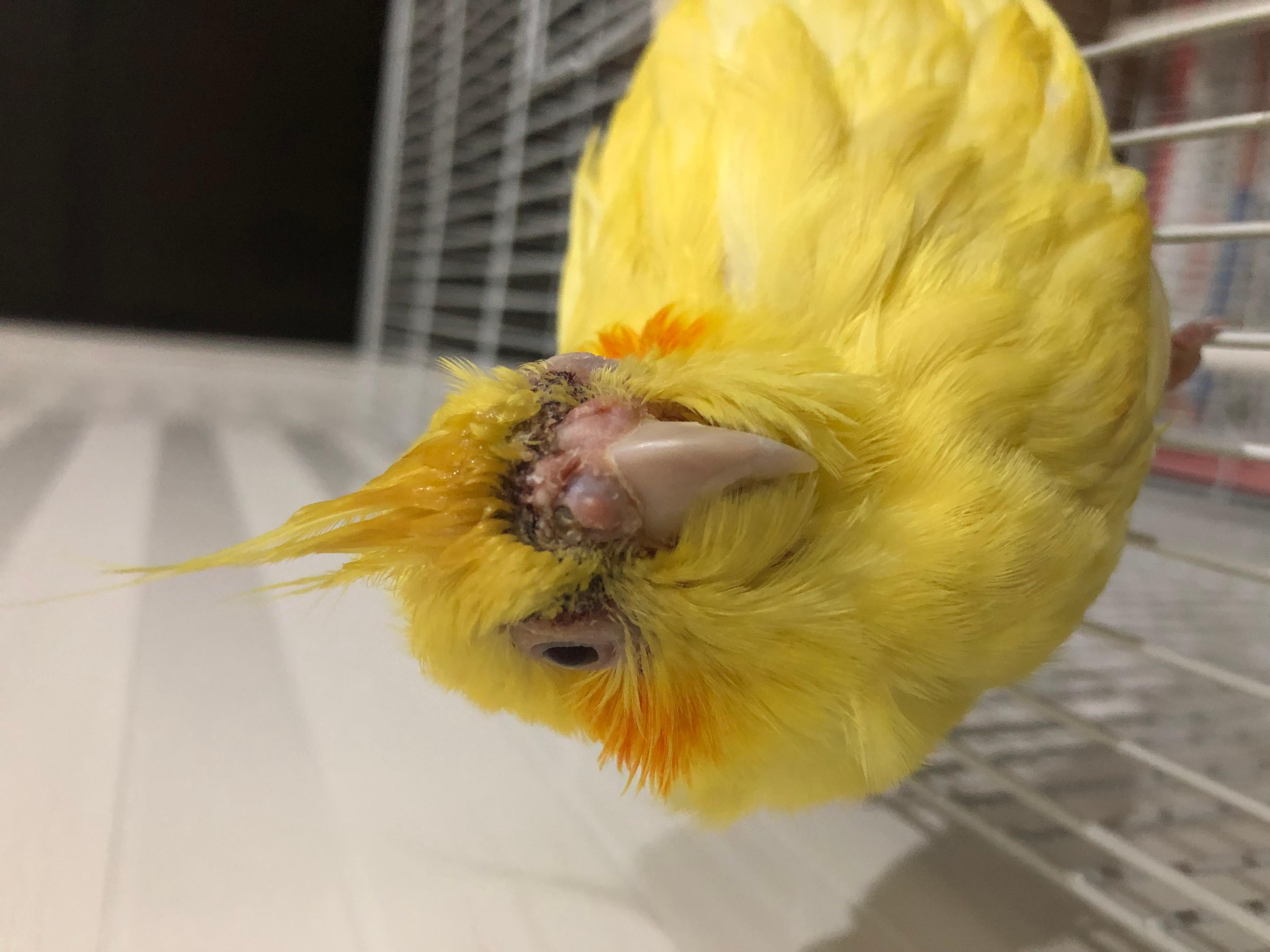
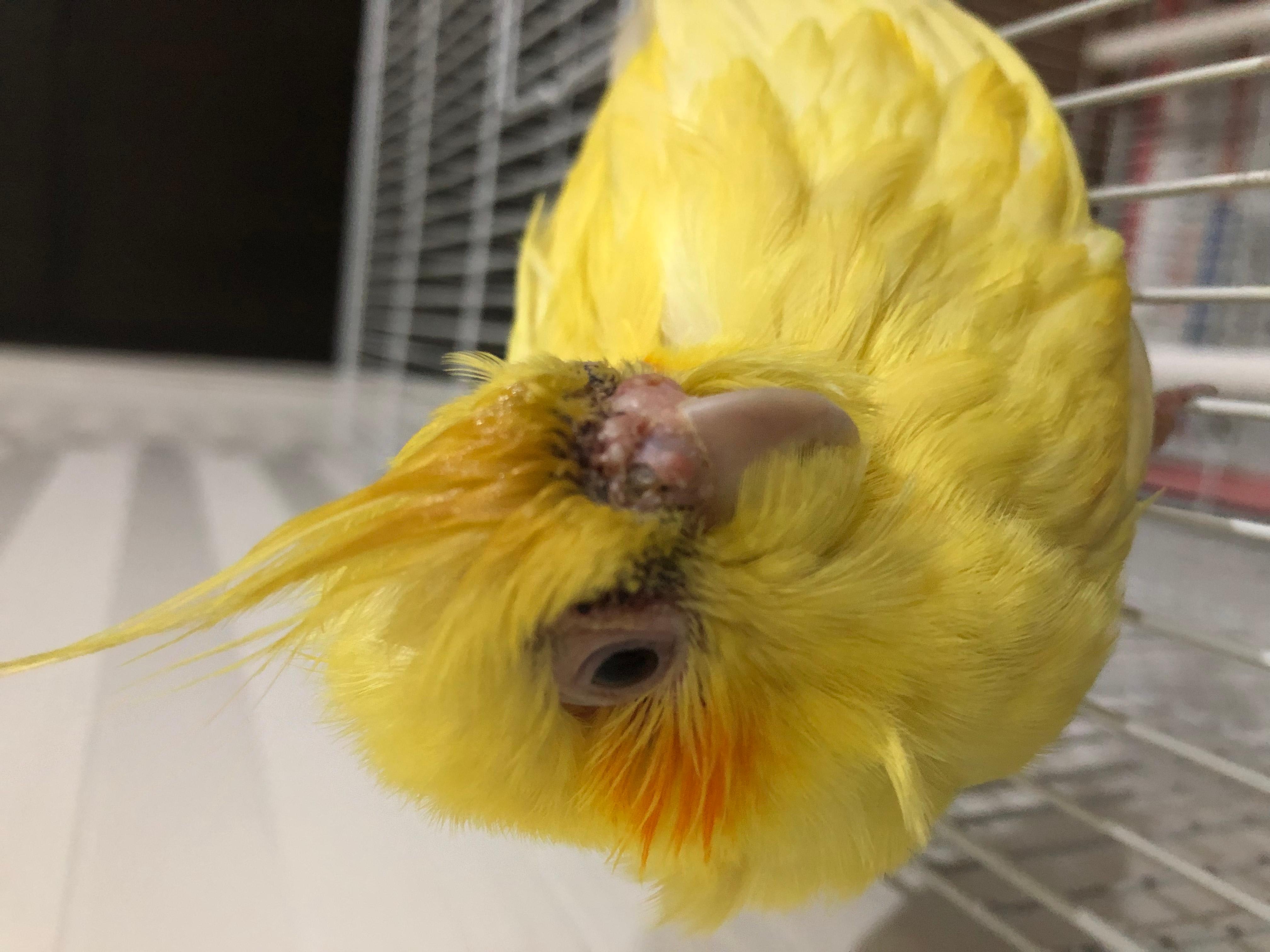
My birds nose has been covered with its skin cos of which he is having a difficulty in breathing. Before that he had a pimple kind off thing in between his nostrils and our vet advised us to put candid B lotion, I feel his skin got worsened after we applied that lotion. We consulted a few vets too and they have given us the medicines but I still want to know what problem he is going through.


2 Answers
Most Helpful Answer

Published on April 12th, 2019
Ouch! It looks like there may be a fungal infection or growth of some sort that is blocking the nostrils. If current medications haven't helped, another trip to the vet to have a sample taken and sent to a lab for testing, as well as having your vet flush out the nostrils may make it easier for John to breathe and help get him feeling better. In the meantime, keeping the nose as clean and free of debris as you can at home may make it easier for him to breathe.

2Pet Parents found this answer helpful
Related Answers from Veterinarians
-
Published on April 13th, 2019
Thanks for reaching out about John. Was a diagnosis made through a fungal culture or cytology? You should only treat with anti-fungal medications is you are positive that is the problems, as bacterial infections are more common. Access to a warm steamy bathroom can provide moisture to the sinuses in an attempt to break up dried excretions. A veterinarian should be able to remove nasal concretions (rhinoliths) but sedation might be needed. Nasal infections, whether bacterial or fungal, are often associated with vitamin A deficiencies, so a review of the diet is appropriate. Fungal infections are often secondary to environmental contamination. Good luck.
1Pet Parents found this answer helpful


Our yellow-nape amazon has what we think is a clogged nare. We have been trying to gently flush what we think is a combination of food, dust, dander from her left (nostril) nare. Do you have any recommendations or suggestions? Thank you.

My parakeet has a brownish wet lookung stain above his nostrils and seems to breath harder
One Nose blocked up and growth right of beak
My cockatiel has some black stuff around her left nostril. It's been there for less than a week, and I'm not sure what it is. Do you think it's a sign of illness?
its my budgie he's always been sick since getting him. He has brown on his cere and is a boy is a darker colour then his blue he has trouble breathing as he bobs his tail and his cere holes always seem full of stuff he's happy eating drinking singin
Do his nostrils look healthy? It looks like there’s something in the right one while the left one is clear and clean... If there’s something happening, what are the probable causes? Thank you?
About two days ago I noticed that on my cockatiel the nares on his left side is kind of closing up. It isn't inflamed or bruised, nor is there any discharge. His other nostril is just fine. What could this be? Is it anything serious? What can I do ab
My lovebird has rough and red nostrils, it started getting rough now its red. He also seems to be very lazy.
Our pet parakeet is developing a protruding part on top of his beak. You can see in the picture. He’s the bird on the right.
My bird Luna has what looks like a white crust in her nose, her nose also whistles when she breathes and you can hear a slight wheezing too. She sneezes a lot after excersise and I don’t know what to do. I have absolutely no avian vets where I live a

Book an appointment with the pros – our expert vets are here to help.
