


My dog fears nail trims. What calming meds help & will his quick heal?
Updated On September 23rd, 2025
Pet's info: Dog | American Staffordshire Terrier | Male | neutered | 1 year and 10 months old | 74 lbs
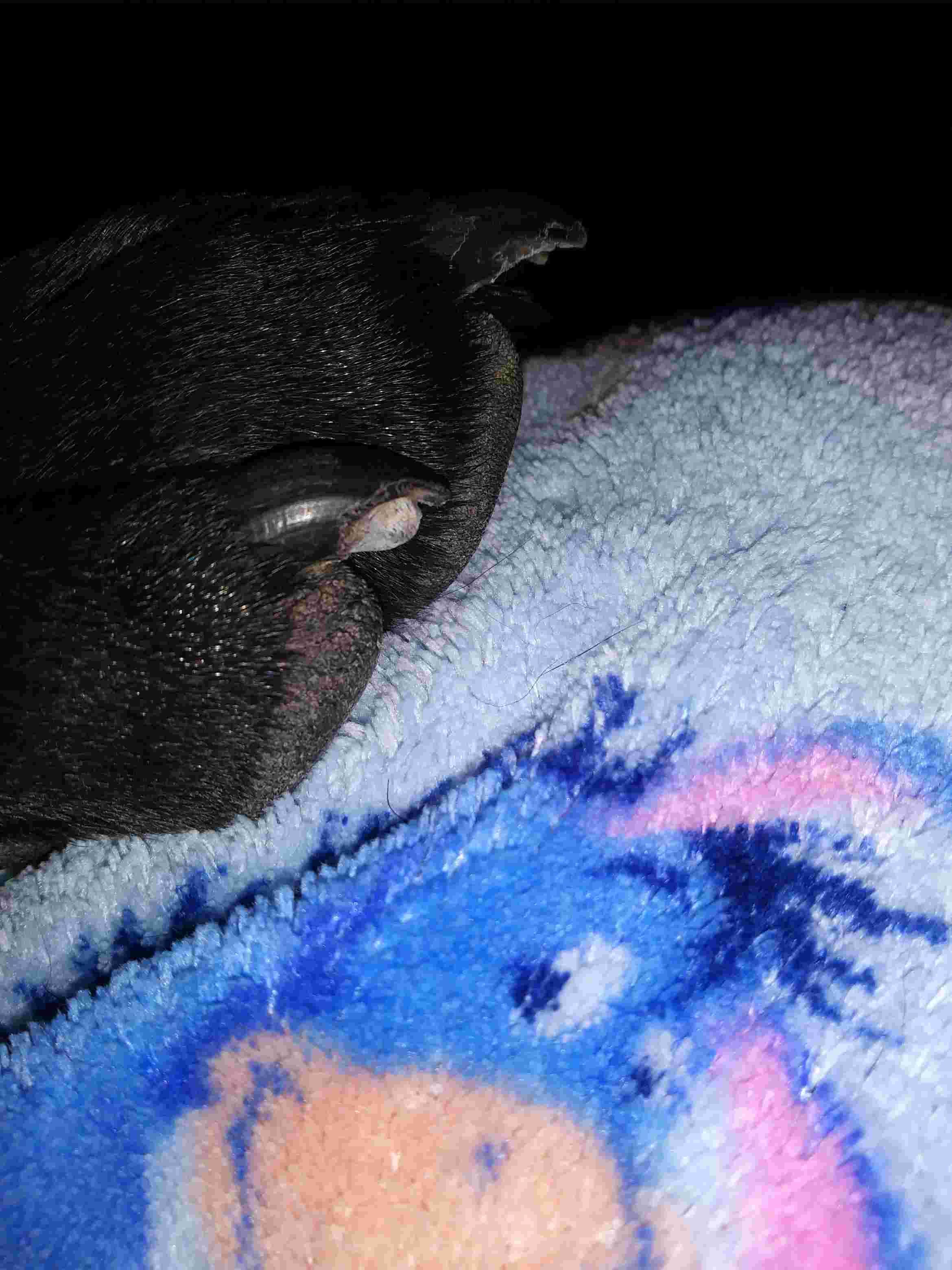
Will his quick ever go back to normal? It just seems so large. Also my vet told me there are only tranquilizers used to calm dogs for nail cuts, is that true or is there actually sedatives? I've been working with him on his fear of having his nails vut and paws handled for almost a year but he still won't let me do it, are there other options to get his nails cut? He doesnt like nail grinders either


1 Answer
Most Helpful Answer

Published on January 31st, 2019
Thanks for using Petco Pet Education Center, formerly Petcoach. For your first question: yes! I expect this nail to grow back over the quick withing a few weeks. For the second part: "sedative" and "tranquilizer" are often used interchangeably in veterinary medicine. In point of fact, what I usually recommend for our nail trim challenges is neither one. Instead, I recommend a true anti-anxiety medication such as Trazodone. It CAN have some mild sedation (lethargy, slower movements, more sleepiness) as a side effect, but not always. Generally, my difficult nail trim dogs on trazodone walk in, fully alert and acting basically normal - just calmer and less scared. The best part is, that in conjunction with a slow, gentle technician and friendly restraint, he can actually start to overcome his fear and learn to tolerate nail trims - eventually. Then there are true sedatives/tranquilizers like acepromazine. These will make Otis slower and easier to trim, but do not actually address his underlying fear. So he will continue to be afraid at each nail trim - he just can't do as much about it. Obviously, I like this solution less. For really really difficult cases I do sometimes give an injectable sedative but this is rare, and I usually use a reversible one so that they can leave feeling mostly normal. I hope this helps and please don't feel alone or feel bad - this is a VERY common problem! Best wishes to you and Otis!

1Pet Parents found this answer helpful



Book an appointment with the pros – our expert vets are here to help.
